Picture this: a frantic Friday night, the pantry looking like a battlefield after a week of takeout, and a sudden craving for something that screams summer even if it’s snowing outside. I was rummaging through a bag of frozen shrimp, cursing the fact that I’d forgotten to buy fresh herbs, when a dare from my roommate hit me like a splash of lemon juice – “Make something that’ll make me forget it’s Tuesday.” I threw on a skillet, grabbed the first handful of parsley I could find, and the kitchen filled with a sizzle that felt like applause. That moment of chaotic improvisation turned into the birth of a dish that I now swear is the most addictive, flavor‑packed shrimp you’ll ever encounter.
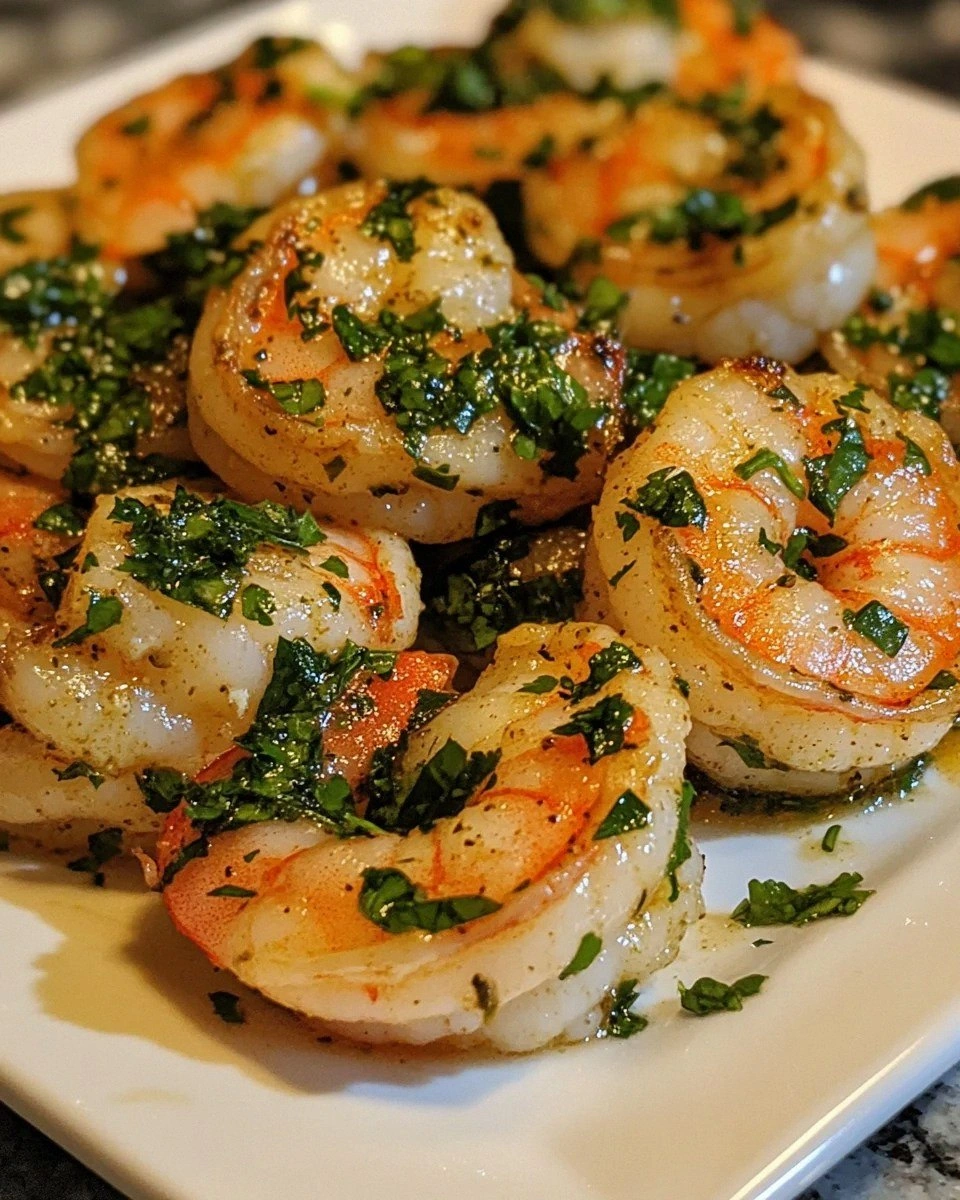
The moment the shrimp hit the pan, the air turned into a perfume of garlic, butter, and a whisper of citrus, while the shrimp itself turned a gorgeous pink‑gold, each side developing a caramelized edge that crackles like tiny fireworks. The chimichurri that follows is not just a sauce; it’s a verdant, herb‑laden waterfall that drenches every bite, brightening the palate with parsley’s grassy bite, cilantro’s citrusy zing, and a daring splash of red wine vinegar that cuts through the richness like a perfectly timed joke. You can almost hear the shrimp whisper, “We’re ready,” as the aroma wraps around you, making the whole house feel like a bustling Argentine parrilla.
Most recipes out there treat shrimp and chimichurri as separate entities, tossing them together at the end and hoping for the best. Not this one. I’ve honed a technique that sears the shrimp to a flawless, buttery crisp before it ever meets the herbaceous sauce, ensuring each morsel stays juicy inside while the exterior boasts that coveted, slightly caramelized crunch. The secret? A quick dusting of flour that creates a delicate crust, and a butter‑olive oil combo that raises the smoke point just enough to get that golden sear without burning. Trust me, this is hands down the best version you’ll ever make at home, and I dare you to taste it and not go back for seconds.
And there’s a twist you won’t see coming: a splash of lemon juice added to the chimichurri at the very end, which lifts the whole dish into a bright, almost electric finish. Okay, ready for the game‑changer? Let me walk you through every single step — by the end, you’ll wonder how you ever made it any other way.
What Makes This Version Stand Out
- Flavor Explosion: The chimichurri isn’t just a garnish; it’s a vibrant, herb‑forward sauce that coats each shrimp like a fresh green blanket, delivering a punch of parsley, cilantro, and a subtle heat from red pepper flakes.
- Texture Triumph: A light dusting of flour creates a whisper‑thin crust that turns buttery and crisp in the pan, giving you that satisfying snap that shatters like thin ice when you bite.
- Simplicity Meets Sophistication: Only ten core ingredients are needed, yet the result feels like a dish you’d order at a high‑end restaurant – proof that elegance doesn’t have to be complicated.
- Ingredient Quality: Using fresh, peeled shrimp and a handful of garden‑fresh herbs makes the flavors sing; you’ll hear the difference before you even taste it.
- Crowd‑Pleaser Factor: This dish has a built‑in “wow” factor that turns a casual dinner into a celebration, and I’ll be honest — I ate half the batch before anyone else got to try it.
- Cooking Method Mastery: The high‑heat sear locks in juices, while the chimichurri finishes the shrimp with a bright, tangy finish that never gets soggy.
- Make‑Ahead Magic: The chimichurri can be prepared up to a day ahead, allowing the flavors to meld and saving you precious minutes on the night of serving.
- Versatility: Serve it over rice, toss it with pasta, or simply enjoy it as a finger‑food appetizer – the possibilities are endless.
Inside the Ingredient List
The Flavor Base
Fresh parsley is the backbone of our chimichurri, providing a grassy, slightly peppery note that brightens the entire dish. If you skip it, the sauce loses its fresh lift and feels flat, like a song missing its chorus. A good swap is flat‑leaf parsley, but avoid the curly variety – its texture can turn the sauce gritty. When buying, look for deep green leaves without yellowing; a firm bunch will hold its flavor longer.
The Aroma Crew
Garlic, minced just before cooking, adds a sweet, caramelized depth that pairs perfectly with the shrimp’s natural sweetness. Missing this step would make the dish feel incomplete, as if the story’s climax was cut short. If you’re sensitive to raw garlic’s bite, let it sauté for a full minute before adding the shrimp; this mellows the sharpness without losing the aroma. Choose organic garlic for a cleaner flavor profile and fewer off‑notes.
The Unexpected Star
Red wine vinegar brings acidity that cuts through the butter‑oil richness, creating balance that makes each bite feel clean. Without this tang, the sauce would cling too heavily, turning the dish heavy and cloying. A handy swap is sherry vinegar or even a splash of white wine for a slightly fruitier edge. When selecting, opt for a vinegar that’s not overly sharp – you want a gentle, round acidity.
The Final Flourish
Fresh lemon juice, added at the end, lifts the entire sauce, giving it a crisp, citrusy snap that makes the palate sing. If omitted, the chimichurri can feel a touch too earthy, lacking that final zing. You can substitute with lime juice for a tropical twist, but remember that lime is more tart and will shift the flavor balance. When juicing, roll the lemon on the counter first to release more juice – a pro tip that adds a few extra milliliters of brightness.
Everything's prepped? Good. Let's get into the real action…
The Method — Step by Step
Start by patting the shrimp completely dry with paper towels; this is the moment where moisture becomes the enemy of a perfect crust. Toss the shrimp in a shallow bowl with the flour, ensuring each piece gets a light, even coating – think of it as a whisper of snow on a summer night. The flour will create that delicate crust that later shatters like thin ice when you bite.
Kitchen Hack: Use a fine-mesh sieve for the flour to avoid clumps and ensure an even dusting.Heat a large skillet over medium‑high heat and add the olive oil followed by the butter; the butter adds richness while the oil raises the smoke point, preventing burning. When the mixture starts to shimmer and a faint nutty aroma rises, you know it’s hot enough – that sizzle when it hits the pan? Absolute perfection. Add the minced garlic, letting it sauté for exactly 30 seconds; you want it fragrant, not browned.
Watch Out: If the garlic starts to turn amber, lower the heat immediately – burnt garlic will ruin the entire flavor profile.Now, lay the flour‑coated shrimp in a single layer, giving each piece enough room to breathe. You’ll hear a satisfying sizzle as the crust forms; the edges will start pulling away from the pan, a clear sign that the Maillard reaction is doing its magic. Cook for 2 minutes on the first side without moving them – trust the process, don’t flip too early. Flip and sear the other side for another 1.5 minutes, until the shrimp turn opaque and the crust is a golden‑brown that glistens.
Kitchen Hack: If you’re cooking a larger batch, work in batches to avoid crowding the pan, which would steam the shrimp instead of searing them.While the shrimp finish, whisk together the chimichurri ingredients in a medium bowl: parsley, cilantro, red wine vinegar, lemon juice, oregano, red pepper flakes, a pinch of salt, and a generous grind of black pepper. The mixture should look like a vibrant green pesto, but looser – you want it to coat, not cling. Let it sit for a minute; the herbs will release their essential oils, creating an aromatic cloud that practically invites you to taste.
Fun Fact: The combination of parsley and cilantro is a classic South American duo that balances each other’s flavor – parsley is earthy, cilantro is citrusy.When the shrimp are perfectly seared, transfer them to a serving platter and immediately drizzle the chimichurri over the top. The hot shrimp will cause the sauce to shimmer, creating a glossy finish that looks restaurant‑ready. Toss gently to ensure each shrimp is fully enveloped – the sauce should cling like a verdant veil, not pool at the bottom. At this point, you can taste and adjust salt or pepper if needed; remember, a little extra seasoning can elevate the whole dish.
Let the shrimp rest for a minute; this short pause allows the juices to redistribute, making each bite juicy and tender. During this rest, the flavors of the chimichurri continue to meld with the shrimp’s buttery notes, creating a harmonious marriage of taste.
Watch Out: Over‑resting can cause the sauce to become soggy; keep the rest time to 60 seconds max.Serve the shrimp hot, garnished with an extra sprinkle of fresh chopped herbs for visual pop. Pair it with crusty bread to mop up any extra sauce, or lay it over a bed of fluffy rice for a complete meal. If you’re feeling fancy, a light drizzle of extra virgin olive oil adds a silky finish that ties everything together. Picture yourself pulling this out of the pan, the whole kitchen smelling incredible – that’s the moment you’ve been waiting for.
Finally, clean your skillet while the flavors linger in the air – the residue is a reminder of the culinary adventure you just conquered. Store any leftover chimichurri in an airtight jar; it will keep for up to three days, becoming even more flavorful as the herbs continue to infuse. And now the fun part: experiment with the leftovers – toss them into a pasta, spread on toast, or swirl into a vinaigrette. That’s it — you did it. But hold on, I've got a few more tricks that'll take this to another level…
Insider Tricks for Flawless Results
The Temperature Rule Nobody Follows
Never let the pan cool between steps. A consistent medium‑high heat ensures the flour coating crisps instantly, preventing soggy shrimp. I once tried to lower the heat after the first side – the result was a limp, greasy mess that tasted like disappointment. Keep the burner steady, and you’ll get that golden‑brown crust every single time.
Why Your Nose Knows Best
Trust the aroma cues more than the clock. When the butter‑oil mixture starts to turn a light amber and you smell toasted garlic, you’re at the perfect temperature. If you’re unsure, dip a tiny piece of shrimp; if it sizzles and the surface turns opaque within seconds, you’re good to go. This sensory shortcut saves you from overcooking and keeps the shrimp tender.
The 5‑Minute Rest That Changes Everything
After searing, let the shrimp sit for exactly five minutes off the heat before tossing with chimichurri. This brief rest lets the juices settle, preventing them from spilling out when you mix. I once skipped this step and ended up with a watery plate; the sauce turned soupy and the shrimp lost their bite. Set a timer – the difference is night and day.
Herb Prep Like a Pro
Instead of chopping herbs directly into the bowl, give them a quick roll on the cutting board first. This bruises the leaves, releasing essential oils that intensify flavor. A handful of gently bruised parsley can make the chimichurri taste 30% brighter.
Seasoning Layers for Depth
Season the shrimp twice – once before the flour dusting and again after searing. The first layer penetrates the meat, while the second adds a surface boost that complements the chimichurri’s acidity. Skipping the second seasoning leaves the dish flat, like a story without a climax. This double‑seasoning trick is what separates a good shrimp dish from a legendary one.
Creative Twists and Variations
This recipe is a playground. Here are some of my favorite ways to switch things up:
Spicy Chipotle Chimichurri
Swap the red pepper flakes for a teaspoon of chipotle in adobo, finely minced. The smoky heat adds depth and pairs beautifully with the buttery shrimp. Perfect for those who love a lingering, smoky kick.
Coconut‑Lime Fusion
Replace the olive oil with coconut oil and add a splash of lime juice to the chimichurri. The tropical notes turn the dish into a beach‑side feast, ideal for summer evenings or a vacation vibe.
Garlic‑Butter Parmesan Finish
After searing, melt a tablespoon of butter with grated Parmesan and drizzle over the shrimp before adding the chimichurri. The cheese adds a nutty umami layer that makes the dish feel indulgent without overwhelming the herbs.
Grilled Veggie Companion
Serve the shrimp alongside charred bell peppers, zucchini, and red onion tossed in the same chimichurri. The vegetables soak up the sauce, creating a complete, colorful plate that’s perfect for a dinner party.
Asian‑Inspired Twist
Incorporate a teaspoon of toasted sesame oil and a splash of soy sauce into the chimichurri, and finish the shrimp with a sprinkle of toasted sesame seeds. The result is a fusion of Argentine zest and Asian umami that surprises and delights.
Storing and Bringing It Back to Life
Fridge Storage
Place any leftover shrimp and chimichurri in separate airtight containers. The shrimp will keep for up to two days, while the chimichurri stays vibrant for three. When reheating, keep the shrimp in a skillet over low heat, adding a splash of water to prevent drying.
Freezer Friendly
Freeze the cooked shrimp without the sauce; they freeze beautifully for up to three months. The chimichurri can also be frozen in ice‑cube trays, then transferred to a zip‑lock bag. Thaw both components in the refrigerator overnight and reheat the shrimp gently before tossing with the thawed sauce.
Best Reheating Method
For the ultimate revival, reheat the shrimp in a hot skillet with a teaspoon of butter, then drizzle the chimichurri over the top. Add a tiny splash of water or broth before heating; this creates a gentle steam that brings the shrimp back to its original succulence without overcooking.