I burnt the toast, scorched the coffee, and somehow managed to turn my Sunday morning into a full-blown kitchen disaster. The only thing left in my fridge was a half-empty can of tomatoes, four lonely eggs, and a pack of corn tortillas that had seen better decades. I was about to surrender to a bowl of cereal when I remembered the tiny cantina in Oaxaca where the cook slapped tortillas on a sizzling comal, cracked eggs right into a volcanic tomato sauce, and handed me a plate that tasted like sunrise on the Pacific. If I could capture even a whisper of that magic in my cast-iron skillet, maybe the morning could still be saved. Spoiler alert: I didn’t just capture a whisper—I got the entire mariachi band marching through my kitchen. What emerged from that pan was a skillet of huevos rancheros so ridiculously good that I stood at the counter, fork in hand, and demolished half of it before my housemate even shuffled out of bed. The tortillas stayed crisp even after bathing in sauce, the whites of the eggs set into tender pillows while the yolks stayed molten, and the tomato-chile gravy reduced until it clung like velvet to every surface. You know that sound when sauce hits hot iron and the edges sizzle into lacy frills? That crackle is the culinary equivalent of a standing ovation. I’m handing you the keys to that moment. Let me walk you through every single step—by the end, you’ll wonder how you ever made it any other way.
What Makes This Version Stand Out
- Crispy-Tender Tortilla Trick: Instead of drowning soft tortillas in sauce, we flash-fry them first so they stay crisply intact, creating edible saucers that crack under your fork but never collapse into sad, soggy napkins.
- One-Skillet Symphony: Everything—from charring the peppers to setting the eggs—happens in a single pan, which means you’re flirting with flavor while flirting with minimal dishes, a love triangle I can wholeheartedly endorse.
- Smoky-Sweet Tomato Depth: Canned whole tomatoes get roasted by the cast iron until their edges blister and caramelize, adding a campfire nuance you simply can’t coax out of a quick simmer.
- Eggs That Bend Time: A 6-minute steam-cover method yields set whites and runny yolks every single time, so you can serve brunch to guests without playing Russian roulette with gooey centers.
- Breakfast-for-Dinner Approved: With a hit of protein-rich beans and a spice level you can dial up or down, this skillet moonlights as a lightning-fast weeknight dinner that keeps you full without weighing you down.
- Leftover Legend: The sauce actually improves overnight; reheat, crack in fresh eggs, and you’ve got an encore performance that tastes like you toiled for hours even though you binge-watched a whole show while it reheated.
Alright, let’s break down exactly what goes into this masterpiece...
Inside the Ingredient List
The Flavor Base
Whole peeled tomatoes are the heartthrob here, swimming in their own juice like little flavor bombs waiting to detonate. When they hit searing iron, their natural sugars kiss the edge of burnt, giving you that smoky backbone you thought only came from hours of roasting fresh plum tomatoes. Ancho chili powder steps in as the suave older sibling of regular chili powder—mild, raisiny, and reminiscent of a Mexican chocolate note without any sweetness. Skip it and the sauce tastes flat, like a joke without a punchline. Ground cumin adds an earthy bass line that makes the whole dish taste mysteriously complete; if you forget it, you’ll keep adding salt wondering why the harmony feels off.
The Texture Crew
We’re using corn tortillas because they fry into brittle perfection and absorb just enough sauce to stay interesting without going limp. Flour tortillas turn gummy—trust me, I tried once and created what looked like edible paper-mache. Poblano delivers a gentle, green-pepper sweetness with only the faintest tingle, while jalapeños bring the adolescent rebellion. Together they give you pops of soft and snappy in every bite. Yellow onion practically melts into the sauce, providing a jammy layer that helps everything cling to the tortillas like culinary Velcro.
The Unexpected Star
Here’s the curveball: canned pinto beans, drained and tossed in near the end, drink up the spiced tomato bath and become little nuggets of creamy goodness. If you’ve only ever used black beans, prepare for a lighter, nuttier counterpoint that won’t muddy the vibrant sauce. Vegetarians cheer because the beans add heft; omnivores won’t miss the chorizo once they taste how seamlessly the beans absorb the smoky cumin and ancho. Leave them out and the dish still works, but you’ll find yourself wishing for something to break up the egg-tomato monotony halfway through the plate.
The Final Flourish
Four eggs may feel skimpy if you’re feeding growing teens, but the richness of the sauce and beans means each person gets a complete protein parcel with just one yolk for dipping. Neutral oil keeps the frying clean; olive oil’s grassy notes would brawl with the chile chorus. Kosher salt fluffs across the surface, sticking to the veggies and dissolving evenly—table salt would sink in pebbly clumps and over-salt pockets. Garlic powder disperses more smoothly than fresh minced garlic, ensuring every tomato shred carries uniform savory depth rather than random spicy shards.
Everything’s prepped? Good. Let’s get into the real action...
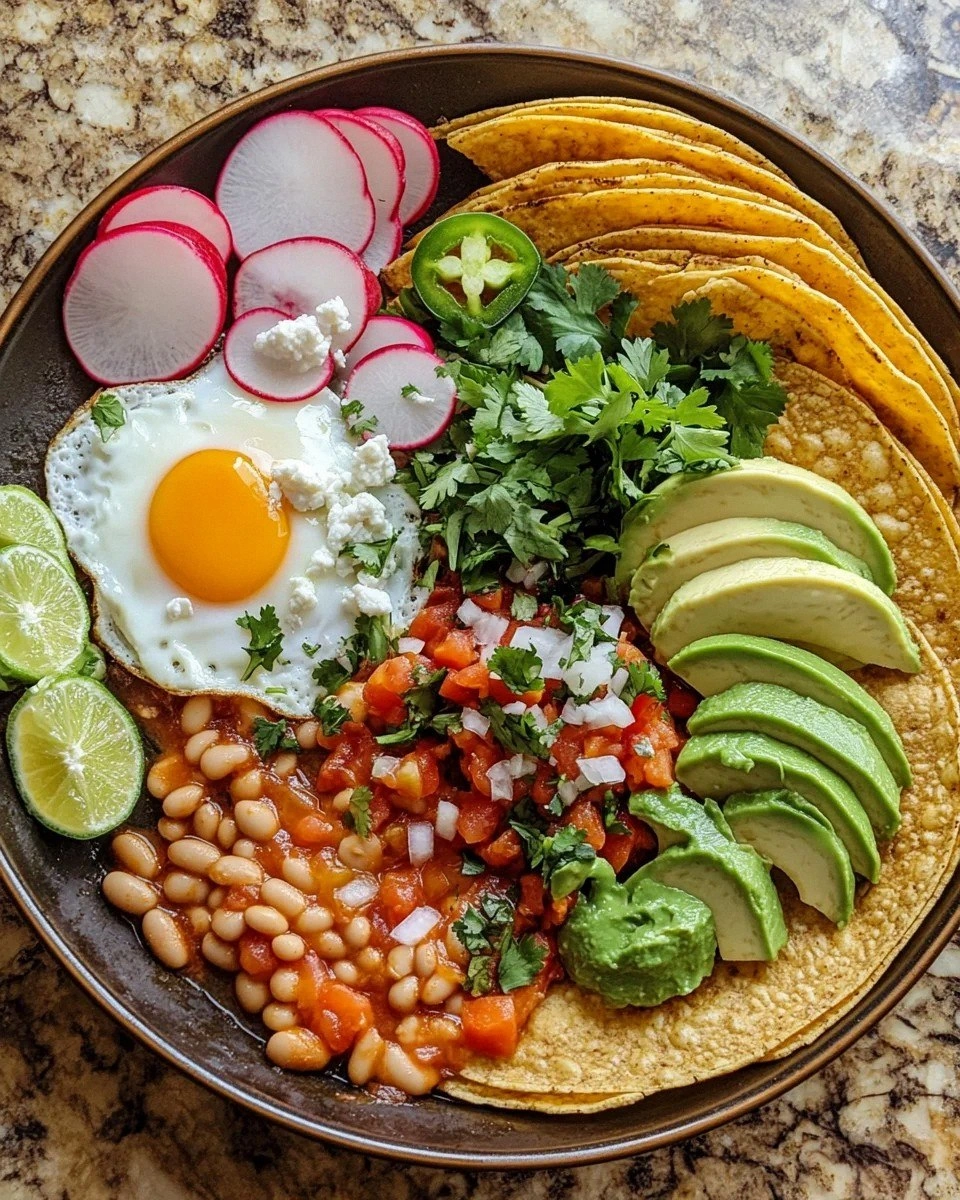
The Method — Step by Step
- Preheat your largest cast-iron skillet over medium-high for a full three minutes. You want it hot enough that a drop of water skitters like a Mexican jumping bean; this ensures the tortillas blister on contact instead of soaking up oil like greedy sponges. Swirl in just enough neutral oil to coat the bottom thinly—about two tablespoons should do. Lay the first two tortillas flat; they should sizzle the second they kiss the metal, a sound that makes your stomach growl in Morse code. Fry thirty seconds per side until the edges curl upward and golden freckles appear, then transfer to a plate lined with paper towel; repeat with remaining tortillas.
- Keep the heat cranked and toss in the sliced onion, poblano, and jalapeños. Spread them into a single layer and walk away for ninety seconds—no poking, no stirring. We’re chasing charred leopard spots that lend a campfire note to the sauce. When the onion edges turn translucent with sooty tips, sprinkle in the ancho chili powder, cumin, garlic powder, oregano, and salt. Stir constantly for thirty seconds; the spices will bloom like fireworks and the smell should make your neighbors wonder if you’ve hired a private chef.
- Open your can of tomatoes and pour the juice into the skillet first—this deglazes all the browned bits, turning them into flavor confetti. Grab kitchen scissors and snip the whole tomatoes directly in the can until you have a chunky mash; yes, you could use pre-diced, but the irregular pieces give character and prevent baby-food uniformity. Dump the tomatoes in, reduce heat to medium-low, and let the mixture burble like hot lava for ten minutes, stirring occasionally. The sauce will thicken until a spatula dragged across the bottom leaves a trail that the tomatoes slowly fill back in.
- Stir in the pinto beans and taste for salt; canned tomatoes vary wildly in brininess, so trust your tongue over the recipe measurement. If you crave more heat, now’s the time to shower in extra jalapeño slices; if you’re cooking for heat-sensitive souls, a teaspoon of honey will round the sharp edges without announcing itself. Lower the heat to a gentle simmer and use the back of a large spoon to create four egg-sized wells in the sauce. Crack each egg into a small bowl first—shell patrol is easier in a bowl than in a volcano of tomato—and slide them into their designated nests.
- Cover the skillet with a tight lid or a sheet of foil if your lid went missing sometime between college and adulthood. Let the eggs steam for 5–6 minutes for runny yolks, 8 minutes for jammy centers, or 10 minutes if you’re feeding toddlers who inspect everything for “goo.” Resist the urge to peek for the first four minutes; the trapped steam is the silent sous-chef that sets the tops without overcooking the bottoms. Meanwhile, warm your plates in the oven on the lowest setting—hot plates keep the tortillas from turning tepid and sad.
- Uncover and marvel: the whites should be opaque, the yolks should jiggle like tiny waterbeds, and the sauce should glisten like it’s been personally waxed by the food stylist gods. Scatter the reserved raw jalapeño rings on top for a fresh pop of color and crunch. Serve directly from the skillet, tucking a crisp tortilla under each egg, letting the sauce cascade over the sides like savory lava. Bring extra tortillas to the table because, trust me, nobody wants to leave a single crimson puddle behind.
That’s it—you did it. But hold on, I’ve got a few more tricks that’ll take this to another level...
Insider Tricks for Flawless Results
The Temperature Rule Nobody Follows
Most home cooks crank the burner to high and wonder why their tortillas taste like scorched earth. Medium-high is the sweet spot where Maillard browning happens faster than oil absorption, giving you crisp—not greasy—tortillas. If the oil smokes wildly, the pan’s too hot; remove it from heat for thirty seconds and let the metal chill slightly. Your tongue will thank you when every bite crackles like autumn leaves instead of oozing oil down your wrist.
Why Your Nose Knows Best
Ignore the clock and listen to your olfactory system. When the cumin and ancho hit the fat, you should get a warm, toasty perfume reminiscent of a spice market in winter. If the smell turns acrid or bitter, you’ve crossed the line from toasted to torched—immediately dump in a splash of tomato juice to cool the party. This nose-first approach prevents the heartbreak of gritty, burnt spices that will dominate the entire dish.
The 5-Minute Rest That Changes Everything
After you pull the skillet off heat, let it rest uncovered for five minutes. During this pause, the sauce settles, the eggs relax, and the residual heat finishes setting any slightly translucent whites without overcooking the yolks. I know the aroma is screaming “eat me now,” but patience transforms a good plate into a legendary one. Use the downtime to slice avocado, crumble queso fresco, or simply bask in the applause you’re about to receive.
Creative Twists and Variations
This recipe is a playground. Here are some of my favorite ways to switch things up:
Green Mile Huevos
Swap the canned tomatoes for a salsa verde made from roasted tomatillos and poblano strips. The tangy green sauce tastes like early spring in a bowl and pairs beautifully with crumbled goat cheese melting on contact.
Smoky Chorizo Edition
Brown two ounces of Mexican chorizo before the onions; its paprika-laced fat seasons the entire sauce. The porky bits nestle under the eggs like savory treasure, perfect for weekends when calories don’t count.
California Avocado Crown
Top each egg with a fan of ripe avocado and a drizzle of lime-spiked Greek yogurt. The cool creaminess against hot smoky sauce is the breakfast equivalent of a polar bear plunge—shocking in the best way.
Campfire Cast-Iron Bake
If you’re cooking over coals, nestle the skillet among glowing embers (not roaring flames) and cover with a vented lid. The gentle surrounding heat mimics an outdoor oven and infuses everything with a whisper of woodsmoke.
Vegan Power Play
Trade eggs for silken tofu cubes pressed into wells; cover and steam just until warmed through. Finish with toasted pepitas for crunch and a squeeze of lime for brightness—nobody misses the yolk.
Breakfast Burrito Helper
Chop the finished tortillas into strips and fold the entire skillet contents into warm flour tortillas with shredded cheddar. Roll, griddle-seam, and you’ve got freezer-ready breakfast burritos faster than the drive-thru.
Storing and Bringing It Back to Life
Fridge Storage
Let the sauce cool completely, then transfer to airtight glass jars; it keeps for up to five days. Store tortillas separately in a zip-top bag with a paper towel to absorb moisture. Eggs don’t reheat well, so only cook what you’ll eat immediately; when hunger strikes, reheat sauce in a skillet, add fresh eggs, and proceed with the steaming step.
Freezer Friendly
Portion the cooled sauce into silicone muffin trays; freeze until solid, then pop out and stash in freezer bags. These pucks thaw in minutes on the stovetop and deliver single-serve convenience for solo weekday mornings. Tortillas freeze beautifully separated by parchment; reheat directly on a gas burner for charred edges that taste freshly fried.
Best Reheating Method
Thaw sauce overnight in the fridge, then warm gently with a splash of water or broth to loosen. Add a tiny pinch of salt and a squeeze of lime to wake up the flavors—freezer dulls spices more than you’d expect. Crack fresh eggs directly into the bubbling sauce, cover, and steam as directed. The skillet comes back singing like it never took a vacation.