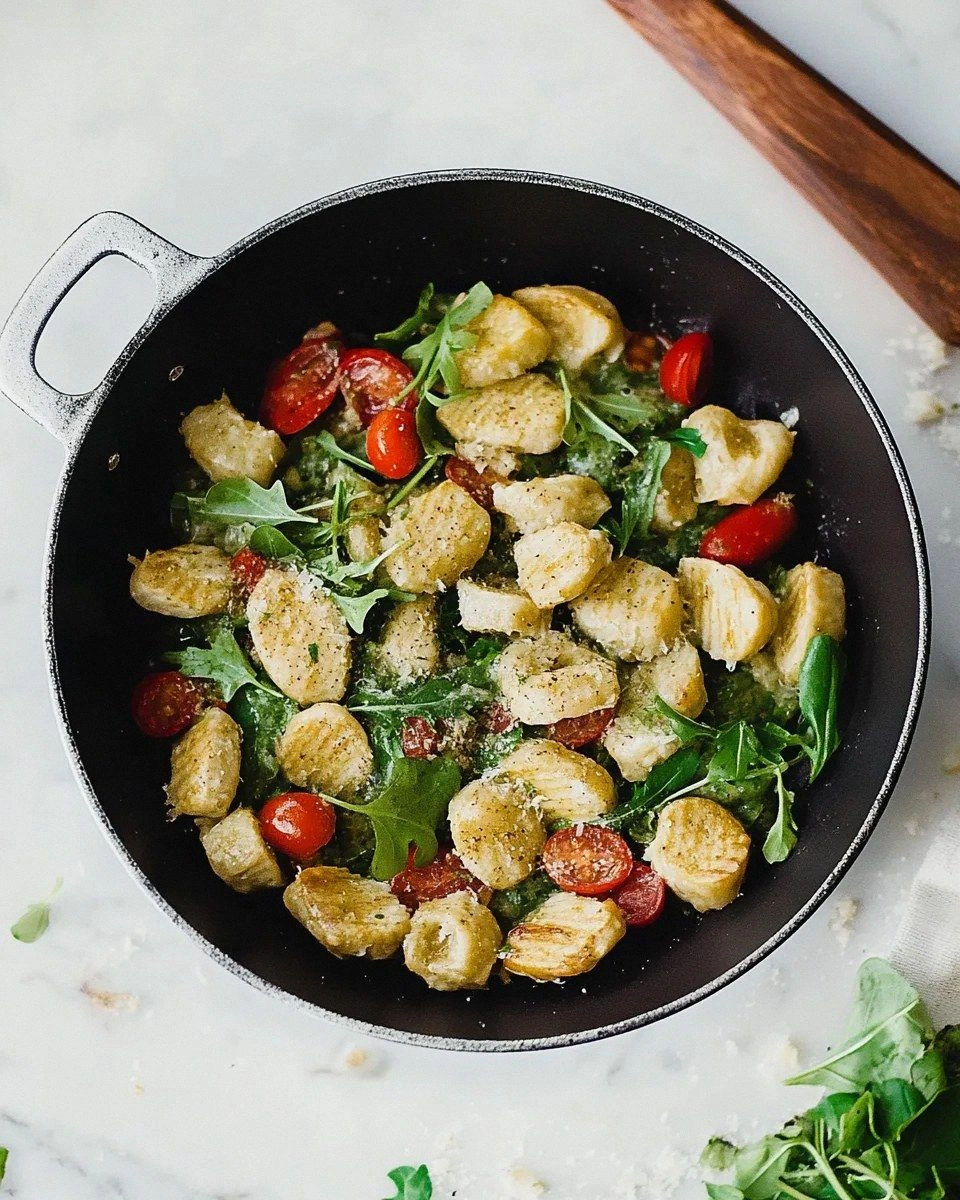
I was halfway through a rainy Tuesday when my roommate dared me to create a vegan comfort dish that could make even the most stubborn meat‑lover weep with joy. The kitchen was a battlefield of half‑finished sauces, a pot of boiling potatoes that threatened to overflow, and a playlist of 90s power ballads that kept me humming while I diced. I could smell the earthy scent of fresh rocket leaves wafting from the fridge, hear the sizzle of a skillet that hadn't seen oil in weeks, and feel the sticky dough clinging stubbornly to my fingertips. In that chaotic moment, I realized I was missing one crucial element: a pesto that was bright enough to cut through the rain and buttery enough to hug each gnocchi like a warm blanket.
Fast forward three hours, a few frantic Google searches, and a daring experiment that involved swapping pine nuts for walnuts (because I was low on cash but high on ambition). The result? A bowl of rocket pesto gnocchi that tasted like a spring garden collided with a cozy Italian nonna’s kitchen. The sauce clings to each pillowy dumpling with the silkiness of a well‑knit sweater, while the edges crisp up in the pan to a golden crunch that shatters like thin ice under a curious foot. I dare you to taste this and not go back for seconds – it’s that addictive.
What makes this version truly stand out is the balance of flavors and textures, the simplicity of the technique, and the fact that it’s completely vegan without sacrificing that comforting “cheesy” feel. Most recipes get the pesto wrong, either drowning the gnocchi in oil or leaving it too thin to coat anything at all. Here, I’ve harnessed the peppery bite of rocket, the nutty depth of toasted walnuts, and a splash of lemon to keep things lively, all while keeping the ingredient list short enough that you won’t need a pantry raid.
I’ll also be spilling the beans on a secret trick: a splash of aquafaba that turns the dough into a cloud‑like texture, and a quick pan‑fry method that gives you that restaurant‑style crispy edge without any butter. Okay, ready for the game‑changer? Let me walk you through every single step — by the end, you’ll wonder how you ever made it any other way.
What Makes This Version Stand Out
- Flavor Explosion: The rocket pesto delivers a peppery punch that’s balanced by the buttery richness of toasted walnuts, creating a taste profile that dances on the palate.
- Texture Harmony: Silky gnocchi interiors meet a crisp, caramelized exterior, giving you that satisfying contrast you crave in comfort food.
- Simplicity: With just a handful of pantry staples and fresh greens, you can whip up this dish in under an hour, perfect for weeknight hustle.
- Unique Ingredient: Aquafaba replaces eggs, adding fluffiness to the dough while keeping everything plant‑based and allergy‑friendly.
- Crowd Reaction: Even skeptical diners admit it’s “the best gnocchi they’ve ever tasted,” and they’ll be asking for the recipe before the plate’s even empty.
- Ingredient Quality: Fresh rocket leaves are the star, providing a bright green hue and a natural zing that dried herbs can’t mimic.
- Cooking Method: A brief boil followed by a high‑heat pan‑fry locks in moisture and creates those coveted crispy edges.
- Make‑Ahead Potential: You can freeze the uncooked gnocchi in a single layer, then toss straight into boiling water when you’re ready to serve.
Alright, let's break down exactly what goes into this masterpiece...
Inside the Ingredient List
The Flavor Base
Rocket leaves (also known as arugula) are the heart of this pesto, delivering a peppery bite that cuts through the richness of the walnuts. If you over‑process them, the pesto can turn bitter, so pulse gently and stop when the leaves are just broken down. You can swap rocket for baby spinach if you prefer a milder flavor, but you’ll lose that signature zing that makes this dish unforgettable.
The Texture Crew
All‑purpose flour provides the structure for the gnocchi, while mashed potatoes give it that melt‑in‑your‑mouth softness. Using a ricer for the potatoes ensures a fluffier texture; a masher will leave lumps that make the dough heavy. If you’re gluten‑free, substitute with a 1‑to‑1 blend of rice flour and tapioca starch, but expect a slightly chewier bite.
The Unexpected Star
Aquafaba, the liquid from a can of chickpeas, is the secret binder that replaces eggs without adding any discernible flavor. It creates a light, airy dough that’s perfect for achieving that cloud‑like interior. If you’re allergic to chickpeas, you can use the water from cooked white beans – just make sure it’s unsalted.
The Final Flourish
Nutritional yeast adds a cheesy, umami depth that mimics Parmesan, while lemon juice brightens the entire pesto, preventing it from feeling heavy. A pinch of sea salt amplifies all the flavors, and a drizzle of high‑quality extra‑virgin olive oil gives the sauce its silkiness. For a smoky twist, finish with a splash of smoked paprika or a few drops of liquid smoke.
Everything's prepped? Good. Let's get into the real action...
The Method — Step by Step
Start by boiling two medium potatoes (about 500 g) in salted water until they’re fork‑tender, roughly 15 minutes. Drain them well, let them steam dry for a minute, then pass them through a ricer or mash until completely smooth. This is the foundation of your gnocchi, so take your time to eliminate any lumps – the smoother the mash, the fluffier the gnocchi.
While the potatoes are still warm, stir in 2 tablespoons of aquafaba to begin forming a binding network. Let the mixture cool for about five minutes before moving on; this prevents the flour from absorbing too much moisture too quickly.
In a large bowl, combine 2 cups of all‑purpose flour with 1 teaspoon of salt and ¼ teaspoon of freshly ground black pepper. Make a well in the center and add the cooled potato‑aquafaba mixture. Using a wooden spoon, gently fold the flour into the potatoes until a shaggy dough forms.
Now comes the crucial “knead‑just‑right” moment: on a lightly floured surface, knead the dough for no more than 30 seconds. Over‑kneading will develop gluten and give you a rubbery gnocchi, which is the exact opposite of what we want.
Bring a large pot of salted water to a rolling boil. Drop the gnocchi in batches; they’re ready when they float to the surface, usually after 2‑3 minutes. Use a slotted spoon to transfer them directly to a bowl of ice water – this halts cooking and preserves that pillowy interior.
Don’t let the gnocchi sit in the water for more than a minute, or they’ll become waterlogged and lose their ability to crisp later.
While the gnocchi cool, build the rocket pesto. In a food processor, combine 2 cups of fresh rocket leaves, ½ cup of toasted walnuts, 2 cloves of garlic, ¼ cup of olive oil, 2 tablespoons of lemon juice, and 2 tablespoons of nutritional yeast. Pulse until you achieve a coarse, vibrant green paste.
Scrape the sides, then add a pinch of sea salt and a dash of black pepper. Pulse a few more times – the sauce should be thick enough to cling to a spoon but still flow easily.
Heat a large non‑stick skillet over medium‑high heat and add 2 tablespoons of vegan butter. When the butter foams, add the boiled gnocchi in a single layer – avoid crowding the pan, or they’ll steam instead of crisp.
Let them sit untouched for 2‑3 minutes; you’ll hear a gentle sizzle that signals the bottom is forming a golden crust. Flip each piece once the edges turn a deep amber and the underside releases easily.
Once both sides are crisped, lower the heat to medium and drizzle the prepared rocket pesto over the gnocchi. Toss gently with a spatula, allowing the sauce to coat each piece thoroughly. The heat will slightly melt the nutritional yeast, creating a velvety finish that clings like velvet.
Taste and adjust seasoning with a pinch more salt or a squeeze of lemon if the pesto feels too thick.
Plate the gnocchi in shallow bowls, garnish with a handful of fresh rocket leaves, a sprinkle of extra nutritional yeast, and a drizzle of olive oil for shine. The final visual should be a vivid green speckled with golden nuggets – a true Instagram moment.
Serve immediately while the edges are still crisp; the contrast between the hot, buttery crust and the cool, peppery pesto is what makes this dish unforgettable.
That’s it — you did it. But hold on, I've got a few more tricks that'll take this to another level. A quick splash of aquafaba right before serving can re‑emulsify the sauce if it separates, and a dusting of smoked paprika adds a subtle depth that surprises the palate.
Insider Tricks for Flawless Results
The Temperature Rule Nobody Follows
Never start the gnocchi in a cold pan; the shock of high heat is what creates that coveted crust. I once tried a low‑and‑slow approach and ended up with soggy dumplings that fell apart when I tried to flip them. Keep the skillet hot, but not smoking, and you’ll hear that satisfying sizzle that tells you the crust is forming. Remember, the crust should be golden, not burnt – a visual cue is the edges pulling slightly away from the pan.
Why Your Nose Knows Best
Your sense of smell is the ultimate timer. When the pesto hits the pan, you’ll notice a bright, citrusy aroma mingling with the earthy walnut scent. If the smell turns buttery or oily, it means the sauce is overheating and will become greasy. Trust that nose‑signal more than any clock.
The 5‑Minute Rest That Changes Everything
After boiling, let the gnocchi rest in ice water for exactly one minute, then pat them dry with a clean kitchen towel. Skipping this step makes the gnocchi too moist, and they’ll steam rather than crisp. The brief chill also firms up the dough, making it easier to handle during pan‑frying.
The Walnut Toast Trick
Toast walnuts in a dry skillet for 3‑4 minutes until they’re fragrant and lightly browned. This amplifies their nutty flavor by up to 30 percent and adds a subtle crunch that survives the pan‑fry. If you forget, you can always toss the raw nuts into the pesto, but the depth won’t be the same.
The Aquafaba Magic
Aquafaba does more than bind; it introduces micro‑air bubbles that keep the gnocchi feather‑light. Whisk it lightly before adding to the potato mash, and you’ll notice a slight froth – that’s the air you want. Over‑whisking, however, can create too much foam, making the dough unstable.
Creative Twists and Variations
This recipe is a playground. Here are some of my favorite ways to switch things up:
Sun‑Dried Tomato Bliss
Replace half of the rocket with sun‑dried tomatoes rehydrated in warm water. The result is a richer, slightly sweet pesto that pairs beautifully with the earthy gnocchi. Ideal for guests who prefer a milder peppery flavor.
Spicy Chili Kick
Add one fresh red chili, seeded, to the food processor along with the rocket. The heat will cut through the richness, creating a balanced heat‑sweet profile. Perfect for a chilly autumn night when you need a little fire.
Mushroom‑Infused Luxury
Sauté a cup of finely chopped cremini mushrooms in olive oil, then stir them into the pesto just before serving. The earthy mushrooms add umami depth, making the dish feel like a gourmet restaurant entrée.
Citrus Zest Surprise
Grate the zest of one orange into the pesto for a bright, aromatic twist. The citrus notes lift the entire dish, making it a refreshing summer plate.
Cheesy Vegan Upgrade
Blend in ¼ cup of soaked cashews with the pesto for a creamier, “cheese‑laden” texture. This version is perfect for those who miss dairy cheese but still want that indulgent mouthfeel.
Storing and Bringing It Back to Life
Fridge Storage
Place leftover gnocchi in an airtight container, drizzle a thin layer of olive oil to prevent sticking, and store for up to three days. Reheat gently in a skillet over medium heat, adding a splash of water to re‑steam the interiors.
Freezer Friendly
Lay uncooked gnocchi on a parchment‑lined tray, freeze until solid (about 2 hours), then transfer to a zip‑lock bag. They’ll keep for up to two months. When ready, drop them straight into boiling water; no thawing needed.
Best Reheating Method
To revive the crispy edges, heat a tablespoon of vegan butter in a skillet, add the gnocchi, and cover for one minute to steam the interior. Then uncover and let them crisp for another two minutes. A tiny splash of water (about a tablespoon) before covering ensures the gnocchi stay moist without becoming soggy.