Picture this: I’m standing in my cramped kitchen, the clock ticking like a relentless metronome, and I’ve just spilled a whole bottle of pomegranate juice onto my white countertop. The ruby liquid spreads like a crime scene, and I’m half‑panicking, half‑laughing because, honestly, who hasn’t turned a simple prep into a slapstick moment? The smell of toasted pecans wafts from the pan, promising redemption, while the faint hum of the refrigerator whispers that I’m about to create something unforgettable. I swear, in that chaotic instant, a spark ignited – a dare from my roommate who claimed “no vinaigrette can beat the store‑bought stuff,” and I thought, “Challenge accepted.”
The next hour turned into a sensory symphony. The crisp crack of pecans hitting the hot skillet was louder than my favorite playlist, and the scent of caramelizing nuts swirled with the tang of fresh pomegranate arils, making my nose do a little happy dance. I could hear the gentle fizz as the pomegranate molasses met the apple cider vinegar, a tiny pop that sounded like fireworks on the Fourth of July. My hands felt the buttery slickness of olive oil as I whisked, and the taste buds were already rehearsing the final performance: sweet, tart, nutty, and just a whisper of heat from the Dijon. By the time the vinaigrette was emulsified, I was practically drooling, daring anyone to resist a second spoonful.
Most vinaigrette recipes either drown in oil or get lost in acidity, leaving you with a watery mess or a sauce that feels like you’re drinking straight lemon juice. This version flips that script entirely. By marrying the deep, almost wine‑like richness of pomegranate molasses with the buttery crunch of toasted pecans, we get a dressing that clings to greens like a lover’s embrace, yet slides off the fork with the elegance of a silk scarf. The secret? A pinch of honey that balances the tart, a dash of Dijon that adds depth, and a quick flash‑freeze of the pecans right before they’re tossed in, preserving that toasty crunch.
And here’s the kicker you won’t see coming: I’m throwing in a splash of orange zest at the very end, just enough to brighten the whole thing without stealing the spotlight. It’s the culinary equivalent of a surprise cameo that makes the whole movie better. I dare you to taste this and not go back for seconds. Okay, ready for the game‑changer? Let me walk you through every single step — by the end, you’ll wonder how you ever made it any other way.
What Makes This Version Stand Out
- Flavor Explosion: The marriage of sweet pomegranate molasses with tangy apple cider vinegar creates a balanced sweet‑sour profile that sings on any salad.
- Texture Triumph: Toasted pecans add a buttery crunch that stays crisp even after the vinaigrette coats the leaves.
- Simplicity Redefined: Only eight ingredients, five of which you probably already have in your pantry, making it a weeknight hero.
- Unique Twist: A whisper of orange zest lifts the entire dressing, delivering a citrusy surprise that most store‑bought versions lack.
- Crowd‑Pleaser: Even the most skeptical eaters (yes, the ones who think vinaigrette is just “oil and vinegar”) rave after the first bite.
- Ingredient Quality: Using fresh pomegranate arils and high‑quality extra‑virgin olive oil turns a simple sauce into a gourmet experience.
- Method Magic: The quick flash‑freeze of pecans preserves their crunch, a step most recipes skip, leading to soggy nuts.
- Make‑Ahead Potential: This vinaigrette actually deepens in flavor after a few hours in the fridge, meaning you can prep it ahead for parties.
Inside the Ingredient List
The Flavor Base
Pomegranate Juice (1/2 cup): This is the heart of the vinaigrette, delivering bright, fruity acidity that cuts through the richness of the oil. If you skip it, you lose that signature ruby hue and the subtle sweetness that balances the vinegar. For a deeper flavor, opt for freshly squeezed juice rather than store‑bought. Pro tip: Strain the juice through a fine‑mesh sieve to remove any pulp that could make the dressing gritty.
Apple Cider Vinegar (2 tbsp): The vinegar provides the necessary sharp bite, acting as the counterpoint to the pomegranate’s sweetness. Using a milder vinegar, like white wine, would mute the complexity, while a stronger one could overpower the nuts. If you’re out of apple cider vinegar, a splash of sherry vinegar works as a decent stand‑in.
The Texture Crew
Toasted Pecans (1/3 cup, roughly chopped): These bring a buttery crunch that’s essential for that “nutty‑crunch” sensation. Skipping them makes the vinaigrette feel flat, like a song missing its bass line. For those allergic to nuts, toasted pumpkin seeds provide a similar crunch with a slightly earthy flavor.
Extra‑Virgin Olive Oil (1/3 cup): The oil carries the flavor and creates a silky mouthfeel. A low‑quality oil will leave a greasy aftertaste, while a robust, peppery olive oil adds an extra layer of depth. If you’re watching calories, you can replace half with light avocado oil without sacrificing texture.
The Unexpected Star
Pomegranate Molasses (1 tbsp): This dark, syrupy concentrate adds an umami‑rich depth, almost like a secret sauce that makes everything richer. Without it, the vinaigrette would taste like a simple fruit dressing, missing that lingering complexity. A good substitute is a mix of reduced balsamic vinegar and a drizzle of honey, but nothing truly mimics the unique tang of true pomegranate molasses.
Dijon Mustard (1 tsp): The mustard acts as an emulsifier, binding oil and acid together into a cohesive sauce. It also introduces a subtle heat that rounds out the sweetness. If you’re not a fan of mustard, try a teaspoon of whole‑grain mustard for texture.
The Final Flourish
Honey (1 tsp): A tiny drizzle of honey smooths the edges of the acidity, ensuring the vinaigrette isn’t too sharp. Too much honey would swing the flavor to cloying sweet, so keep it measured. For a vegan version, swap with agave nectar or maple syrup.
Orange Zest (1 tsp): This is the surprise element that lifts the entire profile, adding a bright citrus note that makes the dressing sing. Missing this step makes the vinaigrette feel a bit “stuck” in the fruit‑nut lane.
Salt & Freshly Ground Black Pepper (to taste): These seasonings bring everything together, enhancing each component without stealing the spotlight. A pinch of flaky sea salt adds a delicate crunch that elevates the overall mouthfeel.
Everything's prepped? Good. Let's get into the real action…
The Method — Step by Step
First, gather all your ingredients and give them a quick visual check. I always line them up on the counter like a mini‑army ready for battle; it keeps me from forgetting that pinch of salt. In a small saucepan, combine the pomegranate juice, apple cider vinegar, and pomegranate molasses. Turn the heat to medium and let the mixture simmer for about three minutes, stirring occasionally. You’ll notice it starts to thicken slightly and a sweet‑tart aroma fills the kitchen – that’s your cue to move on.
Kitchen Hack: Use a whisk instead of a spoon to break up any molasses clumps; it ensures a smooth base.While the liquid base is simmering, heat a dry skillet over medium‑high heat. Toss in the pecan halves and let them toast, shaking the pan every 30 seconds. You’ll hear a gentle crackle, and the nuts will turn a golden‑brown hue, releasing that nutty perfume. As soon as they’re toasted, transfer them to a bowl of ice water for a quick 30‑second shock – this preserves that coveted crunch. Drain and roughly chop; you want bite‑size pieces, not powder.
Now, in a medium bowl, whisk together the Dijon mustard and honey. This mixture is the glue that will hold the vinaigrette together. Once combined, slowly drizzle in the extra‑virgin olive oil while whisking vigorously. The emulsion will thicken, turning glossy and velvety – think of it as a silky curtain that’s about to be drawn across a stage.
Next, pour the warm pomegranate‑vinegar reduction into the oil‑mustard blend. Keep whisking; the temperature difference will help the emulsion lock in. You’ll notice the dressing becoming thicker, with a deep ruby color that looks almost too good to eat. At this point, add the orange zest, salt, and a generous grind of black pepper. Taste and adjust – if it feels too sharp, a tiny drizzle of honey will mellow it.
Time for the star players: fold the toasted pecans into the vinaigrette, ensuring they’re evenly distributed. The nuts should stay distinct, not dissolve into the sauce. This step is crucial – if you over‑mix, the pecans will lose their crunch and become soggy.
Watch Out: If the vinaigrette separates, it means the emulsion broke; whisk in a teaspoon of warm water and continue whisking to bring it back together.Allow the dressing to sit for at least five minutes before using. This resting period lets the flavors meld, and the pecans absorb a whisper of the acidity, creating a harmonious bite. I like to give it a gentle stir just before serving, ensuring the oil hasn’t settled at the bottom.
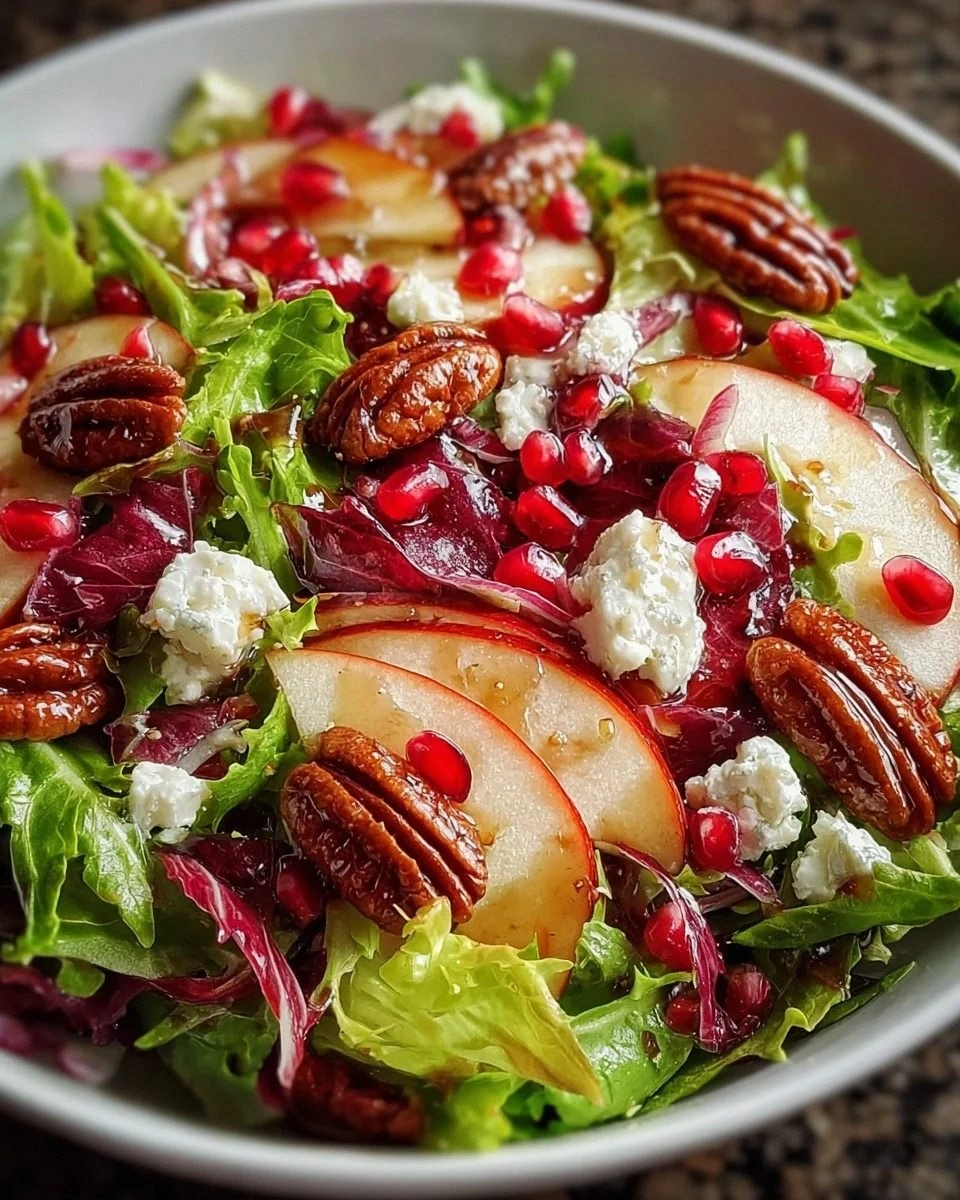
To serve, drizzle the vinaigrette over a bed of mixed greens, sliced apples, and crumbled goat cheese. Toss gently so every leaf is lightly coated. The dressing clings like a second skin, while the pecans provide a delightful crunch that punctuates each bite. If you’re feeling adventurous, add a handful of fresh pomegranate arils for an extra pop of color and juice.
Finally, store any leftovers in an airtight glass jar in the refrigerator. The vinaigrette will keep for up to a week, and it actually gets more flavorful after a day or two. Before each use, give it a quick shake or stir – the oil may separate, but that’s normal and easy to fix.
Kitchen Hack: Store the vinaigrette in a mason jar; the narrow neck helps keep the oil and acid layers together, reducing separation.
That's it — you did it. But hold on, I've got a few more tricks that'll take this to another level…
Insider Tricks for Flawless Results
The Temperature Rule Nobody Follows
Never whisk a cold oil into a hot acid; the temperature shock will break the emulsion instantly. Keep both components at room temperature, or better yet, gently warm the acid mixture as we did in step one. I once tried skipping the warming step and ended up with a watery mess that looked more like salad dressing gone rogue. Trust me, a few extra seconds of gentle heat make all the difference.
Why Your Nose Knows Best
Before you add the final pinch of salt, pause and inhale the aroma. If you can smell the toasted pecans and a hint of orange, you’re on the right track. The nose is a more reliable gauge than a taste test for balancing sweet and acidic notes. I’ve learned that when the scent feels “bright,” the flavor will follow suit.
The 5‑Minute Rest That Changes Everything
Allowing the vinaigrette to rest isn’t just a suggestion; it’s a game‑changer. Those five minutes let the oil fully incorporate the molasses, creating a smoother mouthfeel. Skipping this rest is like serving a song before the chorus – you miss the emotional payoff. If you’re in a rush, at least give it a quick 30‑second pause.
Shake, Don’t Stir (When Storing)
When you refrigerate the dressing, the oil will naturally rise to the top. Instead of stirring, give the jar a vigorous shake. This re‑emulsifies the mixture instantly and prevents the need for extra whisking later. My friend tried stirring and ended up with a thin, oily layer that never fully recombined.
Double‑Duty Pecans
Use a handful of pecans not only in the vinaigrette but also as a garnish on the finished salad. This double‑dose of crunch adds texture contrast that keeps the palate interested. Plus, the visual of golden nuts sprinkled over ruby‑red arils looks Instagram‑ready.
Creative Twists and Variations
This recipe is a playground. Here are some of my favorite ways to switch things up:
Maple‑Pecan Autumn Remix
Swap the honey for pure maple syrup and add a pinch of cinnamon. The result is a warm, cozy dressing that pairs beautifully with roasted butternut squash and kale.
Spicy Pomegranate Kick
Introduce a minced jalapeño or a dash of cayenne pepper into the mustard‑honey blend. The heat amplifies the fruit’s natural tartness, perfect for a summer quinoa salad.
Herb‑Infused Elegance
Finely chop fresh mint or basil and stir it in at the end. The herbaceous note brightens the vinaigrette, making it ideal for a watermelon‑feta salad.
Vegan Friendly Version
Replace the honey with agave nectar and the goat cheese garnish with crumbled toasted tofu. The flavor profile stays intact, and the dish becomes fully plant‑based.
Grain‑Bowl Boost
Drizzle this vinaigrette over a bowl of farro, roasted carrots, and chickpeas. The nuts add crunch, while the pomegranate tang lifts the earthy grains.
Berry‑Burst Delight
Mix in a handful of fresh raspberries or sliced strawberries just before serving. The extra fruit adds a burst of juiciness that complements the pomegranate base.
Storing and Bringing It Back to Life
Fridge Storage
Transfer the vinaigrette to a clean glass jar with a tight‑fitting lid. It will keep for up to seven days. Before each use, give it a quick shake; the oil may separate, but a shake restores the emulsion instantly.
Freezer Friendly
If you’ve made a big batch, you can freeze it in ice‑cube trays for up to three months. Once frozen, pop the cubes into a zip‑top bag. Thaw in the refrigerator overnight, then whisk gently to recombine.
Best Reheating Method
When you need a warm vinaigrette (great for drizzling over roasted veggies), gently warm it in a saucepan over low heat, adding a splash of water if it looks too thick. The water creates steam that revives the texture without diluting flavor.