Picture this: it is a sweltering Tuesday night, the kind where the air-conditioner gives up and the cat refuses to leave the bathroom tile. I am standing in my kitchen in a ratty band T-shirt, hair frizzing like a demented halo, clutching a limp grocery list that simply reads “dinner—something good.” The fridge offers a single eggplant, two cherry tomatoes clinging to life, and the dregs of last week’s parsley. My stomach growls like an angry raccoon. Most people would order dumplings. I decide to roast that eggplant into submission and hope for a miracle. Spoiler: the miracle happened, and it smelled like garlic and smoked paprika having a passionate fling on a sun-drenched Cretan cliffside. By the time the timer dinged, I had eaten so many caramelized cubes straight off the tray that I had to confess to an empty living room, “I’ll be honest — I ate half the batch before anyone else got to try it.” If you have ever stared at an eggplant and thought “meh,” I dare you to taste this and not go back for thirds. Let me walk you through every single step—by the end, you will wonder how you ever roasted eggplant any other way.
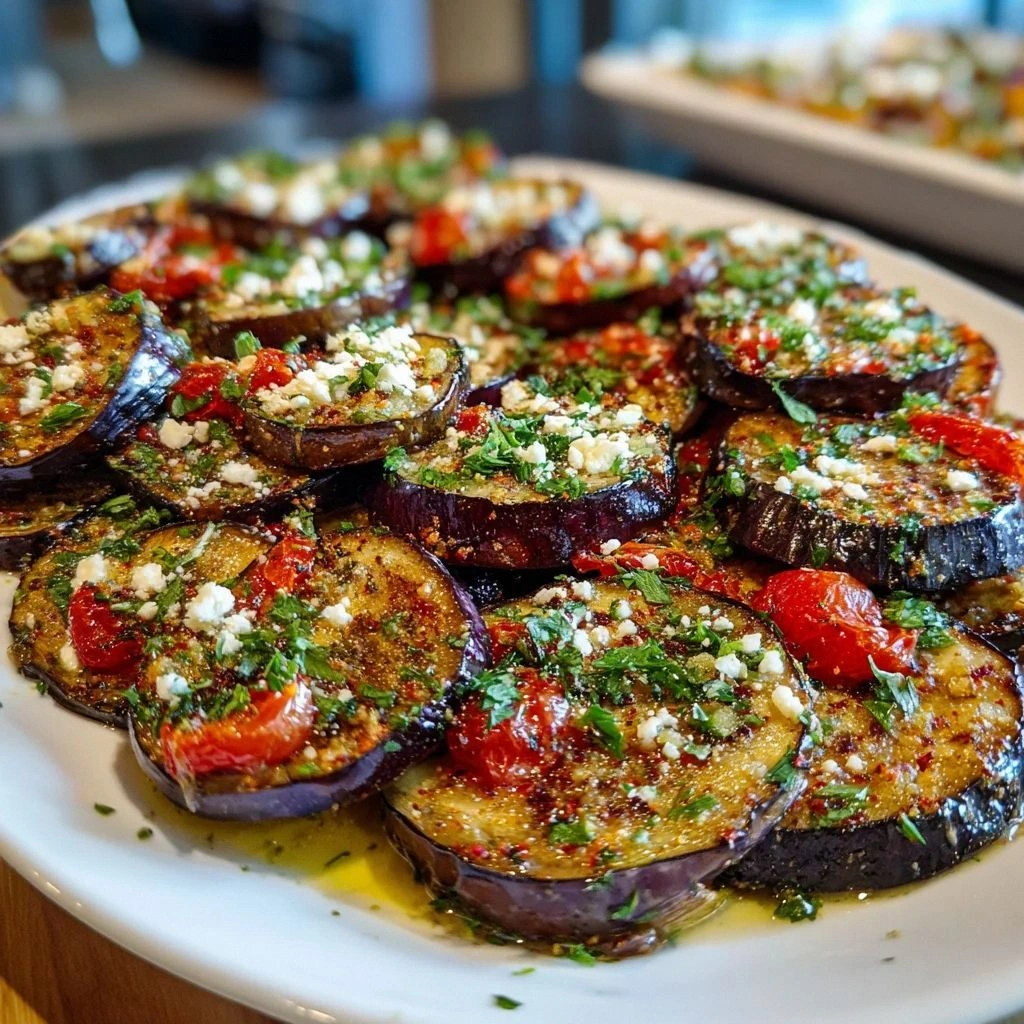
The first bite is a revelation: the edges blister into mahogany frills that shatter like thin ice, while the interior slumps into velvety, olive-oil-slicked silk. Smoked paprika wraps itself around each cube like a silk scarf, oregano murmurs earthy nothings, and garlic practically sings falsetto. Cherry tomatoes burst into sweet-tart confetti, while a crumble of feta (if you are riding the dairy train) melts into creamy little clouds. The whole thing smells so intoxicating that my neighbor knocked to ask if I was running an illegal trattoria. I told him it was just dinner and slipped him a forkful—he now texts me every Tuesday at six like a eggplant-roasting alarm clock.
Most recipes get this completely wrong. They tell you to cube, toss, and shove the tray into the oven like a suitcase into an overhead bin. That is how you end with rubbery, oil-slicked sponge pieces that taste like regret. The game-changer is a two-step heat punch: start low to coax out moisture, then blast high for the Maillard fireworks. Stay with me here—this is worth it. We are also going to salt aggressively, season boldly, and finish with a flurry of fresh herbs so bright they practically need sunglasses. Picture yourself pulling this out of the oven, the whole kitchen smelling like a taverna on the Amalfi coast, and your phone already buzzing because someone caught the aroma through the open window. Ready? Good. Aprons on, people.
What Makes This Version Stand Out
Double-Heat Magic: We roast at 375°F to gently steam out bitterness, then ramp to 475°F for blistered, candy-like edges. Most recipes stay middle-of-the-road and wonder why their eggplant tastes like shoe insoles.
Paprika That Smokes: A full teaspoon of smoked paprika gives deep barbecue vibes without a grill. Sweet paprika just blushes politely; we want the stuff that arrives in leather pants.
Garlic Two-Step: Half the garlic goes in early to mellow and sweeten; the rest joins for the final five minutes so you still get that in-your-face punch. Vampire repellent and flavor boomerang in one.
Feta Optional But Encouraged: Leave it off and the dish is vegan, gluten-free, nut-free, and still outrageously satisfying. Crumble it on and you get salty, creamy little icebergs that melt on contact.
One-Pan Wonder: No bowls, no colanders, no mandolin theatrics. You salt directly on the tray, toss with your hands, and the parchment does the dishes. Less mess means more time to sip that chilled white you popped “just to deglaze your stress.”
Make-Ahead Hero: Roast a double batch on Sunday, stash in the fridge, and you have instant mezze, sandwich filler, pasta mix-in, or omelet stuffing all week. Future-you will send present-you a thank-you card.
Crowd-Pleasing Flexibility: Serve it warm as a vegetarian main, room temp on a mezze board, or cold folded into grain bowls. I have yet to meet a soul who can stop at one bite—my carnivore father-in-law calls it “steak for vegetarians” and requests it at birthdays.
Alright, let us break down exactly what goes into this masterpiece...
Inside the Ingredient List
The Flavor Base
Eggplants are the Beyoncé of this concert—without them, there is no show. Choose medium, glossy specimens that feel heavy for their size and have a tight green cap; wrinkles mean age and age means bitterness. If you have ever winced at an eggplant, it was probably an old one. We are cubing them into one-inch chunks: small enough for surface-area caramelization, large enough to stay custardy inside. Skip the giant bowling-pin ones—they are seedy and waterlogged.
Extra-virgin olive oil is the silk robe that makes everything feel rich. You need enough to coat every cube until it gleams like a Mediterranean tan, but not so much that they swim. Think glossy, not greasy. The oil conducts heat, prevents desiccation, and carries fat-soluble paprika pigments straight into the flesh. If you are still using “light” olive oil, we need to have a different conversation.
The Aroma Army
Fresh garlic is non-negotiable; pre-minced jars taste like library paste. Smash, peel, and mince it yourself—your fingertips will thank you with the perfume of an Italian holiday. Dried oregano should smell like a sun-baked mountainside; if yours has been languishing since the Clinton administration, treat yourself to a new jar. Smoked paprika is the secret handshake. It is not hot, just smoky—like the scent that clings to your sweater after a beach bonfire.
The Texture Crew
Cherry tomatoes are sweet little balloons that burst into jammy pockets. Go for taut, candy-bright orbs; anything soft and wrinkly is already halfway to sauce. They will collapse into syrupy confit, glazing the eggplant with tangy sugar. Fresh parsley is the confetti at the end—flat-leaf, not curly, because we are not running 1980s garnish games. A final scatter adds chlorophyll snap that makes the paprika sing.
The Optional but Transformative
Feta cheese brings briny, creamy tang that plays off the sweet tomatoes like a good rom-com meet-cute. Buy the kind packed in brine; the pre-crumbled stuff is dry and sad. Vegans can swap in a handful of toasted pine nuts for richness or simply revel in the veg-forward glory. Salt and pepper are the directors of this film—without them, even Meryl Streep looks bland. Season assertively at every stage; roasting concentrates flavors, including blandness.
Everything prepped? Good. Let us get into the real action...
The Method — Step by Step
- Preheat your oven to 375°F (190°C) and place a sheet of parchment on a rimmed baking sheet. The parchment is not laziness—it is insurance against the sugary tomato juices that will weld themselves to metal like teenage love. While the oven wakes up, slice your eggplants into 1-inch cubes, keeping the skin on; it turns into tender purple ribbons, not bitter plastic. Drop the cubes into a colander, shower them with a tablespoon of kosher salt, and toss like you are turning a salad at a cooking show. Let them sit for ten minutes; this draws out the excess moisture that can make eggplant taste like an old sponge.
- Spread the salted cubes on a clean kitchen towel, top with another towel, and press gently. You are not trying to pulp them—just wick away surface water so they roast, not steam. Transfer to the parchment-lined tray, drizzle with three tablespoons of olive oil, and use your hands to massage until every cube looks slick and happy. That sizzle when it hits the pan? Absolute perfection waiting to happen.
- Now shower the eggplant with smoked paprika, dried oregano, and a few cracks of black pepper. Save the salt for later; the early salting already seasoned the interior. Toss again, then arrange the cubes cut-side down for maximum browning real estate. Crowding equals steaming, so if your tray looks Times-Square-on- New-Year’s, grab a second pan.
- Slide the tray onto the middle rack and roast for twenty minutes. The kitchen will start to smell like a Mediterranean grandma’s hug. Resist the urge to open the door every two minutes; consistent heat is the fairy godmother here. At the twenty-minute mark, the eggplant should look slightly deflated and golden underneath—time for the game-changer.
- Meanwhile, halve your cherry tomatoes and mince the garlic. This next part? Pure magic. Crank the oven up to 475°F (245°C). Scatter the tomatoes and half the garlic over the eggplant, drizzle with another tablespoon of oil, and give everything a confident flip with a spatula. Return the tray to the oven for ten to twelve minutes, until the tomatoes blister and slump into sweet-tart jam. Watch closely; tomatoes go from sultry to charcoal faster than a TikTok trend.
- During the last five minutes, sprinkle the remaining garlic on top. This two-timing technique gives you mellow, roasted depth plus a perky raw punch that screams fresh. When the timer dings, the eggplant edges should be mahogany and curled like vintage photograph corners. Pull the tray out, shower with chopped parsley, and taste a cube. Add salt now; the surface crystals will cling like glitter.
- If you are rolling with feta, let the vegetables cool for two minutes so the cheese does not dissolve into chalky streaks. Crumble generously; you want snowy peaks against the sunset vegetables. Serve straight from the tray for rustic charm, or pile onto a platter and let the colors do the talking. Either way, stand back—forks will appear like magnets.
- And now the fun part: deglaze the pan. Splash two tablespoons of water onto the hot parchment and scrape with a spatula; those browned bits are liquid umami gold. Drizzle it over the top for a glossy finish that makes restaurant plating look amateur hour. Congratulations—you have just created a side dish that steals the entire meal’s spotlight.
That is it—you did it. But hold on, I have got a few more tricks that’ll take this to another level...
Insider Tricks for Flawless Results
The Temperature Rule Nobody Follows
Low-then-high is not a suggestion; it is law. Starting low dehydrates the cells so the high heat can caramelize, not stew. Skip straight to 475°F and you will get blackened skin with raw, cottony centers. I tested this so you do not have to; my first batch tasted like a campfire marshmallow gone wrong.
Why Your Nose Knows Best
When the garlic smells sweet rather than sharp, it is ready. Raw garlic hits you like a slap; roasted garlic whispers of caramel and nuttiness. Trust your olfactory alarm clock and pull the tray the moment the kitchen smells like garlic bread wearing a smoking jacket.
The 5-Minute Rest That Changes Everything
Let the finished vegetables rest on the counter for five minutes before serving. The juices settle, flavors meld, and feta softens into dreamy pockets. A friend tried skipping this step once—let us just say it ended with a scorched tongue and instant regret.
The Oil Upgrade
Finish with a drizzle of peppery, super-green oil right before serving. Heat kills delicate grassy notes, so this final kiss keeps the flavor alive and makes the colors glisten like they are Instagram-filtered in real life.
Creative Twists and Variations
This recipe is a playground. Here are some of my favorite ways to switch things up:
Spicy Harissa Kick
Swap the smoked paprika for a half teaspoon of harissa paste. The chili and cumin turn the dish North-African fierce. Add a squeeze of lemon at the end for sunshine brightness.
Lemon Zest & Basil
Replace oregano with fresh basil chiffonade and shower the finished dish with lemon zest. It tastes like August in a bowl and pairs shockingly well with grilled fish.
Balsamic Glaze Finish
Drizzle two teaspoons of syrupy balsamic reduction over the top just before serving. The sweet tang collides with smoky eggplant like a rom-com meet-cute.
Protein-Packed Chickpea Boost
Toss in a drained can of chickpeas during the second heat phase. They crisp into little nutty nuggets and turn the side into a vegetarian main worthy of a feast.
Caramelized Onion Swirl
Add thin half-moons of red onion with the first roast. They melt into silky ribbons that taste like French onion dip went on a Mediterranean vacation.
Mint & Pomegranate
Skip feta and shower with fresh mint and a fistful of pomegranate arils. The jewel-toned seeds pop with tart juice and make the dish look like edible stained glass.
Storing and Bringing It Back to Life
Fridge Storage
Pack cooled vegetables into an airtight container and refrigerate up to five days. Layer parchment between portions to prevent the feta from smearing everything into abstract art. The flavors deepen overnight, so leftovers make legendary desk-lunch bragging rights.
Freezer Friendly
Freeze without feta in single-serve bags for up to two months. Thaw overnight in the fridge, then reheat. Texture softens but the smoky soul stays intact—perfect for winter stews or blended into pasta sauce.
Best Reheating Method
Spread on a sheet pan, splash with a teaspoon of water, and re-roast at 400°F for eight minutes. The steam revives while the direct heat crisps. Microwaves turn it into mush; avoid at all costs unless you enjoy eggplant pudding.