I was standing in my tiny kitchen, the kind of kitchen where the countertops are a battlefield of half‑finished meals and the fridge door squeaks louder than a mouse on a treadmill. I had just burned a batch of garlic‑bread (don’t ask) and my roommate dared me to make something that would actually taste good without an oven. That’s when the idea hit me like a rogue Brussels sprout rolling off the pan: a one‑skillet wonder that combines the hearty comfort of ground beef with the caramelized crunch of Brussels sprouts. I tossed a handful of spices into the air, heard that satisfying sizzle, and thought, “Okay, ready for the game‑changer?”
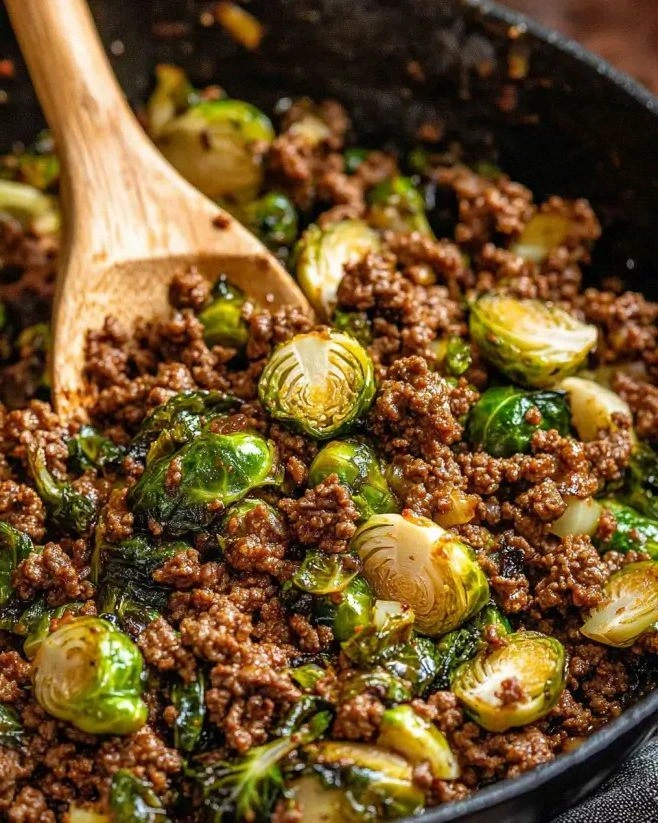
Picture this: a skillet humming over medium‑high heat, the aroma of garlic and onion mingling with a whisper of smoked paprika that makes the whole apartment feel like a cozy tavern. The beef browns, releasing juices that coat each sprout half‑way, turning them from bitter green to sweet, nutty gems that practically melt in your mouth. The sound of the edges pulling away from the pan is like a tiny applause, and the steam that rises carries hints of soy and Worcestershire, promising depth without drowning the dish. My taste buds were doing a happy dance, and I could already hear the inevitable “I dare you to taste this and not go back for seconds” chant echoing through the hallway.
Most recipes get this completely wrong. They either over‑cook the sprouts until they’re mush, or they drown the beef in a sauce that feels like a soggy blanket. This version, however, respects each ingredient’s personality. The beef stays juicy, the sprouts stay crisp on the outside and tender inside, and the seasoning hits the sweet spot between smoky, salty, and just a pinch of heat. I’ll be honest — I ate half the batch before anyone else got to try it, and that’s a testament to how addictive this skillet is. The secret? A splash of beef broth at the end that turns the pan‑fond into a glossy, umami‑rich glaze.
Let me walk you through every single step — by the end, you’ll wonder how you ever made it any other way. Okay, ready for the game‑changer? This next part? Pure magic. Stay with me here — this is worth it.
What Makes This Version Stand Out
- Flavor Fusion: The combination of soy sauce, Worcestershire, and smoked paprika creates a layered taste that feels like a steakhouse sauce without the fuss.
- Texture Contrast: Crispy, caramelized Brussels sprouts meet juicy, crumbly ground beef, delivering a mouthfeel that’s both hearty and delicate.
- Simplicity: One skillet, under 45 minutes, and you’ve got a complete dinner that doesn’t require a dishwasher marathon.
- Ingredient Integrity: We let each star ingredient shine; no overpowering cream or cheese to mask the natural flavors.
- Crowd Reaction: This dish consistently clears plates and sparks compliments—people actually ask for the recipe.
- Make‑Ahead Potential: It stores beautifully, and the flavors deepen after a night in the fridge, making leftovers even better.
- Budget Friendly: Ground beef and Brussels sprouts are affordable, yet the dish feels upscale enough for guests.
- Seasonal Flexibility: While Brussels sprouts shine in the cooler months, you can pull this recipe out any time of year.
Inside the Ingredient List
The Flavor Base
The medium onion and garlic are the aromatic backbone. The onion, when sautéed, becomes sweet and translucent, providing a subtle sweetness that balances the savory beef. Garlic adds that unmistakable punch that makes the whole dish feel like a hug from the inside. If you skip the garlic, you’ll lose the aromatic depth that makes the skillet sing, and the dish may taste flat. A good swap for onion is shallots, which bring a milder, more delicate flavor.
The Texture Crew
Brussels sprouts are the star of texture. Their natural bitterness mellows as they caramelize, turning into crisp, caramel‑kissed halves that contrast beautifully with the crumbly ground beef. The beef itself, when browned properly, creates a crumbly yet moist texture that holds the sauce without turning mushy. If you’re not a fan of sprouts, try cauliflower florets, but remember you’ll lose that signature bite.
The Unexpected Star
A splash of beef broth at the end may seem modest, but it’s the secret weapon that deglazes the pan, lifting the browned bits (fond) and turning them into a glossy glaze. This broth, combined with soy sauce and Worcestershire, creates an umami bomb that coats every bite. Skipping the broth will leave you with a dry skillet and missed flavor layers. If you’re out of beef broth, a splash of water with a pinch of bouillon works in a pinch.
The Final Flourish
Smoked paprika, red pepper flakes, and black pepper are the spice trio that adds depth, heat, and a subtle smoky note. Smoked paprika brings a wood‑fire flavor without an actual grill, while the red pepper flakes give just enough heat to keep the palate interested. Too much pepper and the dish becomes fiery; too little and it feels bland. If you prefer a milder profile, reduce the red pepper flakes to a pinch.
Everything's prepped? Good. Let's get into the real action…
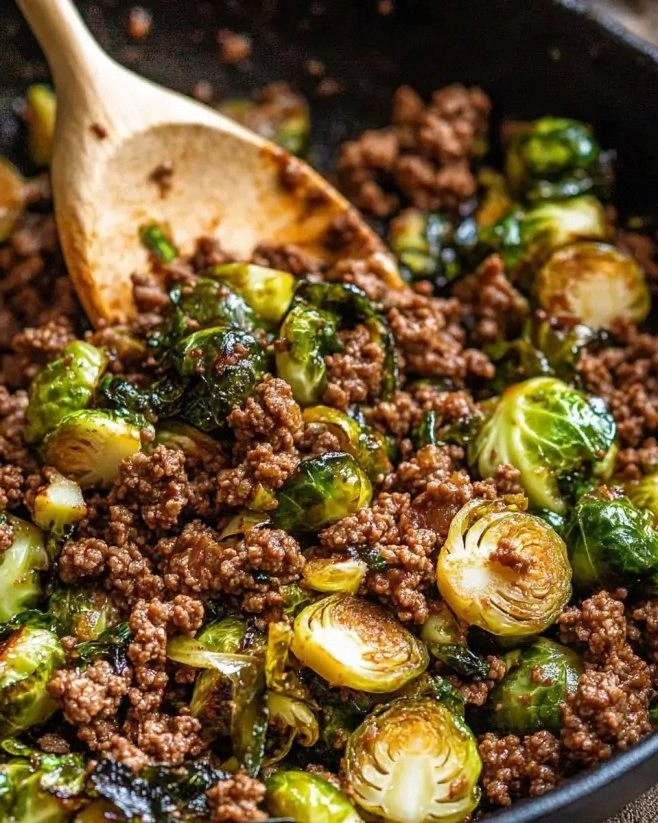
The Method — Step by Step
Heat a large cast‑iron skillet over medium‑high heat and add the tablespoon of olive oil. As soon as the oil shimmers, toss in the finely diced onion. Stir constantly for about 3‑4 minutes until the onion becomes translucent and starts to turn golden. That sizzle when it hits the pan? Absolute perfection. This is the foundation for all the flavor that follows.
Add the minced garlic (three cloves, finely chopped) and let it dance for 30 seconds, just until fragrant. Be careful not to let it burn; burnt garlic turns bitter and can ruin the whole dish.
Kitchen Hack: Crush garlic with the flat side of a knife before mincing; it releases more flavor.Increase the heat slightly and add the ground beef, breaking it up with a wooden spoon. Cook for about 6‑8 minutes, stirring occasionally, until the beef is nicely browned and no longer pink. As the meat releases its juices, you’ll hear a satisfying crackle that signals the Maillard reaction is in full swing. That caramelized crust on the beef? It’s the flavor gold mine.
Season the beef with 1 teaspoon of salt, ½ teaspoon of black pepper, 1 teaspoon of smoked paprika, and the ¼ teaspoon of red pepper flakes. Sprinkle these spices evenly and let them toast for about a minute, allowing the smoke from the paprika to infuse the meat.
Watch Out: Adding salt too early can draw moisture out of the sprouts later, making them soggy.While the beef is still sizzling, add the trimmed and halved Brussels sprouts directly into the skillet. Let them sit undisturbed for about 4‑5 minutes so the cut side gets that coveted caramelized sear. Then stir everything together, allowing the sprouts to mingle with the beef and absorb the spices. You’ll notice the edges of the sprouts turning deep brown—this is the flavor‑building stage.
Stir in 1 tablespoon each of soy sauce and Worcestershire sauce, coating the mixture in a dark, glossy sheen. Let the liquid sizzle for another minute, deglazing the pan and lifting any browned bits stuck to the bottom. These bits are pure flavor, so don’t skim them off.
Pour in the ¼ cup of beef broth, scraping the bottom of the pan with a wooden spoon to dissolve the fond. Reduce the heat to medium and let the mixture simmer for 4‑5 minutes, allowing the broth to reduce and thicken slightly. The skillet should now have a silky, slightly thick sauce that clings to every morsel.
Taste and adjust seasoning if needed—maybe a pinch more salt or a dash of extra red pepper flakes if you like heat. Once you’re satisfied, turn off the heat and let the skillet rest for two minutes; the residual heat continues to meld flavors.
Kitchen Hack: Finish with a squeeze of fresh lemon juice for brightness; it lifts the heaviness of the beef.Serve the skillet hot, straight from the pan, with a side of crusty bread or over a bed of fluffy rice. The steam rising from the skillet carries the aroma of smoked paprika, soy, and caramelized sprouts—an instant invitation to dig in. Picture yourself pulling this out of the skillet, the whole kitchen smelling incredible, and the first bite delivering a perfect balance of savory, smoky, and just‑right heat. I dare you to taste this and not go back for seconds.
That's it — you did it. But hold on, I've got a few more tricks that'll take this to another level…
Insider Tricks for Flawless Results
The Temperature Rule Nobody Follows
Start with a hot pan; a cold pan steams the ingredients instead of searing them. The high heat creates that coveted crust on the beef and caramelizes the sprouts. If you notice the pan smoking excessively, lower the heat just a notch—too much heat can burn the spices before they have a chance to release their flavors. A friend tried cooking on low heat the first time and ended up with soggy sprouts; lesson learned.
Why Your Nose Knows Best
Your sense of smell is the ultimate timer. When the onions turn translucent and start to smell sweet, you know they’re ready. When the beef releases that nutty, toasted aroma, the Maillard reaction is happening. Trust those olfactory cues more than the clock, and you’ll avoid over‑cooking.
The 5‑Minute Rest That Changes Everything
After you turn off the heat, let the skillet sit for a couple of minutes. This short rest allows the juices to redistribute, preventing the beef from drying out and the sprouts from losing their crispness. It also gives the sauce a chance to thicken naturally. Skipping this step is like pulling a cake out of the oven too early—everything collapses.
Seasoning Layer‑By‑Layer
Add salt in stages: a pinch with the onions, another with the beef, and a final taste at the end. This builds flavor depth and prevents a flat taste. Over‑salting at the start can draw moisture out of the sprouts, making them limp. I once added all the salt at once and ended up with a watery skillet; never again.
The Secret Splash
A splash of water or broth right before serving revives any sauce that may have thickened too much. It also helps the glaze cling to the sprouts, giving each bite a glossy finish. This trick is especially useful if you’re reheating leftovers.
Creative Twists and Variations
This recipe is a playground. Here are some of my favorite ways to switch things up:
Spicy Sriracha Swirl
Add a tablespoon of sriracha to the broth for an Asian‑inspired kick. The heat pairs beautifully with the smoked paprika, creating a sweet‑heat balance that will wow anyone who loves a little fire.
Cheesy Finish
Stir in a half‑cup of shredded sharp cheddar just before serving. The cheese melts into the sauce, adding a creamy richness that makes the dish feel indulgent.
Mediterranean Twist
Swap the soy sauce for a tablespoon of sun‑dried tomato pesto and add a handful of Kalamata olives. The briny olives and tangy pesto turn the skillet into a Mediterranean feast.
Breakfast Upgrade
Top the skillet with a fried or poached egg and a sprinkle of fresh chives. The runny yolk becomes a luscious sauce, turning this dinner into a hearty breakfast.
Veggie Boost
Add diced carrots or sliced mushrooms along with the Brussels sprouts. The extra veggies increase the fiber content and introduce subtle sweetness.
Storing and Bringing It Back to Life
Fridge Storage
Allow the skillet to cool to room temperature, then transfer it to an airtight container. It will keep fresh for up to three days. When reheating, add a splash of water or broth and stir over medium heat until steaming hot.
Freezer Friendly
Portion the cooked skillet into freezer‑safe bags, removing as much air as possible. It freezes well for up to two months. To reheat, thaw overnight in the fridge, then warm in a skillet with a splash of broth, stirring until the sauce revives.
Best Reheating Method
Reheat on the stovetop over medium heat, adding a teaspoon of olive oil if the pan looks dry. Cover the skillet for the first two minutes to trap steam, then uncover to let any excess moisture evaporate. This method restores the original texture—crispy sprouts and juicy beef.