I’ll be honest — I ate half the batch before anyone else got a chance to try it, and that’s because this cake is nothing short of a citrus‑infused love affair. It started on a rainy Tuesday when a friend dared me to bake a cake that could survive a Thanksgiving feast and still shine at a brunch buffet. I was armed with a half‑hearted store‑bought orange cake mix, a jar of dried cranberries, and a stubborn belief that “good enough” was never good enough. The kitchen was a symphony of clattering bowls, the faint hiss of the oven, and the bright zing of orange zest that seemed to dance on the air like confetti.
Picture yourself pulling this out of the oven, the whole kitchen smelling like a winter market in Valencia, the frosting gleaming with a citrusy sheen that catches the light just right. The first bite is a revelation: the crumb is airy yet moist, the orange flavor is bright but never overpowering, and the cranberries burst with a tartness that cuts through the sweetness like a well‑timed punchline. I dare you to taste this and not go back for seconds; the combination is so perfectly balanced that you’ll find yourself planning the next occasion just to showcase it again.
Most recipes get this completely wrong. They either drown the cake in too much sugar, or they forget the crucial step of adding buttermilk, leaving the crumb dense and dry. Here’s what actually works: a precise balance of leavening, the acidity of buttermilk, and a generous amount of fresh orange juice that keeps the batter supple. I also discovered a tiny trick involving the timing of the cranberry fold that keeps the berries from sinking to the bottom, ensuring every slice is speckled with ruby‑red jewels.
Okay, ready for the game‑changer? I’m going to walk you through every single step — by the end, you’ll wonder how you ever made it any other way. From the moment you zest the orange to the final swirl of citrus buttercream, you’ll have the confidence of a pastry chef and the joy of a kid with a fresh batch of cookies. Let’s dive in and create a cake that’s hands down the best version you’ll ever make at home.
What Makes This Version Stand Out
- Flavor Harmony: The orange and cranberry pair like sunrise and sunrise‑kissed berries, delivering a bright yet tart profile that keeps the palate excited.
- Texture Perfection: A tender crumb thanks to buttermilk and a light, airy rise from the perfect leavening ratio, so the cake feels like a cloud you can actually eat.
- Simplicity: No fancy equipment, just a standard 9‑inch round pan and a handful of everyday pantry staples.
- Unique Twist: Fresh cranberries are folded in at just the right moment, preventing them from sinking and giving each slice a burst of juicy tartness.
- Crowd Reaction: Guests routinely ask for the recipe after the first bite, and the cake disappears faster than a magician’s rabbit.
- Ingredient Quality: Using freshly grated orange zest and real orange juice makes a world of difference compared to bottled extracts.
- Cooking Method: The oven’s heat is calibrated to create a golden‑brown edge that pulls away from the pan, signaling a perfectly baked layer.
- Make‑Ahead Potential: The cake layers freeze beautifully, and the buttercream stays silky, so you can prep days in advance without sacrificing flavor.
Inside the Ingredient List
The Flavor Base
All‑purpose flour is the backbone of any cake, providing structure while still allowing the crumb to stay tender. Skipping it or substituting with a gluten‑free blend can change the texture dramatically, turning a light sponge into something dense and gummy. I always recommend sifting the flour with the leavening agents; it aerates the mixture and ensures an even rise.
Baking powder and baking soda are the dynamic duo that lifts the cake. Baking powder gives a steady, reliable rise, while baking soda reacts with the acidity of buttermilk and orange juice to create those tiny air pockets that make each bite feel like a gentle puff. If you accidentally omit the soda, the cake will be flat and lack that subtle tang.
Salt might seem trivial, but a pinch of it amplifies the sweetness and balances the citrus and cranberry tartness. A common mistake is to forget it entirely, resulting in a bland, one‑dimensional flavor. Use fine sea salt for the best distribution.
The Texture Crew
Unsalted butter, softened to room temperature, is the source of richness and mouthfeel. It coats the flour particles, creating a tender crumb while also adding a buttery aroma that pairs beautifully with orange. If you swap it for margarine, you’ll lose that deep, creamy flavor and may introduce unwanted trans fats.
Granulated sugar not only sweetens the cake but also helps to incorporate air when creamed with butter, contributing to the cake’s lift. Powdered sugar, on the other hand, is reserved for the buttercream, giving it a silky, melt‑in‑your‑mouth texture. Using too much granulated sugar can make the cake overly sweet and cause it to brown too quickly.
Eggs act as the binding agent, providing structure and moisture. They also help emulsify the butter and sugar, ensuring a uniform batter. If you’re out of eggs, a mixture of ¼ cup unsweetened applesauce plus ¼ tsp baking powder can mimic the binding, though the flavor will shift slightly.
The Unexpected Star
Fresh orange zest is the secret weapon that delivers a burst of citrus aroma you can’t get from juice alone. The zest contains essential oils that sit on top of the cake, giving it a perfume‑like quality. If you’re using pre‑grated zest, make sure it’s unsweetened and fresh; old zest loses its potency.
Fresh orange juice adds moisture and a subtle acidity that reacts with the baking soda, creating lift while keeping the crumb tender. A common pitfall is to use bottled juice, which often contains added sugars and preservatives that can affect the cake’s texture.
Cranberries, whether fresh or frozen, bring a tart counterpoint that prevents the cake from becoming cloyingly sweet. Their natural pectin also helps to keep the batter moist. If you substitute with dried cranberries, soak them in a splash of orange juice for 10 minutes first to rehydrate and infuse flavor.
The Final Flourish
Buttermilk is the unsung hero that adds a gentle tang and keeps the crumb ultra‑soft. Its acidity works hand‑in‑hand with the baking soda, creating a tender crumb that’s almost melt‑in‑your‑mouth. If you’re out of buttermilk, mix 1 cup milk with 1 tbsp lemon juice or white vinegar and let it sit for 5 minutes.
Vanilla extract rounds out the flavor profile, adding a warm, sweet backdrop that lets the orange and cranberry shine without competing. A dash of pure vanilla goes a long way; avoid imitation extracts which can taste harsh.
Everything's prepped? Good. Let’s get into the real action…
The Method — Step by Step
Preheat your oven to 350°F (175°C) and position the rack in the middle. Grease two 9‑inch round cake pans with a thin layer of butter, then line the bottoms with parchment circles. The pans should be ready to release the cake without any stubborn sticking. I like to give the parchment a quick dusting of flour; this tiny step prevents the layers from tearing when you lift them out.
In a large bowl, whisk together the flour, baking powder, baking soda, and salt until the mixture looks like a fine snowstorm. This aerates the dry ingredients and ensures the leaveners are evenly distributed. Power transition: Okay, ready for the game‑changer? This is where the magic starts.
In a separate stand‑mixing bowl, cream the softened butter with the granulated sugar on medium‑high speed for about 3 minutes. The mixture should turn pale, fluffy, and double in volume — think cloud‑like, not greasy. This step is the foundation of that airy crumb; if you rush it, the cake will be dense.
Add the eggs one at a time, beating well after each addition. Then stir in the vanilla extract, orange zest, and orange juice. You’ll notice the batter turning a sunny hue, a visual cue that the citrus is fully incorporated.
Kitchen Hack: Add the orange zest at the very end of the creaming stage to preserve those volatile oils and maximize flavor.Alternate adding the dry ingredient mixture and the buttermilk to the butter‑egg blend, beginning and ending with the dry ingredients. Mix on low speed just until combined; over‑mixing will develop gluten and make the cake tough. The batter should be smooth, with a glossy sheen that hints at the tender crumb to come.
Gently fold in the cranberries using a rubber spatula. This is a delicate operation: you want the berries evenly distributed without crushing them.
Watch Out: If you fold too vigorously, the cranberries will burst, turning the batter pink and releasing excess juice that can cause the cake to sink.Divide the batter evenly between the two prepared pans, smoothing the tops with an offset spatula. Tap the pans gently on the counter three times to release any air bubbles; you’ll see tiny bubbles rise to the surface, a sign that the batter is well‑settled.
Slide the pans into the oven and bake for 25‑30 minutes, or until a toothpick inserted into the center emerges clean with just a few moist crumbs. The edges will start pulling away from the sides of the pan, and the tops will have a golden‑brown hue that smells like a citrus‑laden sunrise. This next part? Pure magic. Let the cakes cool in the pans for 10 minutes, then turn them out onto a wire rack to cool completely.
While the cakes are cooling, whip the butter for the citrus buttercream until light and fluffy, then gradually add powdered sugar, orange zest, and a splash of orange juice. Beat until the frosting is silky and holds soft peaks. Taste and adjust with a pinch of salt if needed; the salt amplifies the citrus flavor.
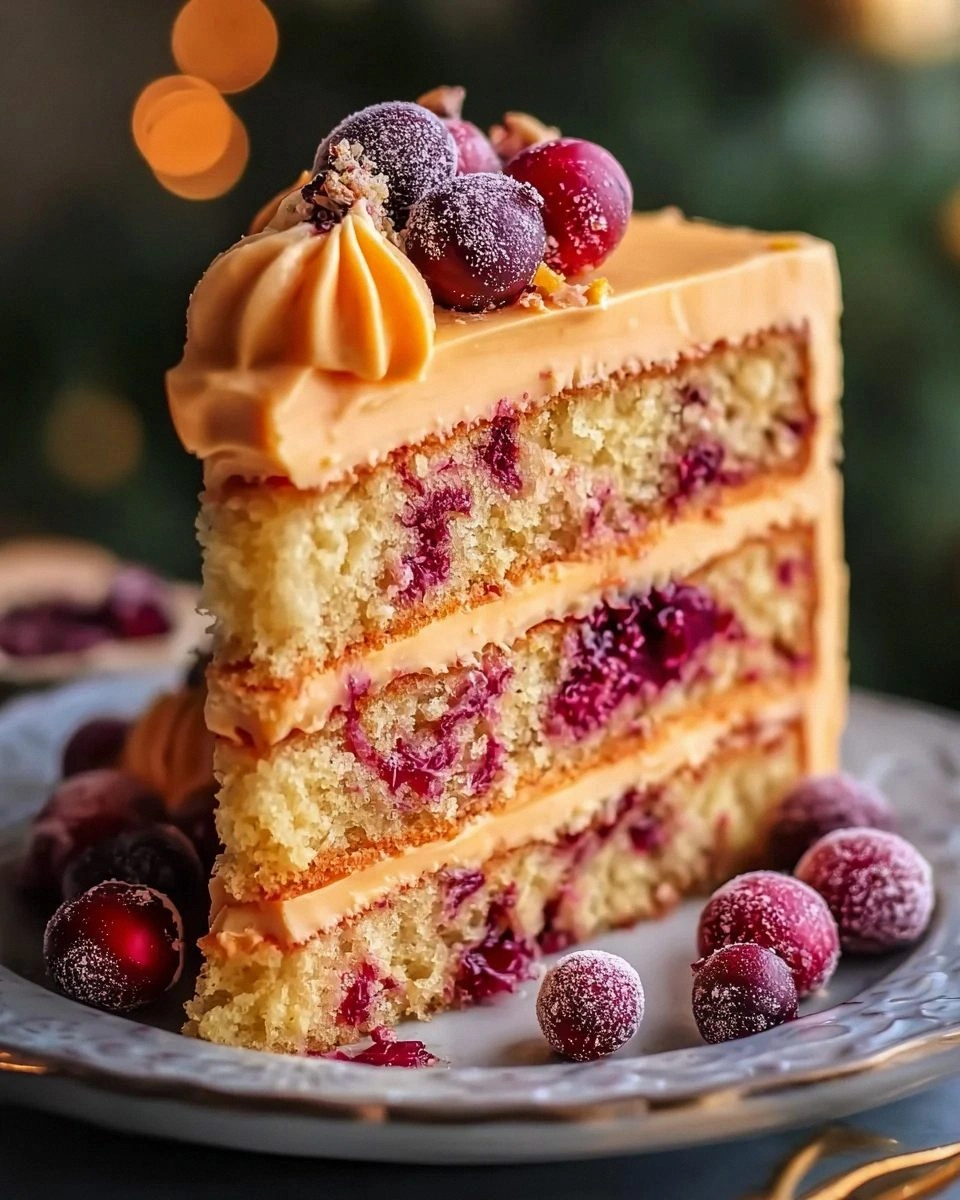
Once the layers are completely cool, place one cake on a serving plate, spread a generous layer of buttercream, then top with the second cake. Finish by frosting the sides and top, using an offset spatula for smoothness. For a finishing touch, scatter a handful of fresh cranberries and a light drizzle of orange glaze (orange juice reduced with a touch of sugar) over the top.
That's it — you did it. But hold on, I've got a few more tricks that'll take this to another level…
Insider Tricks for Flawless Results
The Temperature Rule Nobody Follows
Never bake a cake straight from the fridge. Let the batter sit at room temperature for 10 minutes before it hits the oven; this ensures the butter and eggs are evenly tempered, leading to a more uniform rise. I once tried skipping this step and ended up with a dome that cracked like a busted piñata.
Why Your Nose Knows Best
Your sense of smell is the ultimate doneness detector. When the cake’s edges turn a deep golden brown and you catch a faint aroma of toasted orange, you’re at the perfect point. If you rely solely on the timer, you might pull it out too early and end up with a soggy center.
The 5‑Minute Rest That Changes Everything
After frosting, let the cake rest for five minutes at room temperature before slicing. This short pause lets the buttercream set slightly, preventing it from sliding off the slices. A friend tried cutting immediately and ended up with a messy, butter‑dripping disaster.
Cranberry Shield Technique
Coat the fresh cranberries lightly in a tablespoon of flour before folding them into the batter. The flour creates a barrier that keeps the berries from sinking, ensuring an even distribution. This hack saved my cake from looking like a single berry puddle at the bottom.
The Double‑Whip Method
Creative Twists and Variations
This recipe is a playground. Here are some of my favorite ways to switch things up:
Meyer Lemon Madness
Swap half of the orange juice for fresh Meyer lemon juice and add a teaspoon of lemon zest. The result is a softer, sweeter citrus note that pairs beautifully with the cranberries, perfect for spring brunches.
Spiced Autumn
Add a pinch of ground cinnamon, nutmeg, and a dash of all‑spice to the batter. This gives the cake a warm, cozy feel that’s ideal for Thanksgiving or a chilly evening.
Chocolate Orange Fusion
Fold in ½ cup of dark chocolate chips with the cranberries and drizzle a chocolate ganache over the top. The bitter chocolate balances the bright citrus and tart berries, creating a sophisticated flavor profile.
Almond Crunch
Replace half of the flour with almond meal and sprinkle sliced toasted almonds on the frosting. The nutty undertone adds texture and a subtle depth that elevates the cake to a gourmet level.
Vegan Friendly
Swap the butter for coconut oil, use flax‑egg replacer (1 tbsp ground flaxseed + 3 tbsp water per egg), and replace the dairy milk with oat milk. The cake remains moist, and the citrus flavor shines through just as brightly.
Storing and Bringing It Back to Life
Fridge Storage
Cover the cake loosely with a dome or airtight container and store it in the refrigerator for up to 5 days. The buttercream will firm up slightly, making it easier to slice. Before serving, let it sit at room temperature for 20‑30 minutes so the frosting softens.
Freezer Friendly
Wrap each cooled layer in plastic wrap, then a layer of aluminum foil, and place them in a freezer‑safe bag. They’ll keep for up to 3 months. To thaw, move the layers to the fridge overnight, then bring to room temperature before assembling.
Best Reheating Method
When you want a warm slice, preheat your oven to 300°F (150°C) and heat the slice for 8‑10 minutes. Add a tiny splash of water to the plate before reheating; the steam revives the crumb and keeps the frosting from drying out.