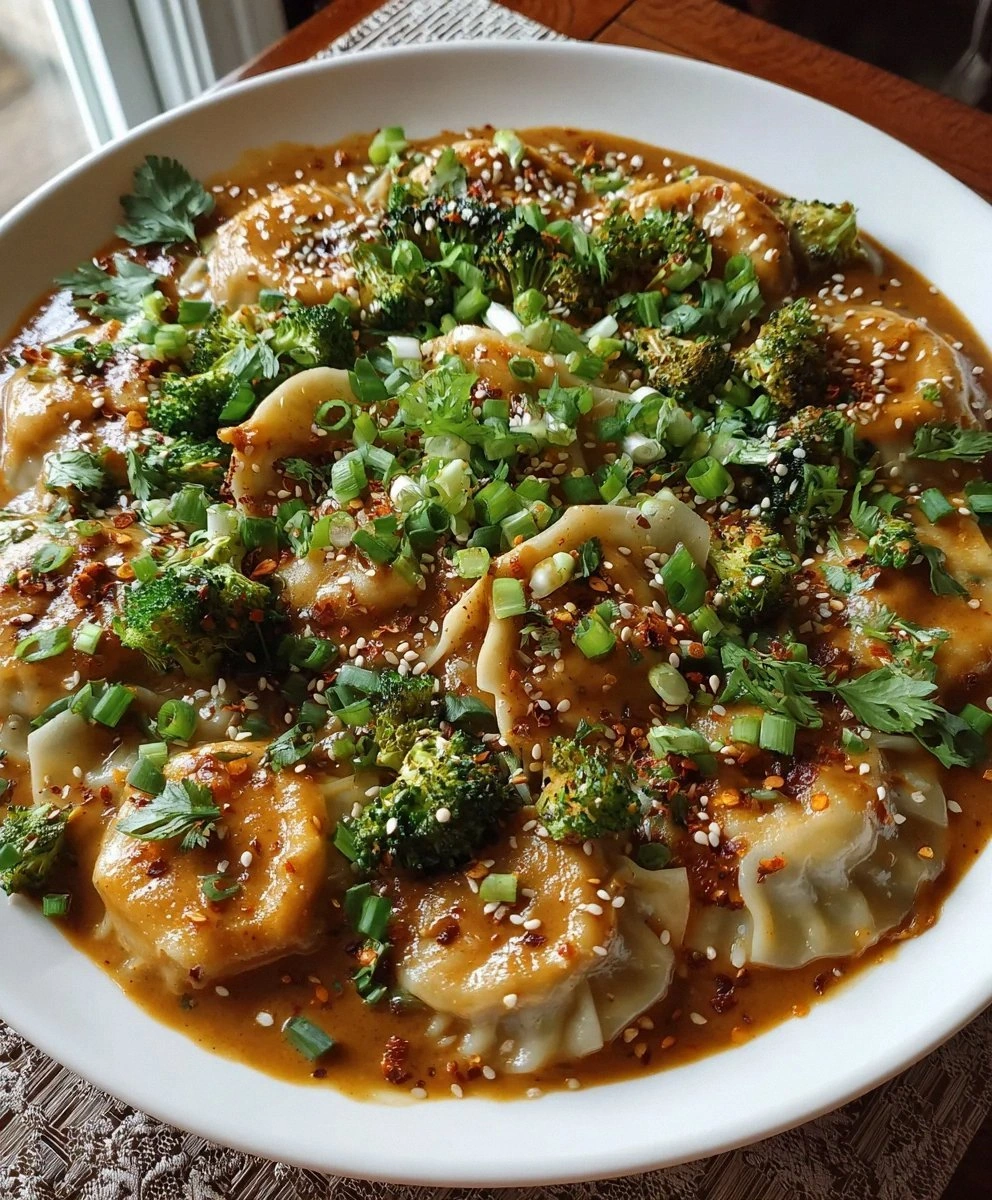
I’ll be honest — I ate half the batch before anyone else got to try it, and that’s because this Pineapple and Coconut Cake is hands down the best version you’ll ever make at home. It started as a kitchen disaster when I accidentally swapped coconut milk for regular milk in a basic vanilla cake, and the result was a soggy mess that smelled like a tropical storm gone wrong. I stared at that pale, limp batter and thought, “Okay, I dare you to taste this and not go back for seconds.” That moment sparked a relentless quest for the perfect balance of sweet, tangy pineapple and buttery coconut, and after countless trials, I finally nailed a recipe that sings louder than a steel drum band on a beach at sunrise.
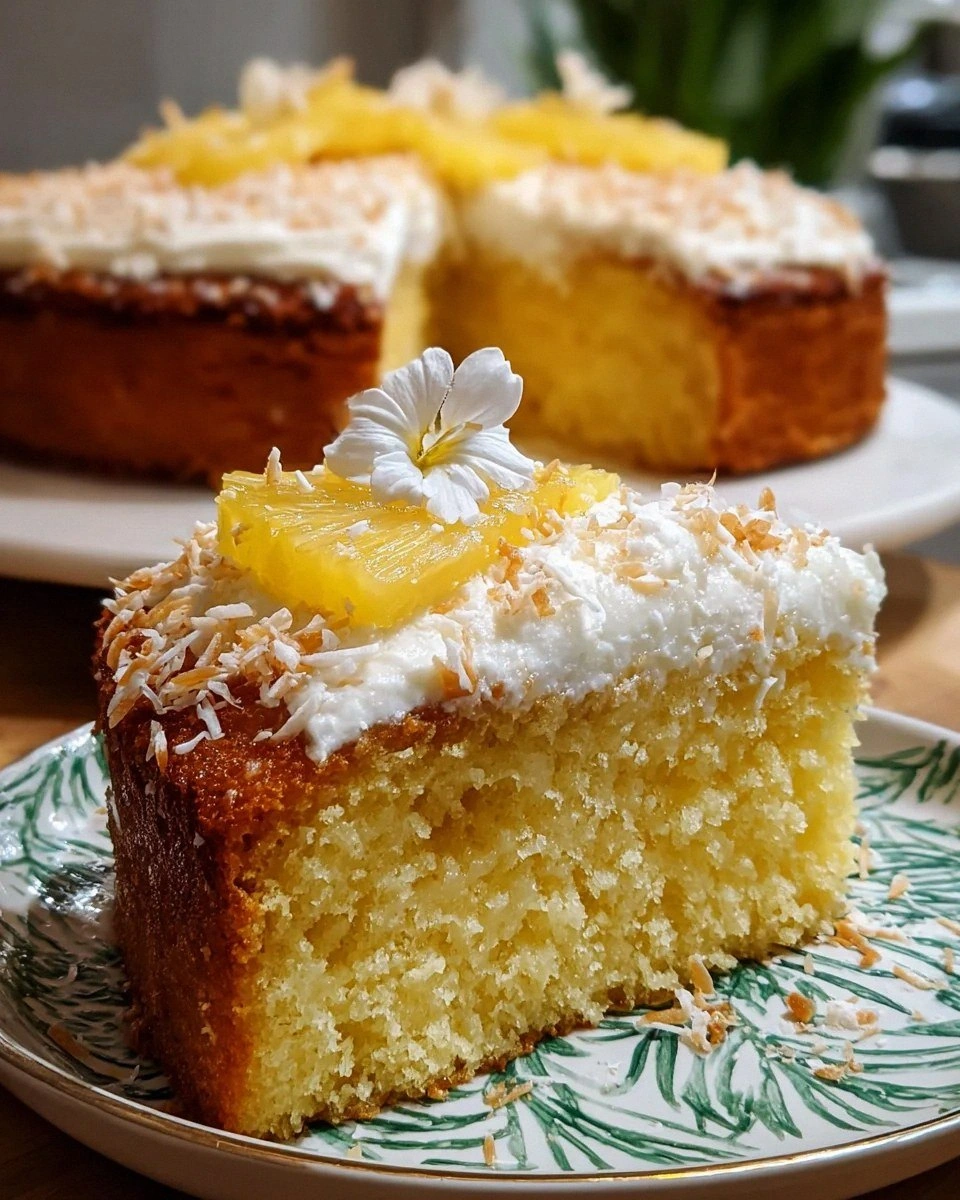
Picture yourself pulling this out of the oven, the whole kitchen smelling incredible, like a luau meets a bakery. The top is a golden‑brown crown dusted with toasted coconut that crackles under the fork, while the interior is a moist, tender crumb that practically melts in your mouth. Every bite delivers a burst of pineapple sunshine, a whisper of coconut cream, and a subtle vanilla hug that makes you feel like you’ve been wrapped in a tropical blanket. Most recipes get this completely wrong – they either drown the cake in pineapple juice or forget the coconut entirely – but this one embraces both ingredients with reverence.
What truly sets this cake apart is a secret technique: I fold the crushed pineapple into the batter just before it hits the oven, preserving those juicy pockets of fruit that burst open like fireworks when you bite into them. And there’s a game‑changer in the frosting – a silky cream cheese base blended with butter and powdered sugar, then swirled with toasted coconut for that perfect crunchy finish. The result? A cake that’s both airy and dense, sweet and tangy, and undeniably unforgettable.
Let me walk you through every single step — by the end, you’ll wonder how you ever made it any other way. Stay with me here — this is worth it. I’m about to spill the beans (and the coconut milk) on everything from ingredient selection to the exact moment you know the cake is done. Ready? Let’s dive in.
What Makes This Version Stand Out
- Taste: The pineapple provides a bright, citrusy zing that cuts through the richness of the butter and cream cheese, while the coconut adds a buttery, nutty depth that lingers on the palate.
- Texture: A tender, almost melt‑in‑your‑mouth crumb meets a crunchy toasted coconut topping, creating a delightful contrast that keeps every forkful interesting.
- Simplicity: Despite its gourmet vibe, the ingredient list is pantry‑friendly and the steps are straightforward enough for a novice baker.
- Uniqueness: Folding the pineapple at the last minute locks in juicy pockets, a trick most recipes miss, resulting in bursts of tropical flavor.
- Crowd Reaction: This cake has a built‑in “wow” factor – guests will rave, ask for seconds, and probably beg for the recipe before the first slice even hits the plate.
- Ingredient Quality: Using real shredded coconut and fresh crushed pineapple (not canned juice) elevates the flavor from “good” to “legendary.”
- Cooking Method: Baking in a single 9‑inch round ensures even heat distribution, while the final broil gives the top a caramelized finish.
- Make‑Ahead Potential: The cake freezes beautifully, and the frosting can be whipped up ahead of time, so you’re ready for any surprise celebration.
Inside the Ingredient List
The Flavor Base
All‑purpose flour – This forms the backbone of your cake, giving it structure. Using a high‑quality, unbleached flour ensures a tender crumb without a metallic aftertaste. If you skip it, the cake collapses like a deflated beach ball.
Baking powder – A trusty leavening agent that helps your cake rise. Pair it with baking soda for that perfect lift; too much and you’ll get a bitter, metallic taste.
Baking soda – Adds extra fluffiness and balances acidity from the pineapple. Without it, the cake would be dense and heavy, like a brick.
Salt – Just a pinch enhances the sweetness of your cake. It’s the silent hero that makes all other flavors pop.
The Moisture Crew
Unsalted butter – Use softened butter for that creamy texture; it adds richness. If you substitute with margarine, you’ll lose that buttery depth and get a waxy mouthfeel.
Granulated sugar – Sweetens the cake and encourages browning for a beautiful finish. Brown sugar would add a caramel note but could muddy the tropical profile.
Large eggs – They bind the ingredients together and create a moist crumb. Fresh eggs are key; older eggs can make the cake crumbly.
Vanilla extract – Offers warmth and depth to the flavor profile. Real vanilla bean specks are optional but add a luxurious touch.
Coconut extract – Enhances the tropical vibes of the cake. A little goes a long way – too much can become overpowering.
Coconut milk – Adds a luscious richness; you can substitute with almond or soy milk if needed. Choose the canned variety for maximum creaminess.
The Unexpected Star
Crushed pineapple – Sweet and juicy, this will keep your cake moist; make sure to drain it well! If you use fresh pineapple, you’ll get a brighter flavor, but canned works fine and is more convenient.
Shredded coconut – Mix in the batter and sprinkle on top for a lovely texture. Toasted coconut adds a toasty crunch that elevates the entire cake.
The Final Flourish
Cream cheese – For the frosting, it creates a smooth, tangy base that balances the sweetness.
Unsalted butter (frosting) – Adds silkiness and helps the frosting set.
Powdered sugar – Gives the frosting its sweet, airy texture.
Toasted shredded coconut – Use as a decorative topping for a gorgeous finish. Toasting brings out a nutty aroma that pairs perfectly with pineapple.
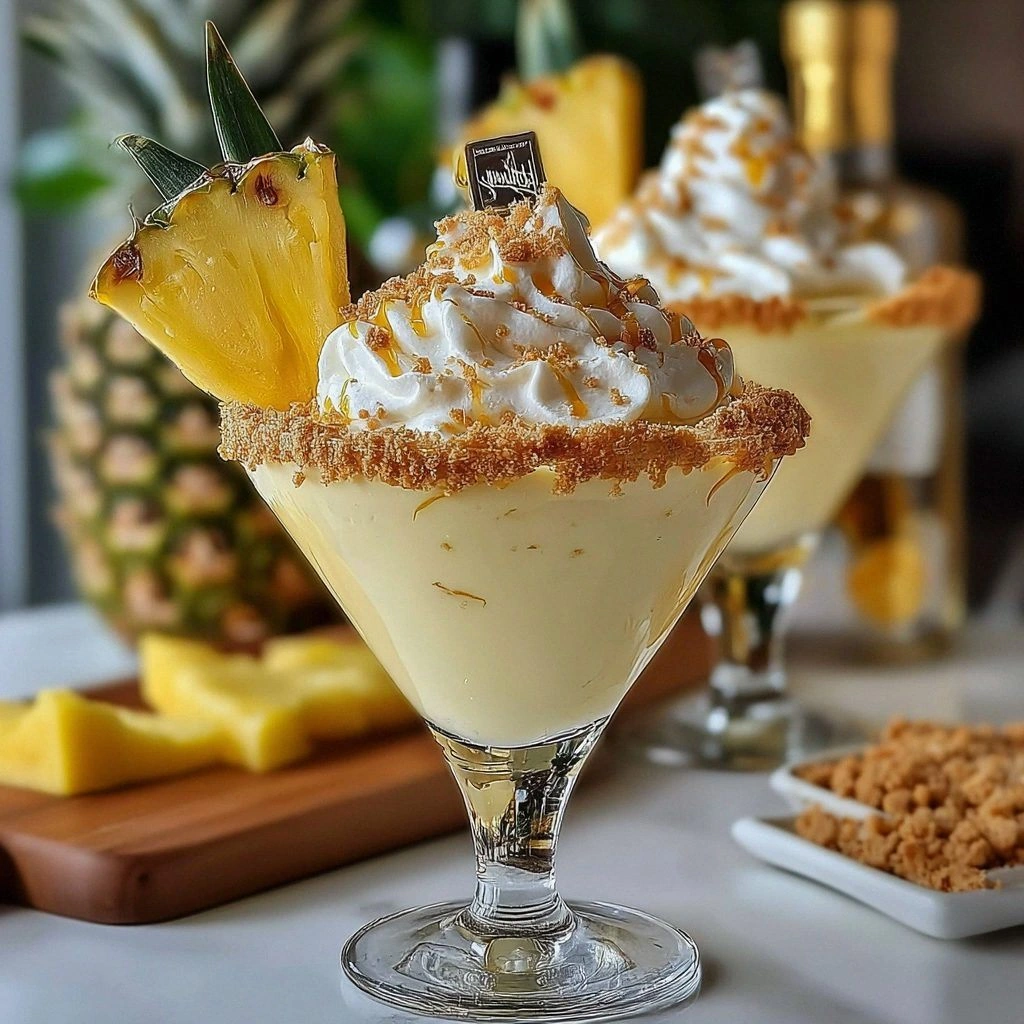
Pineapple slices – These can be used for garnish or to add a touch of elegance. Arrange them in a fan on top for a picture‑perfect presentation.
Everything's prepped? Good. Let’s get into the real action…
The Method — Step by Step
- Preheat and prep – Set your oven to 350°F (175°C) and place a rack in the middle. Grease a 9‑inch round cake pan with butter, then line the bottom with parchment paper. This double‑layered greasing prevents any sticky situations later. I like to give the pan a light dusting of flour and tap out the excess – it creates a non‑stick barrier that’s pure magic.
- Mix dry ingredients – In a large bowl whisk together 2 cups flour, 2 tsp baking powder, 1 tsp baking soda, and 1/2 tsp salt. Whisking aerates the flour, ensuring a light crumb. If you see any lumps, break them up with a fork; lumps are the enemy of a uniform rise.
- Cream butter and sugar – Using a stand mixer on medium speed, beat 1 cup softened unsalted butter with 1½ cups granulated sugar until the mixture is pale, fluffy, and smells like a bakery. This step incorporates air, which is the secret to that airy texture we’re after. Kitchen Hack: Add a splash of coconut milk while creaming; it helps the butter emulsify and creates a richer mouthfeel.
- Incorporate eggs and extracts – Add 4 large eggs one at a time, beating well after each addition. Then stir in 2 tsp vanilla extract and 1 tsp coconut extract. The batter should look glossy and thick. If it looks curdled, keep beating – the emulsification will smooth it out.
- Combine wet and dry – Gradually add the dry mixture to the wet, alternating with 1 cup coconut milk, beginning and ending with the flour. Mix until just combined; over‑mixing will develop gluten and make the cake tough. You’ll notice the batter turning a light golden hue – that’s the sign you’re on the right track.
- Fold in pineapple and coconut – Gently fold 1 cup drained crushed pineapple (coated in a teaspoon of flour) and 1 cup shredded coconut into the batter. The batter should be speckled with golden pineapple chunks. Watch Out: Over‑folding will crush the pineapple pieces, turning them into mush and releasing excess juice that can make the cake soggy.
- Transfer and top – Pour the batter into the prepared pan, smoothing the top with a spatula. Sprinkle an additional ½ cup toasted shredded coconut over the surface for that crunchy crown. This step is the visual climax – the coconut will toast in the oven, creating a caramelized crust.
- Bake – Slide the pan into the oven and bake for 30‑35 minutes, or until a toothpick inserted near the center comes out clean with just a few moist crumbs. The edges should start pulling away from the pan, a clear sign that the cake is set. If you’re nervous, rotate the pan halfway through for even browning.
- Cool and frost – Let the cake cool in the pan for 10 minutes, then turn out onto a wire rack to cool completely. While it cools, beat together 8 oz cream cheese, ¼ cup softened butter, and 2 cups powdered sugar until light and fluffy. Fold in ½ cup toasted shredded coconut, then spread the frosting over the cooled cake. Garnish with pineapple slices arranged in a decorative fan. That final flourish? Pure magic.
Insider Tricks for Flawless Results
The Temperature Rule Nobody Follows
Never bake a cake straight from the fridge. Let your batter sit at room temperature for 10‑15 minutes before it hits the oven. This small pause allows the butter to soften a touch more, ensuring an even rise. I once baked a chilled batter and ended up with a dome that looked like a volcano – not the look I was aiming for.
Why Your Nose Knows Best
When the cake is about 20 minutes in, lean in and sniff. You should catch a sweet, caramelizing aroma with hints of coconut. If you don’t smell anything, the oven temperature is likely off, and you may need to increase the heat by 10‑15°F. Trust your nose more than the timer.
The 5‑Minute Rest That Changes Everything
After removing the cake from the oven, let it rest in the pan for exactly five minutes before turning it out. This short rest lets the steam finish the cooking process gently, preventing a dry crumb. I once skipped this step and the cake cracked on the sides, ruining the presentation.
Frosting Temperature Trick
Make sure the cream cheese and butter are at the same temperature before mixing. If one is colder, the frosting will seize and become grainy. A quick 5‑minute sit in a warm (but turned off) oven does the trick.
The Toasted Coconut Secret
Toast shredded coconut on a dry skillet over medium heat, stirring constantly, until it turns golden brown and releases a nutty perfume. This process only takes 3‑4 minutes, but it transforms the coconut from bland to brilliant.
Creative Twists and Variations
This recipe is a playground. Here are some of my favorite ways to switch things up:
Mango‑Marble Delight
Swap half of the crushed pineapple for finely diced mango. The mango adds a buttery, honey‑like sweetness that pairs beautifully with coconut. Garnish with thin mango ribbons for a tropical rainbow.
Rum‑Soaked Celebration
Add a tablespoon of dark rum to the coconut milk and brush the baked layers with a rum‑pineapple glaze before frosting. The alcohol deepens the flavor and gives the cake a festive, island‑vacation vibe.
Vegan Coconut Dream
Replace butter with coconut oil, use a plant‑based cream cheese alternative, and swap eggs for flax “eggs” (2 tbsp ground flax + 6 tbsp water). The result is a dairy‑free cake that still boasts that rich, tropical mouthfeel.
Chocolate‑Coconut Fusion
Stir ¼ cup cocoa powder into the dry ingredients and fold in mini chocolate chips with the pineapple. The bittersweet chocolate contrasts the bright pineapple, creating a sophisticated flavor duet.
Spiced Holiday Version
Add a pinch of ground cinnamon, nutmeg, and clove to the batter for a warm, holiday‑ready twist. Top with candied pineapple slices for a festive presentation.
Storing and Bringing It Back to Life
Fridge Storage
Cover the cake loosely with plastic wrap and store in the refrigerator for up to 4 days. The frosting stays creamy, and the cake retains moisture. Before serving, let it sit at room temperature for 20 minutes to soften the frosting.
Freezer Friendly
Wrap the cooled, unfrosted cake tightly in foil, then place it in a freezer‑safe bag. It will keep for up to 3 months. When you’re ready, thaw overnight in the fridge, then bring to room temperature and frost as usual.
Best Reheating Method
To revive a slice, preheat your oven to 300°F (150°C), place the slice on a baking sheet, and add a tiny splash of water or coconut milk to the edge. Cover loosely with foil and heat for 8‑10 minutes. The added moisture steams the crumb back to perfection without drying it out.