I’ll never forget the day my aunt’s fruit cake turned into a brick‑like disaster that could have doubled as a doorstop. I was watching her wrestle with a dry, crumbly slab that refused to give even a whisper of aroma, and I thought, “There’s got to be a better way.” That moment sparked a kitchen‑wide quest that lasted weeks, involving endless experiments, a few tears, and a lot of tasting (I dare you to taste this and not go back for seconds). The result? A fruit cake so moist it practically sighs when you slice into it, and a flavor profile that makes every holiday memory feel brand new.
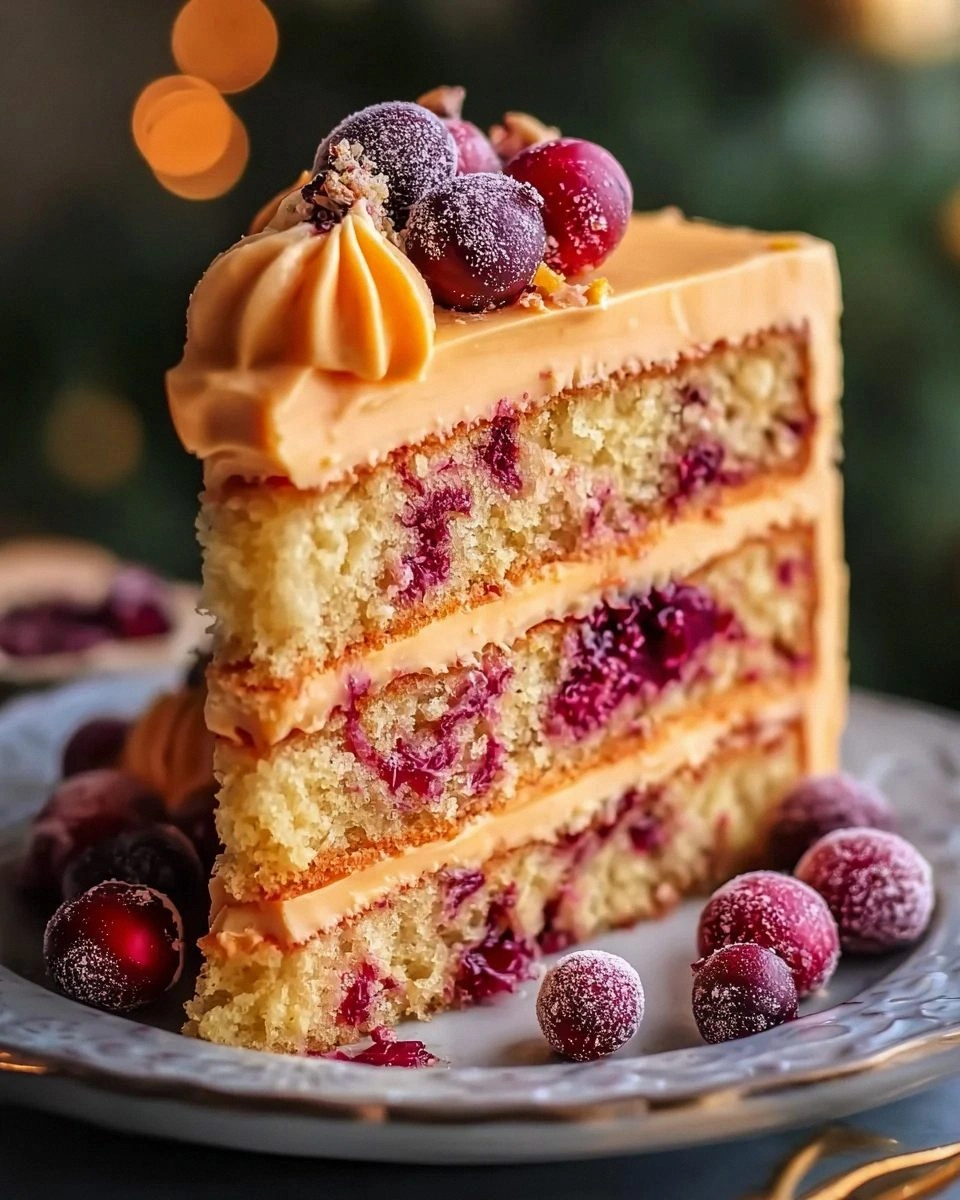
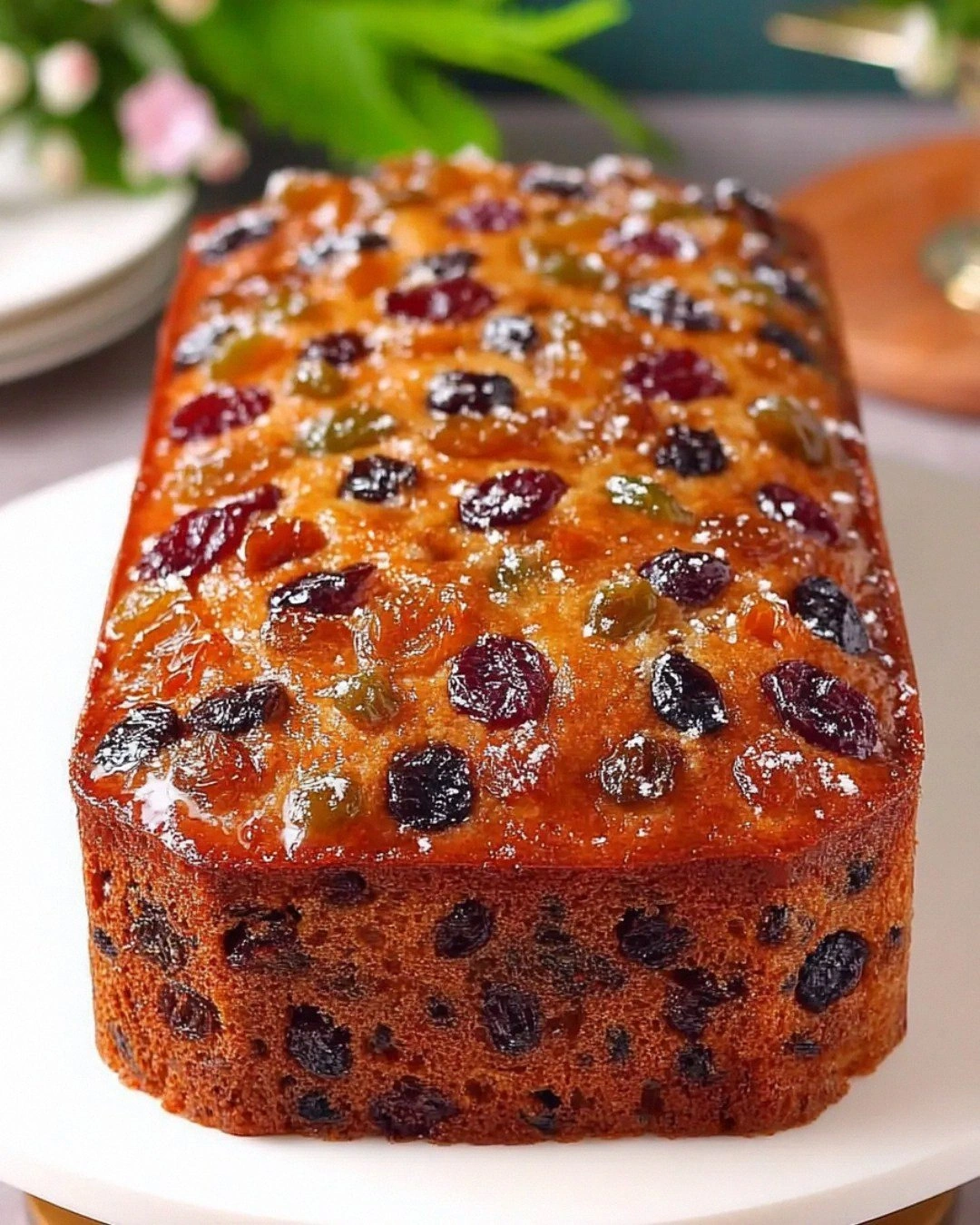
Picture this: the oven door swings open and a warm, honey‑kissed cloud of spice wafts through the room, wrapping you like a cozy blanket. You hear the faint crackle of caramelizing sugar, see the golden‑brown crown of the cake glistening with a glossy glaze, and feel the soft, buttery crumb yielding under the fork. The taste? A symphony of sweet dried fruits, a whisper of brandy, and a gentle crunch of toasted nuts that dance together like old friends at a reunion. Every bite delivers that perfect balance between dense richness and feather‑light moisture, a texture that’s neither soggy nor dry but just right—like a well‑kept secret.
Most fruit cake recipes get this completely wrong. They either drown the cake in liquid, resulting in a soggy mess, or they bake it too long, turning it into a dry brick. What makes this version stand out is a simple, science‑backed technique: we soak the dried fruit in a spiced brandy‑infusion overnight, then fold it into a batter that’s been carefully aerated with room‑temperature butter and eggs. The secret weapon? A splash of milk‑and‑buttermilk blend that keeps the crumb tender and the flavors locked in, while a modest amount of baking powder gives the cake a subtle lift without compromising its classic density.
I’ll be honest — I ate half the batch before anyone else got to try it, and that’s because the first slice was pure, unadulterated joy. The next day, the leftovers tasted even better, as the flavors deepened and the cake stayed moist thanks to the natural sugars in the fruit. I’m about to walk you through every single step — by the end, you’ll wonder how you ever made it any other way. Okay, ready for the game‑changer?
What Makes This Version Stand Out
- Moisture Mastery: The overnight soak in spiced brandy ensures each fruit piece is plump, infusing the cake with a subtle boozy warmth that never overpowers.
- Texture Tango: A blend of butter, milk, and a dash of buttermilk creates a crumb that’s tender yet sturdy enough to hold all those juicy fruits.
- Simplicity First: Despite the impressive results, the ingredient list is straightforward, using pantry staples and a few quality extras.
- Unique Flavor Boost: A pinch of ground cloves and a splash of orange zest add a surprise pop that elevates the traditional spice blend.
- Crowd‑Pleaser Factor: This cake has become the go‑to centerpiece at every family gathering, with guests constantly asking for the recipe.
- Ingredient Quality: Using unsalted butter and real dried fruit (no syrups) makes the difference between a bakery‑level cake and a store‑bought copy.
- Cooking Method Magic: The low‑and‑slow bake at 325°F keeps the interior from drying out while achieving a beautifully caramelized crust.
- Make‑Ahead Potential: The cake actually improves after 24‑48 hours, making it perfect for planning ahead for holidays or celebrations.
Inside the Ingredient List
The Flavor Base
All-purpose flour forms the structural backbone of the cake, providing just enough gluten to hold the fruit and nuts together without turning the crumb tough. If you substitute cake flour, the cake will be lighter but may lack that satisfying bite we love. Opt for a high‑quality, unbleached flour for the best flavor. Swap tip: For a gluten‑free version, use a 1‑to‑1 gluten‑free flour blend, but add a tablespoon of xanthan gum to mimic the elasticity of gluten.
Butter: The butter should be softened, not melted, to trap air when creamed with the sugars. This creates a light, airy batter that expands during baking. Using salted butter will throw off the balance, so always go unsalted and add a pinch of salt yourself. Buying tip: Look for European‑style butter with a higher butterfat content (82%+) for richer flavor.
Brown Sugar & White Sugar: The combination of brown and white sugar gives depth (from molasses) and sweetness (from sucrose). Skipping the brown sugar will result in a flatter flavor profile, while using only brown sugar can make the cake overly moist and dark. If you’re cutting sugar, reduce each by a quarter and add a splash of maple syrup for moisture.
The Texture Crew
Eggs act as the primary leavening and binding agent. Room‑temperature eggs incorporate more easily, creating a smoother batter. If you substitute with applesauce for a vegan version, add an extra teaspoon of baking powder to compensate for lost lift.
Milk & Brandy (or Orange Juice): Milk adds tenderness, while a splash of brandy (or orange juice for a non‑alcoholic version) infuses the cake with a subtle warmth. The alcohol also helps break down the fruit fibers, making them softer. If you skip the brandy, increase the orange juice by a tablespoon and add a pinch of extra cinnamon.
Mixed Dried Fruit & Candied Citrus Peel: This is the heart of any fruit cake. The fruit should be plump, not shriveled, which is why we soak them overnight. If you use a canned mix, drain and pat dry first to avoid excess moisture. Fun Fact: The tradition of soaking fruit in alcohol dates back to medieval Europe, where it was a way to preserve fruit through the winter months.
The Unexpected Star
Spices (Cinnamon, Nutmeg, Cloves): These warm spices create the classic holiday aroma. Too much clove can dominate, so keep it to a quarter teaspoon. If you love a spicier kick, add a pinch of ground ginger or cardamom. The spices also act as natural preservatives, extending the cake’s shelf life.
Vanilla Extract: A splash of pure vanilla ties together the sweet and spicy notes, giving the cake a rounded finish. Avoid imitation vanilla; it can taste harsh when baked for a long time.
The Final Flourish
Nuts (Walnuts or Almonds): Toasted nuts add a satisfying crunch and a buttery undertone. If you’re allergic, replace them with toasted seeds like pumpkin or sunflower. The nuts also contribute healthy fats, making the crumb richer.
Baking Powder & Baking Soda: These leavening agents give the cake a gentle rise without making it cake‑like. Over‑mixing can cause the cake to collapse, so combine them with the dry ingredients just until incorporated.
Everything’s prepped? Good. Let’s get into the real action…
The Method — Step by Step
First, gather your dried fruit and candied peel in a large bowl. Pour over ½ cup brandy (or orange juice) and a teaspoon of orange zest, then stir to coat every piece. Cover the bowl with plastic wrap and let it sit at room temperature for at least 12 hours, preferably overnight. This soaking step is the secret that turns tough, shriveled fruit into juicy jewels that burst with flavor when baked. Watch Out: If you skip the soak, the fruit will remain dry and the cake will lose its signature moistness.
Watch Out: Do not let the fruit soak in a refrigerator; the cold will halt the infusion process.While the fruit is soaking, preheat your oven to 325°F (165°C) and line a 9‑inch round cake pan with parchment paper, then grease the sides with a thin layer of butter. This low‑and‑slow temperature ensures the interior stays moist while the outside develops a caramelized crust. Place a rack in the middle of the oven so the heat circulates evenly.
In a medium bowl, whisk together the flour, baking powder, baking soda, cinnamon, nutmeg, cloves, and salt. This step distributes the leaveners and spices evenly, preventing pockets of bitter spice. Set the dry mixture aside for now.
In a large stand mixer fitted with the paddle attachment, cream the softened butter with the brown sugar and white sugar on medium speed for about 3‑4 minutes. The mixture should turn pale, fluffy, and double in volume—this is the aeration that gives the cake its lift. Scrape down the sides with a spatula to ensure every bit of butter is incorporated.
Now add the eggs one at a time, beating well after each addition. The batter should look glossy and smooth, and the eggs should be fully emulsified, creating a ribbon‑like flow when the beaters are lifted. Kitchen Hack: If the batter looks curdled, add a tablespoon of warm milk and beat until it smooths out.
Gradually pour in the milk and the remaining brandy (or orange juice), alternating with the dry flour mixture. Begin and end with the dry ingredients, mixing on low speed just until you see no streaks of flour. Over‑mixing at this stage can develop gluten, leading to a dense, rubbery crumb—so resist the urge to over‑beat.
Fold in the soaked fruit, candied peel, toasted nuts, and vanilla extract using a rubber spatula. The fruit should be evenly distributed, with no clumps at the bottom of the bowl. This gentle folding ensures the fruit stays suspended throughout the batter, giving every slice a balanced bite.
Kitchen Hack: Toss the fruit with a tablespoon of flour before folding; this prevents them from sinking to the bottom during baking.Transfer the batter into the prepared pan, smoothing the top with the back of a spoon. Place the pan in the preheated oven and bake for 30‑35 minutes, or until a toothpick inserted into the center comes out clean and the edges start pulling away from the pan. Around the 20‑minute mark, rotate the pan 180° to ensure even browning.
When the cake is done, turn off the oven, crack the door open just a crack, and let the cake sit inside for another 10 minutes. This gentle residual heat prevents a sudden temperature shock that could cause the cake to collapse. Then, remove the cake from the pan, place it on a cooling rack, and let it cool completely before glazing or serving.
That’s it — you did it. But hold on, I’ve got a few more tricks that’ll take this to another level. The next sections will show you how to tweak texture, boost flavor, and store the cake so it stays perfect for weeks.
Insider Tricks for Flawless Results
The Temperature Rule Nobody Follows
Always bring your butter, eggs, and milk to room temperature before mixing. Cold ingredients cause the butter to seize, leading to a lumpy batter and uneven crumb. I once tried to speed things up by using straight‑from‑the‑fridge butter, and the result was a cake with pockets of dense, gritty texture. Letting everything sit for 30 minutes on the counter solves this problem and gives you a smoother batter.
Why Your Nose Knows Best
When the cake is in the oven, trust the aroma as your guide. Around the 25‑minute mark you’ll start to smell caramelized sugar and toasted spices—that’s your cue that the cake is nearing perfection. If you rely solely on the timer, you might over‑bake and lose that coveted moist interior.
The 5‑Minute Rest That Changes Everything
Once the cake has cooled on the rack, let it rest for at least five minutes before slicing. This short pause lets the juices redistribute, preventing the crumb from drying out the moment you cut into it. I once sliced a hot cake and watched the interior slump like a deflated balloon—lesson learned.
Glaze Like a Pro
For an extra shine, brush the warm cake with a simple glaze made from powdered sugar, a splash of brandy, and a few drops of lemon juice. The glaze sets as the cake cools, creating a glossy finish that looks as good as it tastes. If you want a boozy glaze, double the brandy and add a pinch of cinnamon.
The Secret of the Overnight Rest
Wrap the cooled cake tightly in parchment paper, then a layer of foil, and store it in an airtight container for 24‑48 hours. The flavors meld, and the cake becomes even more tender. I’ve found that a cake that’s rested for two days tastes like it’s been lovingly tended to by a pastry chef.
Creative Twists and Variations
This recipe is a playground. Here are some of my favorite ways to switch things up:
Tropical Sunrise
Swap the mixed dried fruit for dried pineapple, mango, and coconut flakes, and replace the brandy with rum. Add a pinch of toasted coconut on top before baking for extra crunch. This version transports you straight to a beachside brunch.
Chocolate‑Covered Delight
Fold in ½ cup of mini chocolate chips with the fruit, and drizzle a dark chocolate glaze over the cooled cake. The bitterness of the chocolate balances the sweetness of the fruit, creating a sophisticated flavor pairing.
Nut‑Free Celebration
Omit the walnuts and almonds, and increase the dried fruit by ¼ cup. Add toasted sunflower seeds for a subtle nut‑like texture without the allergens. This version is perfect for guests with nut sensitivities.
Spiced Orange Zest
Add an extra tablespoon of orange zest and a dash of cardamom to the spice blend. The citrus brightens the flavor, making the cake feel lighter while still retaining its richness.
Vegan Velvet
Replace butter with coconut oil, use flax‑egg replacer (1 tbsp ground flaxseed + 3 tbsp water per egg), and swap milk for almond milk. Add a tablespoon of apple cider vinegar to react with the baking soda for lift. The result is a plant‑based cake that still feels indulgent.
Storing and Bringing It Back to Life
Fridge Storage
Wrap the cooled cake tightly in parchment paper, then a layer of foil, and place it in an airtight container. Store it in the refrigerator for up to one week. The cool environment keeps the moisture locked in, and the flavors continue to develop.
Freezer Friendly
For longer storage, slice the cake into 1‑inch thick wedges, wrap each wedge individually in plastic wrap, then a foil sheet, and freeze. The cake will keep for up to three months. When you’re ready to serve, let a slice thaw at room temperature for 30 minutes, then give it a quick microwave burst (10 seconds) to revive the softness.
Best Reheating Method
To bring the cake back to life, preheat your oven to 300°F (150°C), place the whole cake (still wrapped in foil) on a baking sheet, and heat for 10‑12 minutes. Add a tiny splash of water (about a tablespoon) to the foil before sealing; the steam will re‑moisturize the crumb, making each bite feel freshly baked.