I was halfway through my third failed attempt at making chicken parmesan when the smoke alarm started singing its familiar tune. My kitchen looked like a crime scene — flour on the ceiling, sauce splattered across the backsplash, and a chicken breast that resembled a charcoal briquette more than dinner. That's when it hit me: why was I trying to force this beautiful dish into the same old routine? Why not take everything we love about chicken parmesan — the crispy coating, the melty cheese, that tangy marinara — and wrap it around pasta instead? What happened next was nothing short of culinary magic, and I've been perfecting this Chicken Parmesan Pasta ever since.
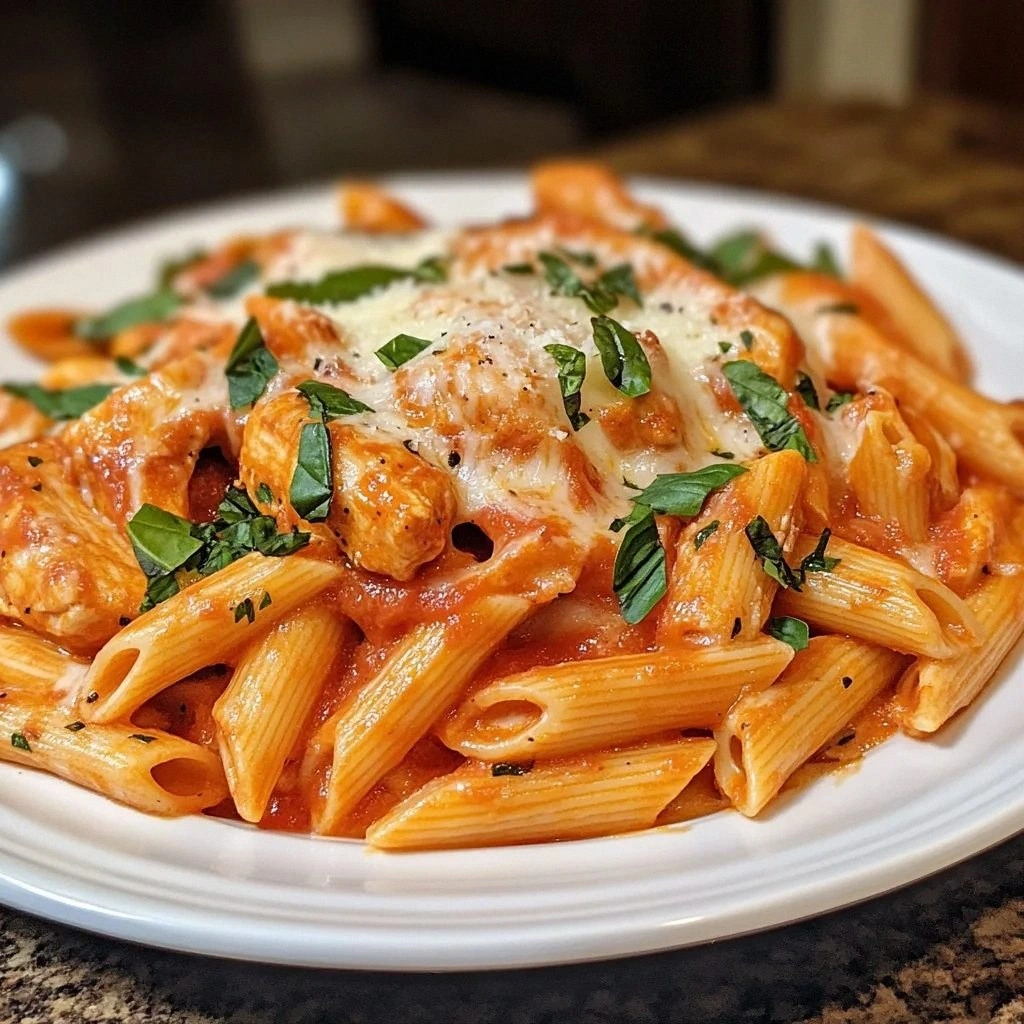
Picture this: tender chicken pieces nestled among al dente pasta, each noodle coated in a sauce that's basically liquid gold. The cheese doesn't just sit on top like a boring blanket — it weaves itself through every bite, creating those Instagram-worthy cheese pulls that make your followers weep with envy. And the breadcrumbs? Oh, the breadcrumbs. We're not just sprinkling them on top like an afterthought. We're toasting them to crispy perfection and folding them right into the mix, so you get that satisfying crunch in every forkful. This isn't just dinner — it's a full-on sensory experience that'll have you questioning why you ever bothered with the traditional version.
The first time I served this to my family, they went suspiciously quiet. You know that silence? The one where everyone's too busy stuffing their faces to form words? My teenager actually looked up mid-bite and said, "Mom, this is better than restaurant food." That sizzle when the chicken hits the hot pan? Absolute perfection. The way the garlic perfumes the air when it hits the olive oil? Pure kitchen aromatherapy. And when that cheese starts melting into the sauce, creating little pockets of molten mozzarella that stretch from pan to plate? That's when you know you've achieved something special.
I'm about to share the recipe that converted my Italian-American neighbor — the one who swore her nonna's recipe was untouchable — into a believer. The secret isn't just one thing; it's a series of small, deliberate choices that add up to something extraordinary. The way we season the chicken, the order we build the sauce, even the type of pasta we choose — every decision matters. Let me walk you through every single step — by the end, you'll wonder how you ever made it any other way.
What Makes This Version Stand Out
Taste Bomb: We're not just throwing ingredients together and hoping for the best. Each component gets its moment to shine, building layers of flavor that'll make your taste buds do a happy dance. The chicken gets seasoned twice — once before cooking and once after — ensuring every bite is packed with herby, garlicky goodness that penetrates right to the center.
Texture Paradise: Forget mushy pasta swimming in sad sauce. We're creating a symphony of textures here — al dente pasta that still has bite, chicken that's crispy on the outside and juicy within, and those golden breadcrumbs that add crunch without being gritty. It's like eating a cloud wrapped in a crispy blanket, if clouds tasted like heaven.
One-Pot Wonder: Despite tasting like you spent hours slaving away, this entire dish comes together in one large skillet or Dutch oven. That means fewer dishes and more time to actually enjoy your dinner. Plus, cooking everything together means the pasta absorbs all those gorgeous chicken drippings and sauce flavors — nothing goes to waste.
Cheese Strategy: Most recipes just dump cheese on top and call it a day. We're getting strategic here — some cheese melts into the sauce for richness, some gets stirred through for those Instagram-worthy pulls, and we save a handful for that final melty crown. Three cheese applications, three different purposes, one spectacular result.
Weeknight Friendly: From fridge to table in under 45 minutes, this recipe respects your busy schedule without compromising on flavor. I've made this after work on a Tuesday when my energy was running on fumes, and it still came out restaurant-quality. The key is in the prep order — I'll show you exactly how to maximize efficiency without cutting corners.
Crowd-Pleasing Magic: I've served this to picky toddlers, skeptical teenagers, and that one friend who claims they "don't like pasta" (we all have one). They all cleaned their plates and asked for seconds. There's something about the familiar flavors of chicken parmesan reimagined in pasta form that hits everyone's comfort food buttons.
Make-Ahead Champion: While it's best fresh, this dish reheats like a dream. The flavors actually deepen overnight, making leftovers something to look forward to rather than tolerate. I'll share my exact storage and reheating method that keeps the pasta from turning into mush and the chicken from becoming rubbery.
Alright, let's break down exactly what goes into this masterpiece...
Inside the Ingredient List
The Flavor Base
Olive oil isn't just a cooking fat here — it's the foundation of flavor. We're using a generous glug of good quality extra virgin olive oil because it carries the garlic and herbs throughout the entire dish. Don't even think about reaching for that bargain bottle that's been sitting in your pantry since 2019. The oil should taste bright and peppery on its own, because if it doesn't taste good straight, it won't taste good in your food either.
Garlic gets added at two different stages for maximum impact. First, we infuse the oil with smashed garlic cloves that we'll fish out later, giving the oil a gentle garlic perfume. Then we add minced garlic toward the end for that sharp, pungent kick that makes your mouth water. This double-garlic approach ensures you get both subtle background notes and that unmistakable garlic punch that makes Italian food so addictive.
Onions might seem basic, but they're the difference between a flat sauce and one that tastes like it's been simmering for hours. We're going low and slow here, letting them caramelize until they're golden and sweet. This takes about 8-10 minutes, and trust me, it's worth every second. Those browned edges add a depth of flavor that tomato paste alone can't achieve.
The Texture Crew
Chicken breast gets a bad rap for being dry and boring, but that's only if you're cooking it wrong. We're cutting it into bite-sized pieces first — this isn't just for eating convenience. Smaller pieces mean more surface area for seasoning and browning, and they cook faster so they stay juicy. The key is starting with a very hot pan and not crowding the chicken. That sizzle when it hits the oil? That's the sound of flavor being created.
Panko breadcrumbs are our secret weapon for crunch. Unlike regular breadcrumbs, these Japanese-style crumbs are larger and flakier, creating a lighter, crispier coating that stays crunchy even when mixed with sauce. We toast them in butter until they're golden and nutty, then toss them with a little garlic powder and salt. It's like making croutons, but better because they get mixed right into the pasta.
Pasta choice matters more than you think. While you could use any shape, I strongly recommend something with ridges or curves — penne, rigatoni, or fusilli work best. These shapes grab onto the sauce and hold little pockets of cheese, ensuring every bite is perfectly balanced. Smooth pastas like spaghetti or linguine let all the good stuff slide right off, leaving you with naked noodles and a pool of sauce.
The Unexpected Star
Sun-dried tomatoes might seem like an odd addition, but hear me out. They bring an intense umami punch that amplifies the tomato flavor without making the sauce heavy. We chop them finely so they distribute throughout the dish, little bursts of concentrated tomato flavor that make people ask, "What did you put in this?" Just a small handful transforms the entire profile from good to unforgettable.
Fresh basil gets added at the very end, not cooked into the sauce. This keeps its flavor bright and aromatic instead of turning bitter and dull. Chiffonade sounds fancy, but it's just rolling the leaves into a cigar shape and slicing them into ribbons. These delicate strips wilt gently into the hot pasta, releasing their perfume right when you're ready to eat.
The Final Flourish
Parmesan cheese is non-negotiable, but not all parm is created equal. Skip the pre-grated stuff in the green can — it's often cut with cellulose and tastes like sawdust. Buy a wedge and grate it yourself. Yes, it's more expensive, but a little goes a long way, and the flavor difference is night and day. Real Parmigiano-Reggiano has those crunchy little crystals that add texture and a nutty, complex flavor that fake parm can't touch.
Mozzarella brings the stretch factor we all crave, but we're being strategic about it. Fresh mozzarella adds creaminess but can make the dish watery, so we use low-moisture mozzarella for the main melting and save the fresh stuff for the final garnish. This gives us the best of both worlds — excellent melt and rich flavor without the puddle.
Everything's prepped? Good. Let's get into the real action...
The Method — Step by Step
- Start by bringing a large pot of salted water to a boil. While you wait (because water always takes longer than we think), pat your chicken pieces completely dry with paper towels. Moisture is the enemy of browning, and we want that beautiful golden crust. Season generously with salt, pepper, and Italian seasoning — don't be shy here. Under-seasoned chicken is a tragedy we can avoid with a heavy hand and good timing.
- Heat your largest skillet or Dutch oven over medium-high heat for a full two minutes. This step is crucial — a properly heated pan prevents sticking and ensures even cooking. Add your olive oil and let it shimmer, then carefully place the chicken pieces in a single layer. They should sizzle immediately; if they don't, your pan isn't hot enough yet. Cook undisturbed for 3-4 minutes until golden, then flip and repeat. Remove to a plate — they'll finish cooking later in the sauce.
- In the same pan (don't you dare wash it — those brown bits are liquid gold), add a bit more oil if needed and toss in your smashed garlic cloves. Let them sizzle and perfume the oil for about 30 seconds, then remove and discard. Add your diced onions with a pinch of salt. This draws out moisture and helps them caramelize rather than steam. Stir occasionally, but let them develop some color. The edges should turn golden and translucent — this takes about 8 minutes, so be patient.
- While the onions work their magic, cook your pasta in the boiling water until just shy of al dente. It'll finish cooking in the sauce, so err on the side of underdone. Reserve at least a cup of that starchy pasta water before draining — it's the secret to silky sauce that clings instead of slides. Drain the pasta and toss with a little olive oil to prevent sticking while you finish the sauce.
- Add the tomato paste to your caramelized onions and cook for 2 minutes, stirring constantly. This step caramelizes the tomato paste, removing that raw, metallic taste and developing a rich, complex flavor. The color should deepen from bright red to a brick red. Add your crushed tomatoes, sun-dried tomatoes, and a splash of the pasta water. Bring to a simmer and let it bubble gently for 5 minutes, allowing the flavors to meld.
- Return the chicken to the pan along with any juices from the plate. Add the par-cooked pasta and another splash of pasta water. The sauce should look a bit loose — it'll thicken as it simmers. Toss everything together gently with tongs, making sure every noodle gets coated. Let it simmer for 2-3 minutes, adding pasta water as needed to keep things saucy rather than dry.
- In a small pan, melt the butter over medium heat and add the panko breadcrumbs. Toast, stirring frequently, until they're golden brown and smell like heaven. This takes about 4-5 minutes, and the difference between perfectly toasted and burnt happens fast, so don't walk away. Season with a pinch of salt and garlic powder, then remove from heat.
- Reduce the heat under your pasta to low and stir in half the mozzarella and half the parmesan. The cheese should melt into the sauce, creating those beautiful strings we all love. Add the fresh basil and give it one final gentle toss. The residual heat will wilt the basil perfectly without turning it black and bitter.
- Serve immediately in warmed bowls, topped with the remaining cheese and a generous sprinkle of those toasted breadcrumbs. The contrast of hot, saucy pasta with cool, fresh mozzarella and crispy crumbs is what dreams are made of. Garnish with extra basil and watch as your dinner companions' eyes light up with the first bite.
That's it — you did it. But hold on, I've got a few more tricks that'll take this to another level...
Insider Tricks for Flawless Results
The Temperature Rule Nobody Follows
Here's the thing about cooking chicken: if your pan isn't hot enough, you're not browning — you're steaming. And steamed chicken is rubbery chicken. I use the water droplet test every single time. Flick a tiny bit of water into your heated pan; if it dances across the surface like a tiny ballerina before evaporating, you're ready to cook. If it just sits there and sizzles weakly, wait longer. This one simple check prevents 90% of chicken disasters.
Same goes for your oil temperature. Cold oil equals soggy food. The oil should shimmer but not smoke — if it's smoking, you've gone too far and it'll taste bitter. I ruined three batches before I learned this lesson, and now my chicken always develops that beautiful golden crust that locks in juices.
Why Your Nose Knows Best
Smell is your most underutilized kitchen tool. When the garlic hits the oil, it should perfume the air immediately. If you don't smell anything, your garlic is probably past its prime. Same with the onions — they should start smelling sweet and caramelized as they cook, not sharp and sulfurous. When the tomato paste goes in, it should smell rich and concentrated, not metallic. Trust your nose — it's never wrong about when to move to the next step.
I once had a friend ask why her sauce always tasted flat. Turns out she was rushing the onion step, not letting them develop that sweet, complex flavor. We made a batch together, and when she finally smelled that transformation from sharp to sweet, she understood. Her cooking improved dramatically from that day forward.
The 5-Minute Rest That Changes Everything
Okay, ready for the game-changer? After you finish cooking, turn off the heat and let the whole dish rest for exactly 5 minutes before serving. I know, I know — you're hungry and it smells amazing. But this brief pause allows the sauce to thicken slightly, the cheese to set just enough to create those perfect pulls, and the flavors to meld into something greater than the sum of their parts.
During this time, I set the table, pour wine, or just bask in the glory of what I've created. Those five minutes transform good pasta into life-changing pasta. A friend tried skipping this step once — let's just say it didn't end well. The sauce was thin, the cheese just melted into a puddle, and the whole thing lacked that restaurant-quality cohesion.
Creative Twists and Variations
This recipe is a playground. Here are some of my favorite ways to switch things up:
The Spicy Arrabbiata Version
Add crushed red pepper flakes when you add the tomato paste — start with 1/2 teaspoon and adjust to taste. Swap the sun-dried tomatoes for Calabrian chilies, and use spicy Italian sausage instead of chicken. The result is a fiery, addictive version that'll clear your sinuses in the best way. My spice-loving cousin calls this "the hug that slaps you back."
The Creamy Dreamy Makeover
Stir in 1/4 cup of heavy cream with the cheese for a luxurious, restaurant-style pink sauce. Add some baby spinach during the last minute of cooking for color and nutrition. This version is pure comfort food — rich, creamy, and somehow even more addictive than the original. Perfect for those nights when you need something that feels like a warm blanket.
The Seafood Lovers' Edition
Replace the chicken with shrimp and scallops, cooking them just until opaque — about 2-3 minutes per side. Add some chopped clams with their juice to the sauce for that briny ocean flavor. Use fresh oregano instead of basil for a more Mediterranean vibe. This variation tastes like you're dining at a seaside trattoria in Italy.
The Veggie-Packed Powerhouse
Add zucchini, bell peppers, and mushrooms to the pan after the onions are caramelized. Let them cook down until they're golden and concentrated. Replace the chicken with cannellini beans for protein, and add a handful of kale during the last few minutes of cooking. Even my carnivore friends devour this version and ask for the recipe.
The Baked Crust Lovers' Dream
After everything is combined, transfer to a baking dish, top with extra cheese and those toasted breadcrumbs, and broil for 3-4 minutes until golden and bubbly. This creates a crispy, cheesy crust that'll remind you of the best parts of baked ziti. The contrast between the creamy pasta underneath and the crunchy top is absolutely irresistible.
The Protein Power-Up
Add diced prosciutto or pancetta to the pan before the onions. Let it render and crisp, then use the fat to cook the onions. This adds an incredible depth of flavor that makes the whole dish taste like it's been simmering for hours. Just be careful with salt — the cured meat adds plenty.
Storing and Bringing It Back to Life
Fridge Storage
Let the pasta cool completely before transferring to an airtight container — warm pasta creates condensation, which leads to soggy noodles. Store in the refrigerator for up to 4 days, though I doubt it'll last that long. To maintain the best texture, store the toasted breadcrumbs separately in a zip-top bag. They'll stay crispy for up to a week, and you can sprinkle them on just before serving.
I learned this the hard way after storing everything together once. The breadcrumbs absorbed moisture from the pasta and turned into sad, soggy bits. Now I keep them separate and add them at the last minute for that fresh crunch.
Freezer Friendly
This dish freezes beautifully for up to 3 months. Portion it into individual servings so you can grab just what you need. Wrap each portion in plastic wrap, then in foil — this double layer prevents freezer burn. Thaw overnight in the refrigerator, then reheat with a splash of water or broth to loosen the sauce. Don't freeze the breadcrumbs — make those fresh when you're ready to serve.
My freezer always has at least two portions stashed away for emergency comfort food needs. There's something deeply satisfying about knowing a delicious meal is just a quick reheat away.
Best Reheating Method
Add a splash of water or broth to the pasta before reheating — it steams back to perfection instead of drying out. Warm gently in a covered skillet over medium-low heat, stirring occasionally. The microwave works in a pinch, but the stovetop method preserves the texture better. Add fresh cheese and breadcrumbs after reheating for that just-made taste.
Pro tip: If you're reheating in the microwave, cover the bowl with a damp paper towel. This creates a steamy environment that prevents the pasta from turning into rubber. Heat in 30-second bursts, stirring between each one, until it's hot throughout.