I was standing in my kitchen, half‑finished with a burnt batch of “southern‑style” chicken that tasted more like a cardboard disc than comfort food. My roommate walked in, sniffed the smoke, and dared me to make something that would actually make us forget the disaster. I took the challenge, grabbed a bottle of smoked paprika, and set out to create the ultimate smothered chicken that would make even the most skeptical Southern aunt nod in approval. That night, the kitchen turned into a symphony of sizzles, aromatic whispers, and that buttery, creamy perfume that makes you want to hug the pot.
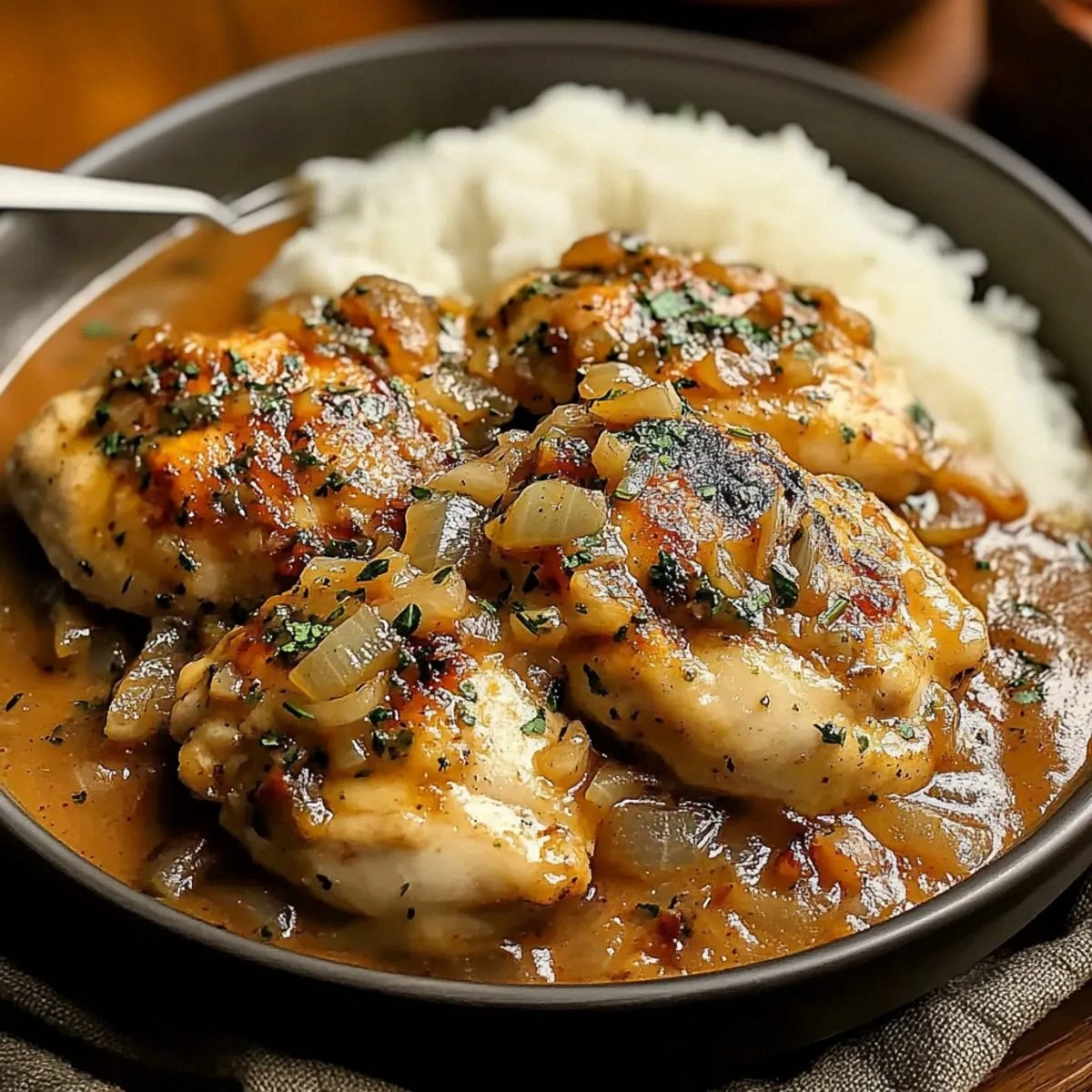
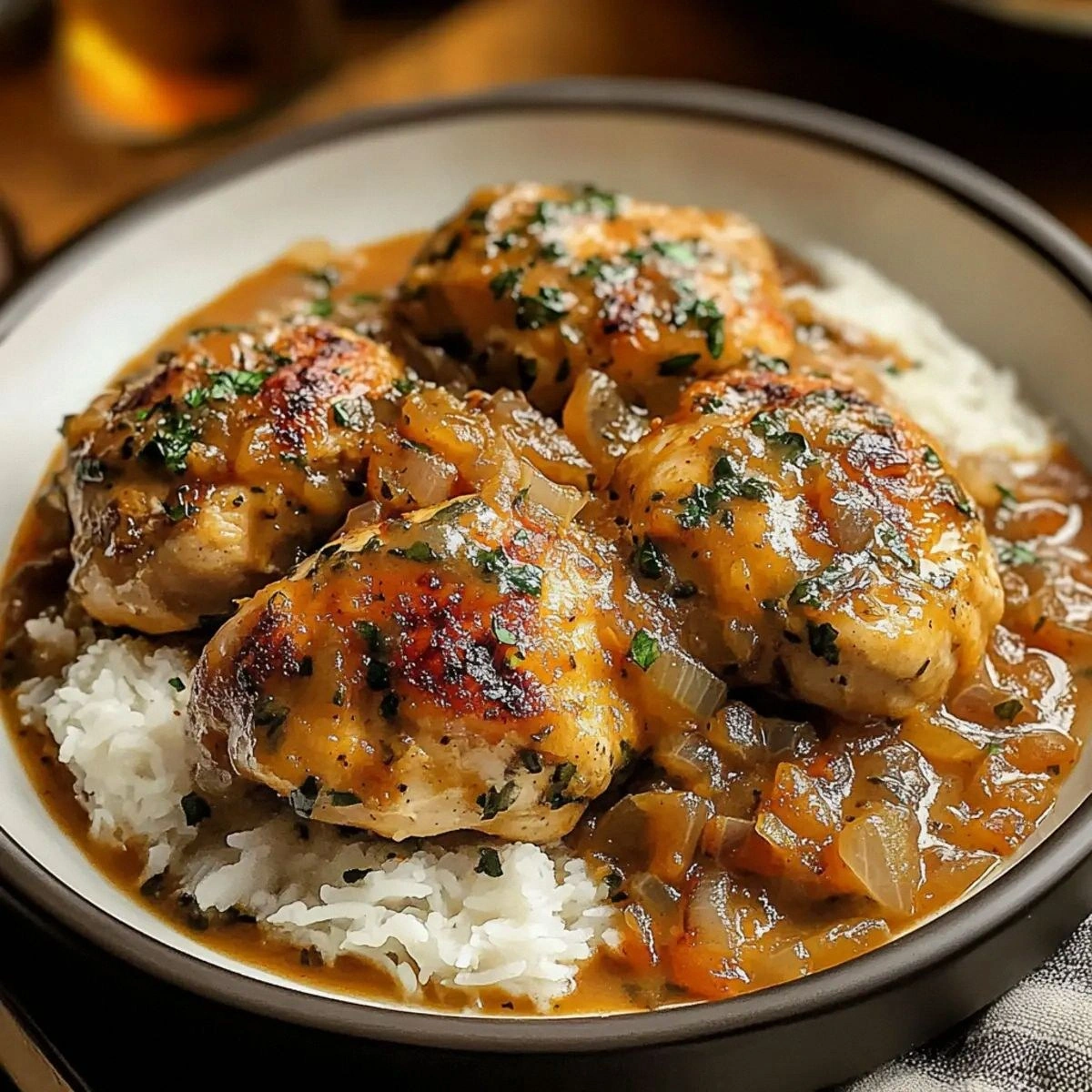
Picture this: the chicken skin crackles as it hits the hot pan, releasing a golden‑brown perfume that reminds you of a backyard barbecue on a humid July evening. The onions soften, turning translucent and sweet, while garlic releases its heady perfume, filling every corner of the house. The sauce, once you add the flour and stock, thickens like a velvety blanket, and the heavy cream swirls in, turning the whole thing a rich, amber hue that looks like liquid sunshine. When you finally spoon it over the tender chicken, the sauce clings like a lover that never lets go, coating every crevice with a silky, smoky kiss.
Most smothered chicken recipes either drown the bird in a watery broth or bake it in a dry oven, leaving you with a soggy mess or a dry, flavorless piece of poultry. This version, however, respects the chicken’s natural juices and amplifies them with a carefully balanced spice blend, a precise butter‑oil sear, and a finishing splash of heavy cream that makes the sauce both rich and airy. The secret? A quick flour‑roux that locks in moisture and a dash of thyme that adds an earthy lift without stealing the spotlight. I promise you, this is hands down the best version you'll ever make at home.
And just when you think you've seen it all, I’m going to reveal a technique that most cooks overlook: the “skin‑first, then finish” method that guarantees crispy skin while keeping the meat buttery soft. I dare you to taste this and not go back for seconds. Let me walk you through every single step — by the end, you'll wonder how you ever made it any other way.
What Makes This Version Stand Out
- Flavor Depth: The smoked paprika and thyme create a smoky‑herb foundation that penetrates the meat, while the cream adds a luxurious finish that feels like a hug for your taste buds.
- Texture Harmony: Crispy, golden skin meets melt‑in‑your‑mouth tender meat, all enveloped in a sauce that coats the chicken like velvet without being gummy.
- Simplicity: Only twelve ingredients, all pantry‑friendly, and a single‑pan method that keeps cleanup to a minimum.
- Uniqueness: The flour‑roux is cooked until it turns a light caramel color, unlocking a nutty undertone most recipes miss.
- Crowd Reaction: Expect gasps, exclamations, and the inevitable request for “just one more bite” from everyone at the table.
- Ingredient Quality: Using bone‑in, skin‑on chicken ensures flavor stays locked in, while the butter‑olive oil combo gives a perfect sear.
- Cooking Method: The pan‑sear‑then‑simmer technique preserves juiciness and builds layers of flavor that a straight‑bake cannot achieve.
- Make‑Ahead Potential: This dish reheats beautifully; the sauce thickens further, making leftovers even more indulgent.
Alright, let's break down exactly what goes into this masterpiece...
Inside the Ingredient List
The Flavor Base
Smoked paprika is the heart of this dish. Its deep, smoky notes give the sauce a subtle heat that never overpowers. If you skip it, you’ll lose that signature Southern smokiness, ending up with a bland sauce that feels flat. As a swap, try a mix of regular paprika and a pinch of chipotle powder for a similar depth.
Seasoning salt and black pepper are the classic duo that awaken the chicken’s natural flavors. Seasoning salt contains a blend of spices that adds complexity beyond plain table salt. Over‑seasoning can make the dish salty, so taste as you go. If you’re watching sodium, use kosher salt and reduce the amount by half.
The Texture Crew
Olive oil and butter work together to achieve that perfect sear. Olive oil raises the smoke point, preventing the butter from burning, while butter contributes a buttery richness that you can taste in every bite. If you’re dairy‑free, substitute with a dairy‑free butter or a splash of coconut oil—just know the flavor will shift slightly.
Onion and garlic are the aromatic backbone. The medium onion, when sautéed, turns sweet and golden, while the three cloves of garlic add a pungent, earthy bite. Skipping garlic will make the sauce feel one‑dimensional; consider adding a pinch of garlic powder if you’re out of fresh cloves.
The Unexpected Star
Flour may seem like a boring thickener, but when toasted lightly, it develops a nutty aroma that elevates the sauce from merely thick to decadently silky. A common mistake is adding flour directly to the hot pan, causing lumps. Instead, whisk it into the butter‑oil mixture until smooth before adding any liquid.
Chicken stock is the liquid foundation, providing savory depth without diluting the flavor. Use low‑sodium stock to keep the seasoning balanced. If you don’t have stock on hand, water with a bouillon cube works, but the flavor won’t be as rich.
The Final Flourish
Heavy cream is the luxurious finishing touch that transforms the sauce into a velvety dream. It balances the smoky paprika with a subtle sweetness and rounds out the acidity of the stock. For a lighter version, substitute half‑and‑half, but expect a thinner sauce.
Thyme adds an herbaceous whisper that lifts the entire dish, preventing it from feeling heavy. Fresh thyme leaves give a brighter flavor; dried thyme works too, just use half the amount.
Everything's prepped? Good. Let's get into the real action...
The Method — Step by Step
Pat the chicken pieces dry with paper towels. This simple step is crucial—moisture on the surface will steam rather than sear, ruining that coveted crisp. Season each piece generously with the smoked paprika, seasoning salt, and black pepper, making sure to rub the spices into every crevice. I dare you to taste a raw piece now; the seasoning should already be fragrant.
Kitchen Hack: Sprinkle a pinch of kosher salt on the chicken and let it sit for 10 minutes; this draws out excess moisture, guaranteeing a crisper skin.Heat a large, heavy‑bottomed skillet over medium‑high heat. Add the olive oil and butter, swirling until the butter foams and the mixture shimmers. When the butter stops foaming, it’s hot enough for the chicken. Place the pieces skin‑side down, listening for that satisfying sizzle that tells you the sear is on point.
Watch Out: If the butter starts to brown too quickly, lower the heat; burnt butter will give the sauce a bitter aftertaste.Sear the chicken for about 4‑5 minutes without moving it. You’ll see the edges pulling away from the pan, a sign that the skin is forming a crisp, golden crust. Flip the pieces and sear the other side for another 3‑4 minutes. At this point, the chicken is partially cooked but still pink inside—don’t worry, the simmer will finish it.
Remove the chicken and set it aside on a plate. In the same pan, add the diced onion and minced garlic. Sauté until the onion becomes translucent and the garlic turns a light golden, about 2‑3 minutes. The aroma should be intoxicating—if you can smell the sweet onion, you’re on the right track.
Sprinkle the flour over the onion‑garlic mixture, stirring constantly to form a smooth roux. Cook the roux for 2‑3 minutes, watching it turn a light caramel color. This step is pure magic: the flour’s starches absorb the fat, creating a thickening base that will prevent the sauce from becoming watery later.
Kitchen Hack: Whisk continuously to avoid lumps; a small whisk works better than a fork for this stage.Gradually whisk in the chicken stock, ensuring the roux dissolves completely. As the liquid hits the hot roux, you’ll hear a gentle bubbling—a sign that the sauce is thickening. Let it simmer for 5 minutes, stirring occasionally, until it reaches a glossy, coat‑the‑back‑of‑spoon consistency.
Stir in the heavy cream and thyme, reducing the heat to low. The sauce will turn a luscious amber, and the thyme will release its fragrant oils. Return the chicken pieces, skin side up, to the pan, nestling them into the sauce. Cover the skillet and let everything simmer gently for 15‑20 minutes. The chicken will finish cooking, becoming tender enough to fall off the bone while the sauce thickens further.
Check for doneness: the internal temperature should read 165°F (74°C) at the thickest part, and the meat should be easy to pull away from the bone. If the sauce looks too thick, add a splash of chicken stock or water; if it’s too thin, let it reduce uncovered for a few more minutes.
Finish with a final drizzle of melted butter for extra gloss, then sprinkle a pinch of fresh thyme leaves for color. Let the dish rest for 5 minutes before serving; this rest allows the juices to redistribute, making each bite juicy and flavorful.
Serve the smothered chicken over buttery mashed potatoes, creamy polenta, or a simple rice pilaf. The sauce should cascade over the side dish like a rich waterfall, coating every bite. Picture yourself pulling this out of the oven, the whole kitchen smelling incredible, and everyone reaching for seconds before the first plate is even empty. That’s the magic you’ve just created.
That's it — you did it. But hold on, I've got a few more tricks that'll take this to another level...
Insider Tricks for Flawless Results
The Temperature Rule Nobody Follows
Most home cooks sear on high heat, then immediately lower the flame, which can cause the chicken to release steam and soggy the skin. The secret is to maintain a steady medium‑high heat for the first 4 minutes, then drop to medium for the flip. This gradual reduction locks in the juices while preserving the crispness. I once tried skipping the temperature drop and ended up with a soggy crust—lesson learned.
Why Your Nose Knows Best
Your sense of smell is a more reliable indicator than a timer when it comes to the roux stage. When the flour turns a light caramel color and you smell a nutty aroma, you know the thickener is ready. Trust that nose; it will prevent a burnt roux that would otherwise leave a bitter aftertaste. If you’re uncertain, take a tiny spoonful and let it cool; the scent will confirm it’s perfect.
The 5‑Minute Rest That Changes Everything
After the sauce has thickened and the chicken is cooked, remove the pan from heat and let it sit, covered, for five minutes. This short rest lets the starches relax, giving the sauce a silkier texture. It also lets the chicken re‑absorb some of the sauce, making each bite juicier. Skipping this step is a common mistake that leads to a sauce that feels “tight” on the palate.
Butter‑Boost Finish
A final swirl of cold butter at the end creates an emulsified finish that adds shine and a buttery depth that you can’t get from oil alone. This technique is used by professional chefs to finish sauces. I once tried adding the butter too early, and the sauce split—so timing is everything.
Seasoning Layering Mastery
Season in layers: first on the raw chicken, then in the roux, and finally a pinch of salt after the cream is added. Each layer builds depth, ensuring the final dish isn’t flat. If you’ve ever struggled with a bland sauce, you’re not alone — and I’ve got the fix.
Creative Twists and Variations
This recipe is a playground. Here are some of my favorite ways to switch things up:
Spicy Cajun Kick
Add 1 tablespoon of Cajun seasoning to the spice rub and a dash of hot sauce to the sauce. The heat pairs beautifully with the cream, creating a balanced heat‑and‑comfort experience. Perfect for those who love a little fire.
Mushroom Medley
Sauté a cup of sliced cremini or shiitake mushrooms with the onions. The earthy mushrooms absorb the sauce, adding a meaty umami layer that makes the dish even heartier. Great for mushroom lovers and vegetarians (swap chicken for tofu).
Herbaceous Green
Stir in a handful of chopped fresh spinach or kale during the last five minutes of simmering. The greens wilt into the sauce, adding a pop of color and a subtle bitterness that balances the richness.
Cheesy Delight
Mix in ½ cup of shredded sharp cheddar or Gruyère when you add the cream. The cheese melts into the sauce, creating a luscious, cheesy blanket that’s pure comfort.
Southern BBQ Fusion
Swap half of the chicken stock for your favorite BBQ sauce and add a teaspoon of smoked liquid smoke. The result is a smoky, tangy twist that feels like a backyard BBQ meets classic smothered chicken.
Storing and Bringing It Back to Life
Fridge Storage
Allow the dish to cool to room temperature (no more than two hours), then transfer it to an airtight container. It will keep fresh for up to four days. Reheat gently on the stovetop over low heat, adding a splash of chicken stock to loosen the sauce.
Freezer Friendly
Portion the chicken and sauce into freezer‑safe bags or containers. Freeze for up to three months. To reheat, thaw overnight in the fridge, then warm in a saucepan over medium heat, stirring occasionally. The cream may separate slightly; whisk in a tablespoon of butter to bring it back together.
Best Reheating Method
The secret to reviving this dish is steam. Before reheating, add a tablespoon of water or stock, cover the pan, and heat gently. The steam will re‑hydrate the sauce, restoring its silky texture without drying out the chicken. Add a tiny splash of water before reheating — it steams back to perfection.