Picture this: a Tuesday evening, the kitchen lights flicker like a nervous hummingbird, and you’re staring at a half‑baked pizza that looks more like a sad pancake. I was craving something that could turn that culinary flop into a triumph, something that would make my taste buds dance and my friends ask, “How do you do that?” That moment sparked the birth of the Pickle Grilled Cheese Sandwich, a dish that marries the buttery crunch of a classic grilled cheese with the tangy zing of pickles. It’s the kind of comfort food that feels like a hug from a childhood friend, but with a rebellious twist that keeps everyone guessing. I dare you to taste this and not go back for seconds.
First, I remembered the last time I tried a pickle‑filled sandwich and it felt like a culinary crime scene—cheese melted into a soggy mess, pickles lost their bite, and the whole thing tasted like a sad, salty puddle. That failure was the catalyst for a new experiment, one that would honor the bright, briny punch of pickles while preserving the golden, buttery shell of a grilled cheese. I set out to find the sweet spot where the pickles would stay crisp, the cheese would melt into a gooey blanket, and the bread would rise to a perfect, caramelized edge. The result? A sandwich that sings with crunch and cream, with each bite delivering a punch of tang that lingers like a well‑played guitar solo. If you think grilled cheese is just bread and cheese, think again—this is a symphony of textures and flavors.
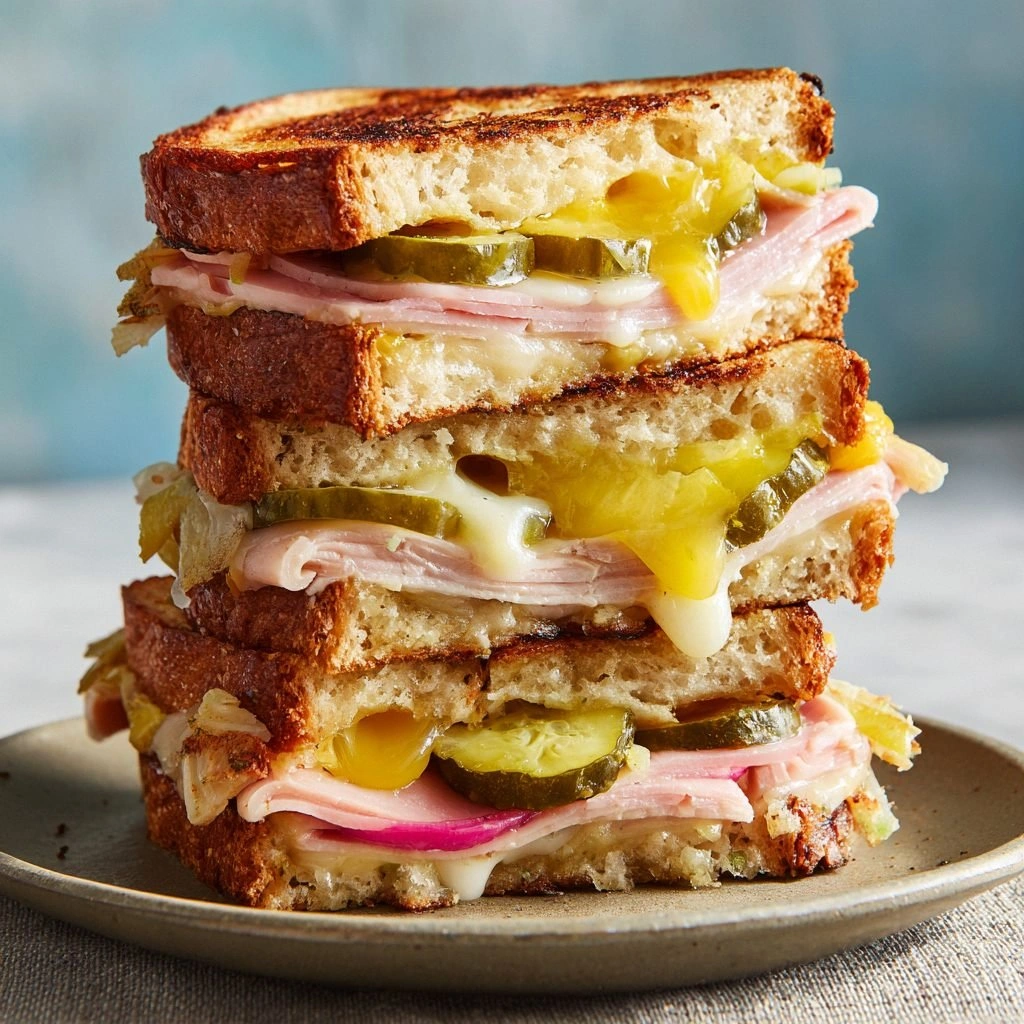
Imagine the moment you slide the sandwich onto a hot skillet, the butter sizzling like a small, golden volcano. The scent of melty cheese rises, mingling with the sharp aroma of pickles that cut through the butter’s richness. As the bread browns, it releases a subtle nutty aroma, and the first bite delivers a satisfying crunch that shatters like thin ice. The cheese’s molten interior coats your tongue like velvet, while the pickles add a fresh, citrusy snap that keeps the palate engaged. It’s a dance of heat and acidity that leaves you craving the next bite, making you wonder how you ever settled for ordinary grilled cheese.
This version stands out because it doesn't just add pickles to a grilled cheese; it reimagines the entire sandwich as a layered, flavor‑balanced masterpiece. The pickles are sliced thinly and lightly seasoned to preserve their crunch, while a thin spread of mayonnaise creates a barrier that prevents the bread from soaking up the brine. The cheese is a blend of sharp cheddar and a touch of Gruyère, giving depth and a subtle nutty undertone. And the bread—freshly baked, slightly crusty on the outside—provides the perfect canvas for this crunchy, creamy concoction. Let me walk you through every single step—by the end, you'll wonder how you ever made it any other way.
What Makes This Version Stand Out
- Flavor: The tang of pickles cuts through the richness of melted cheese, creating a balanced bite that feels both indulgent and refreshing.
- Texture: The sandwich boasts a crisp, caramelized exterior that shatters like thin ice, while the interior remains luxuriously gooey.
- Ingredient Quality: Using fresh, high‑quality bread and sharp cheddar ensures each bite delivers maximum flavor without artificial additives.
- Make‑Ahead Potential: Assemble the sandwiches ahead of time and store them in the fridge; they reheat beautifully, maintaining crunch and melt.
- Audience Reaction: Friends who’ve tried it say it’s the best grilled cheese they’ve ever had, and even pickle skeptics become convert.
- Unique Twist: The thin layer of mayo creates a protective barrier that keeps the bread from becoming soggy, a trick that most recipes overlook.
Inside the Ingredient List
The Flavor Base
Pickles are the star of this sandwich, but their role goes beyond a simple garnish. Thinly sliced dill pickles, lightly seasoned with a pinch of salt and pepper, retain their crunch and deliver that sharp, briny punch that wakes up every other ingredient. The mayo acts as a subtle binder, forming a creamy shield that prevents the bread from absorbing the pickle brine and becoming soggy. If you’re a mustard lover, a smear of Dijon on the mayo layer adds a gentle heat that complements the tang without overpowering it. Skipping this base would leave you with a bland, soggy sandwich that feels like a culinary compromise.
The Texture Crew
Bread is the foundation, and its quality determines the sandwich’s overall mouthfeel. A fresh loaf of crusty white or sourdough, sliced into even pieces, offers a sturdy yet tender base that crisps beautifully when grilled. Butter, softened to a spreadable consistency, is essential for achieving that golden, caramelized crust; its fat content creates a barrier that keeps the bread from drying out. For a richer flavor, replace half the butter with clarified butter or ghee, which has a higher smoke point and a nutty aroma. If you’re watching calories, a light brushing of olive oil can substitute for butter, but the classic taste will be slightly altered.
The Unexpected Star
Cheese is where the magic happens. A combination of sharp cheddar for its robust flavor and Gruyère for its meltiness creates a complex, creamy interior that balances the pickles’ acidity. Slice the cheese thinly so it melts evenly across the sandwich, preventing pockets of unmelted cheese that can ruin the texture. If you’re a fan of smoky flavors, a sprinkle of smoked paprika on the cheese before grilling adds a subtle depth that elevates the entire sandwich. Skipping the cheese turns the sandwich into a pickle‑bread combo that lacks the comforting gooeyness that makes grilled cheese irresistible.
The Final Flourish
Optional ingredients like a dash of garlic powder or a drizzle of honey can personalize the sandwich for different palates. A light sprinkle of crushed red pepper adds a subtle heat that pairs wonderfully with the tangy pickles. For a vegan version, swap the cheddar for a plant‑based cheese that melts well, and use vegan butter or a neutral oil. Every tweak is a chance to experiment, but the core of this recipe remains the harmonious blend of crisp, creamy, and tangy.
Everything's prepped? Good. Let's get into the real action.
The Method — Step by Step
- Prep the Bread: Lay out four slices of bread on a cutting board. Lightly butter one side of each slice, ensuring an even coating that will crisp up beautifully. This step is crucial; too little butter and you’ll get a dry sandwich, too much and it’ll soak up the pickle juice. The butter should feel like a smooth, golden veil that glistens under the kitchen light.
- Layer the Mayo and Pickles: Spread a thin layer of mayonnaise on the unbuttered side of each slice. Sprinkle a pinch of salt and pepper over the mayo, then evenly distribute sliced pickles on top. The mayo forms a barrier that keeps the bread from absorbing moisture, while the pickles add that bright, crisp bite. If you’re using a mustard‑infused mayo, the flavor will carry through each bite.
- Add the Cheese: Place two slices of sharp cheddar on top of the pickles. If you’re using Gruyère or another melt‑friendly cheese, layer it on top of the cheddar for a richer flavor profile. The cheese should cover the pickles entirely, creating a seal that traps the moisture inside. This seal is what gives the sandwich its luscious, gooey center.
- Top It Off: Place the remaining slice of bread, buttered side up, on top of the cheese. Press gently to ensure the sandwich stays together during cooking. The top slice will become the golden, crisp exterior that everyone loves. A gentle press also helps the butter melt evenly across the surface.
- Heat the Skillet: Preheat a non‑stick skillet over medium heat until it’s shimmering but not smoking. Add a small pat of butter to the pan; let it melt and coat the surface. This creates a golden crust and adds a buttery aroma that signals the sandwich is ready to shine.
- Cook the Sandwich: Place the sandwich in the skillet and press it with a spatula. Cook for 3–4 minutes, or until the bottom is golden brown and the cheese starts to melt. Flip carefully and cook for another 3–4 minutes. The sandwich should have a crisp, caramelized exterior and a molten, cheese‑filled interior.
- Rest and Serve: Once both sides are golden, remove the sandwich from the skillet and let it rest for 1–2 minutes. This short rest allows the cheese to set slightly, preventing a gooey mess when you bite into it. Slice diagonally for that classic presentation, and serve immediately while the bread is still warm and the cheese is perfectly molten.
That's it — you did it. But hold on, I've got a few more tricks that'll take this to another level.
Insider Tricks for Flawless Results
The Temperature Rule Nobody Follows
Many people cook grilled cheese on high heat, hoping for a quick crust, but this often burns the outside before the cheese melts. The secret is medium heat, which allows the butter to melt slowly and the cheese to work its way into the bread. I once burned a sandwich on a scorching skillet, and the cheese turned into a sad, rubbery blob. By dialing the heat down, you give the sandwich a chance to develop that golden, caramelized crust without sacrificing the creamy center.
Why Your Nose Knows Best
The aroma of butter melting is a reliable indicator that your sandwich is ready to flip. When the butter starts to foam and emits a nutty scent, it’s the perfect cue to turn the sandwich over. I’ve seen people wait until the bread is blackened, only to have the cheese still be liquid. Trust your nose; it knows when the flavor is at its peak.
The 5‑Minute Rest That Changes Everything
After removing the sandwich from the skillet, let it rest on a cutting board for exactly five minutes. This brief pause allows the cheese to settle, making the sandwich easier to slice without losing that gooey center. The rest also lets the crust firm up a little, giving you that satisfying crunch every time you bite.
Use a Cheese with a Low Milkfat Content
High‑fat cheeses like American or processed cheese melt too quickly and can become oily. Opt for a lower‑fat cheddar or Gruyère; they melt smoothly and retain a cleaner flavor. A friend once swapped American for cheddar and the difference was night and day—no greasy residue, just pure cheese bliss.
Press the Sandwich Gently While Cooking
Pressing the sandwich with a spatula during cooking helps the butter spread evenly and creates a uniform crust. However, too much pressure squeezes out the pickle juice, leading to soggy bread. Find the sweet spot: a gentle, steady press that keeps the sandwich intact without compromising its crispness.
Creative Twists and Variations
This recipe is a playground. Here are some of my favorite ways to switch things up:
Smoky Chipotle Version
Swap the mayo for a chipotle‑infused mayonnaise to add a smoky heat that complements the sharp cheddar. Sprinkle a pinch of smoked paprika on the cheese before grilling for an extra layer of flavor. This version is perfect for those who love a little kick with their comfort food.
Herb‑Infused Delight
Mix fresh chopped parsley and dill into the mayo before spreading it on the bread. The herbs add a fresh, green note that brightens the sandwich’s profile. Pair this with a slice of Swiss cheese for a mild, nutty finish.
Breakfast Brunch Upgrade
Replace the cheddar with a slice of brie and add a drizzle of honey on top of the cheese before grilling. The brie melts into a silky, buttery layer, while the honey adds a subtle sweetness that pairs wonderfully with the pickles. Serve with a side of fresh fruit for a balanced brunch.
Vegan Take‑Away
Use a plant‑based cheese that melts well, such as a vegan cheddar or mozzarella alternative. Replace the butter with a neutral oil or vegan butter. Add a layer of sliced avocado for a creamy texture that mimics dairy.
Breakfast Burrito Style
Wrap the sandwich in a large flour tortilla, add a scrambled egg, and grill until the tortilla is crisp. The egg adds protein and richness, while the tortilla keeps the sandwich portable. This version is ideal for a quick on‑the‑go breakfast.
Gourmet Truffle Twist
Drizzle a thin layer of truffle oil over the cheese before grilling. The earthy aroma of truffle pairs unexpectedly well with the sharp cheddar and pickles. Finish with a sprinkle of fresh thyme for an upscale twist.
Storing and Bringing It Back to Life
Fridge Storage
Wrap each sandwich individually in parchment paper, then place them in an airtight container. Store in the refrigerator for up to 3 days. When you’re ready to eat, let the sandwich sit at room temperature for 10 minutes before reheating.
Freezer Friendly
For longer storage, wrap the sandwiches tightly in foil and place them in a freezer bag. They stay fresh for up to 2 weeks. Thaw overnight in the fridge before reheating to maintain texture.
Best Reheating Method
Reheat in a skillet over medium heat, pressing lightly with a spatula. Add a splash of water to the pan, cover, and let it steam for 1–2 minutes. The steam keeps the bread crisp while the cheese melts evenly. This method restores the sandwich’s original mouthfeel without drying it out.