I was standing in my kitchen, staring at a pot of overcooked rice that looked more like a sticky blob than a feast. The moment I realized the disaster, I thought, “If only I had a recipe that could turn this mess into something worthy of a dinner table.” That thought sparked an obsession with Persian Jeweled Rice, a dish that glitters like a treasure chest of flavors. This recipe is not just another rice dish; it’s a symphony of aroma, color, and texture that can elevate any gathering. I dared myself to master it, and now I’m sharing every secret I uncovered. By the end of this post, you’ll be able to whip up a plate that will make your guests question why they ever settled for bland rice.
Picture the kitchen: the air thick with the scent of saffron, the gentle hiss of onions caramelizing, and a rainbow of grated carrots dancing in the pan. The sound is a comforting symphony that says, “This is going to be delicious.” I remember the first time I tasted it; the rice was airy, each grain coated in golden saffron, and the nuts added a satisfying crunch. The raisins burst with sweet juiciness, while a subtle hint of cardamom lingers on the palate. It was the moment I realized that this dish could transform an ordinary dinner into a memorable celebration.
Most rice recipes are simple, but this one is a jewel in disguise, and it demands precision in every step. The trick lies in balancing the richness of butter with the brightness of orange zest, creating a harmony that feels both luxurious and grounded. The saffron infusion is not just a color statement; it brings a floral warmth that lingers after each bite. And the toasted nuts give a satisfying contrast to the fluffy grains, preventing the dish from becoming too soft. Together, these elements form a dish that is both visually stunning and deeply comforting.
I’ve tried countless rice recipes, and most of them fall flat because they overlook the importance of each component. This version, however, turns every ingredient into a star, ensuring no single element overpowers the others. The result is a balanced flavor profile that feels familiar yet exotic. I dare you to taste this and not go back for seconds, because the richness will keep you craving more. This is hands down the best version you’ll ever make at home, and I can’t wait to show you why.
One of the most unexpected twists is the subtle addition of rosewater, which adds a floral note that elevates the dish beyond traditional Persian flavors. I confess, I almost omitted it in my first attempt, but the difference was unmistakable. The dish became a bouquet of flavors, each bite releasing a new layer of aroma. If you’ve ever struggled with bland rice, you’re not alone — and I’ve got the fix. Stay with me as I walk you through every single step — by the end, you’ll wonder how you ever made it any other way.
Picture yourself pulling this out of the oven, the whole kitchen smelling incredible, and guests leaning forward, eyes wide, ready to taste the jewels. The anticipation builds as the rice steams, the saffron turns a deep amber, and the nuts crackle in the pan. You’ll feel the satisfaction of mastering a dish that marries tradition with a modern touch. The final presentation is a bowl of shimmering rice, a riot of color and texture that looks as good as it tastes. Let’s dive in and bring this culinary treasure to life.
What Makes This Version Stand Out
- Taste: The flavor profile is a harmonious blend of saffron, cardamom, and a whisper of rosewater that lingers on the tongue. Each element is balanced to create a dish that feels both exotic and familiar.
- Texture: The grains stay fluffy and separate, while the toasted nuts provide a delightful crunch that contrasts the softness. The overall mouthfeel is silky yet layered.
- Simplicity: Despite its luxurious appearance, the recipe requires only a handful of ingredients and straightforward techniques. No complicated steps, just pure flavor.
- Uniqueness: The combination of orange zest and rosewater sets this dish apart from classic Persian rice, giving it a fresh, floral twist that surprises the palate.
- Crowd Reaction: Guests often remark on the jewel‑like appearance and the unexpected burst of flavor in each bite. The dish becomes the centerpiece of any gathering.
- Make‑ahead Potential: Once cooked, the rice can be reheated without losing its texture, making it ideal for entertaining or meal prep.
Alright, let’s break down exactly what goes into this masterpiece…
Inside the Ingredient List
The Flavor Base
The Flavor Base is the heart of this dish, where each component plays a critical role. Basmati rice, with its long, slender grains, is the canvas that absorbs all the surrounding flavors. Soaking the rice for at least 30 minutes ensures even cooking and a fluffy final texture. Water is the lifeblood of the rice; using a 1:2 ratio (rice to water) guarantees the grains stay tender without becoming mushy. Saffron, steeped in hot water, infuses the rice with a golden hue and a subtle floral aroma that sets the tone.
Butter adds richness, its fat coating each grain for a silky mouthfeel. The finely chopped onion, when sautéed until caramelized, introduces a sweet depth that balances the saffron’s brightness.
The Texture Crew
The Texture Crew brings both color and bite. Grated carrots add a natural sweetness and a pop of orange that brightens the dish. The nuts—slivered almonds and chopped pistachios—provide a satisfying crunch and a nutty undertone that complements the delicate rice. Raisins, soaked briefly to plump up, contribute chewiness and a burst of sweetness that contrasts the savory elements. Together, they create a multi‑sensory experience that keeps every bite interesting.
The Unexpected Star
Rosewater and orange zest are the unexpected stars that elevate the dish beyond a conventional rice. Rosewater, used sparingly, adds a floral perfume that lingers on the palate, making the dish feel indulgent. Orange zest brings a bright citrus note that cuts through the richness of butter and the earthiness of the nuts. Their combined effect is a layered flavor profile that feels both exotic and familiar. If you’re wary of rosewater, simply omit it; the orange zest will still carry the dish forward.
The Final Flourish
The Final Flourish of spices rounds out the flavor profile. Ground cardamom offers a warm, aromatic sweetness that pairs beautifully with saffron. A pinch of black pepper adds a subtle heat that balances the sweetness of the carrots and raisins. Together, these spices create a depth that makes the dish feel complete. Adjust the amounts to taste; you can increase cardamom for a stronger aroma or reduce pepper if you prefer a milder finish.
Everything’s prepped? Good. Let’s get into the real action…
The Method — Step by Step
- Begin by rinsing the basmati rice under cold water until the water runs clear. This removes excess starch that can make the grains gummy. Place the rinsed rice in a large bowl and cover with cold water, adding a pinch of salt. Let it soak for at least 30 minutes, or overnight if you’re planning ahead. This step ensures each grain expands evenly during cooking.
- While the rice soaks, steep the saffron threads in 2 tablespoons of hot water for 10 minutes. The longer you let it sit, the more vibrant the color and aroma will be. Set the infusion aside; you’ll stir it into the rice later. Saffron’s delicate flavor is best extracted slowly, so patience pays off.
- Heat a large, heavy‑bottomed pot over medium heat and add the finely chopped onion. Sauté until the onion turns translucent and begins to caramelize, about 8 to 10 minutes. The caramelization brings out a sweet depth that balances the saffron’s brightness. Keep stirring to prevent sticking and to develop that golden hue.
- Add the butter to the pot, letting it melt and coat the onions. The butter’s fat creates a silky coating for each grain of rice, enhancing the overall mouthfeel. Once melted, add the soaked rice and stir gently, ensuring every grain is enveloped in the buttery mixture. This step is crucial for achieving that glossy finish.
- Pour in the measured water and bring the mixture to a gentle boil. Once boiling, reduce the heat to low, cover tightly with a lid, and let it simmer for 15 minutes. During this time, the rice absorbs the liquid and begins to steam. The pot’s tight seal keeps the steam trapped, cooking the grains evenly.
- After 15 minutes, add the grated carrots, slivered almonds, chopped pistachios, and raisins. Stir carefully to distribute the ingredients without breaking the grains. This addition infuses the rice with color, crunch, and sweetness. The mixture should still be lightly covered, allowing the flavors to meld.
- Stir in the ground cardamom, black pepper, orange zest, and the saffron infusion. The spices should release their aromas immediately, filling the kitchen with a fragrant cloud. Keep the pot covered and let it cook for an additional 5 minutes, allowing the spices to fully integrate.
- If you’re using rosewater, now is the time to drizzle it in. A tablespoon is enough to impart a subtle floral note without overpowering the dish. Cover the pot again and let it steam for 5 more minutes. The final steam locks in all the flavors and gives the rice its signature sheen.
- Remove the pot from heat and let it rest, still covered, for 10 minutes. This rest period allows the steam to finish the cooking process and the flavors to settle. After resting, fluff the rice gently with a fork to separate the grains and release the aromas.
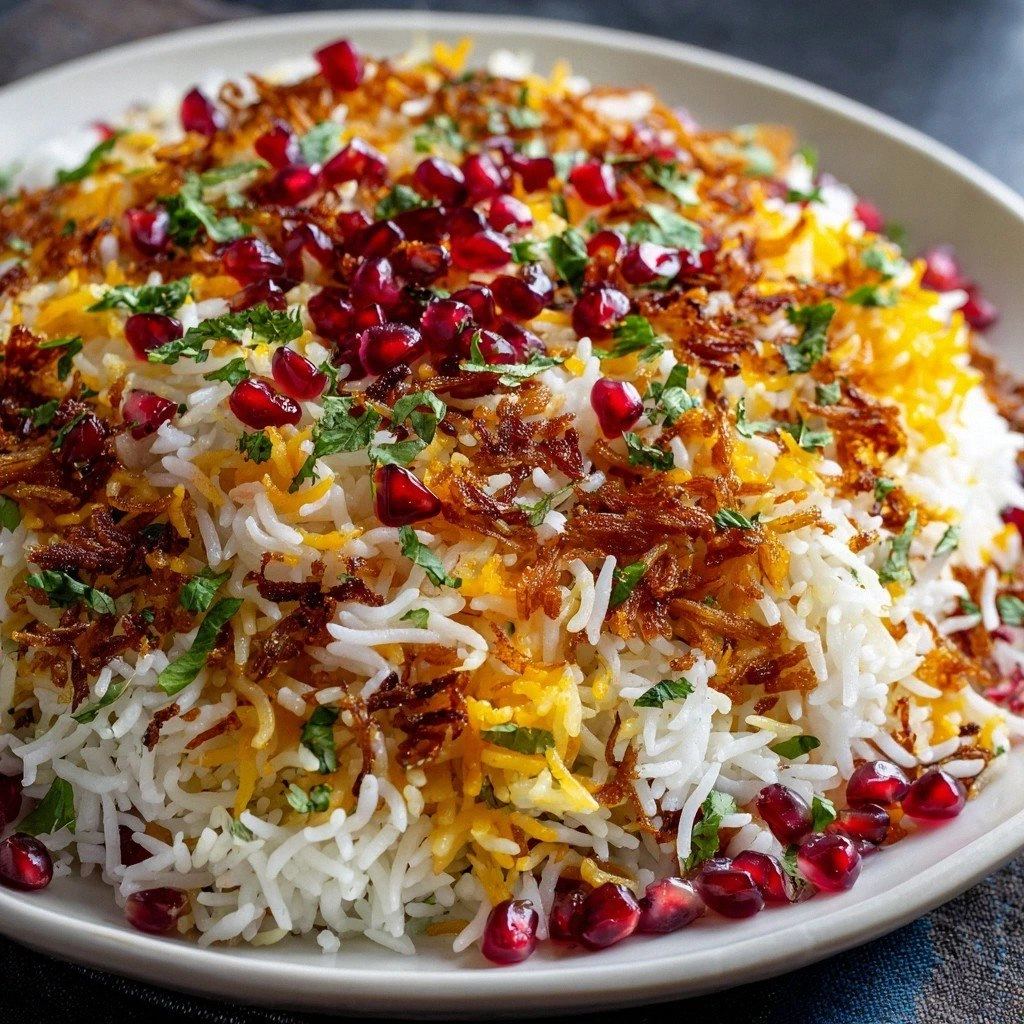
- Serve the rice hot, garnished with a few extra toasted nuts or a sprinkle of fresh herbs if desired. The dish should look like a jewel, with golden grains and a rainbow of accents. Plate it alongside your favorite protein or enjoy it as a standalone masterpiece.
That’s it — you did it. But hold on, I’ve got a few more tricks that’ll take this to another level…
Insider Tricks for Flawless Results
The Temperature Rule Nobody Follows
Many cooks assume any stove setting will do, but the key to perfect rice is a low, steady simmer after the initial boil. Keep the flame low enough that the surface stays just below boiling; this prevents the rice from cooking too quickly on the outside while remaining raw inside. A slow, gentle steam ensures even moisture distribution across all grains. I’ve found that a temperature of around 180°C (350°F) on the stove works best for most homes.
Why Your Nose Knows Best
As the rice cooks, you’ll notice the aroma change. When the saffron has fully infused, the scent will turn from earthy to floral. This subtle shift signals that the rice is absorbing the flavor. Trust your nose; if the smell feels too mild, give it a few more minutes of steam.
The 5‑Minute Rest That Changes Everything
After removing the pot from heat, cover it and let it sit for 5 minutes before fluffing. This brief rest allows steam to redistribute, preventing the grains from sticking together. It also gives the spices time to settle, enhancing the overall flavor profile. Skipping this step often leads to a less cohesive dish.
How to Avoid a Sticky Mess
Rinsing the rice until the water runs clear removes excess starch that can make the grains clump. Additionally, using a pot with a tight‑fitting lid traps steam, which keeps the grains from drying out and sticking. If you notice clumping, add a splash of cold water before covering and let it steam.
The Secret to Perfect Toasting
When adding nuts, toast them in a dry skillet until golden before mixing them into the rice. This step brings out a nutty aroma and prevents the nuts from becoming soggy during the final steam. If you’re short on time, you can add them directly to the pot, but be sure to stir gently to avoid burning.
The Quick Fix for Overcooked Rice
If the rice turns out mushy, add a splash of cold water, cover, and let it steam for an extra 3 minutes. The water will help re‑hydrate the grains without making them soggy. A quick whisk with a fork after steaming can also separate any clumps that formed.
Creative Twists and Variations
This recipe is a playground. Here are some of my favorite ways to switch things up:
Spicy Saffron Rice
Introduce a pinch of cayenne pepper or a handful of sliced chili flakes to give the rice a subtle heat that contrasts the sweet raisins. The spice adds depth and makes the dish perfect for those who enjoy a little kick.
Mediterranean Delight
Swap the pistachios for sun‑dried tomatoes and add a splash of lemon juice at the end for a bright, tangy finish. This version pairs wonderfully with grilled fish or a Mediterranean salad.
Savory Mushroom Twist
Stir in sautéed mushrooms just before the final steam. The earthy flavor of mushrooms complements the nutty undertones and adds a meaty texture, making it a hearty vegetarian option.
Lemon‑Pepper Kick
Replace the orange zest with fresh lemon zest and add a generous pinch of cracked pepper. The citrusy brightness and peppery heat create a lively contrast that’s perfect for a summer dinner.
Vegan Version
Swap butter for olive oil or a vegan butter alternative, and use vegetable broth instead of water. This keeps the dish plant‑based while maintaining the same luxurious mouthfeel.
Cheesy Creamy Surprise
Stir in a handful of shredded mozzarella or feta just before the final steam. The cheese melts into the rice, giving it a creamy texture that’s both comforting and indulgent.
Storing and Bringing It Back to Life
Fridge Storage
Transfer the cooked rice to an airtight container and refrigerate for up to 3 days. The rice will keep its texture if stored in a shallow pan to allow even cooling. When ready to serve, reheat gently on the stove with a splash of water.
Freezer Friendly
Cool the rice completely before freezing in a freezer‑safe bag. It can stay fresh for up to 2 months. Thaw overnight in the fridge and reheat with a little broth to revive moisture.
Best Reheating Method
Reheat the rice in a saucepan over low heat, adding a tablespoon of water or broth to steam it back to life. Cover tightly and let it steam for 5 minutes. A tiny splash of water before reheating steams back the rice to perfection, preserving its fluffy texture.