Introduction
It all started on a rainy Saturday when I tried to rescue a batch of overcooked chicken from the oven. The skin was a sad, limp gray and the meat had turned into a dry, rubbery mess. I stared at the charred remains, feeling the sting of culinary defeat, and swore to myself that the next time I tackled chicken thighs, I would make them the centerpiece of a triumph rather than a tragedy. That night, I pulled out the recipe I’d been saving in my digital pantry, the one that promised “juicy herb‑roasted chicken thighs that impress every time.”
Picture this: the kitchen lights flicker as the oven preheats, a fragrant steam rises from the pan, and the scent of fresh rosemary, thyme, and lemon slices fills the air. The sound of a sizzling pan is the soundtrack to a culinary victory. You can feel the heat radiating from the skillet, the subtle crackle of the skin as it begins to crisp, and the anticipation building as the aroma swirls around you. If you’re a fan of a dish that’s as visually stunning as it is delicious, you’re in the right place.
Why does this version stand out? Because it’s a carefully balanced equation of flavor, texture, and simplicity. The herbs are fresh and not overpowered, the lemon adds a bright acidity that cuts through the richness, and the olive oil is the perfect medium to render the skin without drying out the meat. I dare you to taste this and not go back for seconds; it’s the kind of dish that turns a regular dinner into a memorable feast. Most recipes get this completely wrong by using dried herbs or over‑seasoning, but here every element has a purpose.
And here’s a little secret I’ve kept for myself: I add a splash of white wine to the pan after the chicken has browned. That simple trick lifts the flavor profile, adds moisture, and creates a pan sauce that’s as good as any store‑bought reduction. Picture yourself pulling this out of the oven, the whole kitchen smelling incredible, and the guests’ eyes widening as they see that golden, crackling skin. Let me walk you through every single step — by the end, you’ll wonder how you ever made it any other way.
What Makes This Version Stand Out
- Taste: The herb blend is fresh, not dried, which preserves the bright, green notes of rosemary and thyme. The lemon zest and juice cut through the fat, leaving a clean, satisfying finish.
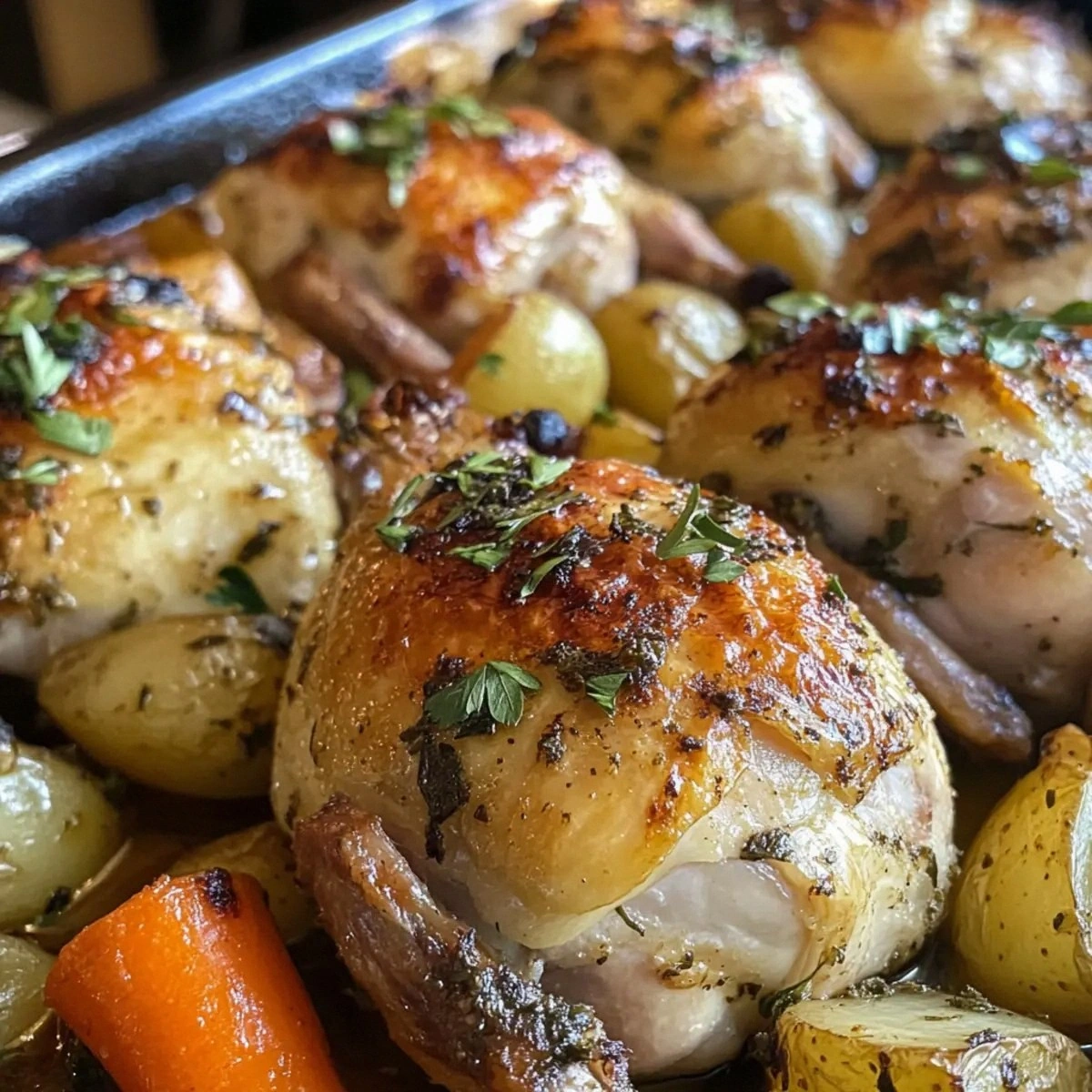
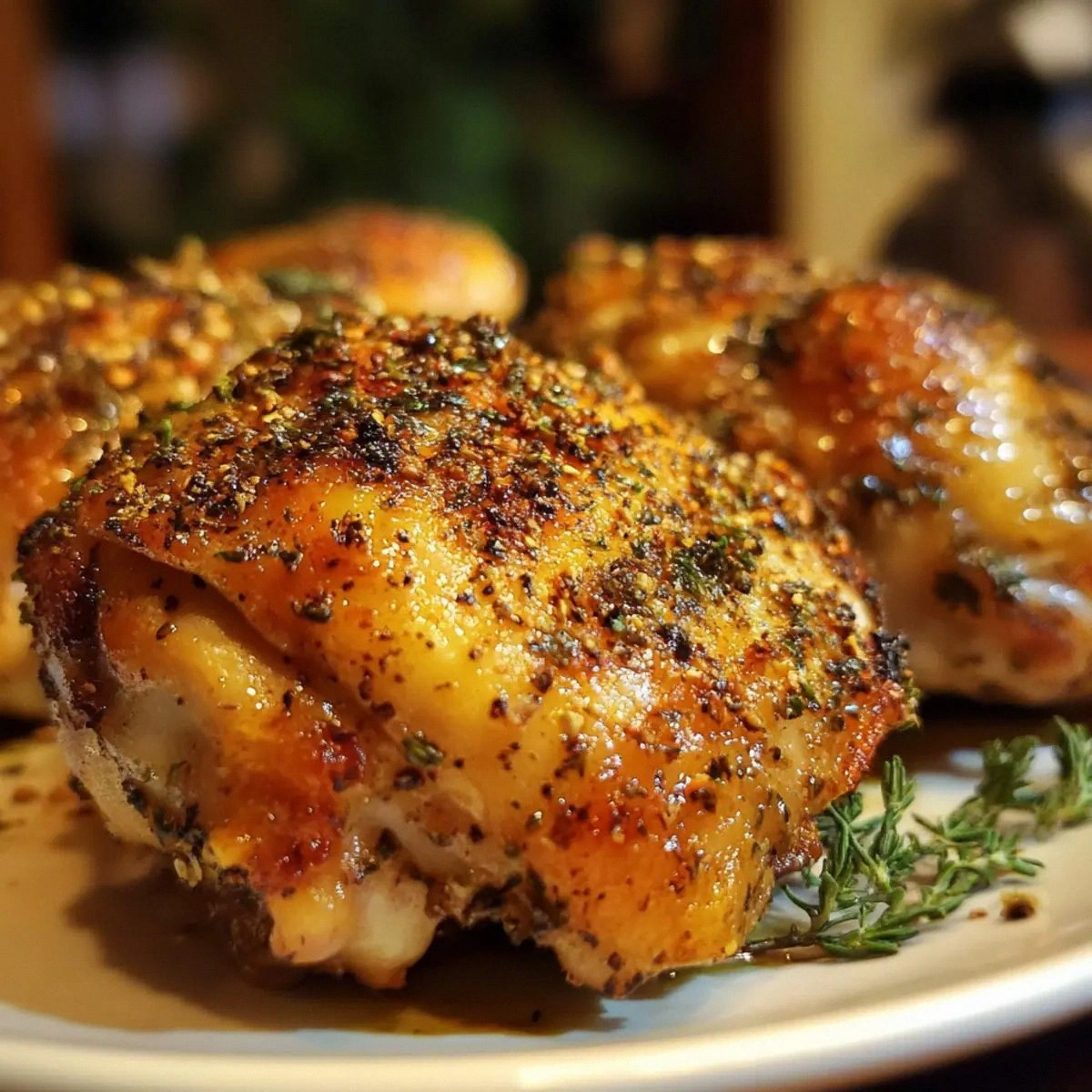
- Texture: The skin crisps to a perfect crunch while the meat remains moist and tender. The olive oil creates a barrier that keeps the juices inside.
- Simplicity: No elaborate marinades or complex steps. Just season, roast, and serve.
- Uniqueness: The addition of a quick white‑wine deglaze after browning gives a depth of flavor that most roasted‑chicken recipes lack.
- Crowd Reaction: Friends rave that it’s “hands down the best version you’ll ever make at home.” I’ve had guests ask for the recipe after every dinner.
- Ingredient Quality: Using bone‑in, skin‑on thighs means richer flavor and a better ratio of meat to fat. Fresh herbs are key.
- Cooking Method: A two‑stage roasting—first high heat for crisp skin, then lower heat for even cooking—ensures perfect doneness.
- Make‑Ahead Potential: The chicken can be marinated overnight, or the herbs can be pre‑mixed into a paste to save time on the day of serving.
Alright, let’s break down exactly what goes into this masterpiece…
Inside the Ingredient List
The Flavor Base
The foundation of any great roast is its seasoning. Olive oil is the carrier that lifts the herbs and creates a golden skin. Salt and black pepper are the universal taste enhancers; they bring out the natural sweetness of the chicken. A pinch of salt is all you need—too much and the skin will become overly salty, masking the herbaceous notes.
The Texture Crew
Chicken thighs are the star of the show. Their higher fat content compared to breasts means they stay juicy even when cooked to perfection. Bone‑in, skin‑on thighs provide a rich, meaty flavor that pairs wonderfully with herbs. If you’re a fan of a little extra crunch, keep the skin on; it crisps beautifully when roasted at high heat.
The Unexpected Star
Fresh rosemary is the unsung hero here. Its woody, pine‑like aroma cuts through the richness of the thighs, while the bright citrus of lemon adds a zesty lift that keeps the dish from feeling heavy. The combination is a classic Mediterranean touch that feels both comforting and elevated.
The Final Flourish
Fresh parsley is the garnish that ties everything together. It adds a pop of color, a fresh bite, and a subtle herbal sweetness that balances the robust rosemary and thyme. A few minced garlic cloves bring depth and a hint of heat that rounds out the flavor profile.
Everything’s prepped? Good. Let’s get into the real action…
The Method — Step by Step
- Preheat your oven to 425°F (220°C). While the oven heats, pat the chicken thighs dry with paper towels—moisture is the enemy of crisp skin. This step ensures the skin will caramelize beautifully. The oven’s high heat is crucial for that first crackle.
- In a small bowl, combine the olive oil, salt, pepper, minced garlic, rosemary, thyme, and parsley. Whisk until the herbs are coated in oil, creating a fragrant paste. This mixture will be the flavor carrier that sticks to the skin.
- Rub the herb paste all over the chicken thighs, making sure to get under the skin where possible. The herbs cling to the surface, forming a flavorful crust. If you’re in a hurry, you can simply sprinkle the herbs and let the oil do the rest.
- Place the thighs skin‑side up on a rimmed baking sheet. Roast for 15 minutes at 425°F. The high heat will blister the skin and render the fat, giving that coveted golden crunch.
- Reduce the oven temperature to 375°F (190°C) and continue roasting for another 20–25 minutes. The thighs should reach an internal temperature of 165°F (74°C). The skin will stay crisp, while the meat stays juicy.
- While the chicken finishes cooking, pour a splash of white wine into the pan and deglaze. Scrape up the browned bits; they’re packed with flavor. This quick pan sauce will be the finishing touch.
- When the chicken is done, transfer it to a cutting board and let it rest for 5 minutes. Resting allows the juices to redistribute, preventing them from spilling onto the plate.
- Slice the thighs, drizzle the pan sauce over the meat, and garnish with fresh lemon wedges. The bright citrus cut through the richness and adds a fresh finish. Plate immediately for the best texture.
- Serve with a side of roasted vegetables or a simple green salad. The dish is versatile enough to pair with almost any accompaniment.
- Enjoy your masterpiece. Remember, the real magic is in the crisp skin and the herbaceous aroma that fills the kitchen.
That’s it — you did it. But hold on, I’ve got a few more tricks that will take this to another level…
Insider Tricks for Flawless Results
The Temperature Rule Nobody Follows
Most people roast chicken at a single temperature, but a two‑stage approach ensures both crisp skin and juicy meat. Start at 425°F to blister the skin, then lower to 375°F to finish cooking gently. This technique is a game‑changer that guarantees consistent results.
Why Your Nose Knows Best
As the chicken roasts, the aroma will intensify. When the scent becomes a deep, nutty fragrance, you’re close to perfection. Trust your nose; it’s a reliable indicator of doneness.
The 5-Minute Rest That Changes Everything
Letting the chicken rest after roasting is not just a suggestion—it’s essential. The juices redistribute, making each bite succulent. Skipping this step can leave the meat dry.
Use Fresh Herbs, Not Dried
Fresh herbs release their oils and flavors more effectively than dried. If you only have dried, rehydrate them in warm water before adding to the paste.
Dealing with Excess Moisture
Sometimes the pan collects juices that can steam the chicken, preventing crisp skin. Flip the thighs halfway through the roast to allow excess liquid to evaporate.
Quick Pan Sauce
After removing the chicken, deglaze the pan with white wine, a splash of chicken stock, and a squeeze of lemon. Simmer until reduced by half; this sauce will coat the thighs with a glossy, flavorful finish.
Creative Twists and Variations
This recipe is a playground. Here are some of my favorite ways to switch things up:
Spicy Cajun Kick
Swap the rosemary and thyme for a Cajun spice blend, add a pinch of cayenne pepper, and finish with a squeeze of lime. The result is a smoky, spicy roast that pairs well with a cool cucumber salad.
Herb‑Infused Honey Glaze
Brush the thighs with a honey‑garlic glaze in the last 5 minutes of roasting. The honey caramelizes, creating a sticky, sweet crust that contrasts with the savory herbs.
Asian‑Inspired Soy‑Ginger Marinade
Replace the olive oil with sesame oil, add grated ginger, minced garlic, soy sauce, and a dash of rice vinegar. The thighs will have a deep umami flavor and a slight tang.
Smoky Chipotle Rub
Mix chipotle powder, smoked paprika, and brown sugar into the herb paste. The smoky heat adds depth, and the sugar caramelizes into a beautiful crust.
Italian Basil & Parmesan Topping
After roasting, sprinkle finely chopped basil and grated Parmesan over the thighs. The cheese melts into a golden topping, and the basil adds a fresh, sweet note.
Vegan Twist
Use plant‑based chicken substitutes and substitute olive oil with coconut oil. The herbs and lemon will still shine, giving a satisfying, meat‑free version.
Storing and Bringing It Back to Life
Fridge Storage
Let the roasted thighs cool completely, then store them in an airtight container in the refrigerator for up to 4 days. Keep the pan sauce separate to maintain its texture.
Freezer Friendly
Wrap each thigh individually in foil and place in a freezer bag. They’ll keep for up to 3 months. Thaw overnight in the fridge before reheating.
Best Reheating Method
Reheat in a 350°F oven for 10–12 minutes, or until the internal temperature reaches 165°F. Add a splash of water or broth before reheating to keep the meat moist; the steam will restore juiciness.