I was in the middle of a rainy Tuesday, staring at a half‑filled fridge and a stack of zucchini that looked like they were auditioning for a vegetable runway show. My mind was screaming for something comforting, yet I was too proud to throw together a soggy casserole that would disappear faster than my motivation to clean the pantry. Then a friend dared me: “Make a crustless pie that can stand up to a pizza and still be called a veggie‑hero.” I laughed, I rolled my sleeves, and I promised to bring the kitchen back from the brink of boredom. Spoiler alert: I ate half the batch before anyone else could even sniff the oven, and I’m still not sorry.
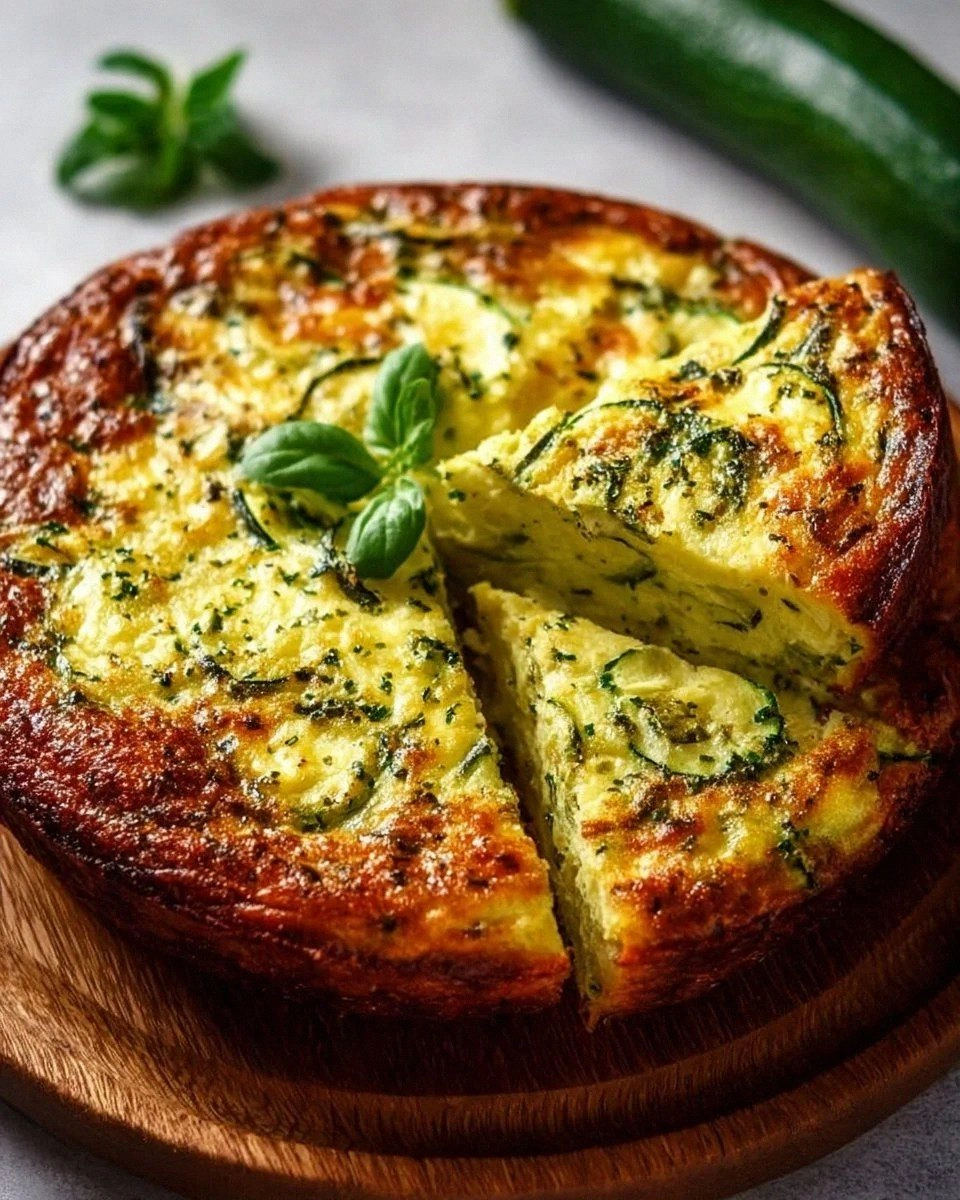
Picture this: the oven door swings open, a golden‑brown crown rises, and the aroma of caramelized onions, garlic, and fresh herbs floods the room like a warm hug from a long‑lost aunt. The crustless base is firm enough to hold its own, yet tender enough that a fork slides through like a silk scarf through butter. You hear the faint crackle of the edges pulling away from the pan, and you can almost see the steam dancing above the surface. The first bite? A burst of garden freshness that’s balanced by the creamy richness of cottage cheese and a subtle kick from cayenne that whispers, “I’m not just a side dish.”
Why does this version blow every other zucchini pie out of the water? Most recipes either drown the zucchini in a sea of flour or hide it beneath a mountain of cheese, losing the garden’s bright character. I’ve cracked the code by treating the grated zucchini as the star, not the understudy. A dash of baking powder gives the interior a lift that feels like a cloud‑kissed pillow, while the combination of shredded cheese and cottage cheese creates a texture that’s both melty and surprisingly light. And the secret weapon? Fresh herbs added at the very end, preserving their perfume like a perfume spritz on a spring morning.
Okay, ready for the game‑changer? I’m about to walk you through every single step — from the moment you grate those zucchinis to the triumphant moment you slice into a perfectly set pie. By the end, you’ll wonder how you ever made it any other way. I dare you to taste this and not go back for seconds.
What Makes This Version Stand Out
- Taste: The sweet‑earthy flavor of zucchini is amplified by caramelized onions and a hint of cayenne, creating a balanced profile that sings without shouting.
- Texture: A buttery crumb from the flour meets the airy lift of baking powder, while cottage cheese adds a silky moisture that keeps every bite from drying out.
- Simplicity: Only a handful of pantry staples are needed, and there’s no crust to roll out, so you skip the tedious steps and head straight to the good part.
- Uniqueness: Most zucchini pies hide the veg under layers of cheese; this one lets the vegetable shine, making it a true garden showcase.
- Crowd Reaction: Guests often ask for seconds before they even realize they’re eating a “pie” — it’s that deceptive, comforting allure.
- Ingredient Quality: Fresh herbs and high‑quality cheese turn a humble dish into a gourmet experience without breaking the bank.
- Cooking Method: Baking at a high heat creates a crisp, golden top while keeping the interior moist, a technique that many recipes miss.
- Make‑Ahead Potential: This pie reheats beautifully, and the flavors actually deepen after a night in the fridge.
Inside the Ingredient List
The Flavor Base
The onion and garlic are the aromatic backbone of this pie. Dicing the onion fine ensures it melts into the mixture, releasing a sweet caramel note that balances the zucchini’s mildness. If you skip the garlic, you’ll lose that subtle depth that makes the dish feel “finished.” For a twist, try swapping half the onion for shallots; they add a delicate onion‑garlic hybrid flavor that’s less pungent but just as aromatic.
The Texture Crew
Four large eggs act as the binding agent, creating a custardy interior that holds everything together without turning rubbery. The shredded cheese brings that golden melt and a slight stretch, while cottage cheese injects moisture and a light tang that prevents the pie from feeling heavy. The all‑purpose flour, combined with baking powder, forms a delicate scaffold that lifts the mixture, giving it a pillow‑like texture. If you’re gluten‑free, substitute the flour with almond flour, but reduce the amount to 3 tablespoons to avoid a gritty mouthfeel.
The Unexpected Star
Grated zucchini is the hero here. It adds a subtle sweetness, a splash of color, and a moisture boost that keeps the pie from drying out. The key is to grate it coarsely; fine shreds release too much water, making the pie soggy. I recommend using a box grater on the medium side and then pressing the shreds in a sieve to release excess liquid. If you can’t find fresh zucchini, frozen works in a pinch—just thaw, drain, and squeeze thoroughly.
The Final Flourish
Fresh herbs like parsley and basil are folded in at the very end, preserving their bright, peppery notes. If you add them too early, the heat will mute their flavor, leaving you with a flat herb profile. A pinch of cayenne pepper is optional but recommended; it adds a subtle heat that awakens the palate without overwhelming the delicate zucchini. Salt and black pepper are the classic seasoning duo that bring everything into harmony.
Everything’s prepped? Good. Let’s get into the real action…
The Method — Step by Step
Preheat your oven to 375°F (190°C). While the oven warms up, grease a 9‑inch springform pan with a light coat of olive oil or butter. This prevents sticking and adds a subtle richness to the crustless base. The pan should feel warm to the touch when you pour the batter in, which helps the edges set quickly.
Grate the zucchini using a medium‑sized box grater. Sprinkle the shreds with a pinch of salt and let them sit for 5 minutes. Then, transfer the zucchini to a clean kitchen towel and wring out as much liquid as possible. That sizzle when it hits the pan? Absolute perfection. This step is crucial; excess moisture is the arch‑enemy of a firm pie.
Kitchen Hack: If you’re short on time, use a clean cheesecloth instead of a towel; it squeezes out water faster and leaves the zucchini fluffier.Dice the onion finely and mince the garlic. In a large skillet over medium heat, add a splash of olive oil and sauté the onion until it turns translucent and starts to caramelize, about 4‑5 minutes. Add the garlic and cook for another 30 seconds, just until fragrant. This aromatics base is what will give the pie its depth.
Combine the grated zucchini, sautéed onion‑garlic mixture, and fresh herbs in a massive mixing bowl. Sprinkle the baking powder over the mixture and give it a quick toss.
The mixture should look glossy and slightly airy—this is the sign that the leavening is doing its job.Watch Out: Over‑mixing at this stage can activate the baking powder too much, leading to a crumbly texture. Stir just until everything is evenly distributed.In a separate bowl, whisk together the eggs until they’re light and frothy. Fold in the shredded cheese and cottage cheese, then gently stir in the flour, salt, black pepper, and cayenne (if using). The batter should be thick but pourable; think of a dense pancake batter.
Kitchen Hack: For an extra fluffy interior, separate the egg whites, beat them to stiff peaks, and fold them into the batter at the very end.Gently fold the cheese‑egg mixture into the zucchini‑herb bowl, being careful not to deflate the airy texture you just created. The combined batter should have a uniform green‑gold hue. If you see any dry flour pockets, give it a quick whisk—no lumps allowed.
Pour the batter into the prepared springform pan, spreading it evenly with a spatula. Tap the pan lightly on the counter to release any trapped air bubbles. The surface should be smooth, with a slight dome shape that will flatten as it bakes.
Slide the pan into the preheated oven and bake for 25‑30 minutes, or until the top turns a deep golden brown and a toothpick inserted in the center comes out clean. Around the 20‑minute mark, you’ll notice the edges pulling away from the sides of the pan—that’s the signal that the crustless “crust” is forming.
Remove the pie from the oven and let it rest for 10 minutes in the pan before releasing the springform. This rest period allows the interior to set, preventing a crumbly collapse when you cut into it. Serve warm, garnished with a sprinkle of extra fresh herbs and a drizzle of olive oil if you’re feeling fancy.
That’s it — you did it. But hold on, I’ve got a few more tricks that’ll take this to another level…
Insider Tricks for Flawless Results
The Temperature Rule Nobody Follows
Most home cooks bake at 350°F, but cranking it up to 375°F creates a rapid rise in the batter, giving you that coveted puffed edge. The higher heat also caramelizes the cheese on top, forming a crust that’s crisp without being burnt. I once tried the lower temperature and ended up with a soggy center that never set. Trust the heat; it’s the secret behind the pie’s “golden crown.”
Why Your Nose Knows Best
Don’t rely solely on a timer. Around the 20‑minute mark, start sniffing. When you catch a sweet, nutty aroma mingling with a faint buttery note, you’re on the right track. If the scent is still raw or overly vegetal, give it a few more minutes. Your nose is a better gauge than any digital timer.
The 5‑Minute Rest That Changes Everything
After the pie emerges from the oven, resist the urge to slice immediately. Letting it rest for just five minutes lets the steam settle, the proteins tighten, and the flavors meld. Skipping this step results in a crumbly slice that falls apart like a sandcastle at high tide. I’ve learned the hard way—my first impatient cut was a disaster.
Herb Timing Mastery
Fresh herbs lose their punch when baked too long. I fold them in at the very end of the mixing process, ensuring they stay vibrant and aromatic. If you love a herb‑forward dish, add a second sprinkle of herbs just before serving for an extra pop.
Egg White Boost
Separating the eggs and whisking the whites to stiff peaks adds an airy lift that makes the interior almost soufflé‑like. Fold the peaks gently to avoid deflating them. This trick turns a good pie into a cloud‑like masterpiece that practically melts in your mouth.
Creative Twists and Variations
This recipe is a playground. Here are some of my favorite ways to switch things up:
Cheesy Spinach Explosion
Swap half the zucchini for fresh spinach leaves, wilted and squeezed dry. The green intensity deepens, and the spinach adds an earthy undertone that pairs beautifully with extra mozzarella.
Mediterranean Sunburst
Add diced sun‑dried tomatoes, crumbled feta, and a sprinkle of oregano. The tangy feta replaces half the shredded cheese, delivering a briny contrast that feels like a seaside picnic.
Spicy Chipotle Kick
Replace the cayenne with a teaspoon of chipotle in adobo sauce, finely chopped. This gives a smoky heat that transforms the pie into a bold, smoky fiesta.
Herb‑Infused Goat Cheese
Swap the shredded cheese for ¾ cup of goat cheese and add a teaspoon of fresh thyme. The tangy goat cheese melts into creamy pockets, while thyme adds a fragrant earthiness.
Breakfast‑Ready Version
Fold in cooked, crumbled breakfast sausage and a dash of maple syrup. The sweet‑savory combo makes a perfect brunch centerpiece, especially when served with a side of fresh fruit.
Storing and Bringing It Back to Life
Fridge Storage
Allow the pie to cool completely, then cover it loosely with foil or a reusable silicone lid. It will keep fresh for up to 4 days. When you’re ready to eat, reheat a slice in a preheated 350°F oven for 10‑12 minutes, or microwave for 30 seconds if you’re in a hurry.
Freezer Friendly
Slice the pie into individual portions, wrap each tightly in plastic wrap, then place them in a freezer‑safe bag. It freezes beautifully for up to 2 months. To reheat, thaw overnight in the fridge, then bake at 375°F for 15‑20 minutes until the edges are crisp again.
Best Reheating Method
Add a tiny splash of water (about a tablespoon) to the pan before reheating. The steam generated restores moisture, preventing the interior from drying out while the top regains its golden crunch. This trick works for both fridge‑and‑oven and freezer‑and‑oven scenarios.