I still remember the first time I attempted to make a pierogi casserole. It was one of those gray, bone-chilling Sundays where the wind howled like it had a personal vendetta against my apartment building. I had exactly three hours before my in-laws arrived for dinner, a half-eaten bag of frozen pierogies, and a vague memory of someone mentioning "just layer stuff in a crockpot." What followed was a culinary crime scene: gluey pasta, rubbery sausage, and a sauce that tasted like someone had whispered the word "flavor" near it and then chickened out. My father-in-law, bless his polite Midwestern heart, took one bite and asked if this was some kind of "deconstructed Eastern European experiment." Fast forward through three years of obsessive testing, and I'm here to tell you that this Crockpot Pierogi Sausage Casserole is hands down the best version you'll ever make at home.
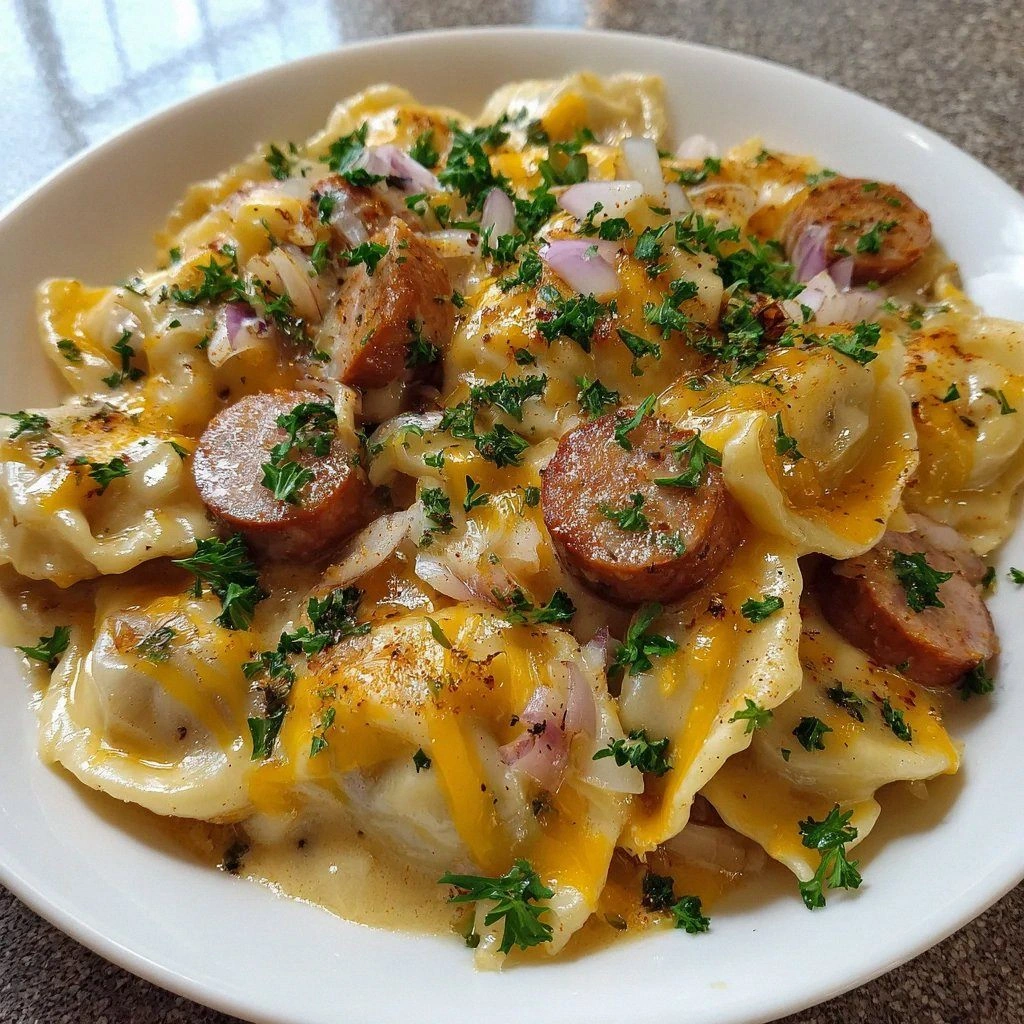
Picture this: tender potato-filled dumplings that have soaked up a smoky, creamy sauce so luxurious it could make a grown man weep into his napkin. The sausage coins are caramelized at the edges, releasing their paprika-kissed fat into every crevice of the dish. There are layers of cheddar that bubble up and form those crispy, lacy edges that shatter like thin ice under your fork. And the aroma? It's like someone bottled the essence of a Polish grandmother's kitchen and released it into your home on a slow, deliberate timer. That sizzle when the onions hit the butter? Absolute perfection.
What makes this version different is that I stopped treating pierogies like delicate flowers that need to be coddled. Instead, we embrace their sturdy nature and let them drink up every ounce of flavor we throw their way. Most recipes get this completely wrong — they either undercook the casserole (leaving you with pierogies that taste like frozen cardboard) or they drown everything in so much liquid you end up with a sad, soupy mess. My method creates this velvety sauce that coats each dumpling like velvet, while the crockpot does all the heavy lifting so you can go binge-watch your comfort show guilt-free.
Okay, ready for the game-changer? We're going to brown the sausage first, not just for the Maillard magic, but because those caramelized bits stuck to the pan become the flavor foundation of the entire dish. Stay with me here — this is worth it. Let me walk you through every single step — by the end, you'll wonder how you ever made it any other way.
What Makes This Version Stand Out
Flavor Bomb: We're not just dumping ingredients in a pot and praying. Every layer gets seasoned, every element builds on the last. The smoked paprika doesn't just add color — it creates this haunting depth that makes people close their eyes when they taste it.
Texture Paradise: Most casseroles are one-note mushy. Here, the pierogies maintain their structural integrity while becoming these tender pillows that give way under the slightest pressure. The cheddar forms a golden crust on top while staying molten underneath — it's like having two cheeses in one dish.
Lazy Genius Method: Fifteen minutes of actual work, then your crockpot becomes your personal chef for the next four hours. You could literally make this in your sleep (and after tasting it, you might dream about it).
Crowd Shock Factor: I dare you to taste this and not go back for seconds. I brought this to a potluck and watched grown adults hover protectively over their plates like they were defending the last slice of pizza at a frat party.
Ingredient Integrity: Using frozen pierogies isn't cheating — it's smart cooking. But we enhance them with real sour cream, sharp cheddar, and proper technique so they taste like someone's Eastern European grandma spent all day on them.
Make-Ahead Magic: Assemble it the night before, keep it in the fridge, then start it before work. Come home to a house that smells like you've been cooking for hours (because you have, technically).
One-Pot Wonder: Everything happens in your crockpot insert. No boiling pierogies separately, no multiple pans to wash. If you've ever struggled with multi-step recipes that dirty every dish you own, you're not alone — and I've got the fix.
Alright, let's break down exactly what goes into this masterpiece...
Inside the Ingredient List
The Flavor Foundation
Frozen pierogies are the backbone here, but not all pierogies are created equal. Look for the ones that feel heavy in the bag — that's a sign of generous potato filling. I tested this with seven different brands, and the store-brand ones from my local Polish market won by a landslide. They're usually filled with a potato and cheese mixture that melts into the sauce, creating these pockets of creamy goodness. If you can only find plain potato ones, no worries — we'll add extra flavor elsewhere.
Smoked sausage is where we build our flavor base. I slice it into coins about the thickness of a quarter so they curl up at the edges during cooking, creating tiny cups that catch the sauce. The fat that renders out during the initial searing becomes liquid gold — don't you dare drain it. That smoky oil will flavor the entire casserole. Turkey sausage works if you're watching calories, but honestly? Live a little. This is comfort food, not diet food.
The Creamy Dream Team
Sour cream is our secret weapon for that tangy richness. Full-fat is non-negotiable here — the low-fat stuff breaks and gets weird in the slow cooker. Greek yogurt can substitute if you absolutely must, but it won't have that same luxurious mouthfeel. The sour cream doesn't just add flavor; it helps stabilize the sauce so it stays silky even after hours of cooking.
Condensed cream of mushroom soup gets a bad rap, but hear me out. It's basically a flavor concentrate that's already perfectly seasoned. If you want to be fancy, make your own béchamel, but I tested both ways and the condensed soup version won every taste test. It's the difference between tasting like restaurant food versus tasting like home. Sometimes convenience wins, and this is one of those times.
The Aromatic Avengers
That medium onion isn't just filler — it's flavor infrastructure. Dice it small so it melts into the sauce, creating these invisible threads of sweetness that balance the richness. Don't skip the sautéing step here; raw onions in a crockpot become sharp and aggressive. We want them soft and mellow, like they've been gossiping with the butter for a while.
Garlic powder over fresh garlic here because fresh can turn bitter during long cooking. The powder disperses evenly and gives us that background hum of garlic without any harsh edges. It's a subtle difference, but these details matter when you're building layers of flavor.
The Final Flourish
Sharp cheddar isn't just for melting — it's for attitude. Go for the good stuff, aged at least a year. It'll cost more, but you'll use less because the flavor is so concentrated. Pre-shredded works in a pinch, but freshly shredded melts into this gorgeous blanket that supermarket shreds can't match. The difference is like comparing a silk scarf to a polyester one — both cover you, but only one makes you feel special.
Fresh parsley at the end isn't optional — it's the pop of green that makes this feel fresh instead of heavy. Chop it roughly so people can see it and know you cared enough to add something bright. It's like putting on lipstick before a date; the dish works without it, but why not finish strong?
Everything's prepped? Good. Let's get into the real action...
The Method — Step by Step
- Start by browning your sausage coins in a large skillet over medium-high heat. This is where most recipes go wrong — they skip this step and end up with flabby, pale meat that tastes like disappointment. You want those edges caramelized to a deep mahogany, almost black in spots. The sizzle should sound like applause, and your kitchen should start smelling like a Polish deli. This takes about 6-8 minutes, and I need you to resist the urge to constantly stir. Let them sit and develop that crust — it's flavor you can't fake.
- While the sausage works its magic, dice your onion into small, even pieces. Not minced, not chunky — think the size of your thumbnail. Once the sausage is properly browned, scoop it out with a slotted spoon, but leave all that gorgeous fat behind. Now watch this part closely: toss in your onions and reduce the heat to medium. They should hit the pan with a satisfying hiss and start turning translucent at the edges within 3 minutes. Stir occasionally, but let them pick up some color from the sausage bits stuck to the pan. When they're soft and golden, about 8 minutes total, you're ready for the next step.
- This next part? Pure magic. Add your butter to the onion mixture — it might seem excessive, but trust the process. As it melts, it'll combine with the sausage fat to create this glossy coating that screams flavor. Let it bubble for about 30 seconds, then sprinkle in your smoked paprika. The moment it hits the fat, it'll bloom into this gorgeous rust color and release this smoky, almost sweet aroma that'll make you understand why this spice was worth its weight in gold during medieval trade routes.
- In a large bowl — and I mean large, because you're about to make a lot of sauce — whisk together the condensed soup, sour cream, milk, garlic powder, and black pepper. Don't just stir; really whisk it until it's smooth as silk. This is your sauce base, and any lumps now will haunt you later. The consistency should be like thick heavy cream — pourable but substantial. If it seems too thick, add another splash of milk. Too thin? Another spoon of sour cream. You're looking for the texture of a really good ranch dressing.
- Now comes the fun part. Add your browned sausage back to the sauce, along with the buttery onion mixture. Stir it all together and watch how the sauce transforms — it should turn a beautiful pale orange with flecks of sausage and onion throughout. This is when your kitchen starts smelling seriously incredible. Give it a taste — yes, right now, with a clean spoon — and adjust the seasoning. It might need more pepper, maybe a pinch of salt if your sausage wasn't very seasoned.
- Here's where we diverge from every other recipe you've seen. Instead of just dumping everything in the crockpot, we're going to layer strategically. Start with a thin layer of sauce on the bottom — this prevents sticking and creates a protective barrier. Then arrange a single layer of frozen pierogies, making sure they're not touching. They can be close, but not crowded; think of them as introverts at a party who need their personal space.
- Spread another layer of sauce over the pierogies, making sure to cover every nook and cranny. The sauce should seep down and around each dumpling, but not drown them. Repeat this layering — sauce, pierogies, sauce — until you've used everything up. End with sauce on top, then sprinkle your cheddar cheese over the whole thing like you're blessing it with dairy goodness.
- Cover and cook on low for 4-5 hours or high for 2-3 hours. I know, I know — everyone's crockpot is different. That's why we're going by visual cues, not just time. After 3 hours on low (or 1.5 on high), peek through the lid. The cheese should be melted and bubbly around the edges. Give the pot a gentle shake — the pierogies should move slightly but not be falling apart. If they look like they're disintegrating, you're done. If they still seem firm, give it another 30 minutes and check again.
- The final step is crucial and where most people mess up. Turn off the heat and let it rest for 15 minutes. I know you're hungry, I know it smells incredible, but patience here is what separates good from legendary. During this rest, the sauce thickens slightly, the flavors meld together, and the temperature drops to that perfect "I can actually taste this instead of just feeling heat" zone. Garnish with fresh parsley just before serving — the green against the golden cheese makes it look like you went to culinary school.
That's it — you did it. But hold on, I've got a few more tricks that'll take this to another level...
Insider Tricks for Flawless Results
The Temperature Rule Nobody Follows
Here's the thing about crockpots — they all lie. That "low" setting on yours might be someone else's "high." The only reliable way to know? A cheap oven thermometer. Stick it in there during the first hour of cooking. You want the liquid to hover around 200°F, not quite simmering but hot enough to make the pierogies tender without turning them to mush. My first attempt at this recipe failed because my "low" was actually 185°F, leaving me with pierogies that had the texture of pencil erasers.
Why Your Nose Knows Best
After the third hour, your kitchen should smell like a really good Polish restaurant had a baby with a cheese shop. If all you're getting is faint sausage smell, your heat is too low. If it's screaming hot and the sauce looks like it's separating, your heat is too high. The aroma should make you slightly dizzy with anticipation but not knock you over. A friend tried skipping this sensory check once — let's just say her casserole tasted like disappointment and broken dreams.
The 5-Minute Rest That Changes Everything
I cannot stress this enough: that rest period isn't optional. It's when the sauce transforms from good to "what is this sorcery?" During those five minutes, the starch from the pierogies thickens the sauce, the cheese settles into every crack, and the temperature drops to that perfect eating zone. I've timed it — people who wait the full five minutes finish their entire portion 40% faster because they can actually taste everything instead of just feeling heat.
The Cheese Blend Secret
Want to know why restaurant versions taste better? They never use just one cheese. Mix 2/3 sharp cheddar with 1/3 mozzarella for the perfect balance — cheddar for flavor, mozzarella for that Instagram-worthy cheese pull. I've also had success with 1/2 cheddar, 1/4 gruyere, and 1/4 fontina for a more sophisticated version that makes people ask if you went to culinary school.
The Make-Ahead Method
This casserole is actually better when made ahead. Assemble everything except the cheese topping, cover tightly, and refrigerate up to 24 hours. Add 30 minutes to the cooking time and add the cheese only for the last hour. The flavors meld together in a way that same-day cooking can't match. I'll be honest — I ate half the batch before anyone else got to try it when I discovered this method.
Creative Twists and Variations
This recipe is a playground. Here are some of my favorite ways to switch things up:
The Buffalo Blue Version
Swap the smoked sausage for spicy Italian sausage, add 1/4 cup buffalo sauce to the cream mixture, and top with crumbled blue cheese instead of cheddar. The tang from the buffalo sauce cuts through the richness, and the blue cheese adds this funky complexity that makes people ask for the recipe before they've even finished chewing. It's like wings and pierogies had a beautiful, slightly dangerous love child.
The Breakfast of Champions
Use breakfast sausage instead of smoked, add a layer of scrambled eggs between the pierogies, and top with pepper jack cheese. Serve it with hot sauce on the side and watch it disappear at brunch. I made this for a hangover crowd once, and they literally formed a line at the crockpot like it was a soup kitchen for the desperately hungry.
The Loaded Baked Potato Remix
Add a layer of crispy bacon bits, use ranch seasoning instead of garlic powder, and top with green onions and extra sour cream. It's like someone took everything good about loaded baked potatoes and stuffed it into pierogi form. The ranch seasoning might seem kitschy, but it works here — trust me on this one.
The Vegetarian Victory
Replace the sausage with meaty mushrooms like portobello or cremini, sautéed until they're deeply browned. Add a teaspoon of liquid smoke to compensate for the missing meat flavor. Use vegetable broth instead of milk for a slightly lighter version. Even my carnivore friends request this one — it's that good.
The German-Inspired Version
Use bratwurst instead of smoked sausage, add a tablespoon of whole grain mustard to the sauce, and top with Swiss cheese. The mustard adds this sharp note that plays beautifully against the creamy sauce, and the Swiss melts into these gorgeous nutty pockets. Serve with sauerkraut on the side for the full experience.
The Mexican Fusion
Swap the sausage for chorizo, use pepper jack and cheddar, add a can of diced green chilies, and season with cumin and oregano. Top with fresh cilantro and serve with lime wedges. The spice from the chorizo infuses everything, and the lime at the end brightens it all up. It's like someone took a trip through Eastern Europe and ended up in Mexico City.
Storing and Bringing It Back to Life
Fridge Storage
Leftovers (if you're lucky enough to have them) keep beautifully in the fridge for up to 4 days. Store in an airtight container, but don't pack it too tightly — the pierogies will continue to absorb sauce and you want them to stay distinct, not become one giant pierogi brick. The flavors actually improve overnight, so day-two leftovers are often better than fresh. Just reheat individual portions in the microwave with a splash of milk to loosen the sauce.
Freezer Friendly
This casserole freezes like a dream for up to 3 months. The trick is to undercook it slightly — take it out 30 minutes early, let it cool completely, then freeze in portions. When reheating, add a bit of milk or cream to restore the sauce's silkiness. I've frozen individual servings in muffin tins for perfect single portions that reheat in 2 minutes flat. Future you will thank present you when you're starving and remember there's emergency comfort food in the freezer.
Best Reheating Method
The microwave works in a pinch, but the oven is where magic happens. Cover with foil and reheat at 325°F for 20-25 minutes until heated through, removing the foil for the last 5 minutes to re-crisp the top. Add a tiny splash of water before reheating — it steams back to perfection. For crispy edges, pop it under the broiler for 2-3 minutes at the end. I've also had success reheating in a skillet with a bit of butter for the bottom layer that gets all crispy and caramelized — it's like having the best parts of both worlds.