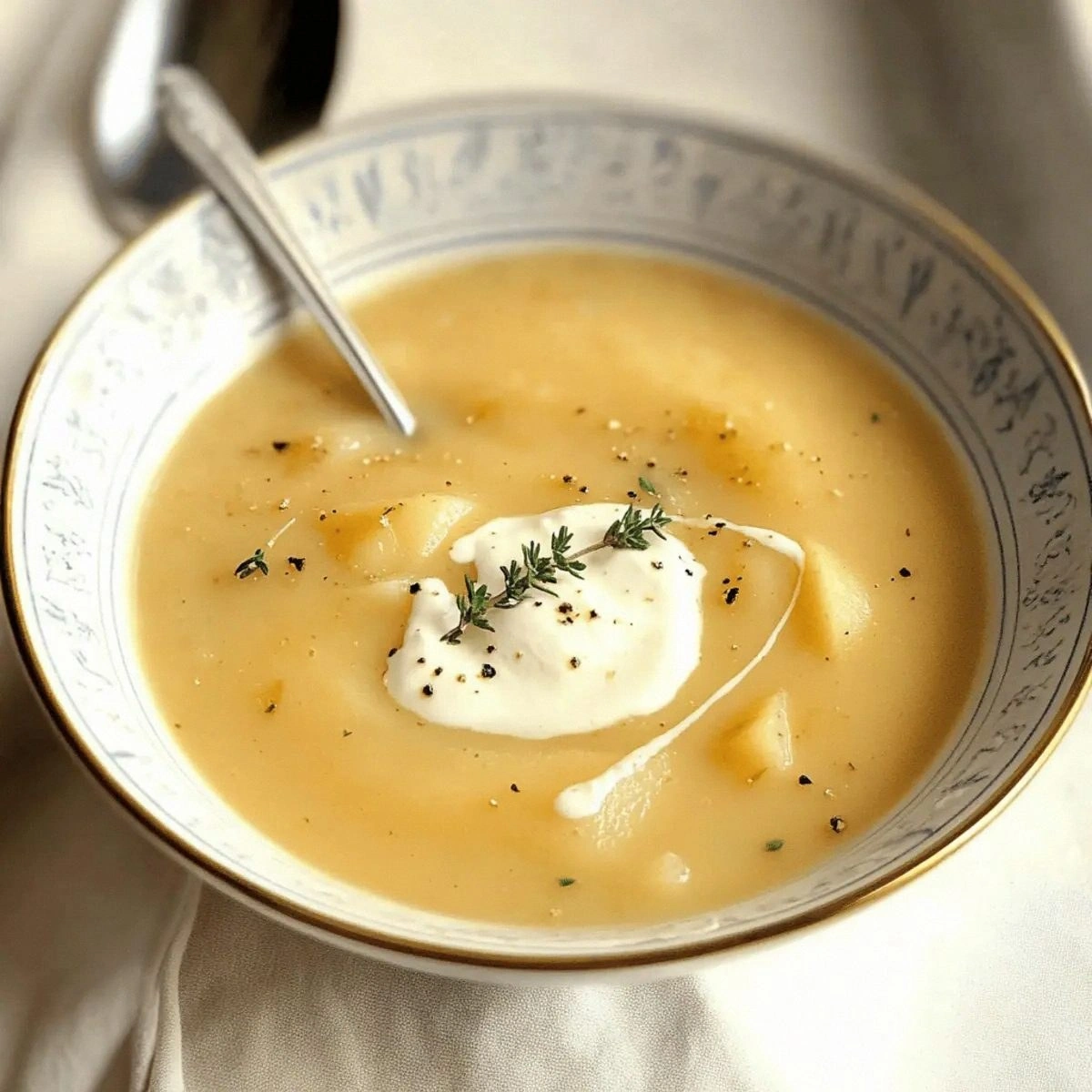
Picture this: a rainy Tuesday night, the kind where the sky looks like it’s been painted with charcoal, and the only thing you want is a bowl that feels like a warm hug from your favorite person. I was half‑asleep, scrolling through endless recipe blogs, when a friend dared me to “make something that actually tastes like autumn in a bowl, but without the pumpkin.” I laughed, accepted the challenge, and what happened next was a kitchen disaster‑turned‑delicious‑miracle that changed my soup game forever. I tossed a few pears, some potatoes, and a splash of maple syrup into a pot, and the result was a creamy, sweet‑savory masterpiece that made me forget every bland broth I’d ever known.
The first whiff was pure magic: the buttery onions caramelizing with a whisper of thyme, the earthy scent of potatoes mingling with the subtle perfume of ripe pears, and a faint, almost intoxicating hint of nutmeg that made my nose do a little happy dance. The sound? A gentle simmer that sounded like a lullaby, the kind that tells you everything’s going to be okay. My hands felt the heat of the pot, the weight of the wooden spoon as I stirred, and the soft, velvety texture of the soup as I pureed it into a silky river of comfort. When I finally tasted it, the flavors hit my palate like a soft, buttery curtain—sweet, salty, a touch of heat, and a lingering finish that made me want to curl up on the couch and never leave.
What sets this version apart from every other pear‑potato soup you’ve ever seen (or never tried) is the balance of sweet and savory, the depth that comes from layering flavors, and the fact that I’m using Grey Poupon Dijon mustard—yes, the fancy mustard that adds a subtle tang and a luxurious mouthfeel that most recipes completely skip. Most soups either drown the pear’s delicate sweetness in too much broth or forget the crucial finishing touch of crème fraîche that turns a good soup into a velvety dream. I’m also throwing in a pinch of nutmeg and a dash of red pepper flakes for that whisper of warmth that makes you think, “Is it a soup or a cozy blanket?”
Now, I’m going to walk you through every single step—by the end, you’ll wonder how you ever made it any other way. I’ll spill the beans (and the butter), share the exact moments when the soup transforms, and even give you a few secret hacks that will make your kitchen feel like a five‑star test kitchen. So grab your apron, keep those taste buds ready, and let’s dive into the ultimate Creamy Pear Potato Soup for Cozy Comfort Food Nights.
What Makes This Version Stand Out
- Flavor Harmony: The sweet pears and maple syrup dance with the earthy potatoes, while the mustard and thyme add depth that keeps the palate intrigued.
- Velvety Texture: Blending boiled potatoes with crème fraîche creates a silk‑smooth body that coats your tongue like a cashmere sweater.
- Simplicity Meets Sophistication: Only twelve ingredients, yet each one is chosen to elevate the whole, so you don’t need a pantry full of exotic items.
- Unexpected Star: Grey Poupon Dijon mustard—most recipes skip it, but it adds a subtle acidity that cuts through the sweetness perfectly.
- Crowd‑Pleaser: I dare you to taste this and not go back for seconds; even the pickiest eaters will beg for more.
- Ingredient Quality: Using ripe, fragrant pears and fresh thyme makes a world of difference—think of it as the difference between store‑bought and artisan.
- One‑Pot Wonder: Everything cooks in the same pot, which means less cleanup and more time to enjoy the soup’s aroma filling your home.
- Make‑Ahead Magic: This soup actually improves after a night in the fridge, as the flavors meld and deepen.
Alright, let's break down exactly what goes into this masterpiece...
Inside the Ingredient List
The Flavor Base
Butter (2 tbsp): Butter is the silent hero that carries the aromatics. It creates a glossy, rich foundation that lets the onion and garlic release their sweetness without burning. If you skip it, you’ll lose that buttery mouthfeel that makes the soup feel indulgent. Swap: Use a quality plant‑based butter for a dairy‑free version, but don’t skimp on the richness.
The Texture Crew
Boiling Potatoes (4 cups): These are the backbone of the soup’s body. Boiling them first ensures they’re perfectly tender, so when you blend, they turn into a silk‑smooth canvas. Using waxy potatoes will give you a firmer texture, while starchy ones like Russets create a fluffier mouthfeel. Tip: Peel them for an ultra‑smooth finish, or leave the skins on for extra fiber and rustic charm.
Carrots (2 medium): Carrots add a subtle earthiness and a hint of natural sweetness that complements the pears without overpowering them. They also contribute a beautiful golden hue once blended. If you’re avoiding carrots, try a small sweet potato cube for a similar texture and color.
The Unexpected Star
Pears (4 pieces): Ripe, firm pears are the secret weapon. Their gentle sweetness balances the savory broth, while their fibers help thicken the soup naturally. Choose Bosc or Anjou pears for their firm flesh that holds up during cooking. If you pick overripe pears, the soup can become mushy and overly sweet.
Maple Syrup (3 tbsp): A drizzle of pure maple syrup adds depth and a caramel‑like undertone that mimics slow‑roasted vegetables. It also helps to brighten the overall flavor profile. In a pinch, honey works, but the flavor will shift slightly toward floral notes.
The Final Flourish
Cream Fraîche (1 cup): This is the final touch that turns a good soup into a luxurious one. Its slight tang cuts through the sweetness, while its fat content creates that velvety finish. If you can’t find crème fraîche, use a mixture of Greek yogurt and a splash of heavy cream.
Grey Poupon Dijon Mustard (1 tbsp): This mustard adds a subtle heat and depth that you won’t get from plain mustard. It also helps emulsify the soup, giving it a smoother texture. Skipping it will make the soup feel flat; you’ll miss that little zing that makes every spoonful exciting.
Everything's prepped? Good. Let's get into the real action...
The Method — Step by Step
First, melt the 2 tablespoons of butter in a large, heavy‑bottomed pot over medium heat. Once it’s shimmering, add the finely diced sweet onion and let it sweat for about 4‑5 minutes, stirring occasionally. You’ll hear a gentle sizzle that tells you the onion is softening without browning—this is the moment where the foundation of flavor starts to build. Add the minced garlic and cook for another minute until it becomes fragrant, but watch it closely; garlic can go from golden to bitter in seconds.
Now, sprinkle in the sea salt, fresh thyme, and a pinch of nutmeg. The salt begins to draw out the natural sugars from the onion, creating a caramelized aroma that fills the kitchen like a promise of comfort. The thyme releases its piney notes, while the nutmeg adds a whisper of warmth that you’ll only notice later in the tasting. Power transition: Okay, ready for the game‑changer?
Stir in the maple syrup and the Dijon mustard, letting them melt into the aromatic base. The syrup will caramelize slightly, giving the soup a subtle amber hue, while the mustard emulsifies the mixture, preventing any separation later on. At this point, the pot smells like a fall market stall—sweet, tangy, and irresistibly inviting.
Time to add the star ingredients: toss in the cubed potatoes, sliced carrots, and pear pieces. Pour in the 4 cups of broth (vegetable or chicken, your choice). The broth should be hot—if you’re using store‑bought, give it a quick boil before adding. Bring everything to a gentle boil, then reduce to a simmer. Cover the pot and let it cook for 20‑25 minutes, or until the potatoes and pears are fork‑tender. You’ll notice the broth turning a soft gold, and the scent will become richer, like a slow‑cooked stew.
Once the vegetables are tender, remove the pot from heat. Using an immersion blender, puree the soup until it’s completely smooth. If you prefer a slightly textured soup, blend only half and leave the rest chunky. The immersion blender creates a vortex that pulls every flavor into a cohesive whole—watch the soup turn from rustic to runway‑ready in seconds.
Stir in the crème fraîche, letting it melt into the hot soup. This is the moment of truth: the soup should instantly become lusciously creamy, with a glossy finish that reflects the light. Add the red pepper flakes now, adjusting to your heat tolerance. Taste and adjust salt or a drizzle more maple syrup if you crave extra sweetness.
Finally, let the soup sit for 5 minutes. This resting period lets the flavors marry fully—think of it as a short nap for your soup. While it rests, the heat evens out, and the creaminess settles, ensuring every spoonful is consistently perfect.
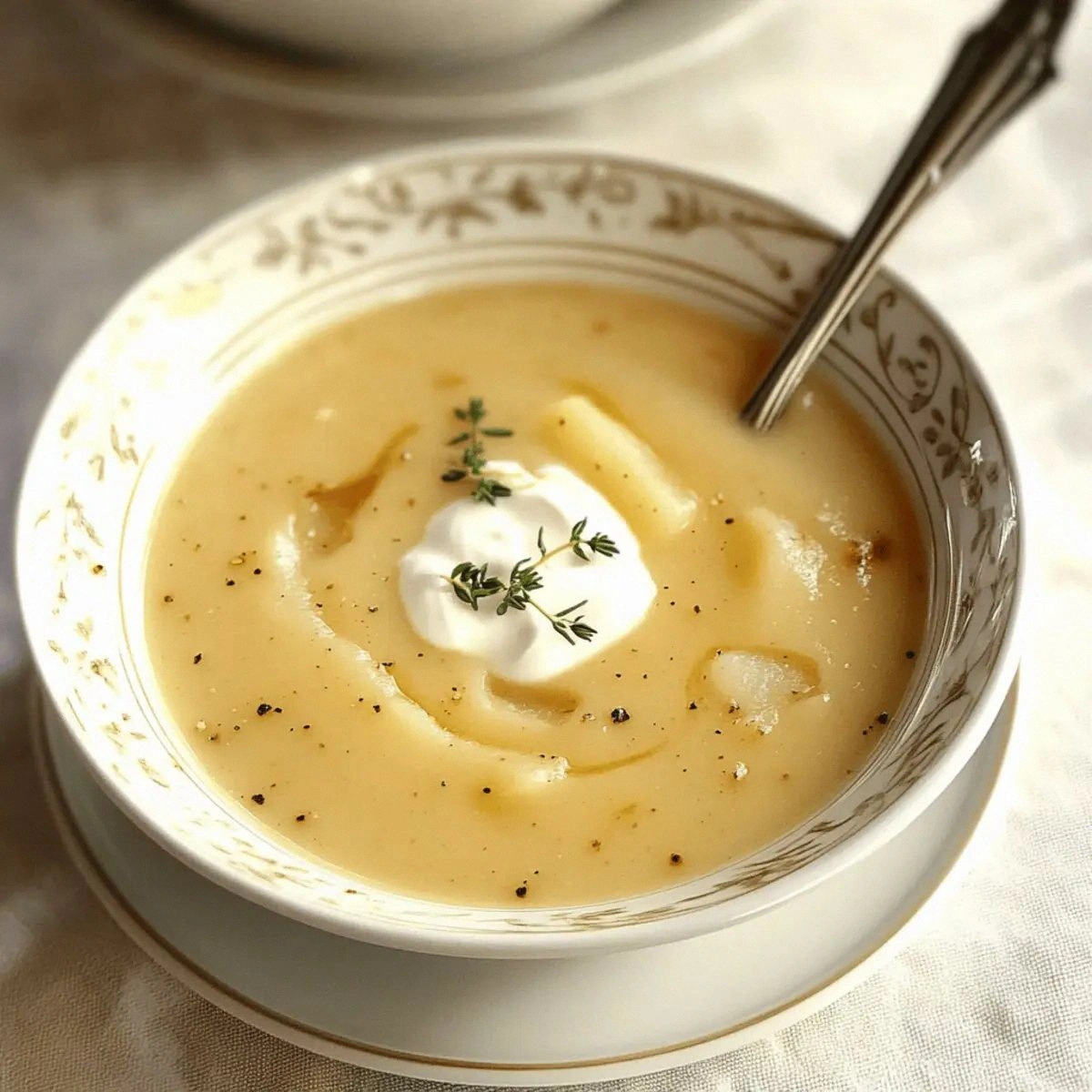
Serve in warmed bowls, garnish with a drizzle of crème fraîche, a few extra thyme leaves, and perhaps a thin slice of pear for visual flair. Picture yourself pulling this out of the oven, the whole kitchen smelling incredible, and your guests leaning in for that first aromatic sip. This next part? Pure magic.
That's it — you did it. But hold on, I've got a few more tricks that'll take this to another level...
Insider Tricks for Flawless Results
The Temperature Rule Nobody Follows
Never blend a boiling soup directly; let it cool just enough so the steam doesn’t scorch your blender. I once blended a screaming hot pot and ended up with a splatter disaster that could've redecorated my kitchen. Letting the soup rest for 3‑5 minutes after simmering brings it down to a safe blending temperature, and the texture becomes silkier because the starches settle just right.
Why Your Nose Knows Best
Trust the aroma as your guide. When the onions turn translucent and start to smell sweet, you’re ready for the garlic. When the broth shifts from watery to a buttery gold, that’s the cue to add the carrots and pears. Your nose is an underrated sous‑chef; if something smells off, adjust seasoning before it becomes a problem.
The 5‑Minute Rest That Changes Everything
After blending, let the soup rest uncovered for five minutes. This short pause allows the crème fraîche to fully integrate, giving the soup a glossy sheen and a uniform temperature. Skipping this step often results in a slightly grainy mouthfeel because the fat hasn’t fully emulsified.
Seasoning in Layers, Not All at Once
Adding salt gradually—first with the onions, then a final pinch after the cream—prevents over‑salting and ensures each component is seasoned perfectly. I once added all the salt at the end and ended up with a soup that tasted like seawater; the lesson? Build flavor step by step.
Garnish Like a Pro
Finish with a tiny drizzle of maple syrup and a few micro‑thyme leaves. The micro‑greens add a fresh pop, while the syrup adds a glimmer of sweetness that catches the eye. It’s a visual cue that says, “This isn’t just soup; it’s an experience.”
Creative Twists and Variations
This recipe is a playground. Here are some of my favorite ways to switch things up:
Spicy Autumn Blaze
Swap the red pepper flakes for a teaspoon of chipotle in adobo sauce, and add a dash of smoked paprika. The smoky heat pairs beautifully with the sweet pears, turning the soup into a cozy fire‑starter for chilly evenings.
Herbaceous Garden
Replace thyme with fresh sage and a handful of chopped rosemary. The earthy herbs give the soup a woodland vibe, perfect for serving alongside roasted root vegetables.
Cheesy Indulgence
Stir in ½ cup of grated Gruyère just before adding the crème fraîche. The cheese melts into the broth, adding a nutty richness that makes the soup feel like a decadent gratin in a bowl.
Vegan Velvet
Swap butter for coconut oil, use vegetable broth, replace crème fraîche with cashew cream, and keep the Dijon mustard (most are vegan). The result is a plant‑based version that still boasts that luxurious mouthfeel.
Winter Citrus Twist
Add a splash of orange zest and a tablespoon of orange marmalade in place of maple syrup. The citrus brightens the soup, making it a refreshing contrast to the winter chill.
Protein Power
Fold in shredded cooked chicken or turkey after blending for a heartier, protein‑packed meal. The poultry absorbs the soup’s flavors, turning a simple starter into a complete dinner.
Storing and Bringing It Back to Life
Fridge Storage
Transfer the cooled soup to an airtight container and store it in the refrigerator for up to 4 days. The flavors will deepen, and the texture may thicken slightly—just give it a good stir before reheating.
Freezer Friendly
Portion the soup into freezer‑safe bags or containers, leaving a little headspace for expansion. Freeze for up to 3 months. When ready, thaw overnight in the fridge, then reheat gently on the stove.
Best Reheating Method
Reheat over low‑medium heat, stirring frequently. Add a splash of water or broth—just a tablespoon or two—to loosen the consistency, then finish with a fresh dollop of crème fraîche for that original silkiness. This tiny splash of water before reheating steams the soup back to perfection.