I was standing in my kitchen, staring at a stack of burnt lasagna sheets that had turned a sad, dark brown, and the air was thick with the scent of disappointment. That night, a friend dared me to remake the dish using only pantry staples and a dash of confidence. I laughed, but as I tasted the first bite of my experimental creation, I knew I’d stumbled on something that would change my culinary life forever. The sauce, silky and velvety, clung to each noodle like a secret, while the chicken sang a savory chorus that could not be ignored. If you’ve ever thought lasagna was just a comfort food, think again—this is a comfort that’s also a revelation. Let me walk you through every single step — by the end, you’ll wonder how you ever made it any other way.
What Makes This Version Stand Out
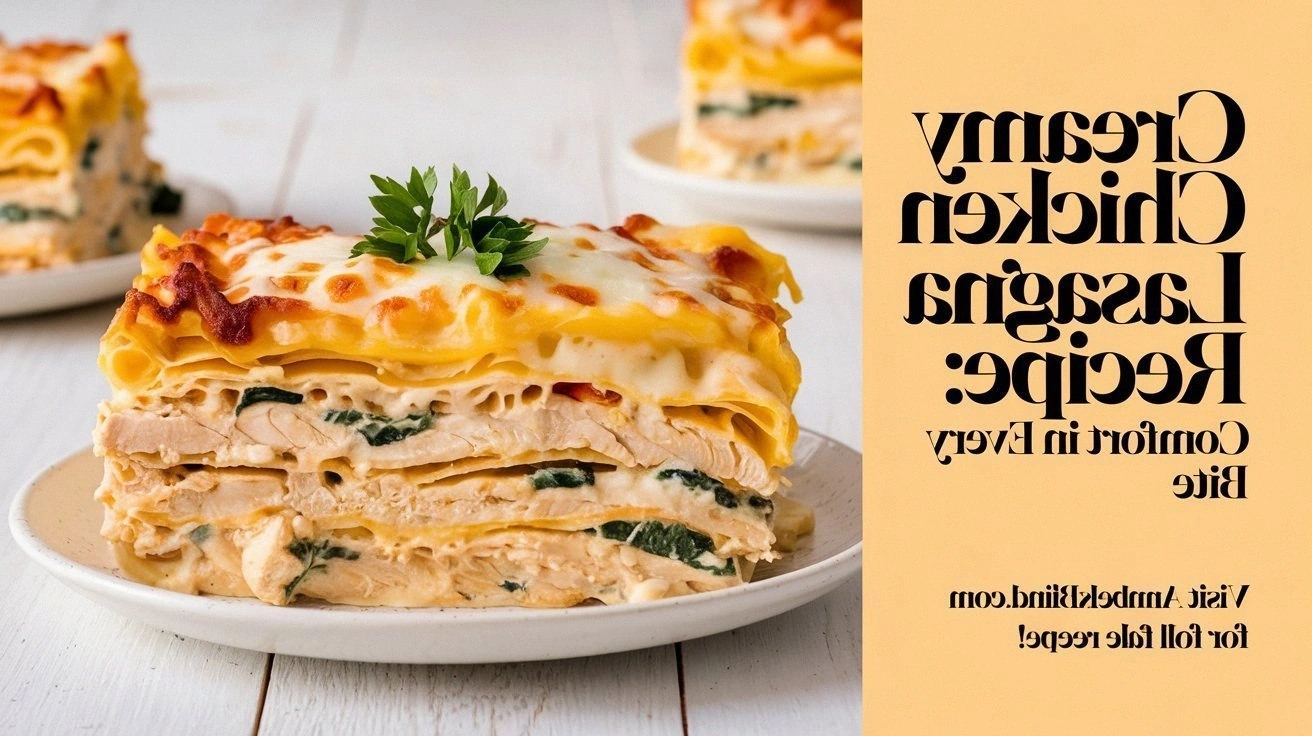
The secret sauce of this lasagna is its creamy backbone—heavy cream and ricotta blended with a beaten egg create a silk‑smooth coating that elevates the dish from ordinary to unforgettable. Texture: The noodles are al dente, offering a satisfying bite that balances the cream’s richness. Flavor: Garlic, onion, oregano, and basil weave through the layers, while a splash of chicken broth adds depth and prevents the dish from feeling dry. Ease: No pre‑baking required; the lasagna cooks in a single pot, saving you time and dishware. Versatility: Swap chicken for ground turkey or beef, and you’ll get the same luscious result. Crowd‑pleaser: The layers of cheese melt into a golden crust that crunches like a perfectly toasted baguette. Ingredient Quality: Fresh herbs and a good cheese make the difference between “good” and “wow.” Make‑ahead: Assemble and refrigerate; the flavors meld overnight, making it a perfect meal prep option.
Inside the Ingredient List
The Flavor Base
The foundation of any great lasagna is the sauce. A humble mix of sautéed onions, garlic, and a splash of chicken broth forms the aromatic base. The broth’s subtle sweetness balances the acidity of the tomatoes, while the garlic’s warmth lingers long after each bite. If you skip the broth, you’ll end up with a sauce that’s too thick and lacks depth. For a vegetarian version, replace the broth with vegetable stock and use plant‑based cheese.
The Texture Crew
Noodles are the unsung heroes that carry the sauce and cheese. Using no‑boil sheets saves time, but if you prefer the classic pasta feel, pre‑cook them until just shy of al dente. The ricotta and heavy cream form a silky layer that clings to the noodles, while the shredded mozzarella and Parmesan create a bubbly, golden top. Skipping the egg will result in a thinner filling that won’t set as well. If you’re watching calories, swap heavy cream for low‑fat milk and add a touch of flour to thicken.
The Unexpected Star
Fresh spinach adds a pop of color and a dose of vitamins that elevate the dish from comfort to wholesome. It also helps to bind the layers, giving the lasagna a subtle, earthy undertone. If you’re not a fan of spinach, try chopped arugula for a peppery kick or sautéed mushrooms for a meaty texture. The trick is to wilt the greens before layering so they don’t release too much water during baking. This small addition transforms the dish into a multi‑layered flavor experience.
The Final Flourish
A sprinkle of fresh parsley and a dash of red pepper flakes finish the lasagna with a burst of freshness and a gentle heat that cuts through the richness. The parsley’s bright green hue also gives a visual appeal that makes the dish Instagram‑ready. If you prefer a milder version, omit the flakes and add a pinch of nutmeg to the ricotta mixture for a warm, comforting note. The final flourish is what turns an ordinary meal into a memorable one.
Everything's prepped? Good. Let's get into the real action.
The Method — Step by Step
- Preheat your oven to 375°F (190°C). In a large skillet, heat olive oil over medium heat and sauté diced onion until translucent, about 3 minutes. Add minced garlic and cook for another 30 seconds until fragrant. This is the moment of truth—watch the aroma rise; it’s a sign that the base is ready.
- Pour in the chicken broth and let it reduce slightly for 2 minutes. Stir in the cooked shredded chicken and let it mingle with the broth, absorbing the flavors. Keep the heat low to prevent the liquid from evaporating too quickly. The mixture should thicken into a silky sauce that coats the back of a spoon.
- In a separate bowl, combine ricotta, heavy cream, beaten egg, grated Parmesan, oregano, basil, salt, pepper, and a pinch of red pepper flakes. Whisk until smooth; the mixture should be creamy and cohesive. This ricotta blend is the heart of the lasagna, delivering both moisture and richness.
- If using regular lasagna noodles, bring a large pot of salted water to a boil and cook the noodles for 8 minutes, then drain and rinse under cold water. For no‑boil sheets, simply lay them flat on a tray to keep them from sticking. The noodles should still have a slight bite to hold up during baking.
- Spread a thin layer of the chicken sauce in the bottom of a 9x13 inch baking dish. Place a single layer of noodles over the sauce, slightly overlapping to ensure even coverage. This layering technique ensures every bite has that classic lasagna feel.
- Spread half of the ricotta mixture over the noodles, then sprinkle a third of the shredded mozzarella and a handful of spinach. Repeat the layering: sauce, noodles, ricotta, mozzarella, spinach. Finish with a final layer of noodles topped with the remaining sauce.
- Cover the dish with aluminum foil and bake for 25 minutes. Remove the foil, sprinkle the remaining mozzarella and Parmesan on top, and bake for an additional 10 minutes until the cheese is bubbling and golden. The foil keeps the lasagna moist, while the final bake creates that coveted crispy crust.
- Let the lasagna rest for 10 minutes before slicing. This rest period allows the layers to set, making the dish easier to cut and ensuring the flavors meld. While it rests, sprinkle fresh parsley for a pop of color. Serve hot and watch your guests ask for seconds—yes, I dare you to taste this and not go back for seconds.
That's it — you did it. But hold on, I've got a few more tricks that'll take this to another level.
Insider Tricks for Flawless Results
The Temperature Rule Nobody Follows
Many people bake lasagna at a high temperature for a short time, but this creates uneven cooking. Set your oven to 375°F (190°C) and let the lasagna bake for 35 minutes total. The moderate heat allows the cheese to melt evenly and the sauce to thicken without scorching the top. I once tried 425°F and the crust burnt while the inside stayed undercooked—don’t make that mistake.
Why Your Nose Knows Best
When the lasagna is halfway through baking, open the door for a quick sniff. If the scent is buttery and slightly caramelized, you’re on the right track. If it smells raw, the oven might be too hot or the sauce too watery. Trust your nose; it’s a reliable indicator of doneness.
The 5-Minute Rest That Changes Everything
Resting the lasagna for at least 10 minutes before cutting is crucial. During this time, the cheese sets, the flavors meld, and the structure stabilizes. Cutting too early will result in a soggy mess. I once sliced it immediately and it fell apart—don’t repeat that.
Layering Order Matters
Start with sauce, then noodles, then ricotta, mozzarella, spinach, and repeat. This order ensures moisture is trapped between layers, preventing dryness. Skipping the spinach or swapping the order can lead to uneven textures.
Cheese Selection Is Key
Use a blend of mozzarella and a high‑melting cheese like provolone or fontina. A single cheese can lead to a rubbery texture. Mixing cheeses creates a silky melt and a richer flavor profile. I’ve found that adding a touch of gorgonzola to the ricotta mix adds a depth that elevates the dish.
Creative Twists and Variations
This recipe is a playground. Here are some of my favorite ways to switch things up:
Mediterranean Twist
Swap the chicken for grilled shrimp, add sun‑dried tomatoes, and finish with a drizzle of pesto. The briny shrimp pairs beautifully with the creamy sauce, and the pesto adds a herbaceous kick that feels like a vacation.
Vegetarian Delight
Replace the chicken with sautéed mushrooms and zucchini. Use a mix of ricotta and cottage cheese for a lighter texture. The earthy vegetables create a comforting yet sophisticated flavor profile that satisfies meat‑lovers and vegans alike.
Mexican Flair
Add black beans, corn, and a pinch of cumin to the ricotta mix. Top with shredded cheddar and a dollop of sour cream. The result is a lasagna that feels like a taco bake—unexpected but delicious.
Spicy Kick
Incorporate sliced jalapeños into the sauce and sprinkle crushed red pepper on the top layer. The heat will dance on the palate while the creamy base tames the flames. Perfect for those who love a little spice.
Breakfast Edition
Use leftover breakfast sausage, add a handful of spinach, and top with a sprinkle of shredded cheddar. Serve with a side of fresh fruit for a hearty, protein‑packed morning meal that feels like brunch.
Gluten‑Free Version
Use gluten‑free lasagna sheets and a low‑sodium chicken broth. Keep an eye on the sauce consistency, as gluten‑free noodles can absorb more liquid. The dish remains just as comforting, with a slightly different texture.
Storing and Bringing It Back to Life
Fridge Storage
Cool the lasagna to room temperature before covering tightly with aluminum foil or a lid. Store in the refrigerator for up to 4 days. When ready to eat, reheat in a 350°F oven for 20 minutes, or until heated through. The cheese will melt again, and the layers will feel fresh.
Freezer Friendly
Wrap the lasagna tightly in plastic wrap, then place in a freezer‑safe container. It will keep for up to 3 months. Thaw overnight in the refrigerator before reheating. For best results, bake at 350°F for 30 minutes after thawing, adding a splash of water to the bottom of the dish to keep it moist.
Best Reheating Method
The key to a great reheated lasagna is gentle heat. Use an oven set to 325°F, cover with foil to prevent the top from over‑browning, and reheat for 25 minutes. A quick splash of water or milk before reheating will steam the dish back to perfection, restoring that silky sauce you fell in love with.