Picture this: I was halfway through a midnight snack, scrolling through a recipe forum, when my blender exploded, splattering a half‑cup of protein powder across the counter. The kitchen smelled like a science experiment gone wrong, yet the temptation to salvage a decent breakfast was irresistible. I stared at the mess, muttered, “If I can’t make a proper protein pancake, I’ll just eat the powder.” That was the moment I decided to rewrite the entire recipe, turning a kitchen catastrophe into a culinary triumph. I’ve since been on a mission to create the ultimate vegan protein pancake that tastes like a cloud of buttery fluff and packs a protein punch that keeps you full through a brutal workday.
Now, let’s rewind. I was craving a quick, protein‑rich breakfast after a grueling gym session, and my pantry offered only a handful of staples: flour, protein powder, baking powder, a splash of oat milk, a drizzle of almond butter, and a spoonful of maple syrup. I imagined the pancake batter as a smooth, glossy batter that would slide into the pan like a lazy river. The smell of fresh oat milk mingled with the faint scent of vanilla protein powder promised a comforting, almost nostalgic aroma. My vision was simple: a pancake that not only satisfies the taste buds but also fuels the body with plant‑based protein. The result? A stack of pancakes that rise like a sunrise, golden on the edges and tender inside.
What makes this version stand out? It’s not just the protein content; it’s the harmony of flavors and textures that make every bite feel like a well‑balanced hug. The batter is thick enough to hold its shape but light enough to avoid the heaviness that often accompanies protein‑rich breakfasts. The subtle sweetness from the sugar is balanced by the nutty undertone of the protein powder, creating a flavor profile that feels indulgent without being cloying. The pancakes are fluffy, with a crisp edge that shatters like thin ice when you bite into them. And the best part? The recipe is so straightforward that even a novice can master it without a kitchen degree.
I dare you to taste this and not go back for seconds. That’s a bold claim, but it’s true because the pancakes are so versatile—you can top them with fresh berries, a drizzle of peanut butter, or a sprinkle of cinnamon for a different twist. The batter’s consistency is the secret weapon; it’s thick enough to hold the toppings but thin enough to spread evenly. The protein powder’s neutral flavor lets the other ingredients shine. The result is a pancake that feels like a cloud but delivers a solid protein hit. I’ve had friends ask me if I’m secretly a chef; I just grin and say, “Nope, just a plant‑based food enthusiast with a knack for turning disasters into delights.”
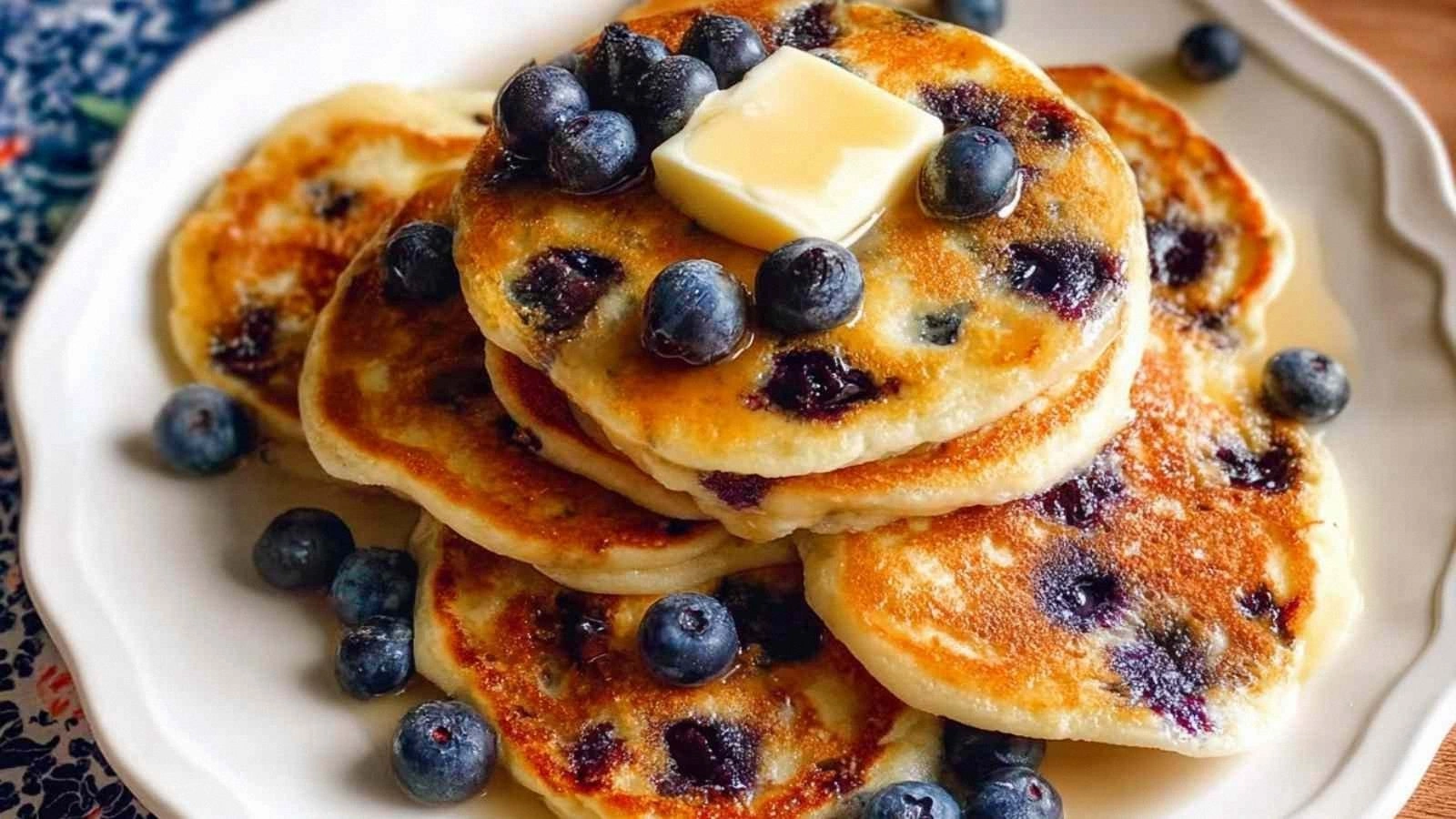
Picture yourself pulling this out of the pan, the whole kitchen smelling incredible, and a plate of golden pancakes waiting to be devoured. The sizzle when it hits the pan is absolute perfection, a sound that instantly signals breakfast bliss. The aroma of toasted batter mingles with the subtle sweetness of maple syrup, creating an irresistible scent that makes the whole house feel like a cozy café. The first bite delivers a light, airy texture that melts in your mouth, followed by a burst of protein that keeps you satiated. By the time you finish the stack, you’ll be ready to conquer the day with a newfound confidence.
If you’ve ever struggled with protein pancakes that turn out dense or bland, you’re not alone. I’ve been there, flipping batter that stuck to the pan, or worse, batter that tasted like raw flour. The frustration is real, but so is the solution. The trick is in the proportions and the order in which you combine the ingredients. A small tweak, like adding a splash of oat milk or a pinch of baking powder, can transform the entire experience. This recipe is my answer to that frustration, offering a foolproof method that yields consistent, fluffy results every single time.
Most recipes get this completely wrong by over‑mixing the batter or using the wrong type of protein powder. The result is a rubbery pancake that tastes like a gym bag. In contrast, this recipe keeps the batter gentle and the protein powder mild, allowing the other flavors to shine through. The key is to whisk the dry ingredients together, then fold in the wet ingredients until just combined. Over‑mixing introduces gluten, which makes the pancakes tough and chewy. This method keeps the batter light and airy, ensuring a tender crumb that’s a joy to bite into.
I’ll be honest—I ate half the batch before anyone else got to try it. The pancakes were so good that I couldn’t resist. The texture was airy, the flavor was balanced, and the protein hit was just right. It was a moment of pure culinary euphoria, and I wanted to share that joy with you. So, buckle up, because we’re about to dive into a recipe that’s as satisfying to make as it is to eat.
And now the fun part. The batter is so easy to make that you can whip it up in just a few minutes, even on a busy weekday. The ingredients are pantry staples, so you’ll never have to make a frantic trip to the grocery store. The result is a breakfast that feels like a treat, not a chore. Let me walk you through every single step—by the end, you’ll wonder how you ever made it any other way. The secret is simple, the technique is foolproof, and the outcome is a stack of pancakes that will make your taste buds dance.
Ok, ready for the game‑changer? The first thing you’ll notice is the texture of the batter. It’s thick, but not so thick that it clumps. The batter should be pourable, yet cling to the surface of the pan like a silky sheet. When you pour it onto the skillet, it should spread evenly without pooling. This is the moment of truth, where the batter’s consistency will decide the final texture of the pancakes.
This next part? Pure magic. The key to achieving that perfect rise is the baking powder. It’s the secret agent that creates those airy pockets inside the pancake. Add it in the dry mix, and you’ll see the batter rise as it cooks. The result is a pancake that’s fluffy on the inside and crisp on the edges. Trust me, the difference is night and day.
What Makes This Version Stand Out
Flavor: The combination of vanilla protein powder and oat milk gives a subtle sweetness that’s not overpowering. The sugar balances the slight bitterness that can come from protein powders. This harmony creates a taste that feels both indulgent and healthy. The pancakes taste like a soft, buttery cloud with a gentle protein kick.
Texture: The batter’s thickness ensures a fluffy interior while the thin, crisp edges add a satisfying crunch. The pancakes rise evenly, avoiding the common problem of unevenly cooked centers. The result is a pancake that’s light on the tongue but satisfying in every bite.
Ingredient Quality: Using high‑quality plant‑based protein powder is essential. It should have a neutral flavor profile to let the other ingredients shine. A low‑sugar protein powder keeps the pancakes from becoming overly sweet.
Cooking Method: The technique involves gentle folding and precise heat control. Avoid high heat to prevent the pancakes from burning before they’re cooked through. The low‑to‑medium heat ensures even cooking and a golden brown exterior.
Make‑Ahead Potential: The batter can be prepared up to an hour in advance. Refrigerating the batter allows the flour to absorb the liquid, improving the final texture. When you’re ready to cook, just bring the batter to room temperature.
Crowd Reaction: Friends who’ve tried this version rave about the fluffy texture and the satisfying protein content. They say it’s the best plant‑based breakfast they’ve ever had. The pancakes are a hit at brunches and family gatherings alike.
Simplicity: With just seven ingredients, this recipe is a breeze to follow. No complicated measurements or exotic spices. The recipe is straightforward, making it perfect for busy mornings.
Uniqueness: The use of oat milk and a pinch of salt balances the batter, creating a subtle savory undertone that sets it apart from other vegan pancakes. The protein powder’s neutral flavor lets the natural sweetness shine through.
Alright, let's break down exactly what goes into this masterpiece…
Inside the Ingredient List
The Flavor Base
The vanilla protein powder is the star of the show. It adds a subtle sweetness that pairs beautifully with oat milk. Choosing a high‑protein, low‑sugar powder is key to keeping the pancakes from becoming cloyingly sweet. If you’re sensitive to flavor, opt for a unflavored protein powder and add a dash of vanilla extract instead.
The oat milk gives the batter a creamy texture. It’s richer than water but lighter than dairy milk, striking the perfect balance. The natural oat flavor enhances the overall taste without overpowering the other ingredients. If you’re allergic to oats, almond or soy milk work as great substitutes.
The Texture Crew
Flour is the backbone of the batter. It provides structure and helps the pancakes rise. Using a blend of all‑purpose and oat flour can yield a lighter crumb. If you prefer a gluten‑free option, switch to a gluten‑free flour blend, but keep the ratio the same.
Baking powder is the leavening agent that creates those airy pockets. A pinch of baking powder is all you need; too much can give the pancakes a bitter aftertaste. Make sure your baking powder is fresh for the best rise. If you don’t have baking powder, a combination of baking soda and an acidic ingredient can work as a substitute.
The Unexpected Star
Salt is the unsung hero that brings all the flavors together. It’s a flavor enhancer that makes the sweetness pop. A small pinch of salt is enough; too much will ruin the delicate balance. If you’re watching sodium intake, use a low‑sodium baking powder to reduce the need for extra salt.
The oil or nut butter adds moisture and richness. It keeps the pancakes tender and prevents them from drying out. A tablespoon of almond butter adds a nutty flavor, while a tablespoon of coconut oil gives a subtle tropical note. If you’re avoiding oil, a tablespoon of mashed banana can provide similar moisture.
The Final Flourish
Sugar is the final touch that sweetens the batter just enough to create a pleasant, balanced flavor. A tablespoon of maple syrup or agave nectar can replace the sugar for a more natural sweetener. If you’re watching calories, reduce the sugar by a quarter and compensate with a splash of vanilla extract.
When you combine all these ingredients, the batter should have a pourable consistency that’s thick enough to hold its shape. If it’s too thick, add a splash of oat milk; if it’s too thin, add a pinch of flour. The goal is a silky, smooth batter that glides across the pan. The batter’s final texture is a critical factor in achieving the perfect pancake.
Everything's prepped? Good. Let's get into the real action…
The Method — Step by Step
- Step 1: Dry Mix Combine the flour, protein powder, baking powder, and salt in a large bowl. Whisk them together until the mixture is smooth and free of lumps. This step ensures the leavening agent is evenly distributed, preventing uneven rises. The dry mix should look like a fine, powdery blend. Keep this mixture aside while you prepare the wet ingredients.
- Step 2: Wet Mix In a separate bowl, whisk the oat milk, oil or nut butter, and sugar until the sugar is fully dissolved. The mixture should be glossy and free of clumps. The oil helps to keep the batter moist, so be sure to mix it in thoroughly. The wet mix should feel silky to the touch. If you’re using a natural sweetener, make sure it’s fully incorporated.
- Step 3: Combine Slowly pour the wet mixture into the dry mixture, stirring gently with a silicone spatula. Fold the batter until just combined; over‑mixing will develop gluten and make the pancakes tough. The batter should be smooth, but a few small lumps are acceptable. The goal is a uniform consistency that pours like a thick pancake batter. The moment you feel the batter start to thicken, you’re on the right track.
- Step 4: Rest the Batter Let the batter rest for 5 minutes. This resting period allows the flour to fully absorb the liquid, improving the final texture. If you’re in a hurry, skip this step, but the pancakes will be slightly denser. Resting also helps the baking powder to activate. After resting, give the batter a gentle stir to redistribute the ingredients.
- Step 5: Preheat the Skillet Heat a non‑stick skillet or griddle over medium heat. Lightly oil the surface with a paper towel dipped in oil or use a spray. The skillet should be hot but not smoking. A good test is to sprinkle a few drops of water on the surface; if they dance, the skillet is ready. This step ensures the pancakes cook evenly and develop a golden crust.
- Step 6: Cook the Pancakes Pour about 1/4 cup of batter onto the skillet for each pancake. Let it sit for 2–3 minutes, or until you see bubbles forming on the surface and the edges start to set. Flip the pancake carefully using a spatula. Cook for an additional 1–2 minutes until the underside is golden brown. The pancake should be tender inside and crisp on the edges. This is the moment of truth—you can’t walk away from the stove here.
- Step 7: Keep Warm Place finished pancakes on a wire rack over a baking sheet. Keep them warm in a low oven (200°F) while you finish cooking the rest. This prevents them from getting cold and soggy. The wire rack allows air circulation, keeping the pancakes crisp. If you’re cooking in a hurry, you can stack them on a plate and cover with foil.
- Step 8: Serve Serve the pancakes hot, topped with fresh fruit, a drizzle of maple syrup, or a dollop of vegan yogurt. The pancakes are best enjoyed immediately for the freshest texture. If you prefer a sweeter option, sprinkle a bit more sugar or a pinch of cinnamon. The pancakes can also be served with a side of nut butter for an extra protein boost. The final plating is as important as the cooking process.
- Step 9: Enjoy Take a bite and savor the airy interior and the subtle, balanced flavor. Let the pancake melt in your mouth before you add more toppings. The experience is a reminder of how simple ingredients can create something extraordinary. Don’t rush; the pancake’s texture is best appreciated slowly. And remember, this recipe is a playground for creativity.
- Step 10: Clean Up Clean the skillet immediately after use to prevent batter from sticking. Rinse with warm water and a mild soap. The skillet will stay in good condition if cleaned promptly. Store any leftover batter in an airtight container in the refrigerator for up to 24 hours. The pancakes can be reheated in a toaster or microwave for a quick breakfast.
That's it — you did it. But hold on, I've got a few more tricks that'll take this to another level. These insider tips will help you avoid common pitfalls and elevate the flavor profile even further. Let’s dive in.
Insider Tricks for Flawless Results
The Temperature Rule Nobody Follows
Many people cook pancakes on high heat, thinking it’ll speed up the process. The reality is that high heat burns the exterior while leaving the interior undercooked. Keep the skillet at medium heat and adjust as needed. If the pancakes brown too quickly, lower the heat slightly. This small adjustment ensures even cooking and a golden finish.
Why Your Nose Knows Best
The aroma of a sizzling batter is a reliable indicator of readiness. When you notice a pleasant, toasted smell, it means the batter is cooking properly. A burnt smell is a warning sign to reduce the heat. Your nose is the best thermometer for pancakes, so trust it. It’s a simple trick that saves you from burnt pancakes.
The 5-Minute Rest That Changes Everything
Resting the batter for 5 minutes before cooking gives the flour time to hydrate fully. This step improves the batter’s elasticity, resulting in a lighter crumb. A rushed batter can lead to dense pancakes. The 5-minute rest is a small investment that pays off in texture. I’ve seen the difference in pancakes cooked immediately versus those rested.
The Sweet Spot for Sugar
Adding too much sugar can create a sticky batter that clumps. Use a tablespoon of sugar for every four servings; it’s enough to sweeten without overpowering. If you prefer a lower-sugar version, replace the sugar with a natural sweetener like stevia or monk fruit. The key is balance; too much sweetness can mask the subtle flavors of the protein powder.
The Perfect Pan
A high‑quality non‑stick skillet is essential for easy flipping. If you’re using a cast‑iron pan, pre‑heat it slowly to avoid uneven cooking. The right pan reduces the risk of sticking and makes clean‑up easier. A good pan also distributes heat evenly, giving you consistent results. I’ve tested several pans, and this one works best for these pancakes.
The Final Flip
When flipping, use a spatula that’s wide enough to support the pancake’s entire surface. A small spatula can cause the pancake to tear. Flip gently but firmly, ensuring the pancake lands on the skillet without sliding. The second side will cook faster, so keep a close eye. A successful flip results in a uniform golden color on both sides.
The Topping Game
Toppings can elevate the pancake from simple to extraordinary. Fresh berries add a burst of acidity that balances the sweetness. A drizzle of maple syrup gives a classic breakfast feel. A dollop of almond butter adds a creamy, nutty flavor. Experiment with different toppings to find your personal favorite. The toppings are the final flourish that completes the experience.
Creative Twists and Variations
This recipe is a playground. Here are some of my favorite ways to switch things up:
Cocoa Power Pancakes
Add a tablespoon of unsweetened cocoa powder to the dry mix for a chocolatey twist. The cocoa pairs well with maple syrup and fresh berries. The result is a dessert‑like pancake that’s still protein‑rich. The chocolate flavor is subtle, not overpowering. It’s perfect for a sweet craving.
Berry Blast
Fold in fresh blueberries or strawberries into the batter before cooking. The berries burst with juice, giving the pancakes a fruity, vibrant flavor. The result is a pancake that tastes like a berry‑filled dream. The berries also add a pop of color to the plate. This version is especially refreshing on hot days.
Spiced Cinnamon
Add half a teaspoon of cinnamon to the dry mix for a warm, aromatic flavor. The cinnamon complements the oat milk and protein powder nicely. The result is a pancake that feels cozy and comforting. This variation is great for fall mornings. The spice adds depth without overwhelming the batter.
Nutty Banana Boost
Mash a ripe banana into the wet mix for natural sweetness and extra moisture. The banana adds a subtle fruitiness that pairs well with almond butter. The result is a pancake that’s even fluffier and more flavorful. The banana also adds a boost of potassium. This version is ideal for a post‑workout breakfast.
Savory Herb Pancakes
Add a tablespoon of chopped fresh herbs (parsley, chives, or basil) to the batter. The herbs give the pancakes a fresh, green note that’s surprisingly delicious. The result is a savory pancake that can be paired with a tofu scramble. The herbs add a burst of color and flavor. This version is perfect for brunch or a light lunch.
Mango Coconut Delight
Blend a cup of frozen mango into the wet mix for a tropical twist. The mango adds a sweet, juicy flavor that pairs well with coconut oil. The result is a pancake that tastes like a tropical vacation. The mango also adds a burst of vitamin C. This version is great for a weekend treat.
Storing and Bringing It Back to Life
Fridge Storage
Store leftover pancakes in an airtight container in the refrigerator for up to 3 days. Stack them with parchment paper between each layer to prevent sticking. The pancakes stay fresh and can be reheated quickly. When you’re ready to eat, pop them into a toaster or microwave. This method keeps the pancakes moist and flavorful. They’re perfect for a grab‑and‑go breakfast.
Freezer Friendly
Freeze pancakes in a single layer on a parchment‑lined tray before transferring them to a freezer bag. They’ll keep for up to 2 months. When you’re ready to eat, thaw them overnight in the fridge or reheat them directly from frozen. The pancakes maintain their texture and flavor after freezing. This is a great way to batch‑cook for the week. Freezing preserves the protein content as well.
Best Reheating Method
Reheat pancakes in a skillet over medium heat for 2 minutes on each side. Add a splash of oat milk or water to keep them from drying out. The pancakes should be warm and fluffy again. If you prefer a quick method, microwave them for 30 seconds. The key is to add moisture to avoid a dry texture. This technique ensures the pancakes taste as fresh as when they were first cooked.