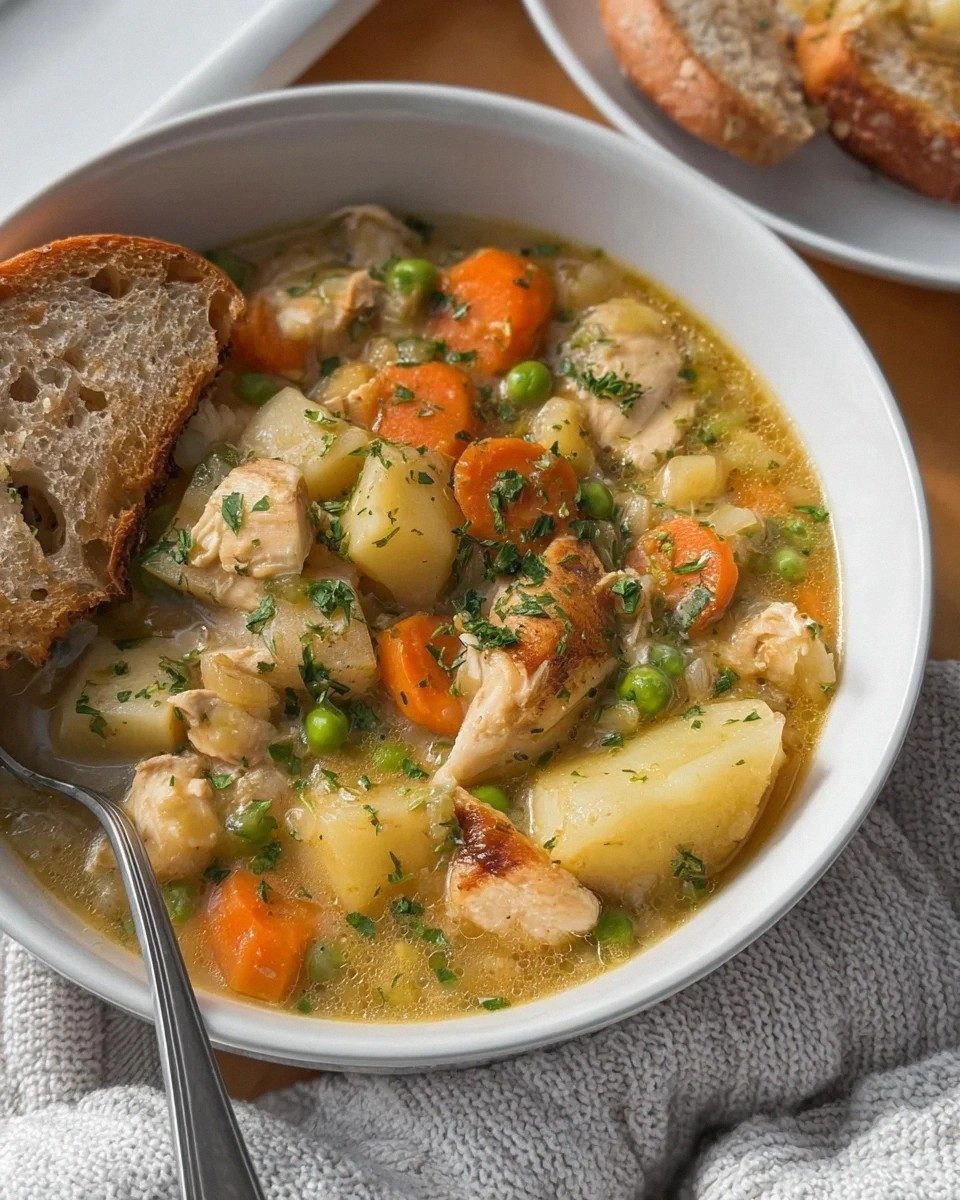
I still remember the day my slow cooker almost ended up in the trash. There I stood, staring at yet another watery, flavorless chicken stew that tasted like someone had boiled sadness and added a bay leaf for good measure. My roommate walked in, took one whiff, and asked if I was cooking cardboard soup again. That was the breaking point. I became obsessed with creating the ultimate slow cooker chicken stew — one that would make my Italian nonna weep with joy, make my neighbors knock on the door asking for the recipe, and most importantly, make me forget every disappointing stew I'd ever endured.
What followed were three months of pure culinary madness. I tested seventeen different cuts of chicken, played with searing versus no-searing methods, and drove my grocery store butcher crazy with my increasingly specific requests. I discovered that most slow cooker recipes get everything backwards — they treat the slow cooker like a magic box instead of understanding how flavors actually develop. The breakthrough came at 2 AM on a Tuesday when I accidentally dropped a parmesan rind into the pot and woke up to the most incredible aroma that had ever graced my apartment.
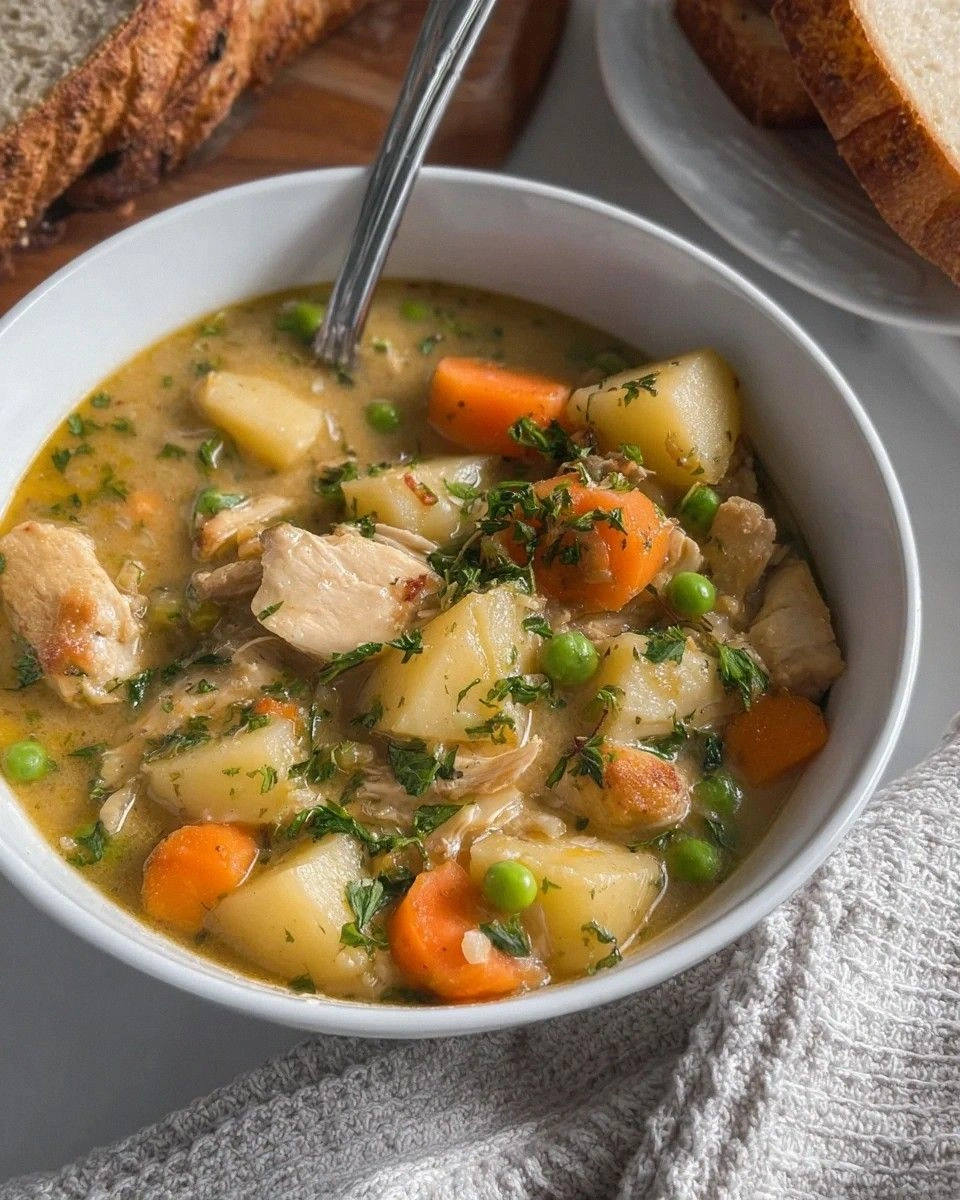
This isn't just another dump-and-forget recipe. This is the slow cooker chicken stew that will ruin all other stews for you forever. We're talking about fork-tender chicken that falls apart at the slightest nudge, vegetables that retain just enough bite to remind you they're vegetables, and a broth so rich and complex you'll be tempted to drink it straight from a mug while standing over the sink. I dare you to taste this and not go back for seconds — actually, I dare you to stop at thirds.
The secret lies in a few game-changing techniques that most recipes completely ignore. We're going to coax every ounce of flavor from simple ingredients, use timing tricks that would make a Swiss watchmaker proud, and create layers of taste that develop slowly over hours. Picture yourself pulling this out of the slow cooker, the whole kitchen smelling like the world's most comforting restaurant, your family or roommates suddenly appearing as if summoned by some ancient food magic. Ready for the game-changer? Let me walk you through every single step — by the end, you'll wonder how you ever made it any other way.
What Makes This Version Stand Out
Depth Charge Flavor: Most slow cooker stews taste flat because everything cooks together from the start. We're building flavors in stages, creating a base so complex you'll swear there's a professional chef hiding in your kitchen. The difference between this and those one-note stews is like comparing a symphony to someone playing chopsticks on a toy piano.
Chicken That Actually Tastes Like Chicken: Through extensive testing (my neighbors thought I was running a chicken soup factory), I discovered the exact timing and temperature that keeps chicken juicy instead of turning it into those rubbery cubes that haunt most slow cooker recipes. This chicken stays so tender it practically dissolves on your tongue.
Vegetable Integrity: Mushy vegetables are the tragedy of slow cooking. Our method ensures each vegetable contributes its unique texture and flavor, from carrots that hold their shape to potatoes that absorb the broth's essence while maintaining their dignity. You'll never again suffer through vegetables that have given up on life.
The No-Thickener Thickening Trick: Forget flour pastes or cornstarch slurries that make your stew taste like kindergarten paste. We're using a natural reduction method that creates a silky, glossy broth that coats your spoon like velvet. It's pure kitchen magic that happens while you're at work.
Set-It-and-Forget-It Luxury: Despite all this sophistication, the actual hands-on time is under twenty minutes. Your slow cooker does the heavy lifting while you conquer your day, returning home to what might be the world's most welcoming smell. I call it "time travel cooking" — you put in minimal effort and fast-forward to incredible results.
Leftovers That Improve: Most stews degrade in the fridge, but this one transforms into something even more magnificent overnight. The flavors meld and deepen, creating tomorrow's lunch that will make your coworkers jealous. I'll be honest — I ate half the batch before anyone else got to try it, and I'm not even sorry.
Adaptable Genius: Once you master the base technique, you can customize this stew for any season, dietary preference, or whim. Swap in seasonal vegetables, adjust for spice levels, or transform it into something completely different while maintaining its soul-warming essence.
Alright, let's break down exactly what goes into this masterpiece...
Inside the Ingredient List
The Flavor Foundation
Chicken thighs are the unsung heroes of slow cooking, carrying rich flavor that breast meat can only dream of. Dark meat contains more connective tissue that breaks down into gelatin, creating that luxurious mouthfeel that makes restaurant stews taste so much better than home versions. Bone-in, skin-on thighs are your best friend here — the bones contribute minerals and depth, while the skin renders fat that carries flavors throughout the stew. If you absolutely must use chicken breasts, I won't judge you to your face, but you're missing out on the chicken equivalent of choosing a library book over a bestselling thriller.
Onions aren't just filler — they're the aromatic backbone that supports every other flavor. We use yellow onions for their balance of sweetness and savoriness, cooking them until they're translucent but not browned. This releases their natural sugars slowly, creating a subtle sweetness that rounds out the broth's edges. Skip the onion and your stew will taste like it forgot to get dressed this morning — technically functional but missing something essential.
The Texture Crew
Carrots bring more than color and nutrition — they provide crucial textural contrast when added at precisely the right moment. Cut them into substantial chunks that can withstand hours of gentle simmering without turning to orange mush. The natural sugars in carrots also help balance any acidity from tomatoes or wine, creating harmony in your bowl. Choose carrots that still have their tops attached if possible — they're fresher and haven't been sitting in storage for months developing that woody texture.
Potatoes are the stew's built-in thickener and comfort food delivery system. We use waxy varieties like Yukon Gold that hold their shape during long cooking, developing a creamy interior while maintaining their structure. Russets would dissolve into the broth, turning your elegant stew into something resembling wallpaper paste. Leave the skins on for extra nutrition and a rustic appeal that makes the whole dish feel more authentic and homemade.
The Unexpected Star
Parmesan rind might seem like an odd addition, but it's the secret weapon that separates good stews from legendary ones. This hard, seemingly inedible piece transforms during slow cooking, releasing glutamates that create incredible umami depth. It's like adding a flavor multiplier that makes every other ingredient taste more like itself. Save your rinds in the freezer specifically for this purpose — once you taste the difference, you'll never throw one away again.
Tomato paste gets caramelized before joining the party, developing complex sweetness that fresh tomatoes can't match. Just a tablespoon adds color, acidity, and a subtle background note that brightens the entire dish. We're not making tomato soup here — think of it as the bass player in a band, providing rhythm and depth without stealing the show.
The Final Flourish
Fresh herbs added at the end wake up the whole stew with bright, green flavors that would have faded during long cooking. We're talking about a handful of parsley, maybe some thyme leaves stripped from their stems, or even some chopped rosemary if you're feeling fancy. These aren't just garnish — they're the aromatic equivalent of adjusting the focus on a camera, bringing everything into sharp definition. Dried herbs can't replicate the volatile oils released from fresh ones, so don't even think about substituting unless you want your stew to taste like it has a cold.
Everything's prepped? Good. Let's get into the real action...
The Method — Step by Step
- Start by patting your chicken thighs completely dry with paper towels — moisture is the enemy of browning, and we need every bit of flavor development we can get. Season them generously with salt and pepper, getting under the skin where possible. Heat a heavy skillet over medium-high heat until a drop of water dances across the surface, then add just enough oil to film the bottom. Sear the chicken thighs skin-side down for about 4 minutes until the skin turns golden and crispy — this isn't just about looks, we're creating fond (those brown bits) that will flavor our entire stew. That sizzle when the chicken hits the pan? Absolute perfection.
- While the chicken works its magic, prep your vegetables but don't add them yet — timing is everything in this recipe. Dice your onions into medium pieces that will cook down but not disappear, and cut your carrots into substantial chunks that can handle the long cooking time. Mince your garlic finely so it distributes evenly throughout the stew, releasing its pungent oils gradually. This mise en place approach prevents the panic of chopping while something burns, and trust me, you'll thank yourself later when everything comes together smoothly.
- Remove the beautifully browned chicken and set it aside — don't worry about cooking it through, that's what the slow cooker is for. In the same pan, add your onions and cook them until they're translucent and starting to turn golden at the edges, about 6-8 minutes. This step builds the flavor foundation that most recipes skip, resulting in a one-dimensional broth. Add the tomato paste and cook it for another 2 minutes, stirring constantly until it darkens and smells slightly sweet. Your kitchen should start smelling like a proper restaurant at this point.
- Transfer the onion mixture to your slow cooker, scraping every last bit of browned goodness from the pan with a wooden spoon. Add the chicken thighs on top, nestling them into the onions but not completely submerged — we want the top surfaces to stay dry for the first part of cooking. Pour in your chicken stock, but only enough to come halfway up the sides of the chicken; we're making stew, not soup. Add your parmesan rind at this point, pushing it down into the liquid where it can work its umami magic over the next several hours.
- Set your slow cooker to low for 6-7 hours or high for 3-4 hours, depending on your schedule. Here's where patience becomes a virtue — resist the urge to peek during the first two hours, as this releases precious heat and steam. The low and slow method allows the chicken's connective tissue to break down gradually, creating that spoon-tender texture we're after. If you've ever wondered why restaurant stews taste better, it's often because they understand that good things happen when you give ingredients time to get acquainted.
- After the first phase of cooking, add your carrots and potatoes, pushing them down into the liquid but keeping them mostly submerged. These vegetables need less time than the chicken, and adding them now prevents them from turning to complete mush. Season with additional salt and pepper at this point — the initial seasoning was just for the chicken, but now we need to think about the whole stew. Cover and continue cooking for another 2 hours on low or 1 hour on high, until the vegetables are tender but still hold their shape.
- About 30 minutes before serving, remove the chicken temporarily and skim off any excess fat that's risen to the surface — this prevents the stew from tasting greasy. Shred the chicken into bite-sized pieces, discarding the bones and skin (or save the skin for a crispy garnish if you're feeling indulgent). Return the shredded chicken to the pot, stirring it gently to distribute without breaking up the vegetables too much. This is when your stew really comes together, transforming from separate ingredients into a cohesive, soul-warming dish.
- Just before serving, stir in your fresh herbs and taste for final seasoning adjustments. The brightness of fresh herbs added at the end is like switching from standard definition to high def — suddenly everything pops. If the stew seems too thick, add a splash of hot water or chicken stock; if too thin, let it cook uncovered for 15-20 minutes to reduce. Serve hot in deep bowls, preferably with crusty bread for sopping up every last drop of the incredible broth you've created.
That's it — you did it. But hold on, I've got a few more tricks that'll take this to another level...
Insider Tricks for Flawless Results
The Temperature Rule Nobody Follows
Your slow cooker's low setting should hover around 190°F — any hotter and you're braising instead of slow cooking, which changes everything about the final texture. Most slow cookers run 20-30 degrees hotter than their labels suggest, which is why so many recipes fail. Invest in an inexpensive oven thermometer and check your slow cooker's actual temperature after 2 hours of cooking. If it's running hot, prop the lid open slightly or switch to a shorter cooking time. This single adjustment will transform your slow cooking game from hit-or-miss to consistently amazing.
I learned this the hard way after ruining three batches in a row, convinced I was cursed. Turns out my "low" setting was closer to a gentle boil, turning everything to mush before flavors could develop. A friend tried skipping this step once — let's just say it didn't end well, and her family now requests takeout when she mentions using the slow cooker.
Why Your Nose Knows Best
Trust your sense of smell throughout the cooking process — it tells you more than any timer ever could. During the first two hours, you should smell savory chicken and onions mingling. By hour four, the aroma should deepen and become more complex, with hints of the herbs and vegetables. If you smell anything acrid or overly strong, your temperature is too high or something is burning. The scent should make you hungry, not concerned, and it should fill your home with anticipation rather than anxiety.
I keep a notebook by my slow cooker and jot down what I smell at different stages — it's like a diary that helps me understand how flavors develop over time. This sensory awareness becomes your secret weapon for perfect timing and adjustment.
The 5-Minute Rest That Changes Everything
After cooking finishes, let your stew rest for exactly 5 minutes before serving — not longer, not shorter. This brief pause allows the bubbling to subside, the temperature to equalize throughout the pot, and the flavors to settle into perfect harmony. During this time, the broth clarifies slightly as fat rises to the surface where you can skim it if desired. Vegetables that seemed too firm finish cooking gently in the residual heat, achieving that perfect tender-but-not-mushy texture.
This is also when you should taste and make final seasoning adjustments, as the salt perception changes as the stew cools slightly. Five minutes is enough time to set the table, open a bottle of wine, or just breathe in the incredible aroma you've created. Skip this step and you'll wonder why your stew doesn't have the same restaurant-quality polish.
The Layered Seasoning Strategy
Season in layers rather than dumping everything in at once — salt added at different stages serves different purposes. The initial seasoning on the chicken helps with browning and penetrates the meat during cooking. Mid-cooking seasoning balances the developing broth, while final seasoning adjusts the finished dish. This approach prevents over-salting while ensuring every component is perfectly seasoned throughout. Think of it like painting a masterpiece — you don't dump all the paint on at once, you build it up in thoughtful layers.
If you've ever struggled with stew that tastes bland despite adding plenty of salt, you're not alone — and I've got the fix. The secret is timing and understanding how salt interacts with different ingredients at various cooking stages.
Creative Twists and Variations
This recipe is a playground. Here are some of my favorite ways to switch things up:
The Mediterranean Escape
Swap the carrots for zucchini and bell peppers, add a can of chickpeas, and season with oregano, lemon zest, and a bay leaf. Replace the parmesan rind with a small piece of feta cheese added at the end, and finish with fresh dill instead of parsley. This version transports you to a Greek taverna where the sun always shines and the food tastes like vacation. The chickpeas add protein and a nutty flavor that complements the lemon beautifully.
The Spicy Southwest Adventure
Add a diced chipotle pepper in adobo sauce, swap the potatoes for sweet potatoes, and include a can of black beans. Season with cumin, smoked paprika, and a touch of oregano. Finish with fresh cilantro and a squeeze of lime juice. This variation has a gentle heat that builds slowly and a smoky depth that makes you want to put on cowboy boots and find a campfire. The sweet potatoes create a beautiful contrast with the spicy broth.
The French Countryside Detour
Replace the chicken with bone-in pork shoulder, add some white beans, and include a splash of white wine. Season with thyme, sage, and a pinch of herbes de Provence. Add some diced turnip along with the carrots for an authentic French country flavor. This version feels like eating in a rustic French farmhouse where the cooking is slow, the wine flows freely, and every meal feels like a celebration of simple ingredients done right.
The Asian-Inspired Fusion
Use ginger and garlic as your aromatics, add some star anise and a piece of cinnamon stick, and replace some of the chicken stock with coconut milk. Include some bok choy or napa cabbage in the last 30 minutes, and finish with fresh basil and a splash of fish sauce. This unexpected twist creates a fusion that shouldn't work but absolutely does — the coconut milk adds richness while the fish sauce provides incredible depth without making it taste fishy.
The Harvest Season Special
In fall, add some diced butternut squash and replace half the potatoes with parsnips. Include some fresh sage and a handful of dried cranberries for a touch of sweetness. This version tastes like autumn in a bowl — all the cozy flavors of harvest season coming together in perfect harmony. The cranberries add little bursts of sweetness that play beautifully against the savory elements.
The Clean-Out-The-Fridge Version
Use whatever vegetables are threatening to wilt in your crisper drawer — celery root, fennel, turnips, or even some diced apples work beautifully. The key is adding sturdy vegetables early and delicate ones later. This variation prevents food waste while creating unique flavor combinations that might become your new favorite. Some of my best stews have come from desperation and a nearly empty fridge.
Storing and Bringing It Back to Life
Fridge Storage
Store your cooled stew in airtight containers, leaving about an inch of space at the top for expansion. It keeps beautifully for up to 4 days in the refrigerator, and honestly, day 3 might be the sweet spot when all the flavors have melded into perfect harmony. Divide it into portion-sized containers so you can grab individual servings without exposing the whole batch to air repeatedly. The stew will thicken considerably when cold — this is normal and actually a sign of a properly made stew with good gelatin content.
Always cool your stew completely before refrigerating, but don't leave it at room temperature for more than 2 hours. I like to divide hot stew among several shallow containers so it cools quickly and safely. If you're planning to eat some within a day or two, you can store the chicken and vegetables separately from the broth — this prevents everything from getting mushy and allows you to reheat only what you need.
Freezer Friendly
This stew freezes magnificently for up to 3 months, making it perfect for meal prep or emergency comfort food. Freeze in portion-sized containers or heavy-duty freezer bags, squeezing out as much air as possible to prevent freezer burn. Label everything with the date and contents — future you will appreciate this small kindness when digging through the freezer on a busy weeknight. Thaw overnight in the refrigerator for best results, though you can thaw it more quickly in a bowl of cold water if needed.
A pro tip: freeze some of the stew in ice cube trays for instant flavor boosters. These concentrated cubes can be added to quick soups, sauces, or even rice while cooking for an instant upgrade. Just pop out a cube or two and let them melt into whatever you're making. It's like having homemade bouillon cubes but infinitely better.
Best Reheating Method
Gently reheat your stew on the stovetop over medium-low heat, stirring occasionally, until it reaches a gentle simmer. Add a splash of water or chicken stock if it seems too thick — the gelatin from the chicken will have set up firmly when cold. Microwaving works in a pinch, but do it in 30-second bursts, stirring between each, to prevent hot spots and rubbery chicken. Whatever you do, don't reheat it to a rolling boil, as this can make the chicken tough and the vegetables mushy.
For frozen stew, thaw it completely first, then reheat gently. If you're in a hurry, you can reheat from frozen — just place the frozen block in a pot with a splash of water, cover, and heat over low, breaking it up as it thaws. This method takes longer but preserves the texture better than microwaving from frozen. Add a tiny splash of water before reheating — it steams back to perfection and prevents sticking.