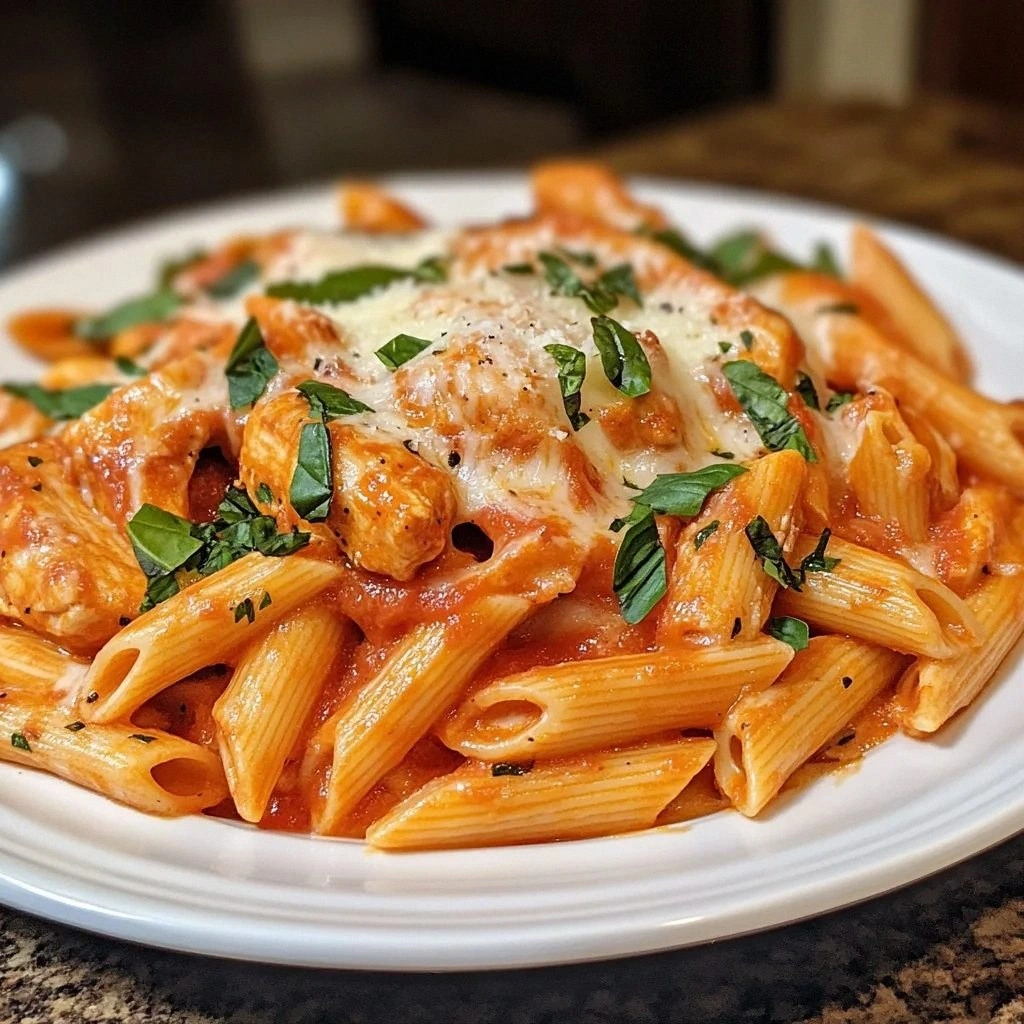
I was standing in my kitchen, staring at a pile of bland chicken breasts that had been sitting in the fridge for three days, when a sudden craving for something bright and buttery hit me like a citrusy slap. I remembered the last time I tried to make a quick lemon chicken, only to end up with a soggy, flavorless mess that tasted like it had been left out in the rain. That disaster was the spark that lit my culinary curiosity: what if I could turn that same simple idea into a dish that practically sings from the moment it hits the skillet?
Picture the scene: a pan sizzling hot, a drizzle of olive oil glinting like liquid gold, and the aroma of freshly minced garlic that immediately pulls the whole kitchen into a fragrant haze. The lemon zest peels off in tiny, fragrant ribbons, releasing a citrus burst that mingles with the buttery aroma of melting butter. The chicken sizzles, sending a crackling sound that feels almost like applause. My senses are fully engaged—taste, smell, sight, sound, and even the feel of the sizzling steam rising from the pan. This is not just cooking; it’s an experience that turns a humble meal into a moment of pure joy.
What sets this version apart from every other lemon chicken recipe you’ve ever seen is the deliberate layering of flavors and textures. I’ve combined the crisp, golden crust of a lightly dredged chicken with the velvety, silky lemon butter sauce that coats each bite like a gentle kiss. The fresh spinach isn’t just a garnish; it’s a green, earthy counterpoint that balances the citrus brightness and adds a pop of color that makes the dish look as good as it tastes. The result is a single-pan meal that feels both indulgent and wholesome, and I dare you to taste this and not go back for seconds.
And that’s not all—there’s a secret twist that will have you wondering how anyone could have made this dish before. I’ll reveal it in the next section, but trust me, it’s the kind of simple adjustment that transforms a good recipe into an unforgettable one. Stay with me, because by the time we finish, you’ll be wondering how you ever cooked anything else without this one-pan marvel.
What Makes This Version Stand Out
- Flavor Depth: The combination of lemon zest, juice, and a touch of oregano creates a bright, aromatic base that cuts through the richness of the chicken and butter.
- Texture Contrast: A crisp, golden crust meets a silky, velvety sauce, while fresh spinach adds a tender, slightly earthy bite that keeps each mouthful interesting.
- One-Pan Simplicity: Every element cooks together in a single skillet, meaning less cleanup and more time to enjoy the meal.
- Ingredient Quality: Using fresh, high‑quality ingredients—like a juicy lemon, good‑grade olive oil, and farm‑fresh spinach—elevates the dish to something that feels restaurant‑level at home.
- Crowd‑Pleaser Factor: The bright lemon flavor and comforting chicken make this dish perfect for family dinners, date nights, or a quick weeknight hit.
- Make‑Ahead Potential: The sauce can be made ahead and reheated without losing its silky texture, making this a great meal prep option.
- Balanced Nutrition: With a good mix of protein, healthy fats, and greens, this dish hits the sweet spot for a wholesome dinner.
- Time Efficiency: From prep to plate, the entire process takes less than 30 minutes—ideal for busy evenings.
Inside the Ingredient List
The Flavor Base
Olive Oil: The first thing you’ll pour into the skillet, olive oil provides the foundation for the chicken’s golden crust. Its fruity undertones also complement the bright lemon notes, giving the dish an immediate depth of flavor. If you’re watching your calorie count, a splash of avocado oil works just as well, offering a milder taste while keeping the healthy fats.
Lemon (zest and juice): The lemon is the star of this dish. The zest releases essential oils that give the sauce a bright, aromatic punch, while the juice provides acidity that balances the richness of butter and chicken. Use a fresh, organic lemon for the most vibrant flavor; avoid bottled lemon juice, which can taste flat.
Garlic: Minced garlic adds a punch of savory depth that anchors the citrus. The key is to mince finely so the garlic releases its full flavor without becoming bitter. If you’re sensitive to garlic, use a small clove or skip it entirely—just know the dish will be a little less complex.
The Texture Crew
All‑Purpose Flour: A light dusting of flour helps the chicken develop a crisp, golden crust. It also slightly thickens the sauce, creating a silky coating that clings to each bite. For a gluten‑free version, try a 1:1 blend of rice flour and cornstarch.
Butter: Butter is the secret to that buttery, velvety sauce that coats the chicken like a silky blanket. It also adds a rich, nutty flavor that balances the acidity of the lemon. If you want to cut down on fat, replace half the butter with extra olive oil or use a low‑fat butter.
Chicken Broth: A splash of broth deglazes the pan, pulling up the caramelized bits and incorporating them into the sauce. This step ensures no flavor is wasted and gives the sauce a silky, cohesive texture. For a deeper umami flavor, use low‑sodium chicken broth and add a pinch of soy sauce.
The Unexpected Star
Fresh Spinach: Spinach isn’t just a garnish; it’s an integral part of the dish’s flavor profile. The slight bitterness of fresh spinach balances the citrusy brightness and adds a pop of color. If you can’t find fresh spinach, baby spinach or even a handful of kale will work—just adjust the cooking time accordingly.
Parmesan Cheese: Grated Parmesan adds a salty, nutty finish that rounds out the dish. It also helps the sauce thicken slightly, creating a luscious coating. For a dairy‑free option, try nutritional yeast or a vegan parmesan alternative.
The Final Flourish
Dried Oregano: A pinch of oregano introduces a subtle herbal note that complements the lemon and garlic. It adds depth without overpowering the dish, making the overall flavor profile more complex. Fresh oregano can be used if you prefer a brighter, more aromatic touch.
Salt & Pepper: Seasoning is essential, but be careful not to overdo it. Salt enhances all the flavors, while pepper adds a subtle heat that keeps the dish from feeling flat. Taste as you go—this is your chance to adjust the seasoning to your preference.
Everything’s prepped? Good. Let’s get into the real action.
The Method — Step by Step
- Prep the chicken: Pat the chicken breasts dry with paper towels, then season both sides generously with salt, pepper, and oregano. The dry surface ensures a crisp crust. If you prefer a thicker coating, lightly dredge the chicken in flour, shaking off any excess. This step is crucial; a dry chicken will sizzle and brown beautifully.
- Heat the skillet: Place a large, heavy‑bottom skillet over medium‑high heat and add the olive oil. Once the oil shimmers and a few droplets rise to the surface, it’s ready. This is the moment of truth—if the oil isn’t hot enough, the chicken will steam instead of sear. Watch for the oil to ripple; that’s the perfect temperature.
- Sear the chicken: Lay the chicken breasts skin‑side down (if they have skin) into the pan. Don’t overcrowd—give each piece space. The pan should hiss loudly, indicating the Maillard reaction is underway. Flip the chicken after 3–4 minutes, when a golden brown crust has formed. The edges will start pulling away from the pan, signaling it’s ready to flip.
- Add butter and aromatics: Once the chicken is flipped, add the butter, minced garlic, and a pinch of oregano. As the butter melts, it will create a fragrant, golden sauce. Stir the garlic gently to prevent it from burning—burnt garlic tastes bitter and ruins the dish. The aroma at this point is intoxicating; you’ll want to taste the sauce as it forms.
- Deglaze and build the sauce: Pour in the chicken broth and a splash of fresh lemon juice. Use a wooden spoon to scrape up the browned bits from the bottom of the pan—those bits are packed with flavor. The sauce should thicken slightly and coat the back of the spoon. If it’s too thin, let it simmer for a minute or two to reduce.
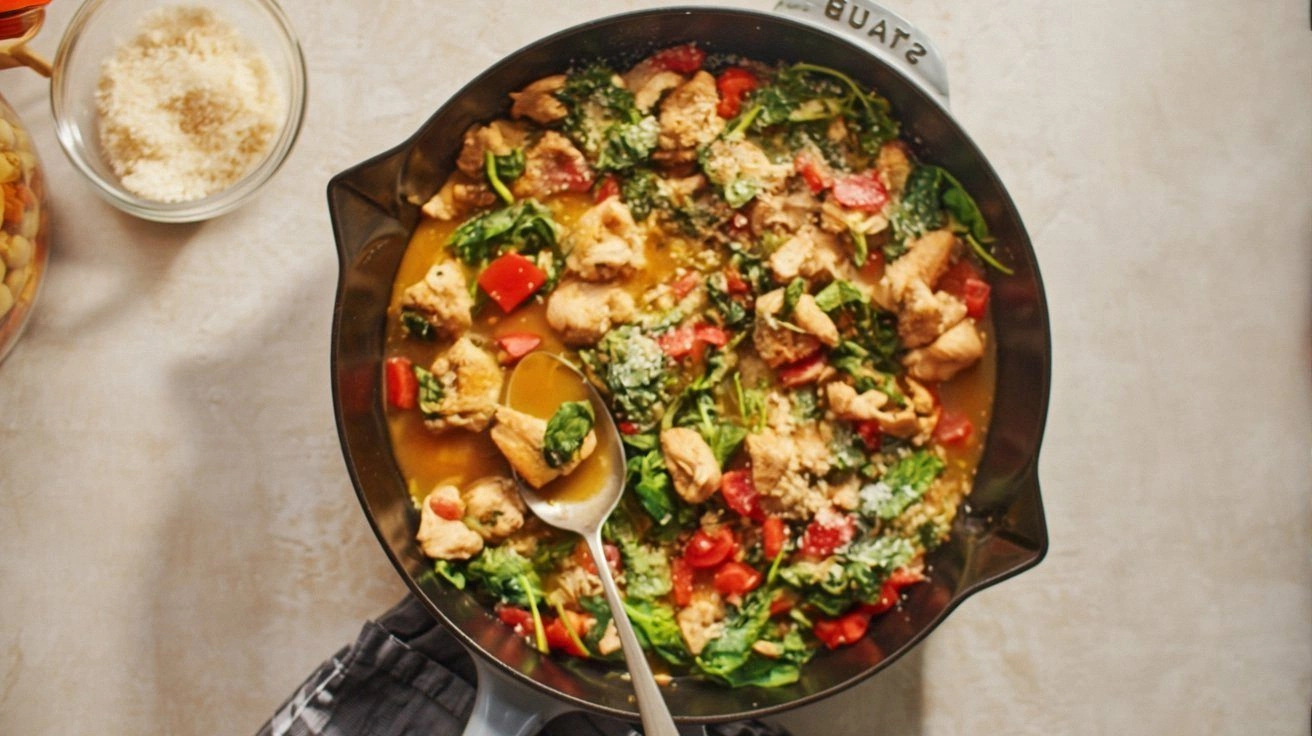
- Introduce the spinach: Add the fresh spinach to the pan, spooning it over the chicken. The spinach will wilt almost instantly, absorbing the lemony butter sauce. Stir gently to ensure even coverage. This step adds a burst of color and a subtle earthy note that balances the bright lemon.
- Finish with Parmesan: Sprinkle the grated Parmesan over the top and let it melt into the sauce. The cheese adds a salty, nutty finish and thickens the sauce to a silky consistency. Taste the sauce and adjust seasoning with salt and pepper if needed. The final dish should have a glossy, buttery sheen.
- Serve: Plate the chicken breasts, spooning the remaining sauce and wilted spinach over the top. Garnish with a lemon slice or a sprinkle of fresh herbs if desired. The dish looks vibrant and appetizing, with a bright yellow sauce that contrasts beautifully against the green spinach. Serve immediately, and enjoy the harmony of flavors and textures.
That’s it—you did it. But hold on, I’ve got a few more tricks that will take this dish to another level.
Insider Tricks for Flawless Results
The Temperature Rule Nobody Follows
Keep the heat steady: Many cooks lower the heat too early, causing the chicken to steam rather than sear. Maintain medium‑high heat until the chicken is nicely browned on both sides. If the pan starts smoking, reduce the heat slightly, but avoid letting it drop below medium.
Why Your Nose Knows Best
Use your sense of smell: The aroma of sizzling garlic and butter is the best indicator that the sauce is developing. If it smells burnt, lower the heat. If it smells like fresh lemons, you’re on the right track. Trust your nose—cooking is as much about intuition as it is about instructions.
The 5-Minute Rest That Changes Everything
Let the chicken rest: Once the chicken is done, transfer it to a plate and let it rest for five minutes. This allows the juices to redistribute, ensuring each bite is moist and flavorful. If you cut into it immediately, the juices will spill out, leaving the meat dry.
The Secret to a Silky Sauce
Finish with a splash of cream: For an extra velvety texture, add a tablespoon of heavy cream or half‑and‑half at the end of cooking. It enriches the sauce and gives it a glossy finish. If you’re watching calories, skip this step and still get a luscious sauce.
The Perfect Chicken Doneness
Use a meat thermometer: Aim for an internal temperature of 165°F (74°C). This ensures the chicken is fully cooked while remaining juicy. If you don’t have a thermometer, look for clear juices that run out of the thickest part of the breast.
The Final Touch of Freshness
Finish with fresh herbs: Sprinkle chopped parsley or basil over the top right before serving. The herbs add a burst of color and a fresh, herbal note that brightens the dish. It also gives the plate a professional, restaurant‑like appearance.
Creative Twists and Variations
This recipe is a playground. Here are some of my favorite ways to switch things up:
Spicy Citrus Kick
Add a pinch of red pepper flakes to the garlic and butter mixture for a subtle heat that pairs beautifully with the lemon. The spiciness adds a layer of complexity that keeps the dish from feeling one‑dimensional. Great for those who love a little flare.
Herb‑Infused Delight
Replace oregano with a mix of thyme and rosemary for a more earthy, aromatic flavor. The herbs bring a depth that complements the citrus. This variation is perfect for a more rustic, farm‑to‑table vibe.
Mediterranean Twist
Swap the spinach for chopped sun‑dried tomatoes and olives. Add a splash of white wine to the sauce and finish with crumbled feta cheese. The result is a bright, tangy Mediterranean‑style dish that feels like a vacation in a skillet.
Creamy Spinach Surprise
After adding the spinach, stir in a spoonful of ricotta cheese. The ricotta melts into the sauce, creating a silky, creamy texture that pairs wonderfully with the lemon. This variation is indulgent without being too heavy.
Low‑Carb Version
Omit the flour entirely and use a non‑stick skillet to achieve a crisp crust. Replace the Parmesan with a sprinkle of nutritional yeast for a cheesy flavor that’s keto‑friendly. This keeps the dish low in carbs while still delivering on taste.
Asian Fusion Flair
Add a tablespoon of soy sauce and a dash of sesame oil to the sauce. Finish with a sprinkle of toasted sesame seeds and a handful of sliced green onions. The umami notes and sesame crunch give the dish a distinct Asian twist.
Storing and Bringing It Back to Life
Fridge Storage
Store leftovers in an airtight container in the refrigerator for up to 3 days. The sauce will thicken slightly as it cools, but it remains delicious. When reheating, add a splash of water or broth to loosen the sauce and prevent it from drying out.
Freezer Friendly
For longer storage, freeze the dish in a freezer‑safe container for up to 2 months. Thaw overnight in the refrigerator before reheating. The spinach may release some moisture, but the sauce will still cling beautifully to the chicken.
Best Reheating Method
Reheat gently on the stove over low heat, stirring occasionally, until warmed through. Avoid microwaving, as it can make the sauce rubbery and the chicken tough. Add a splash of water or broth to re‑create the silky sauce texture.