I still remember the night I ruined three beautiful salmon fillets trying to impress my future in-laws. The smoke alarm was screaming, my sauce had split into an oily mess, and I was frantically Googling "salvage overcooked fish" while everyone politely pretended not to notice the acrid smell wafting through the house. Fast forward to last weekend when I served this creamy garlic butter salmon to the same in-laws — and watched my mother-in-law literally lick the plate clean. The transformation wasn't magic; it was simply learning the right technique after years of delicious trial and error.
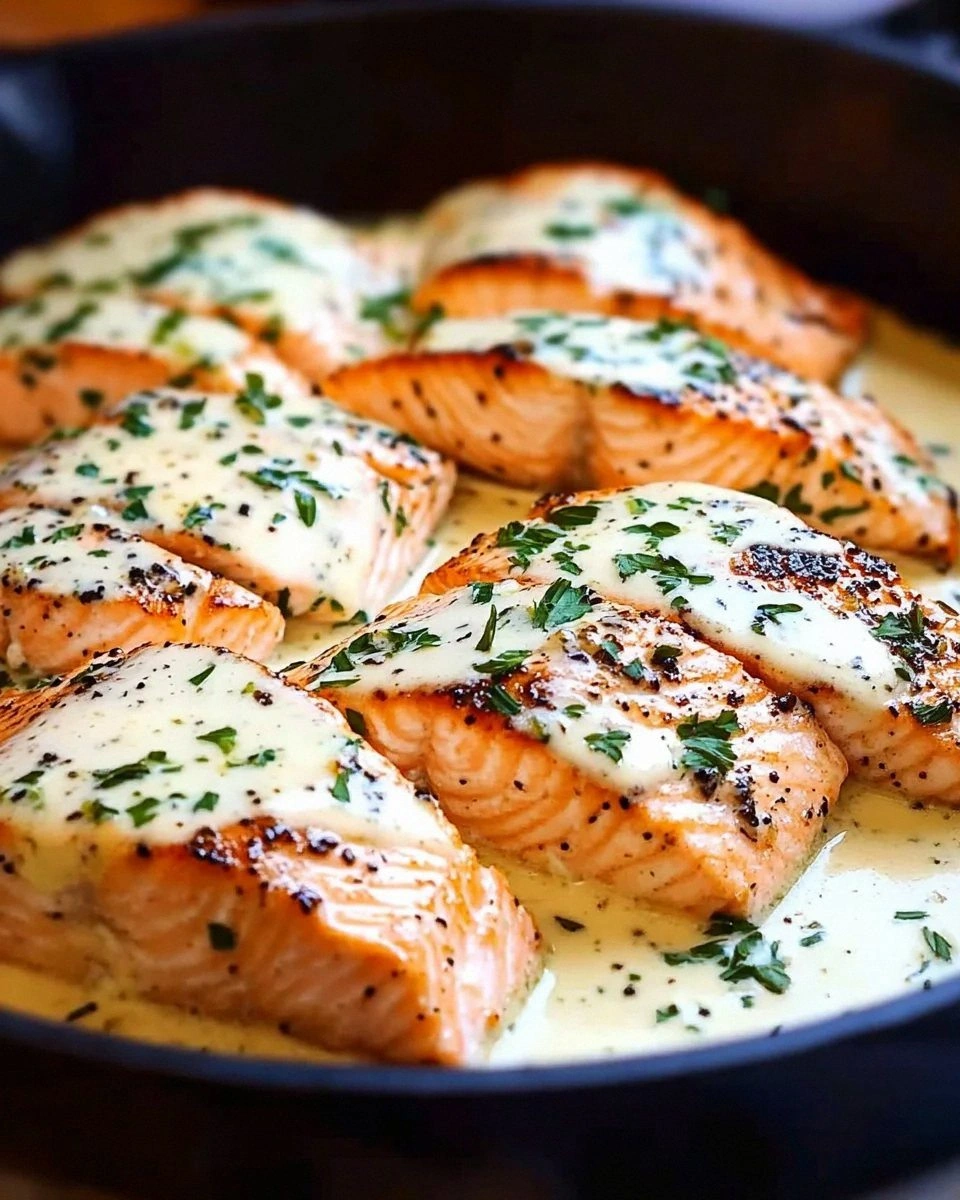
Picture this: tender salmon that flakes apart at the mere suggestion of a fork, swimming in a sauce so luxuriously creamy it could make a grown person weep. The garlic hits your nose first — not that harsh, acrid bite of raw garlic, but the deep, mellow sweetness that only comes from patient browning in butter. Then comes the butter itself, nutty and golden, marrying with cream in a way that makes you understand why French cuisine changed the world. This isn't just another salmon recipe; this is the salmon recipe that will ruin all other salmon for you forever.
What makes this particular version absolutely bonkers is how it manages to taste like you spent hours slaving over a hot stove when actually, you'll spend more time eating than cooking. The secret lies in a technique I stumbled upon during my restaurant days — a method so simple yet so effective that once you try it, you'll wonder why every salmon recipe doesn't use it. We're talking restaurant-quality results with zero fancy equipment and ingredients you probably already have lurking in your kitchen right now.
Let me walk you through every single step — by the end, you'll wonder how you ever made it any other way.
What Makes This Version Stand Out
Buttery Perfection: Most recipes tell you to add cold butter at the end, which gives you that greasy separation that makes your sauce look like it has acne. Instead, we brown the butter first, creating nutty, complex flavors that cling to the salmon like a silk robe, giving you that glossy restaurant finish every single time.
Garlic Done Right: Raw garlic in cream sauce is the culinary equivalent of a drunk uncle at Thanksgiving — it completely takes over and ruins everything. We gently caramelize the garlic until it becomes sweet and mellow, infusing the entire dish with warmth rather than that harsh bite that makes your date pull away when you breathe near them.
No More Rubbery Salmon: The biggest crime against salmon is overcooking it until it has the texture of cardboard. My method uses a two-stage cooking process that gives you perfectly tender fish with crispy skin that crackles like thin ice under your fork, all while keeping the inside buttery and moist.
One Pan Wonder: Despite tasting like a dish that requires a brigade of chefs and a sink full of pots, this entire masterpiece comes together in a single skillet. That means more time savoring dinner and less time cursing at your mountain of dishes while everyone else enjoys dessert.
Sauce That Actually Stays Together: Most cream sauces break faster than my willpower at a bakery. This one uses a foolproof technique that keeps everything emulsified, so you get that velvety consistency that coats your tongue without any greasy separation.
Restaurant Quality, Home Economics: Using simple techniques that professional chefs know but home cooks rarely discover, this recipe transforms humble grocery store ingredients into something that tastes like it costs forty dollars a plate. Your dinner guests will assume you either took cooking classes or mortgaged your house for a private chef.
Make-Ahead Magic: Unlike most fish dishes that taste like sadness the next day, this salmon actually improves overnight as the flavors meld together. The sauce becomes even more complex, making leftovers something you'll actually look forward to rather than force yourself to eat.
Alright, let's break down exactly what goes into this masterpiece...
Inside the Ingredient List
The Flavor Base
Salmon is obviously the star here, but not all fillets are created equal. You want thick, center-cut pieces that are at least an inch thick — those skinny tail pieces will overcook faster than you can say "dinner is served." Look for fillets with bright, firm flesh that springs back when you poke them, not ones that leave a dent like memory foam. Wild-caught salmon has more flavor, but honestly, good quality farmed salmon works beautifully here and costs half as much.
Butter deserves more respect than we typically give it. Don't you dare use that pale, flavorless stick that's been sitting in your fridge since the Clinton administration. You want good quality, fresh butter with a deep yellow color — that's where all the flavor lives. European-style butter with higher fat content will give you an even more luxurious sauce, but regular butter works perfectly fine if that's what you've got.
Garlic selection matters more than you think. Those giant elephant garlic cloves might look impressive, but they have about as much flavor as cardboard. You want smaller, tight heads that feel heavy for their size. And please, for the love of all that is holy, don't use pre-minced garlic from a jar — it tastes like disappointment and regret.
The Texture Crew
Heavy cream is what transforms this from "pretty good" to "I need to be alone with this pan." Don't substitute half-and-half or milk unless you enjoy watery, broken sauces that look like something died in your skillet. The fat content in heavy cream is what allows it to reduce and thicken without curdling, creating that velvety texture that makes grown adults close their eyes in appreciation.
Lemon juice provides the acid that cuts through all that richness and makes your taste buds sit up and pay attention. Fresh lemon juice is non-negotiable — that bottled stuff tastes like lemon-flavored cleaning products and will ruin everything it touches. One lemon is plenty, and you want to add it at the end to preserve its bright, zesty personality.
Parmesan cheese adds that umami depth that makes people ask "what's in this?" Don't use the pre-grated powdery stuff that looks like sawdust. Buy a chunk of real Parmigiano-Reggiano and grate it yourself — the difference will make you question every life choice that led you to eat that other stuff.
The Unexpected Star
Dijon mustard is my secret weapon here — just a teaspoon transforms the entire sauce from good to "holy cow, what did you put in this?" It adds complexity and depth without making the sauce taste like mustard, creating layers of flavor that keep you coming back for bite after bite.
Fresh thyme brings an herby note that plays beautifully with both the salmon and the cream. Dried thyme tastes like dusty hay in comparison — use fresh or skip it entirely. Strip the leaves off the stems by running your fingers backwards along the stem; it's oddly satisfying and way faster than picking them off one by one.
The Final Flourish
White wine adds acidity and complexity, but here's the thing — use something you'd actually drink. That cooking wine from the grocery store tastes like salt water mixed with regret. A crisp, dry white wine like Sauvignon Blanc or Pinot Grigio works perfectly, and you only need a splash so you can enjoy the rest of the bottle with dinner.
Fresh parsley isn't just for color — it adds a bright, fresh note that lifts the entire dish. Chop it at the very last minute; once it's cut, it starts losing its vibrant flavor faster than you can say "dinner is served." Flat-leaf parsley has more flavor than the curly stuff, which mostly just looks pretty and tastes like vaguely parsley-flavored water.
Everything's prepped? Good. Let's get into the real action...
The Method — Step by Step
- Start by taking your salmon out of the fridge 15 minutes before cooking — cold fish hitting a hot pan is like jumping into an ice bath: it seizes up and becomes tough. Pat those fillets dry with paper towels like you're trying to get water out of your phone after dropping it in the toilet. Season both sides generously with salt and pepper, pressing the seasoning in so it sticks rather than just falling off into your pan like confetti. This step seems simple but it's crucial — properly seasoned fish is the difference between bland disappointment and flavor fireworks.
- Heat your largest skillet over medium-high heat for a full two minutes — don't get impatient here. Add one tablespoon of oil and swirl it around; when it shimmers like a mirage in the desert and moves like water, you're ready. Lay the salmon skin-side down and don't you dare move it for the next four minutes. The skin will crisp up and release naturally when it's ready — if you try to flip it too early, you'll leave half your dinner welded to the pan like modern art.
- After four minutes, peek at the skin — it should be golden-brown and crispy as autumn leaves. Flip the salmon and cook for just two more minutes on the flesh side. Remove it to a plate immediately; it'll finish cooking later in the sauce. If you wait until it looks completely done in the pan, it'll be overcooked by the time it hits the table, and nobody wants salmon that flakes apart like wet cardboard.
- Reduce the heat to medium and add your butter to the same pan — don't wipe it out, those browned bits are liquid gold. Let the butter melt and foam, then watch closely as it transforms from yellow to golden to nutty brown. This takes about two minutes and requires your full attention because brown butter can turn into burnt butter faster than you can say "smoke alarm." When it smells like toasted nuts and the milk solids have turned golden brown, you've reached the promised land.
- Add your minced garlic and cook for exactly 30 seconds — no more, no less. The garlic should sizzle happily but not brown; we're looking for that sweet spot where it becomes fragrant and mellow rather than bitter and aggressive. Stir constantly because garlic goes from perfect to burnt in the blink of an eye, and burnt garlic is the culinary equivalent of a crying baby on an airplane — it ruins everything for everyone.
- Pour in your white wine and let it bubble away, scraping up all those gorgeous browned bits from the bottom of the pan. This is called deglazing, and it's where all your flavor lives. Let it reduce by half, which should take about three minutes — you'll know it's ready when the raw alcohol smell disappears and you're left with concentrated, aromatic liquid that makes you want to drink it with a straw.
- Add the cream and bring it to a gentle simmer, not a rolling boil. Boiling cream is like shaking a bottle of soda — it will curdle and separate into an unappetizing mess that looks like something from a horror movie. Stir occasionally as it thickens, which takes about five minutes. You're looking for the consistency of heavy cream that can coat the back of a spoon, not wallpaper paste.
- Now comes the magic moment: return the salmon to the pan, nestling it into the sauce like it's taking a luxurious bath. Add the Dijon, lemon juice, and thyme, then let everything simmer gently for three to four minutes. The fish will finish cooking while absorbing all those incredible flavors. Spoon the sauce over the top occasionally, basting the salmon like you're giving it a spa treatment.
- Remove from heat and stir in half the Parmesan until it melts completely into the sauce, creating a silky smoothness that makes you want to dive in headfirst. Taste and adjust seasoning — it might need more salt, especially if your Parmesan was mild. Garnish with fresh parsley and the remaining Parmesan, then serve immediately while the sauce is still bubbling and the aroma is driving everyone wild with anticipation.
That's it — you did it. But hold on, I've got a few more tricks that'll take this to another level...
Insider Tricks for Flawless Results
The Temperature Rule Nobody Follows
Here's the thing that separates restaurant-quality salmon from the home-cooked stuff that makes you want to weep: temperature control. Your pan needs to be hot enough to create that gorgeous sear but not so hot that the outside burns before the inside cooks through. The magic number is medium-high heat, but every stove is different — gas gives you instant control, while electric takes forever to adjust. Start with one fillet as a test run; if it's browning too fast, turn it down. If it's taking forever to get color, crank it up. This isn't rocket science, but it does require paying attention rather than scrolling through Instagram while your dinner turns into charcoal.
Why Your Nose Knows Best
Professional chefs don't use timers for everything — we use our senses, especially our noses. When the garlic is perfectly cooked, your kitchen will smell like you've been transported to a trattoria in Tuscany. When the butter is properly browned, it releases this nutty aroma that makes you want to bottle it and wear it as perfume. Trust your nose — if something smells like it's getting too dark or bitter, it probably is. This intuitive cooking separates the pros from the wannabes who follow recipes like religious texts without understanding the why behind each step.
The 5-Minute Rest That Changes Everything
I know you're hungry and everything smells incredible, but patience is what separates good cooks from great ones. After you remove the salmon from the heat, let it rest for five minutes before serving. This allows the juices to redistribute throughout the fish rather than running all over your plate like a salmon massacre. The sauce will thicken slightly as it cools, coating each piece perfectly instead of running off like water. Cover it loosely with foil to keep it warm, use this time to set the table or open that bottle of wine you've been saving.
Creative Twists and Variations
This recipe is a playground. Here are some of my favorite ways to switch things up:
The Mediterranean Escape
Swap the thyme for oregano, add a handful of halved cherry tomatoes when you add the cream, and finish with Kalamata olives and crumbled feta cheese. The tomatoes burst in the sauce, creating little pockets of sweetness that play beautifully against the briny olives and tangy feta. Serve this version over orzo rather than rice, and suddenly you're dining on a Greek island rather than in your kitchen.
The Spicy Cajun Remix
Add a teaspoon of Cajun seasoning to your salmon before searing, swap the white wine for beer, and throw in some andouille sausage slices when you cook the garlic. Finish with fresh scallions and a dash of hot sauce for a New Orleans-inspired version that'll make you want to second-line around your kitchen. The beer adds a malty depth that plays surprisingly well with the cream, while the sausage gives you that smoky, spicy kick that makes Louisiana food so addictive.
The Asian Fusion Adventure
Replace the butter with sesame oil, trade the white wine for sake, and add a tablespoon of miso paste when you add the cream. Finish with sesame seeds, sliced scallions, and a drizzle of soy sauce for a version that tastes like it came from a trendy fusion restaurant. The miso adds incredible umami depth while the sesame oil gives you that nutty aroma that makes everything smell like heaven.
The Dairy-Free Dream
Use full-fat coconut milk instead of cream, replace the butter with olive oil, and add a teaspoon of curry powder for a tropical version that happens to be lactose-intolerant friendly. The coconut milk becomes surprisingly creamy when reduced, and the curry powder adds warmth without overwhelming the delicate salmon. Finish with fresh cilantro and lime juice for a dish that transports you to a beach in Thailand.
The Spring Garden Version
Add asparagus tips and fresh peas to the sauce when you return the salmon to the pan, creating a complete meal in one skillet. The vegetables cook perfectly in the sauce while adding color and nutrition that makes you feel virtuous about eating something so decadent. Use fresh tarragon instead of thyme for a spring flavor that tastes like sunshine and new beginnings.
The Surf and Turf Deluxe
Add some shrimp to the party — sear them quickly in the same pan after removing the salmon, then add them back to the sauce at the end. The shrimp cook in about two minutes and add sweet, succulent bites that make this feel like a special occasion dinner. This is the version you make when you want to propose marriage or apologize for something really, really big.
Storing and Bringing It Back to Life
Fridge Storage
Let the salmon cool completely before storing — hot food in cold fridges creates condensation that turns everything soggy and sad. Store in an airtight container with the sauce spooned over the top to keep the fish moist. It'll keep for up to three days in the fridge, though honestly, it's never lasted more than 24 hours in my house because people keep sneaking bites straight from the container. If you're storing individual portions, separate them with parchment paper so they don't stick together like conjoined twins.
Freezer Friendly
While you can freeze this dish, the cream sauce might separate slightly when thawed. If you must freeze it, undercook the salmon by a minute so it doesn't become overcooked during reheating. Freeze in individual portions for easy weeknight dinners, and thaw overnight in the fridge rather than on the counter. The texture won't be quite the same as fresh, but it's still miles better than takeout on a busy Tuesday night.
Best Reheating Method
Reheat gently in a covered skillet over low heat with a splash of cream or milk to loosen the sauce. Microwave reheating is the path to rubbery salmon hell — resist the temptation even when you're starving and in a hurry. Add a tiny splash of water to create steam, which helps keep everything moist and prevents the sauce from breaking. Heat just until warmed through, about five minutes, and finish with a squeeze of fresh lemon to brighten everything back up.