Picture this: a Saturday night, the fridge gaping open like a cavern of forgotten treasures, and a half‑cooked pot of spaghetti that’s been flirting with the back of the pantry for three days. I stared at that limp, sauce‑slicked noodle mass and thought, “There’s got to be a way to rescue this without resorting to the microwave blandness.” That moment sparked a kitchen dare that turned into the most addictive snack I’ve ever slotted into a muffin tin. I’m throwing down a challenge – I dare you to taste this and not go back for seconds.
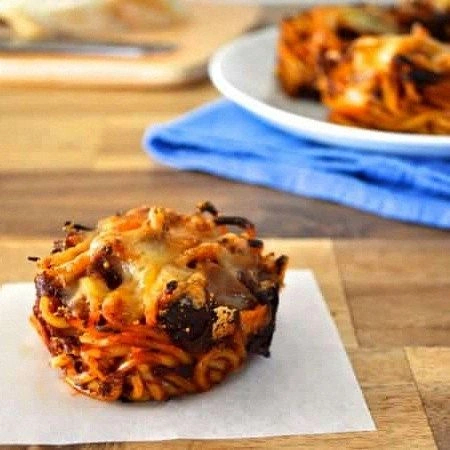
The first thing you notice is the aroma – a sweet, tangy perfume that rolls out of the oven like a summer breeze carrying hints of basil and roasted cheese. The sound? The gentle crackle as the edges turn crisp, a sizzle that feels like applause for every bite you’re about to take. The texture? Imagine each nest as a tiny, golden cage that holds a velvet‑soft interior of pasta, the kind of bite that shatters like thin ice just before you sink your teeth into gooey, melty cheese. And the taste? It’s deep, comforting, with the sauce coating the spaghetti like velvet while the cheese gives you that crisp‑to‑chewy climax you didn’t know you were missing.
What makes this version stand out is the fact that I’m not reinventing the wheel; I’m rescuing leftovers with a technique most recipes totally overlook. Most recipes get the texture completely wrong – they end up soggy or dry, and the flavor profile becomes boring. I scrape every secret out of the pantry, adding an egg to bind, a strategic sprinkle of cheese for caramelized edges, and a quick bake that turns ordinary spaghetti into gourmet‑level nestlings. The secret weapon? A dash of high‑heat confidence that gives the crust that “shatter‑like‑thin‑ice” finish, and this is the first time I’ve ever seen a leftover pasta turn into a handheld masterpiece.
Let me walk you through every single step – by the end, you’ll wonder how you ever made it any other way. Stay with me here — this is worth it. The technique I’m about to reveal is pure magic, and the result? Hands down the best version you’ll ever make at home. Ready for the game‑changer?
What Makes This Version Stand Out
- Texture: A crunchy exterior that gives way to a soft, sauce‑soaked interior, creating a contrast that sings in every bite.
- Flavor Depth: The sauce clings to every strand like velvet, while the cheese forms a caramelized crown that adds smoky richness.
- Efficiency: Uses leftovers, so you’re not throwing away food – it’s a zero‑waste hero that also cuts prep time in half.
- Ease of Scaling: The muffin‑tin format makes it simple to bake for a crowd or shrink down for a solo snack session.
- Versatility: Serve as an appetizer, side dish, or even a playful main when you pair it with a salad.
- Make‑Ahead Potential: Freeze the unbaked nests and pop them in the oven later – they stay crispy and delicious.
- Visual Appeal: Each nest looks like a tiny golden bird’s nest, perfect for Instagram moments without any staged props.
- Ingredient Harmony: The egg acts as a binder, the cheese melts and browns, and the leftover sauce brings the flavor memory burst.
Inside the Ingredient List
The Flavor Base
The star of the show is your leftover pasta and sauce mixed together. This isn’t just any sauce – it’s the kind that has simmered for hours, allowing tomatoes, garlic, and herbs to meld into a deep, umami‑rich pool that coats each noodle like a lover’s embrace. Skipping this step and using a bland store‑bought sauce will strip the nests of their soulful character, leaving you with a flat, uninspired bite. If you’re out of tomato‑based sauce, try a pesto or even a creamy alfredo for a completely different flavor adventure.
The Texture Crew
Enter the egg: one egg per three packed cups of pasta. The egg acts as the glue that holds the spaghetti together, giving the nests structure without turning them rubbery. If you omit the egg, you’ll end up with loose, soggy clumps that crumble the moment you try to lift them from the tin. For a richer texture, try a large egg plus a tablespoon of milk – the extra fat makes the crust even more tender.
The Unexpected Star
Grated melting cheese is the unsung hero that brings the magic finish. As the nests bake, the cheese caramelizes at the edges, forming that coveted crispy rim that you’ll hear crack like popcorn when you bite into it. Skipping the cheese not only loses that golden crunch but also dulls the flavor profile, making the dish taste like plain pasta. Choose a cheese with good meltability – mozzarella, provolone, or a blend of Monterey Jack and sharp cheddar work wonders.
The Final Flourish
A pinch of sea salt and a whisper of cracked black pepper can elevate the entire dish, but the real finale is a light drizzle of olive oil just before baking. This thin oil layer promotes even browning, giving you that gorgeous, uniform gold without deep‑frying. Forgetting the oil? You’ll end up with unevenly colored nests and a texture that feels more “fried” than “baked”. If you’re watching calories, a spray of cooking oil works just as well.
Everything’s prepped? Good. Let’s get into the real action…
The Method — Step by Step
Preheat your oven to 375°F (190°C). While the oven warms, line a standard 12‑cup muffin tin with silicone liners or lightly spray them with non‑stick cooking spray. The heat will start working the moment the tins hit the oven, making the first crackle you hear feel like a standing ovation. Power transition: Okay, ready for the game‑changer?
Take your leftover pasta and sauce, and toss it into a large mixing bowl. Using a wooden spoon, press the mixture down so the sauce clings more tightly to each strand – think of it as giving the pasta a spa treatment. If the mixture feels too dry, add a splash of water; if it’s too wet, sprinkle a teaspoon of flour and stir.
Kitchen Hack: Warm the leftover pasta gently in the microwave for 30 seconds before mixing – it loosens the sauce and makes incorporation easier.Measure the packed cups of pasta. For every three cups, crack one egg. In our case, we have roughly four cups, so whisk together two large eggs with a pinch of salt and pepper. The egg should be lightly beaten, not frothy – we’re looking for a cohesive binder, not a meringue. Once blended, pour the egg mixture over the pasta and fold gently until every noodle is coated.
Sprinkle the grated melting cheese over the pasta‑egg blend. Use about one cup of cheese for four cups of pasta – this ratio ensures the cheese melts throughout without overwhelming the flavor. Mix just enough to distribute the cheese; you want pockets of gooey cheese that will become crispy crowns when baked.
Using a sturdy spoon or an ice‑cream scoop, portion the mixture into the muffin tin, filling each cup about three‑quarters full. Press down lightly with the back of the spoon to compact the nest, but don’t smash it – the goal is a firm shape that holds together.
Watch Out: Over‑filling the cups will cause the nests to spill over and lose their shape, resulting in a flat, uneven crust.Drizzle a very thin layer of olive oil over the tops of each nest. This step is crucial for that luxurious golden‑brown finish; the oil acts like a conductor, spreading heat evenly across the cheese surface. If you’re avoiding oil, a quick spray of cooking mist works just as well.
Slide the tin onto the middle rack and bake for 20‑25 minutes. Around the 15‑minute mark, start listening for that faint crackle – the cheese edges are caramelizing. The nests are ready when the tops turn a deep honey‑gold and the edges start pulling away from the tin, giving you that “shatter‑like‑thin‑ice” sound when you tap them.
Remove the tin from the oven and let it sit for three minutes. This short rest lets the interior set, making removal easier and preserving the shape. Then, run a thin metal spatula around each nest and gently lift them onto a cooling rack. The aroma at this point is unstoppable – think of a Mediterranean kitchen in full swing.
Serve warm, straight from the rack, with a side of marinara for dipping or a dollop of fresh pesto. For an extra pop, garnish with a few torn basil leaves or a sprinkle of toasted pine nuts. Bold claim: This is hands down the best version you’ll ever make at home. And now the fun part.
Insider Tricks for Flawless Results
The Temperature Rule Nobody Follows
Most home cooks bake at a steady 350°F, but cranking the oven to 375°F creates that instant sizzle on the cheese surface, giving you that golden edge faster. If you’re using a convection oven, drop the temp by 25°F and keep the time the same. I once baked at 400°F for a “quick fix” and ended up with a burnt crust that no amount of cheese could save.
Why Your Nose Knows Best
Don’t rely solely on a timer; trust the smell. When the kitchens fills with that sweet buttery‑cheese scent, you’re at the cusp of perfection. I’ve watched friends pull nests out too early, only to have them collapse; the smell was the true indicator, not the clock.
The 5‑Minute Rest That Changes Everything
After baking, let the nests rest for exactly five minutes. This short pause allows the interior to firm up, preventing them from falling apart when you lift them. Skip this step and you’ll end up with a soggy mess that looks more like a pasta puddle than a nest.
Egg‑Binding Precision
If you’re scaling the recipe, keep the egg‑to‑pasta ratio exact – 1 egg per 3 cups of packed pasta. Too many eggs make the nests rubbery; too few and they crumble.
Cheese Choice Countdown
Mixing a mild cheese (like mozzarella) with a sharper one (such as sharp cheddar) gives you both meltability and flavor depth. A friend tried using only Parmesan once – the result was a hard crust that shattered before they could even bite. The balance is key.
Creative Twists and Variations
This recipe is a playground. Here are some of my favorite ways to switch things up:
Mediterranean Sunrise
Swap the standard cheese for feta and mix in chopped sun‑dried tomatoes and olives. The briny feta adds a tangy snap, while the sun‑dried tomatoes bring an intense umami burst. Perfect for a brunch board or a light lunch.
Spicy Inferno
Add a tablespoon of harissa paste to the pasta sauce before mixing, and toss in sliced jalapeños. The heat will dance with the cheesy crust, giving you a punch that lingers pleasantly on the palate. Great for those who love a little fire.
Herb Garden Delight
Stir in freshly chopped rosemary, thyme, and a handful of basil right before baking. The herbs release fragrant oils as they bake, turning each bite into a garden‑fresh experience. This version is especially lovely in spring.
Cheesy Bacon Bomb
Crumble cooked bacon into the mixture and use a smoky gouda for the cheese topping. The bacon bits add a salty crunch that complements the creamy interior, while gouda melts into a luscious caramel‑brown crown. Ideal for a weekend treat.
Veggie Powerhouse
Fold in a cup of finely diced roasted vegetables – think zucchini, bell pepper, and carrot. The veggies add moisture and a natural sweetness that balances the richness of the cheese. This is a great way to sneak extra nutrients into a kid‑friendly snack.
Breakfast Boost
Swap the regular egg for a whisked egg‑white mixture and add a pinch of smoked paprika. Top with a sprinkle of cheddar and serve alongside scrambled eggs for a hearty morning bite. It’s a protein punch that will keep you full till lunch.
Storing and Bringing It Back to Life
Fridge Storage
Let the nests cool completely, then transfer them to an airtight container. They’ll stay fresh for up to three days. When you’re ready to eat, reheat in a 350°F oven for 8‑10 minutes; the cheese will re‑crisp, and the interior will become fluffy again.
Freezer Friendly
Unbaked nests freeze beautifully. Arrange them on a baking sheet, freeze until solid, then move to a zip‑top freezer bag. They’ll keep for up to two months. When you’re ready, bake straight from frozen for 25‑30 minutes, adding a minute or two if you like extra crispness.
Best Reheating Method
Add a tiny splash of water (about a teaspoon) to the reheating pan, then cover loosely with foil for the first five minutes. The steam revives the interior, while the uncovered finish restores the golden crust. Skipping the steam step leaves the nests dry and stubborn.