Low-Carb Orange Beef and Brocc
It started with a kitchen calamity that still haunts my culinary dreams. I was trying to impress a group of health‑conscious friends with a quick stir‑fry, only to have the beef stick to the pan like a stubborn burrito and the broccoli wilt like a wilted lettuce leaf. I stared at the charred mess and thought, “What if I could turn this disaster into a masterpiece?” That moment sparked a midnight research session that led to a sauce so bright it could have been bottled from an orange sunrise.
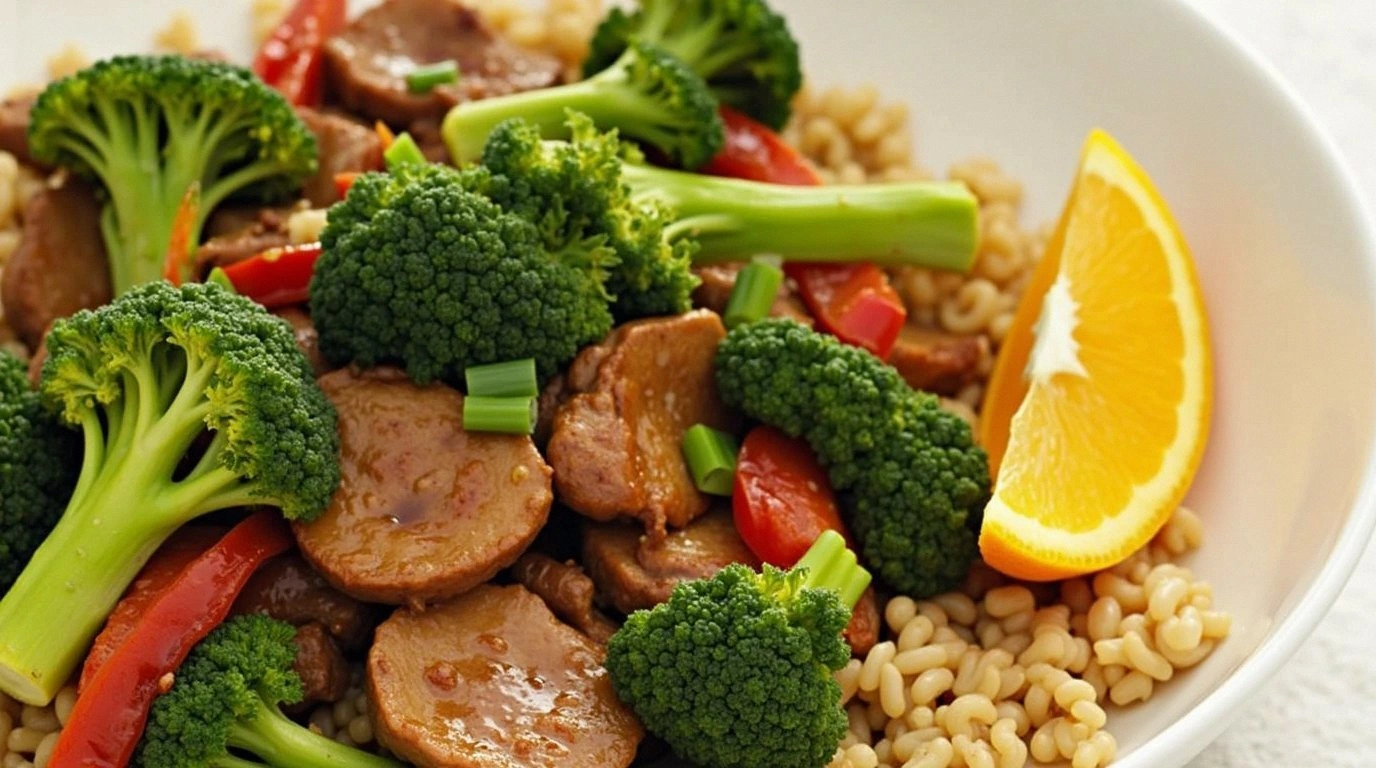
Imagine a sizzling pan, the aroma of fresh ginger and garlic dancing with the citrusy tang of orange juice. The sound of the oil shimmering is like a gentle applause, and the first bite delivers a burst of sweet and savory that makes your tongue sing. The texture of the beef, marbled and tender, contrasts with the crisp, snow‑white broccoli that holds its shape like a miniature skyscraper. Every element sings in perfect harmony, turning a simple dinner into a sensory fireworks display.
What makes this version stand out is that it does more than just satisfy hunger; it satisfies a craving for flavor, texture, and nutrition all at once. The sauce is thickened with a whisper of cornstarch, giving it a silky coat that clings to every bite, while the sesame oil adds a nutty aroma that lingers long after the last forkful. It’s a dish that balances low‑carb ambition with a taste profile that feels indulgent, not compromised. I dare you to taste this and not go back for seconds.
By the end of this post, you’ll have the confidence to recreate a dish that is hands down the best version you'll ever make at home. Let me walk you through every single step — by the end, you’ll wonder how you ever made it any other way.
What Makes This Version Stand Out
- Flavor: The orange glaze is a bright, citrusy punch that cuts through the richness of the beef, creating a harmonious balance that lingers on the palate.
- Texture: The beef is seared to a caramelized crust while remaining juicy inside, and the broccoli stays crisp-tender, offering a satisfying crunch.
- Low‑Carb Integrity: Every ingredient is chosen for its minimal carbohydrate footprint, allowing you to indulge without the guilt.
- Visual Appeal: The dish boasts a vibrant orange hue that makes it Instagram‑ready, with a glossy sheen that glistens like a jewel.
- Time Efficiency: From prep to plate, the entire process takes less than an hour, perfect for busy weeknights.
- Make‑Ahead Potential: The sauce can be pre‑made and stored, allowing you to assemble the dish in minutes when hunger strikes.
- Versatility: Swap beef for chicken or shrimp, and you’re still in the same flavor territory with only a few tweaks.
- Crowd Reaction: Friends who are skeptical about low‑carb meals are often surprised by the depth of flavor and the satisfying mouthfeel.
Alright, let's break down exactly what goes into this masterpiece…
Inside the Ingredient List
The Flavor Base
Orange juice is the star of the show, providing a natural sweetness that balances the saltiness of soy sauce. Its acidity brightens the dish, preventing it from feeling heavy. If you find fresh juice too tart, a splash of orange liqueur can mellow the intensity while adding depth.
The Texture Crew
Broccoli florets are the crunchy backbone of the dish. They should be cut into bite‑sized pieces to ensure even cooking. If you prefer a softer texture, blanch the broccoli in boiling water for 30 seconds before sautéing; this preserves color while reducing cooking time.
The Unexpected Star
Sesame oil is a subtle but powerful element that adds a nutty aroma. It’s used sparingly because its flavor can dominate the dish. A teaspoon is enough to coat the pan and give the sauce a silky finish.
The Final Flourish
Cornstarch, mixed with a dash of water, acts as the thickening agent that gives the sauce its glossy coat. Without it, the sauce would remain watery and fail to cling to the beef. If you’re avoiding starch altogether, a tablespoon of xanthan gum can achieve a similar viscosity.
Everything's prepped? Good. Let's get into the real action…
The Method — Step by Step
- First, pat the beef strips dry with a paper towel. This step is crucial for achieving that perfect sear. A dry surface allows the Maillard reaction to kick in, creating a caramelized crust that locks in juices. I always let the beef rest at room temperature for 10 minutes before cooking; it prevents the meat from steaming.
- Heat a large skillet or wok over medium‑high heat until it shimmers. Add one tablespoon of sesame oil and swirl to coat the bottom. The oil should be hot enough that a drop of water sizzles instantly. This is the moment of truth—if the oil is too cold, the beef will steam instead of sear.
- Add the beef in a single layer, leaving space between pieces. Do not overcrowd; this ensures even cooking. Sear each side for 2 minutes, or until a golden crust forms. Flip the strips only once to maintain tenderness.
- Transfer the seared beef to a plate and set aside. This frees up space in the pan for aromatics. While the beef rests, you can start the sauce, saving precious minutes later.
- In the same pan, reduce heat to medium and add one tablespoon of olive oil. Toss in minced garlic and grated ginger, cooking until fragrant—about 30 seconds. The aroma should be intoxicating, hinting at the flavors to come.
- Pour in one cup of fresh orange juice, two tablespoons of low‑sodium soy sauce, and one tablespoon of rice vinegar. Stir to combine, then let the mixture simmer for two minutes. The liquid should thicken slightly, indicating the flavors are melding.
- Whisk in one tablespoon of cornstarch mixed with a tablespoon of cold water. Stir vigorously to prevent lumps. The sauce should thicken to a glossy sheen that coats the back of a spoon. If it’s too thick, add a splash of water; if too thin, let it simmer a bit longer.
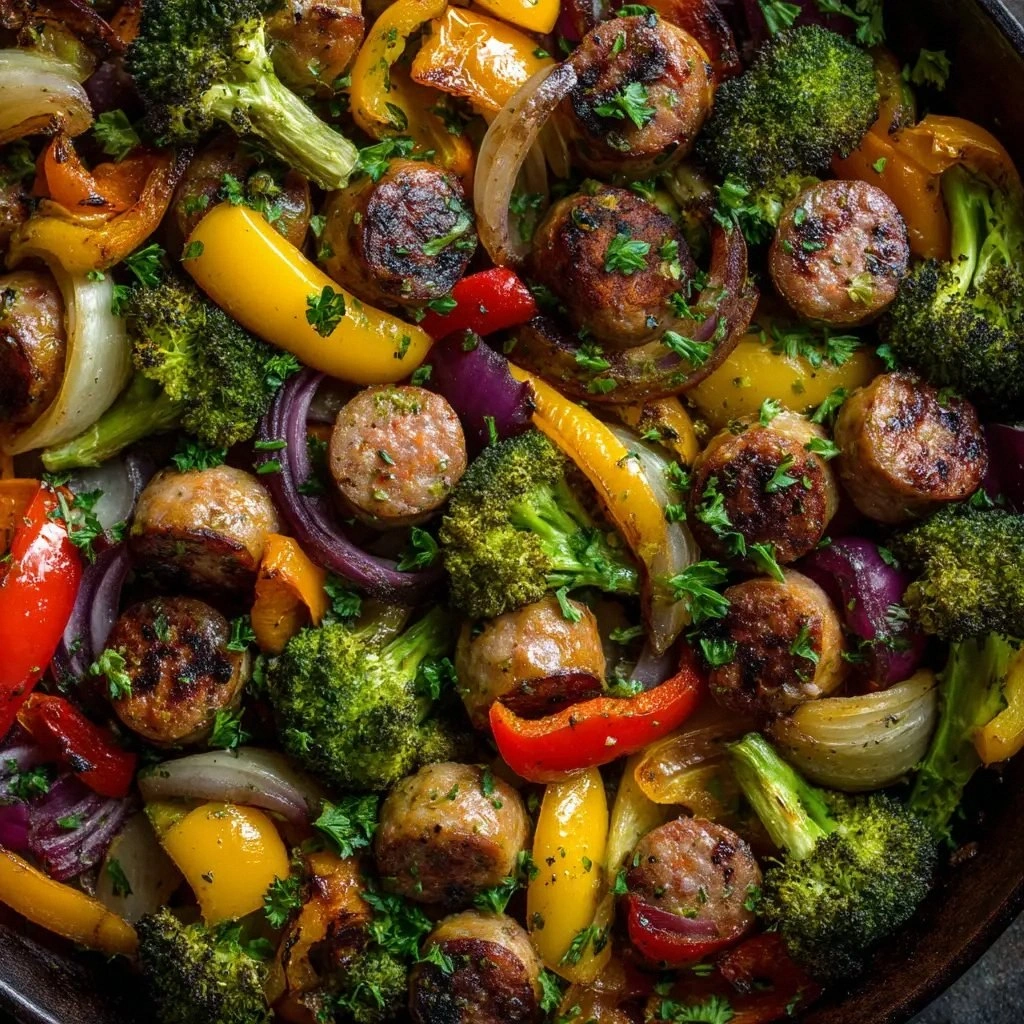
- Return the beef to the pan, tossing to coat each piece evenly. Add one cup of broccoli florets, a teaspoon of chili flakes, and a pinch of salt and pepper. Stir-fry for four minutes until the broccoli is bright green and just tender, yet still crisp.
- Finish the dish with a drizzle of sesame oil and a sprinkle of toasted sesame seeds. The seeds add a subtle crunch and a nutty finish. Give everything one final toss, ensuring the sauce is evenly distributed.
- Serve immediately over cauliflower rice or your favorite low‑carb side. The dish should look vibrant, with a glossy orange glaze that glistens like liquid gold. Take a moment to inhale the aroma before you dive in—this is pure magic.
That's it — you did it. But hold on, I've got a few more tricks that'll take this to another level…
Insider Tricks for Flawless Results
The Temperature Rule Nobody Follows
Many cooks assume that a high heat is always better for searing. In reality, a medium‑high heat with a preheated pan is more effective. This approach prevents the beef from sticking and ensures a uniform crust. I’ve seen countless videos where the meat sticks and tears; avoid that by letting the pan reach the right temperature before adding oil.
Why Your Nose Knows Best
When the sauce starts to thicken, the scent will shift from citrusy to caramelized. Trust that aroma—it signals the perfect moment to add the broccoli. If you wait too long, the broccoli will overcook and lose its bright color. A quick sniff test is the fastest way to gauge doneness.
The 5‑Minute Rest That Changes Everything
After cooking, let the dish rest for five minutes before serving. This allows the juices to redistribute throughout the beef, making each bite succulent. The sauce also settles, creating a richer coating. I’ve found that dishes served immediately after cooking often taste flat; the rest period elevates the flavor profile.
Micro‑Grinding for Extra Flavor
Finely grate the orange zest before adding it to the sauce. The zest releases essential oils that amplify the citrus note. If you skip this step, the dish will taste like a bland orange soda rather than a vibrant, aromatic sauce.
Using a Splatter Guard
When searing the beef, a splatter guard can keep your kitchen cleaner and prevent hot oil from splattering onto your face. It’s especially useful if you’re cooking for guests; a clean kitchen keeps the focus on the food.
Creative Twists and Variations
This recipe is a playground. Here are some of my favorite ways to switch things up:
Spicy Sriracha Kick
Swap the chili flakes for a tablespoon of sriracha. The heat will mingle with the orange glaze, creating a sweet‑spicy contrast that pairs beautifully with grilled shrimp.
Peanut Butter Glaze
Add a tablespoon of creamy peanut butter to the sauce. The nutty undertone complements the orange and beef, giving the dish a Southeast Asian twist.
Almond Crust Beef
Coat the beef strips in crushed almonds before searing. The almond shell adds a crunchy texture and a subtle nut flavor that enhances the overall profile.
Garlic Parmesan Broccoli
After sautéing the broccoli, sprinkle grated Parmesan cheese and a dash of garlic powder. The cheese melts into a golden crust, adding richness that contrasts with the citrus.
Cauliflower Rice Base
Serve the dish over cauliflower rice instead of regular rice. The mild flavor of cauliflower allows the orange glaze to shine while keeping the carb count low.
Herb‑Infused Oil
Infuse the sesame oil with fresh thyme before cooking. The herbaceous note adds depth and pairs wonderfully with the orange flavor.
Storing and Bringing It Back to Life
Fridge Storage
Cool the dish completely before transferring to an airtight container. Store in the refrigerator for up to three days. The sauce may thicken slightly; a quick stir will restore its glossy sheen.
Freezer Friendly
For longer storage, freeze the dish in portioned containers. Keep it in the freezer for up to two weeks. Thaw overnight in the refrigerator before reheating.
Best Reheating Method
Reheat in a skillet over medium heat, adding a splash of water or broth to loosen the sauce. Stir frequently to prevent sticking. A tiny splash of water before reheating steams the dish back to perfection, maintaining its vibrant color and tender texture.