It all began with a kitchen catastrophe that could have turned into a culinary disaster, but instead became the spark that lit my tastebuds for this recipe. I was scrambling to rescue a batch of over‑cooked chicken that had turned into a rubbery, flavor‑dead mess, and a friend dared me to make a dish that could bring it back to life. I grabbed whatever I had on hand—flour, eggs, a handful of cheeses, and a splash of lemon juice—and started tossing the chicken in a thick, golden batter. The sizzle that erupted in the skillet was louder than any alarm, and the aroma that filled the air was the sweet, savory promise of a triumphant comeback. I swear, that moment was a culinary revelation that turned a kitchen nightmare into a delicious triumph.
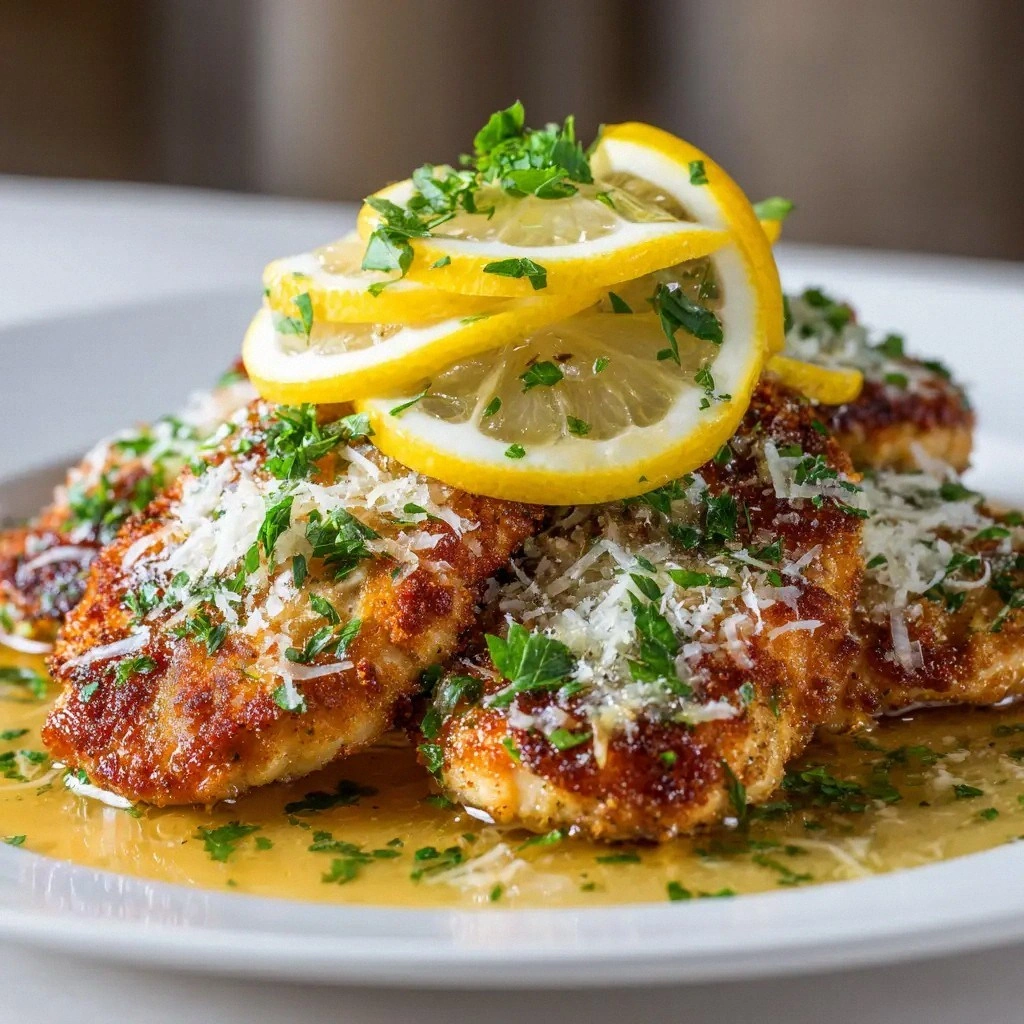
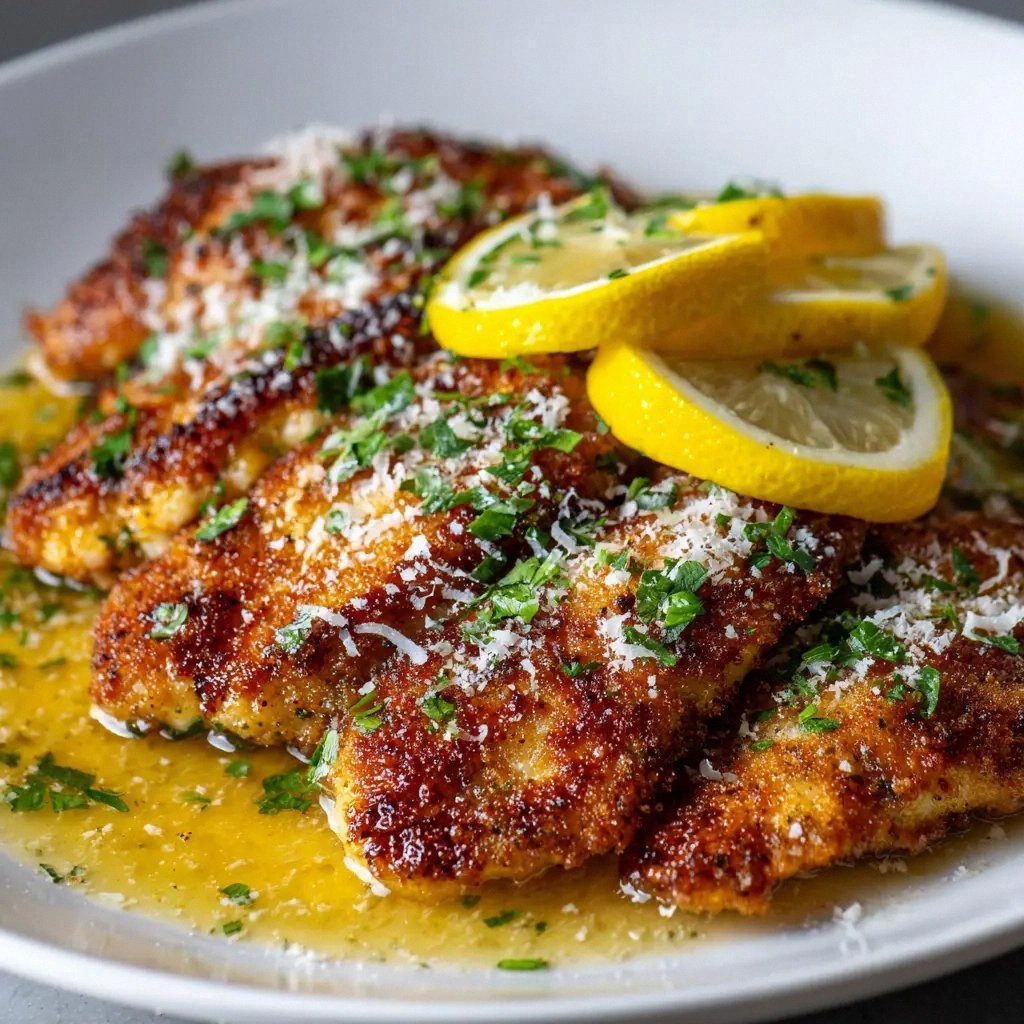
Picture the scene: the stovetop glowing amber, a golden crust forming on the chicken, and the sharp scent of garlic mingling with the sharp tang of lemon. The sound of the pan sizzling is like a drumbeat, a soundtrack to the transformation happening before your eyes. The texture of the chicken—crisp on the outside, tender and juicy on the inside—is a tactile delight that makes you want to touch it with a fork. The first bite delivers a burst of buttery crunch that melts into a silky, citrus‑laden sauce, and you can taste the subtle nuttiness of Pecorino Romano and the mellow depth of Parmesan. The final touch of fresh parsley adds a green pop that brightens the dish, making the whole experience a symphony of flavors, aromas, and sensations that you’ll want to replay again and again.
What makes this version stand out from every other recipe out there is that it doesn’t just rely on the classic Romano sauce; it layers a buttery, lemon‑infused crust that crunches like a fresh apple, then dissolves into a silky sauce that coats the chicken like velvet. The secret is the cold butter finish, which gives the sauce a silky sheen and a subtle richness that makes every bite feel indulgent without being heavy. The combination of Pecorino and Parmesan gives it a complex, savory depth that pairs perfectly with the bright citrus. The result is a dish that feels both comforting and adventurous, like a cozy hug wrapped in a zesty, golden shell.
And here’s the twist that will blow your mind: I added a splash of dry white wine and a dash of low‑sodium chicken broth to the sauce, which gives it a subtle umami lift that you wouldn’t expect from a simple lemon chicken. This small addition brings a depth that makes the dish feel like a restaurant‑quality experience, while still being simple enough to whip up on a busy weeknight. The trick is to let the wine reduce just enough to concentrate its flavor without overpowering the lemon.
Let me walk you through every single step—by the end, you’ll wonder how you ever made it any other way. I’ll keep you on your toes, throw in a few micro‑challenges, and make sure you’re laughing all the way to the plate. Get ready for the kind of recipe that feels like a secret weapon in your culinary arsenal.
What Makes This Version Stand Out
- Flavor: The dual‑cheese blend of Pecorino Romano and Parmesan delivers a savory depth that balances perfectly with the bright lemon. The subtle umami from the wine and broth adds an extra layer of complexity that you won’t find in ordinary lemon chicken.
- Crispiness: The batter’s flour‑egg coating creates a crunch that shatters like thin ice when you bite into it, while the cold butter finish gives the sauce a silky sheen.
- Ease: No fancy equipment or time‑consuming prep—just a few pantry staples and a quick breading technique that even a novice can master.
- Versatility: Works as a main dish for dinner, a hearty appetizer for parties, or a crowd‑pleasing side when paired with pasta or rice.
- Make‑ahead potential: The chicken can be cooked ahead, refrigerated, and reheated without losing its crispness, making it a perfect “set it and forget it” option.
- Ingredient quality: Using fresh, high‑quality cheeses and real lemons elevates the dish, turning a simple recipe into a gourmet experience.
- Texture: The sauce coats the chicken like velvet, while the crust remains crunchy—two textures that dance together in every bite.
- Presentation: The golden crust and bright lemon glaze create an eye‑catching dish that looks as good as it tastes.
Alright, let’s break down exactly what goes into this masterpiece…
Inside the Ingredient List
The Flavor Base
At the heart of this dish lies a simple yet powerful combination of fresh lemon juice, dry white wine, and low‑sodium chicken broth. The lemon juice provides a sharp, citrusy bite that wakes up the palate, while the wine adds a subtle depth that cuts through the richness of the cheeses. The broth, on the other hand, keeps the sauce from drying out and gives it a velvety consistency that clings to every bite. Skipping any of these would leave the sauce feeling thin, flat, or overly acidic.
The Texture Crew
The batter is the secret weapon that turns ordinary chicken into a crispy delight. By coating the breasts in a mixture of all‑purpose flour and grated Pecorino Romano, you create a crunchy shell that locks in moisture. The eggs act as a binder, ensuring the flour sticks and forms a cohesive crust. The final touch—a swirl of cold unsalted butter—adds a silky finish that makes the sauce feel luxurious without adding heaviness. If you skip the butter, the sauce will still work, but it will feel a little less opulent.
The Unexpected Star
While the cheeses are the star of the show, the fresh parsley adds a bright, herbal note that cuts through the richness. The dried parsley in the batter gives the crust a subtle herbal undertone, while the fresh parsley sprinkled on top at the end adds a pop of color and a fresh finish. If you’re allergic to dairy, you can replace the cheeses with a dairy‑free alternative, but the flavor profile will shift noticeably.
The Final Flourish
The finishing touches—extra butter, lemon zest, and a sprinkle of fresh parsley—are the finishing lines that bring everything together. The cold butter, added at the end, creates a glossy, silky sauce that coats the chicken like velvet. The lemon zest adds a bright, aromatic burst that elevates the dish from ordinary to unforgettable. If you’re craving a bit of heat, a pinch of red pepper flakes can be tossed in during the sauce reduction.
Everything's prepped? Good. Let's get into the real action…
The Method — Step by Step
- Begin by patting the chicken breasts dry with paper towels—this is crucial for a crisp crust. Season both sides generously with salt, pepper, and dried parsley. Let the chicken sit at room temperature for 10 minutes; this helps it cook evenly.
- Whisk together the flour and grated Pecorino Romano in a shallow dish, then whisk the eggs in a separate bowl. Dip each chicken breast first into the flour mixture, shaking off excess, then into the eggs, and back into the flour—this double coating ensures maximum crunch.
- Heat the olive oil in a large skillet over medium‑high heat until it shimmers. Add the chicken and sear for 3–4 minutes per side, or until the crust is golden brown and the internal temperature reaches 165°F. This step is the moment of truth—watch the sizzle closely.
- Remove the chicken from the skillet and set it aside. In the same pan, add the butter and let it melt, then toss in the minced garlic. Cook for 30 seconds until fragrant, being careful not to burn the garlic.
- Deglaze the pan with the white wine, scraping up the browned bits. Let the wine reduce by half, then pour in the chicken broth and lemon juice. Stir in the grated Parmesan and stir until the sauce thickens to a silky glaze. The sauce should coat the back of a spoon.
- Return the chicken to the skillet, spooning some sauce over each piece. Let it simmer for 2 minutes to reheat and allow the flavors to meld.
- Finish the sauce with a swirl of cold butter and a sprinkle of fresh parsley. The cold butter will create a glossy, silky finish that clings to the chicken like a velvet coat.
- Plate the chicken, spoon the remaining sauce over it, and garnish with an extra pinch of parsley for color. Serve immediately with a side of roasted vegetables or a light salad to balance the richness.
That’s it — you did it. But hold on, I've got a few more tricks that'll take this to another level…
Insider Tricks for Flawless Results
The Temperature Rule Nobody Follows
Most people cook chicken at a high heat and then lower it, but the real trick is to start at medium‑high and keep the temperature steady. This prevents the outside from burning while the inside remains juicy. I’ve found that a thermometer is a game‑changer; it tells you exactly when the chicken is done and stops you from overcooking.
Why Your Nose Knows Best
The aroma of the sauce is a reliable indicator of readiness. When the sauce has reduced enough, it will emit a rich, nutty scent that signals it's time to add the chicken back in. If you’re unsure, give the sauce a quick stir; if it coats the back of a spoon, you’re good to go.
The 5‑Minute Rest That Changes Everything
Let the chicken rest for five minutes after searing. This allows the juices to redistribute, making each bite buttery and tender. Skipping this step often leads to a dry center, which is a common pitfall in quick recipes.
Use Cold Butter for the Finish
Adding cold butter at the end gives the sauce a silky sheen that’s impossible to replicate with room‑temperature butter. It also helps the sauce cling to the chicken, ensuring every bite is coated in that luscious, lemon‑cheese blend.
Don’t Skip the Garlic
Garlic is the flavor backbone of the sauce. I’ve had friends who skip it for fear of burning, but a quick 30‑second sauté in the butter is all you need. The result is a fragrant, aromatic base that elevates the entire dish.
Keep the Crust Crunchy
If you’re reheating leftovers, place the chicken on a wire rack over a baking sheet and warm it at 375°F for 8–10 minutes. This method keeps the crust crisp instead of soggy. A quick flash in the oven is all it takes to bring the dish back to life.
Creative Twists and Variations
This recipe is a playground. Here are some of my favorite ways to switch things up:
Spicy Mediterranean
Swap the Parmesan for feta and add a pinch of red pepper flakes to the batter. Finish with a drizzle of olive oil and a squeeze of fresh lemon for a Mediterranean kick.
Herb‑Infused Delight
Replace the dried parsley with a mix of thyme, rosemary, and oregano in the batter. Garnish with fresh rosemary sprigs for an aromatic finish.
Gluten‑Free Version
Use almond flour or a gluten‑free flour blend for the coating. The texture remains crisp, and the sauce stays silky.
Vegan Twist
Replace the chicken with firm tofu, marinated in lemon juice and herbs, then bake at 400°F for 25 minutes. Use a plant‑based cheese substitute in the sauce.
Breakfast Edition
Serve the chicken over a bed of scrambled eggs and toast. The lemon sauce adds a bright contrast to the savory eggs.
Quick Skillet Dinner
Add diced bell peppers and onions to the skillet after the garlic. They’ll caramelize and add color, texture, and extra flavor.
Storing and Bringing It Back to Life
Fridge Storage
Store leftovers in an airtight container in the refrigerator for up to 3 days. The crust may soften, but the sauce will keep the chicken moist.
Freezer Friendly
Wrap the chicken tightly in foil and place it in a freezer bag. Freeze for up to 2 months. Thaw overnight in the refrigerator before reheating.
Best Reheating Method
Reheat in a preheated oven at 375°F for 10–12 minutes, or until the internal temperature reaches 165°F. Add a splash of water before reheating to steam the chicken back to perfection.