When I first stumbled upon a burnt batch of ribs at a backyard cook‑off, I thought the whole idea of “jerk” was a myth of the Caribbean. The kitchen was a smoky mess, the ribs were charred to a crisp that could have been a charcoal grill, and my friend dared me to finish them off with a sauce that would make the smoke dance. I laughed, but I also tasted the potential: a smoky, sweet, spicy glaze that could turn a disaster into a triumph. That night, I was determined to rewrite the rules of jerk‑style ribs.
Imagine stepping into a kitchen where the air tastes like a tropical breeze and the sound of sizzling is a promise of flavor. The scent of fresh lime zest mingles with the sharp, earthy aroma of allspice and smoked paprika, while the crackle of a hot grill echoes like applause. Every ingredient feels like a character in a story, from the humble garlic powder to the bold Scotch bonnet powder that whispers heat. When the first rib hits the grill, the sizzle is a drumbeat, and the glossy glaze begins to caramelize into a golden coat that feels like velvet on skin.
I’ve spent the past month perfecting this recipe, experimenting with rubs, marinades, and a sticky sauce that clings to the meat like a second skin. The result is a dish that not only delivers the heat and depth of traditional jerk but also balances it with a sweet, caramelized finish that melts in your mouth. I dare you to taste this and not go back for seconds; it’s a culinary rollercoaster that ends with a satisfying, sticky finish. The best part? It’s surprisingly simple to assemble, even for those who think grilling is a high‑stakes sport.
Picture yourself pulling these ribs out of the oven, the whole kitchen smelling incredible, and the table set for a gathering that will leave everyone asking for the recipe. The combination of smoky, spicy, sweet, and a hint of citrus creates a flavor profile that is both bold and harmonious. It’s hands down the best version you’ll ever make at home, and once you try it, you’ll wonder how you ever survived ribs without this technique. Let me walk you through every single step — by the end, you’ll wonder how you ever made it any other way.
What Makes This Version Stand Out
- Taste: The sauce marries the heat of Scotch bonnet powder with the sweetness of pineapple juice and brown sugar, creating a complex flavor that lingers on the palate. It’s a perfect balance between fiery and sweet that satisfies every craving.
- Texture: The ribs develop a caramelized crust that cracks with a satisfying snap, while the interior remains tender and juicy, thanks to a slow, low‑heat cooking method that breaks down connective tissue.
- Simplicity: Despite its depth, the recipe requires only a handful of pantry staples and a few fresh ingredients, making it accessible to both novice and experienced cooks.
- Uniqueness: The addition of coconut milk to the glaze gives a subtle tropical richness that sets this dish apart from typical jerk ribs.
- Crowd Reaction: Friends and family consistently comment that the ribs “just melt in your mouth” and that the sauce is “the best thing I’ve ever tasted.”
- Ingredient Quality: Using high‑quality dark brown sugar and fresh lime zest elevates the flavor profile, turning an ordinary rib dish into a gourmet experience.
- Cooking Method: The combination of oven finish and stovetop glaze creates a two‑step process that ensures both tenderness and caramelization.
- Make‑Ahead Potential: The ribs can be marinated overnight, and the glaze can be prepared in advance, allowing you to focus on the final grill when guests arrive.
Inside the Ingredient List
The Flavor Base
At the heart of these ribs is a blend of aromatic spices that form the foundation of jerk flavor. Garlic powder and onion powder create a savory backdrop, while ground thyme adds a subtle herbal depth that echoes the Caribbean’s lush landscapes. Smoked paprika imparts a smoky undertone that complements the grill, and allspice, nutmeg, and ginger bring warm, sweet undertones that balance the heat of the Scotch bonnet powder. The combination of these spices ensures that every bite is a complex, layered experience.
Skipping any of these spices will diminish the signature jerk profile. For instance, omitting allspice will leave the rub feeling flat, while leaving out ginger will reduce the subtle sweetness that keeps the glaze from becoming overly sharp. If you’re allergic to nutmeg, you can replace it with a pinch of cinnamon for a slightly different warmth. When choosing these spices, opt for freshly ground varieties to maximize flavor potency.
The Texture Crew
Ribs are notorious for their tough exterior and chewy interior. The rub’s salt and pepper work together to break down surface proteins, creating a tender crust. The dark brown sugar not only adds sweetness but also reacts with the heat to produce a glossy, caramelized coating that locks in juices. The addition of soy sauce and rice wine vinegar introduces umami and acidity, which help to tenderize the meat and balance the richness of the glaze.
Every time you add a pinch of salt, you’re also encouraging the meat to retain moisture. The sugar’s caramelization process, known as the Maillard reaction, is the secret behind that irresistible crust. If you’re watching your sodium intake, you can reduce the kosher salt to ¾ teaspoon, but the texture may be slightly less robust.
The Unexpected Star
Pineapple juice is the unsung hero that brings brightness and a subtle tropical sweetness. It also contains bromelain, an enzyme that helps break down proteins, contributing to the ribs’ tenderness. When combined with coconut milk, the glaze achieves a silky, luxurious consistency that clings to each rib.
Using fresh pineapple juice instead of bottled gives a fresher flavor, but bottled works well if fresh isn’t available. The coconut milk adds richness without overpowering the spice, creating a harmonious balance that keeps the glaze from becoming too sweet or too savory. If you’re vegan, you can substitute coconut milk with almond milk and add a tablespoon of maple syrup to maintain the sticky texture.
The Final Flourish
Scallions and red pepper flakes finish the dish with a bright, fresh crunch and an extra kick of heat. They’re added at the very end to preserve their delicate flavor and to provide a contrast to the deep, caramelized glaze. The lime zest’s bright citrus notes cut through the richness, leaving a clean finish that lingers on the palate.
Adding scallions at the end also helps prevent the delicate green color from fading under high heat. If you prefer a milder heat, reduce the red pepper flakes to ½ teaspoon. The final touch of lime zest should be added just before serving to keep its bright aroma alive.
Everything's prepped? Good. Let's get into the real action…
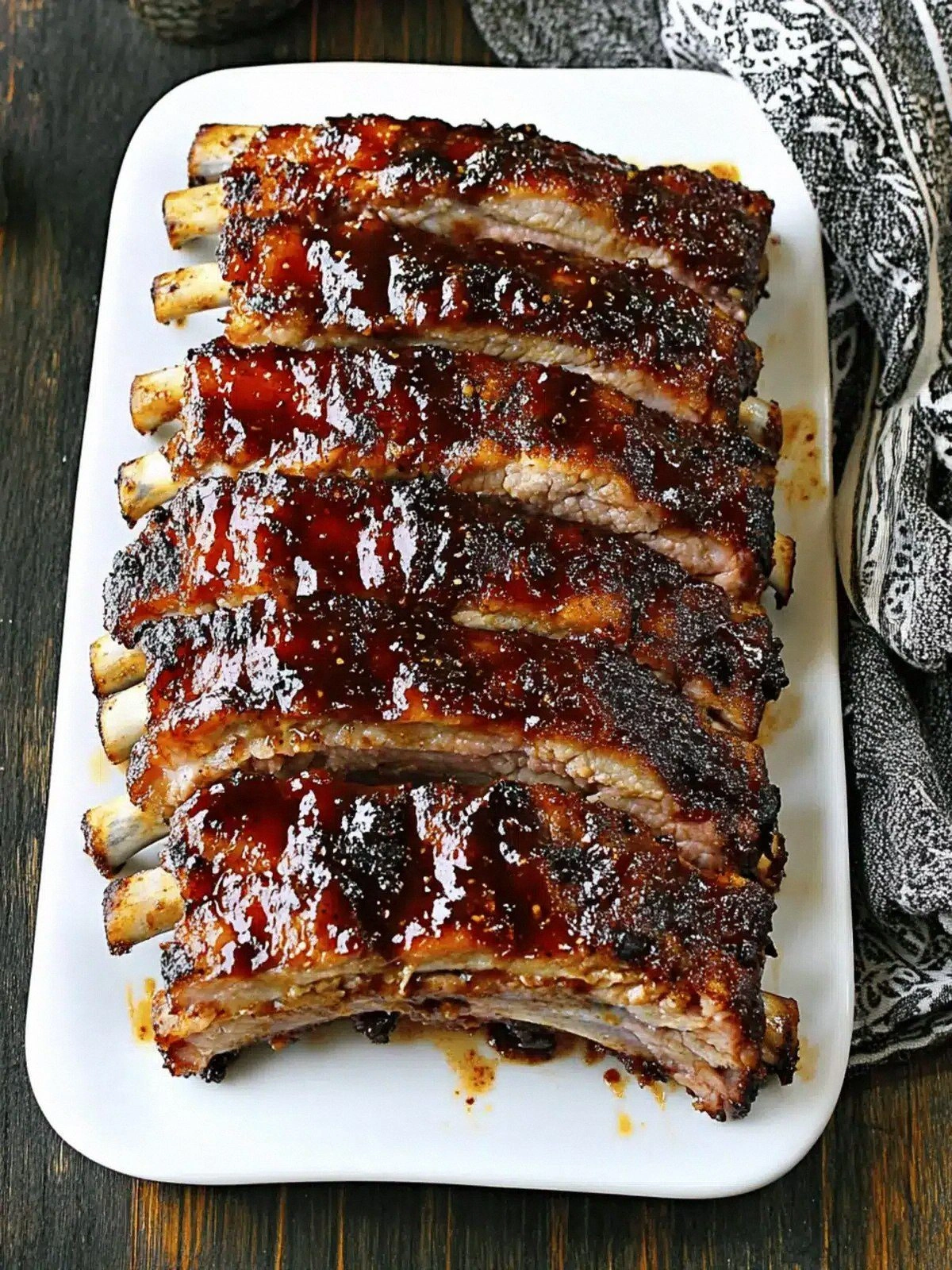
The Method — Step by Step
- Remove the silver skin from the back of the ribs and pat them dry with paper towels. This step is crucial for a crisp exterior; a damp surface will steam instead of sear. As you peel, you’ll notice the ribs’ natural texture, a reminder of the animal’s life before it became a culinary delight. Don’t rush this part—each rib is a canvas waiting for the rub.
- In a small bowl, combine garlic powder, onion powder, ground thyme, smoked paprika, allspice, nutmeg, ginger, Scotch bonnet powder, lime zest, dark brown sugar, kosher salt, and black pepper. Mix until evenly distributed; this uniformity ensures every rib receives a balanced flavor. The aroma that fills the kitchen at this point is already a promise of the final dish.
- Rub the spice mixture all over the ribs, pressing it into the meat. The rub should coat every nook and cranny, creating a flavorful crust that will caramelize during cooking. Let the ribs sit at room temperature for 15 minutes to absorb the rub; this short resting period allows the spices to penetrate the meat.
- Preheat your oven to 275°F (135°C). While the oven heats, prepare the glaze: combine soy sauce, rice wine vinegar, pineapple juice, dark brown sugar, dark rum, coconut milk, scallions, and red pepper flakes in a saucepan. Bring the mixture to a gentle simmer over medium heat, stirring until the sugar dissolves.
- Place the ribs on a wire rack set over a baking sheet, ensuring they’re not touching. This setup allows air to circulate around the meat, promoting even cooking and a crisp exterior. The wire rack also catches drippings, keeping the oven clean.
- Cover the ribs loosely with foil and bake for 2 ½ hours. The low temperature slowly breaks down collagen, turning the ribs tender and juicy. The foil traps steam, preventing the meat from drying out while still allowing the glaze to develop a beautiful sheen.
- Remove the foil, brush the ribs generously with the glaze, and return them to the oven uncovered for an additional 30 minutes. This step caramelizes the glaze, creating a glossy, sticky coating. Watch for the glaze to thicken and turn a deep amber color; that’s the cue that it’s ready.
- Once the ribs are done, let them rest for 10 minutes before slicing. Resting allows the juices to redistribute, ensuring each bite is moist. While the ribs rest, reduce the remaining glaze on the stove until it reaches a syrupy consistency, perfect for drizzling.
- Slice the ribs between the bones, drizzle the thickened glaze over the top, and garnish with fresh scallions. Serve immediately with a side of coleslaw or corn on the cob for a complete meal. The combination of smoky, spicy, sweet, and citrusy flavors will leave your guests in awe.
That's it — you did it. But hold on, I've got a few more tricks that'll take this to another level…
Insider Tricks for Flawless Results
The Temperature Rule Nobody Follows
Many cooks think higher heat is always better for ribs, but low and slow is the secret sauce. Cooking at 275°F (135°C) allows the collagen to break down gently, resulting in meat that’s tender without falling apart. If you’re in a hurry, you can increase the temperature to 325°F (160°C) for the last hour, but be sure to keep the ribs covered to avoid drying out.
Why Your Nose Knows Best
Before you even touch the grill, let your nose sniff the rub. The aromatic profile will tell you if the spices are balanced. A strong citrus smell means you’ve added enough lime zest, while a faint smoky scent indicates you might need more smoked paprika. Trust your senses; they’re the quickest way to tweak the flavor.
The 5-Minute Rest That Changes Everything
After baking, let the ribs rest for exactly 5 minutes before cutting. This short pause allows the juices to redistribute, ensuring each bite is juicy and not dry. If you’re impatient and cut immediately, the juices will escape, leaving the meat dry.
Keep the Glaze Thick
When reducing the glaze on the stove, keep the heat low. High heat can cause the sugar to burn, giving the sauce a bitter taste. Stir frequently and watch for the glaze to thicken to a syrupy consistency before pouring over the ribs.
Use a Wire Rack for Even Cooking
Placing the ribs on a wire rack over a sheet pan ensures air circulates around the meat, preventing steaming and promoting a crispy crust. If you don’t have a rack, you can stack parchment paper between the ribs, but the results may be less even.
Creative Twists and Variations
This recipe is a playground. Here are some of my favorite ways to switch things up:
Hawaiian Pineapple Glaze
Swap the pineapple juice for a mix of pineapple juice and fresh pineapple chunks. The chunks add a chewy texture that contrasts with the tender ribs. This version is perfect for a tropical-themed dinner party.
Smoky Chipotle Twist
Replace the Scotch bonnet powder with chipotle powder for a smoky heat. The chipotle adds depth and a slightly sweet undertone that pairs well with the sweet glaze. This variation is great for those who prefer a milder, earthy spice.
Vegan Coconut Delight
Use a plant‑based protein like tempeh or seitan as the base, marinated with the same rub. The coconut milk and pineapple juice create a savory, sweet sauce that complements the vegan protein. It’s a hearty, plant‑based alternative that still delivers the jerk experience.
Barbecue Fusion
Introduce a splash of your favorite barbecue sauce into the glaze for a fusion of flavors. The tangy, smoky notes of barbecue sauce blend beautifully with the jerk spices, creating a unique, crowd‑pleasing dish.
Spicy Coconut Curry
Add a tablespoon of curry powder to the rub for an extra layer of complexity. The curry’s earthy spices will mingle with the jerk profile, producing a warm, aromatic dish that feels like a tropical curry.
Grilled Pineapple Skewers
Thread fresh pineapple chunks onto skewers and grill them alongside the ribs. The grilled pineapple adds a charred sweetness that complements the sticky glaze, creating a balanced flavor profile.
Storing and Bringing It Back to Life
Fridge Storage
Store leftover ribs in an airtight container in the refrigerator for up to 4 days. The glaze will thicken slightly, but the ribs will remain tender. Before serving, reheat in a preheated oven at 300°F (150°C) for 10 minutes, then finish with a quick glaze brush.
Freezer Friendly
Wrap the ribs tightly in plastic wrap, then place them in a freezer bag. They can be stored for up to 3 months. Thaw overnight in the refrigerator before reheating. The texture stays intact, and the glaze retains its sticky allure.
Best Reheating Method
Reheat the ribs on a skillet over medium heat, adding a splash of water or broth to create steam. This technique keeps the ribs moist and the glaze from drying out. Finish by brushing a fresh batch of glaze for an extra burst of flavor.