I was in the middle of a frantic dinner rush, juggling a pot of simmering sauce, a sizzling skillet, and a phone that wouldn’t stop buzzing. I glanced at the clock, heart pounding, and realized that the only thing that could save the night was a dish that could be cooked in the Instant Pot, left to simmer while I managed the chaos, and still come out looking like it was plated by a Michelin‑star chef. That moment, that culinary crisis, gave birth to the recipe I’m about to share with you.
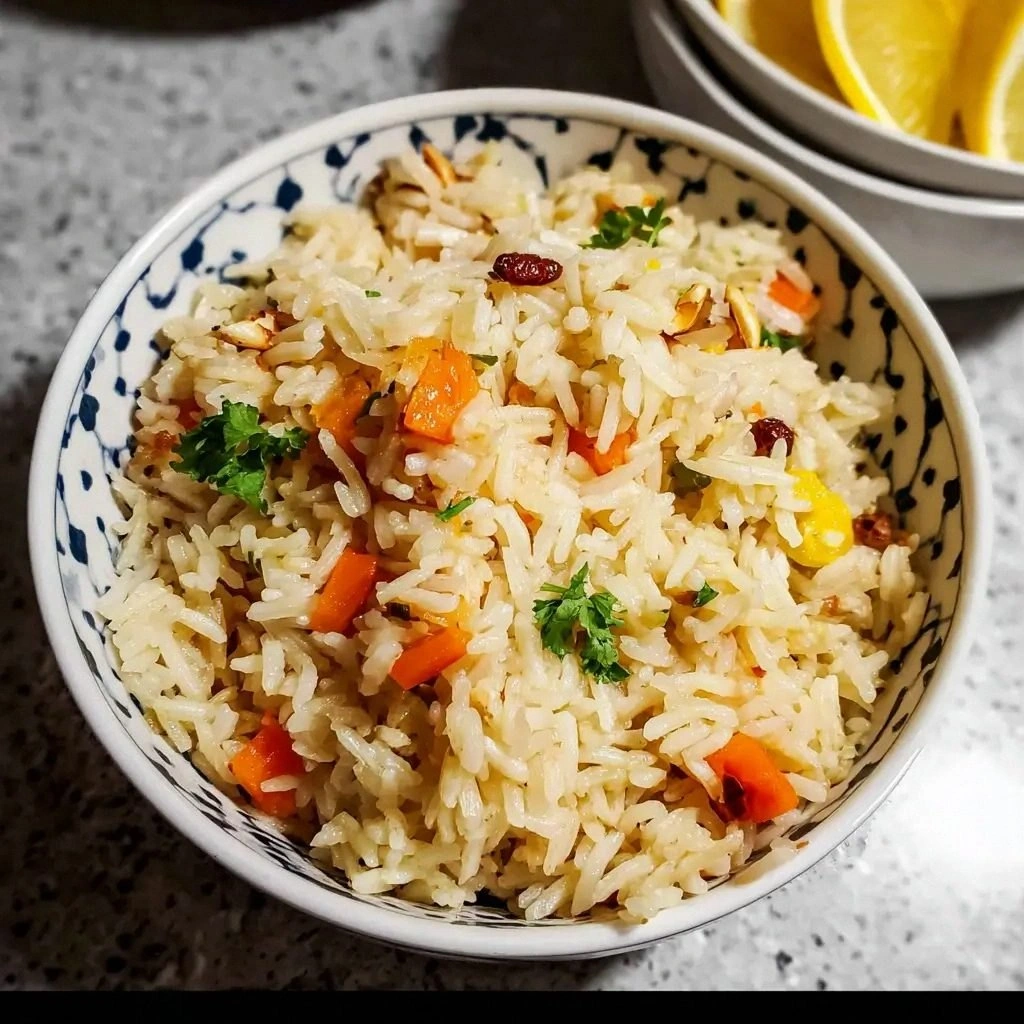
Picture this: the kitchen is a symphony of clinks and hisses, the air thick with the aroma of caramelized onions and garlic, a gentle sizzle that promises flavor, and the anticipation of a fluffy, fragrant rice pilaf that will have everyone asking for seconds. The texture is a delicate balance of tender grains and a subtle bite from the toasted butter, while the color is a warm, golden hue that invites you to dig in. I swear, that first spoonful feels like a hug from the inside out.
What makes this version stand out? It’s not just the Instant Pot magic—though that is a game‑changer—but a carefully curated blend of ingredients and techniques that elevate the humble pilaf to something almost sacred. Think of it as the difference between a good dinner and a dish that makes your taste buds do a happy dance. I dare you to taste this and not go back for seconds, because it’s that good.
The secret? A touch of butter for that velvety finish, a splash of chicken broth that’s been tempered with herbs, and a quick sauté that locks in flavor before the pot seals. And here’s a teaser: I’ll reveal a hack that turns a basic pilaf into a gourmet masterpiece with a single tweak that most recipes overlook. Stay with me—by the end of this guide, you’ll wonder how you ever made rice pilaf any other way.
What Makes This Version Stand Out
- Taste: The caramelization of onions and garlic creates a depth that ordinary pilaf lacks. The subtle herb infusion from thyme and bay leaf adds an aromatic layer that feels both comforting and sophisticated.
- Texture: The rice grains remain separate and fluffy, thanks to the precise liquid ratio and the gentle pressure cooking. The addition of a touch of butter gives each grain a silky finish.
- Ease: With the Instant Pot, the entire process takes under 45 minutes from start to finish, and cleanup is minimal—just a few utensils and a quick stir.
- Versatility: Swap the chicken broth for vegetable broth or even a splash of white wine, and the dish adapts to vegetarian or pescatarian diets without missing a beat.
- Crowd‑Pleaser: Whether you’re feeding a family dinner or a group of friends, this pilaf serves as a side or a base for proteins, making it a reliable crowd‑pleaser.
- Nutrition: With a balanced mix of carbs, protein, and healthy fats, it’s a wholesome option that won’t leave you feeling weighed down.
- Make‑Ahead: It keeps well in the fridge for up to 4 days, and reheats beautifully—just add a splash of broth and a quick stir.
Alright, let’s break down exactly what goes into this masterpiece...
Inside the Ingredient List
The Flavor Base
The foundation of this pilaf starts with a simple sauté of onions and garlic in butter and olive oil. The butter adds a creamy richness, while the oil helps the onions caramelize without burning. If you skip this step, the dish will feel flat and lacking depth. For a healthier twist, replace the butter with a tablespoon of coconut oil, but be prepared for a subtle coconut undertone.
Onions are the sweet heart of the pilaf; they provide a mellow sweetness that balances the savory broth. Garlic adds a punch of umami that permeates every grain. Together, they form a flavor base that is the cornerstone of this dish. If you’re a garlic lover, double the cloves for an extra kick.
The Texture Crew
Long‑grain white rice is the star. Its slender shape holds its texture well under pressure, preventing clumping. I recommend rinsing the rice until the water runs clear to remove excess starch. Skipping the rinse will result in a gummy pilaf that feels more like mush than a fluffy side.
Carrots and celery add a pleasant crunch and subtle sweetness. They also introduce natural sugars that caramelize during the sauté, adding depth to the flavor profile. If you’re short on time, you can use frozen peas instead; they’ll keep the dish bright and add a pop of color.
The Unexpected Star
A dash of dried thyme and a bay leaf may seem like small details, but they bring a fragrant, earthy undertone that elevates the dish. Thyme pairs beautifully with the mild flavor of the rice, while the bay leaf adds a subtle herbal note that lingers. If you’re allergic to thyme, a pinch of oregano will work as a stand‑in, but the flavor profile will shift slightly.
The chicken broth is the liquid that cooks the rice. Opt for low‑sodium broth to keep the dish from becoming overly salty. If you’re vegetarian, vegetable broth works just as well, and the flavor will be slightly different but still delicious. The broth also infuses the rice with savory depth that plain water can’t match.
The Final Flourish
A sprinkle of fresh parsley at the end adds a burst of color and a fresh, bright flavor that cuts through the richness. If you’re looking for a nutty twist, a handful of toasted almonds or pine nuts can add texture and a subtle crunch. Remember, the garnish is the final flourish that completes the dish’s presentation.
Everything’s prepped? Good. Let’s get into the real action...
The Method — Step by Step
- Prep the Instant Pot. Set it to sauté mode and let it heat up. Once hot, add the tablespoon of butter and a tablespoon of olive oil. Watch as the butter melts and the oil starts to shimmer—this is the scent of flavor building.
- Sauté aromatics. Drop in the diced onion and minced garlic. Sauté until the onion turns translucent and the garlic releases its fragrance, about 3–4 minutes. The smell should be sweet and inviting; if it starts to burn, lower the heat.
- Add vegetables. Toss in the diced carrots and celery. Cook for another 2 minutes, stirring occasionally. The vegetables should soften slightly but still retain a bit of bite.
- Toast the rice. Add the rinsed rice to the pot and stir to coat each grain with the butter and oil mixture. Cook for 1–2 minutes, watching for a nutty aroma that signals the rice is ready to absorb the liquid.
- Deglaze. Pour in a splash of chicken broth to loosen any browned bits from the bottom of the pot. Scrape with a wooden spoon—those browned bits are full of flavor.
- Season. Add the dried thyme, bay leaf, salt to taste, and pepper to taste. Give everything a good stir to distribute the herbs evenly.
- Add the remaining broth. Pour in the rest of the chicken broth, making sure the rice is fully submerged. Check that the liquid level is just above the rice; too much liquid will make it mushy.
- Seal and cook. Close the lid, set the valve to seal, and cook on high pressure for 4 minutes. When the timer finishes, let the pressure release naturally for 10 minutes before quick‑releasing any remaining pressure.
- Fluff and finish. Open the pot, remove the bay leaf, and fluff the rice with a fork. Stir in the frozen peas (if using) and let them steam in the residual heat for a minute or two. Finish with a sprinkle of fresh parsley.
- Serve. Transfer the pilaf to a serving dish and enjoy immediately, or let it sit for a few minutes to allow flavors to meld.
That’s it— you did it. But hold on, I’ve got a few more tricks that will take this to another level. Trust me, once you master these nuances, you’ll never go back to ordinary rice again.
Insider Tricks for Flawless Results
The Temperature Rule Nobody Follows
The Instant Pot’s sauté mode can vary between models. If your pot runs hot, lower the heat to medium to prevent the butter from foaming over. A steady, moderate heat ensures even caramelization without scorching.
Why Your Nose Knows Best
During the sauté, listen for that sweet, caramelized scent. It’s the cue that the onions have released their sugars. If you’re unsure, trust your nose—if it smells like burnt sugar, stop and lower the heat.
The 5‑Minute Rest That Changes Everything
After the pressure release, let the pot sit for 5 minutes before opening. This brief rest allows the steam to redistribute, giving the rice a fluffier texture. I’ve seen dishes that are perfectly cooked yet still clumpy because they were opened too early.
Use a Splash of Lemon Juice
A teaspoon of fresh lemon juice added after fluffing brightens the flavor and cuts through the richness. It’s a simple way to add acidity that balances the dish.
Add a Touch of Honey
If you like a hint of sweetness, drizzle a tablespoon of honey over the finished pilaf. It caramelizes slightly, giving a glossy finish and a subtle caramel flavor.
Creative Twists and Variations
This recipe is a playground. Here are some of my favorite ways to switch things up:
Mediterranean Medley
Swap the chicken broth for a mixture of white wine and broth, and add chopped sun‑dried tomatoes and Kalamata olives. The result is a tangy, savory pilaf that pairs beautifully with grilled fish.
Southwestern Fiesta
Add a diced bell pepper, a teaspoon of cumin, and a pinch of smoked paprika. Top with fresh cilantro and a squeeze of lime for a vibrant, spicy kick.
Indian Inspired
Use basmati rice, sauté with cumin seeds, cardamom pods, and a pinch of garam masala. Finish with a drizzle of ghee and a sprinkle of toasted pistachios for a fragrant, aromatic pilaf.
Asian Fusion
Replace the butter with sesame oil, add sliced shiitake mushrooms, and finish with a splash of soy sauce and a sprinkle of sesame seeds. The umami flavors create a comforting side for any Asian dish.
Vegetarian Delight
Omit the chicken broth entirely and use vegetable broth. Add roasted butternut squash cubes for a sweet, earthy note that complements the savory base.
Breakfast Boost
Stir in a handful of chopped spinach and a fried or poached egg on top. The creamy yolk pairs perfectly with the fluffy rice for a hearty breakfast.
Storing and Bringing It Back to Life
Fridge Storage
Cool the pilaf to room temperature, then transfer to an airtight container. Store in the fridge for up to 4 days. The rice will maintain its texture and flavor, though it may be slightly drier.
Freezer Friendly
Divide the pilaf into portion‑sized freezer bags, removing as much air as possible. Freeze for up to 3 months. Thaw in the fridge overnight before reheating.
Best Reheating Method
Reheat in the microwave with a splash of water or broth to restore moisture. Alternatively, heat in a skillet with a tablespoon of butter until steaming. A tiny splash of water before reheating steams the rice back to perfection.