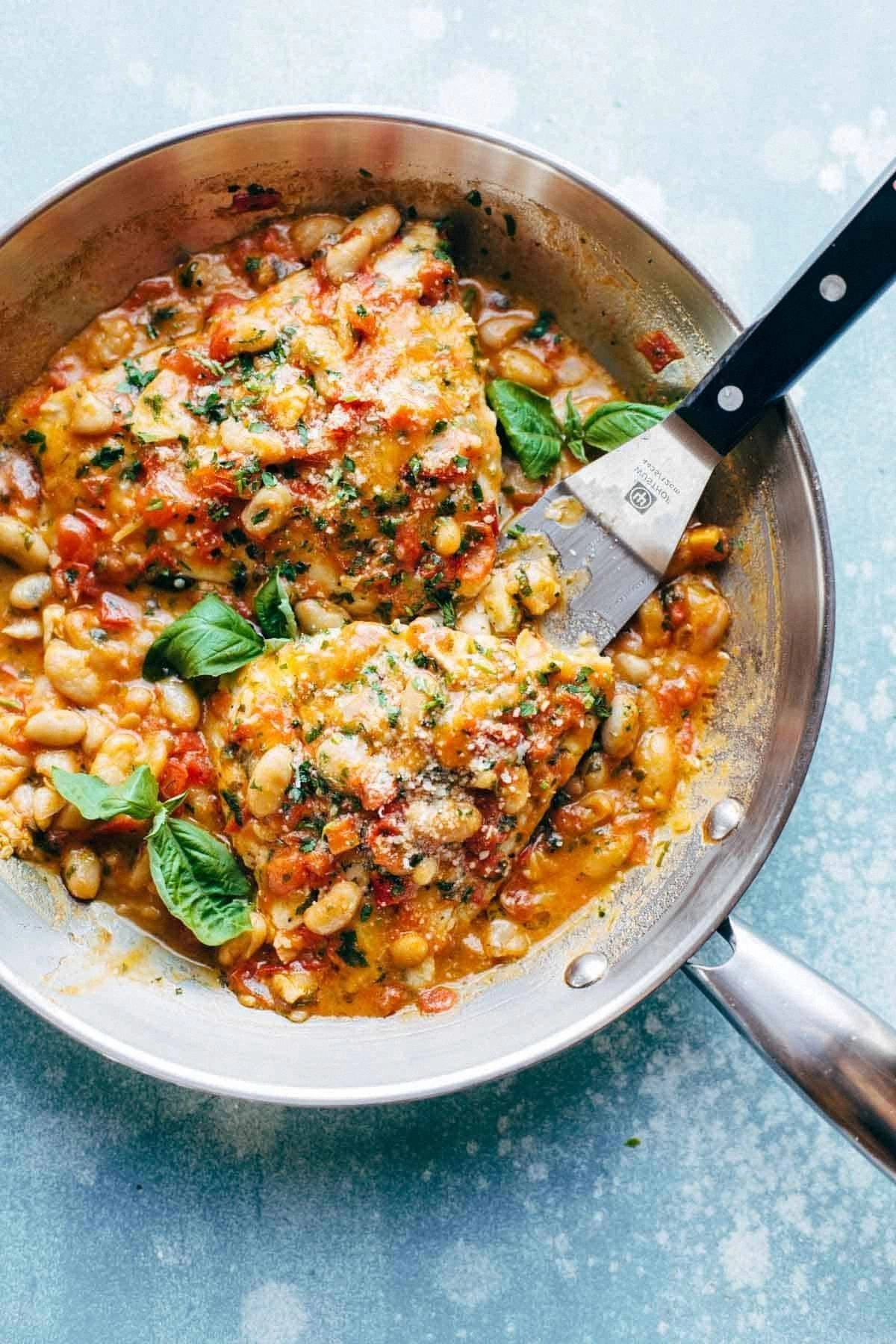
I’ll be honest — the first time I tried to make a simple pan‑seared fish, I ended up with a soggy, flavor‑less slab that could have passed for a rubber shoe. I was standing there, staring at the pan, the kitchen filled with the faint whiff of burnt oil, and a friend dared me, “Bet you can’t turn that disaster into something that makes people actually ask for seconds.” That dare turned into a full‑blown obsession, and after weeks of trial, error, and a few accidental fireworks, I finally cracked the code for the ultimate Garlic Basil Barramundi Skille. This version is not just a recipe; it’s a culinary revelation that takes a modest fillet and transforms it into a glossy, buttery masterpiece that sings with garlic, basil, and a burst of tomato‑butter goodness.
Picture this: the skillet is hot enough to make a faint hiss when the oil first meets the surface, the aroma of garlic hitting the pan is like a warm hug from your grandmother, and the fresh basil is waiting in the wings, ready to explode with green, herbaceous brightness. The fish itself, with its delicate, slightly sweet flesh, starts to develop a caramelized crust that crackles like thin ice under a spring sun. Meanwhile, the tomatoes soften into a silken sauce, the butter melts into a golden river, and the whole thing smells like a Mediterranean sunset in a pan. Your taste buds are already dancing before the first bite, and the kitchen feels like an orchestra tuning up for a performance you’re about to conduct.
Why does this version stand out from the sea of “pan‑seared fish” posts littering the internet? First, the sauce is a tomato‑butter reduction that coats the fish like velvet—no watery or oily mess here. Second, the basil is added at the very end, preserving that fresh pop that many cooks lose by overcooking. Third, the technique uses a quick dusting of flour to create a light, crisp crust without the heaviness of a breaded coating. And finally, the entire dish comes together in under 45 minutes, making it a perfect weeknight hero that still feels special enough for guests.
I’m about to reveal a little secret that most other recipes miss: a splash of lemon juice added right at the end of the sauce, which brightens the whole dish and balances the richness of butter. This tiny acid punch is the game‑changer that makes the flavors sing instead of clash. I dare you to taste this and not go back for seconds. Let me walk you through every single step — by the end, you’ll wonder how you ever made it any other way.
What Makes This Version Stand Out
- Flavor Explosion: The combination of garlic, fresh basil, and a buttery tomato reduction creates layers of taste that build with each bite, delivering a savory‑sweet‑herbaceous profile that’s hard to beat.
- Texture Perfection: A light flour dusting gives the fillets a delicate crust that shatters like thin ice, while the interior stays flaky and moist, offering a satisfying contrast.
- Simplicity Meets Sophistication: Only a handful of pantry staples are needed, yet the final dish feels restaurant‑grade, proving that elegance doesn’t have to be complicated.
- Ingredient Quality: Using fresh, responsibly sourced barramundi ensures a buttery, mild flavor that absorbs the sauce without being overwhelmed.
- Crowd Reaction: Guests often comment on the “wow factor” the sauce provides, and the dish consistently earns requests for repeat servings.
- Make‑Ahead Potential: The sauce can be prepared up to a day ahead, allowing you to focus on the quick sear when you’re ready to serve.
- Seasonal Flexibility: Whether it’s a summer barbecue or a cozy winter dinner, the bright basil and tomato notes adapt beautifully to any season.
- Minimal Waste: Every ingredient is used to its fullest—no leftover stems, no excess oil, and the pan sauce can be repurposed as a drizzle for veggies or rice.
Inside the Ingredient List
The Flavor Base
Garlic is the aromatic backbone of this dish. Freshly minced cloves release a pungent, sweet aroma the moment they sizzle, creating a fragrant foundation that the butter and tomatoes will later embrace. If you ever skip the garlic, the sauce loses its depth and ends up tasting flat. A good swap is shallow‑fried shallots for a milder, caramelized note, but be prepared for a slightly different flavor curve.
The Texture Crew
A light dusting of all‑purpose flour (about one tablespoon per fillet) does more than just help the crust form—it absorbs a whisper of moisture, ensuring the outside crisps up while the interior stays juicy. Skipping this step means you’ll get a soggy surface that clings to the pan. If you’re gluten‑free, cornstarch works just as well, though it creates a slightly different bite.
The Unexpected Star
Cherry tomatoes add a pop of acidity and a burst of sweet‑tart flavor that balances the richness of butter. Their skins break down quickly, turning the sauce into a velvety ruby that clings to the fish like a silk scarf. Leaving them out results in a sauce that can feel one‑dimensional; consider using sun‑dried tomatoes for a deeper umami if fresh isn’t available.
The Final Flourish
Fresh basil, added at the very end, provides a bright, peppery lift that cuts through the buttery sauce. If you overcook basil, it turns bitter and loses its vivid green hue. For a twist, try tearing the leaves by hand instead of chopping; this releases essential oils more gently, preserving the herb’s aromatic integrity.
Everything's prepped? Good. Let's get into the real action...
The Method — Step by Step
Heat a large stainless‑steel skillet over medium‑high heat for about two minutes. Add 2 tablespoons of olive oil and swirl to coat the bottom. When the oil shimmers and you can see a faint ripple, you know the pan is ready. That sizzle when it hits the pan? Absolute perfection. Keep the heat steady; too hot and the oil will smoke, too low and the crust won’t form.
While the pan heats, pat the four barramundi fillets dry and season both sides with 1 teaspoon of salt and ½ teaspoon of black pepper. Sprinkle a light dusting of flour (about 1 tablespoon per fillet) on each side, shaking off any excess. Kitchen Hack: If you’re using a non‑stick pan, skip the flour and increase the oil slightly for a similar crisp.
Place the fillets skin‑side down (if they have skin) into the hot oil. You should hear an immediate, confident sizzle that tells you the crust is forming. Let them cook untouched for 3‑4 minutes; the edges will start to turn opaque and the flesh will release easily from the pan. Watch Out: Resist the urge to flip prematurely; a premature flip leads to a soggy crust.
Flip the fillets gently with a fish spatula and add 3 tablespoons of butter, 3 cloves of minced garlic, and the chopped basil (about ¼ cup). As the butter melts, swirl the pan to coat the fish, letting the garlic perfume the butter. The butter should foam and turn a light golden, but not brown. This is the moment of truth—if the garlic burns, you’ll get a bitter bite.
Add the halved cherry tomatoes (1 cup) and a splash of lemon juice (1 tablespoon). Stir gently, allowing the tomatoes to soften and release their juices, creating a silky sauce that begins to cling to the fish. The lemon juice should brighten the sauce without making it overtly sour. Let everything simmer together for another 2‑3 minutes.
If you love a briny pop, toss in 1 tablespoon of capers now; they will add a subtle salty tang that complements the butter. Sprinkle a pinch of smoked paprika (optional) for a whisper of smokiness that deepens the flavor profile. Taste the sauce and adjust salt if needed, but remember that the fish already carries some seasoning.
When the sauce has thickened slightly—enough to coat the back of a spoon—you’re ready to finish. Remove the skillet from heat and sprinkle the remaining fresh basil leaves over the top for a fresh burst of green. Let the fish rest in the pan for a minute; this allows the residual heat to finish cooking the fillets without overcooking.
Transfer the fillets to a warm serving platter, spoon the tomato‑butter sauce over each piece, and garnish with an extra drizzle of olive oil if desired. Power transition: Okay, ready for the game‑changer? Serve immediately with a side of crusty bread or a light quinoa salad to soak up the sauce.
Enjoy! That first bite should deliver a crispy crust, buttery sauce that clings like silk, and a bright herbal finish that makes your palate sing. I dare you to taste this and not go back for seconds. If you’re feeling adventurous, try a squeeze of extra lemon or a pinch of chili flakes for a subtle heat.
Insider Tricks for Flawless Results
The Temperature Rule Nobody Follows
A common mistake is letting the pan cool down between steps, which results in a soggy crust. Keep the heat on medium‑high throughout the sear, but lower it slightly when you add butter and garlic to avoid burning. The key is to listen for the sizzle: a steady, confident hiss means the temperature is perfect.
Why Your Nose Knows Best
Your sense of smell is a more reliable indicator than a timer when it comes to garlic and butter. When the garlic turns a light golden and releases that nutty aroma, you know it’s time to add the tomatoes. If the butter starts to brown too quickly, it’s a sign you need to reduce the heat.
The 5‑Minute Rest That Changes Everything
After the sauce thickens, let the skillet sit off the heat for exactly five minutes. This short rest allows the flavors to meld, and the residual heat finishes cooking the fish gently, preventing a dry interior. A friend once tried to serve immediately and complained the fish felt “a bit tough”—the rest solved that issue for me.
Flour Dusting Technique
Instead of shaking flour directly onto the fish, place the fillets in a shallow dish, sprinkle flour, and gently toss until evenly coated. This prevents clumps and ensures a uniform crust. If you’re using cornstarch, remember it thickens the sauce faster, so adjust the simmer time accordingly.
Lemon Juice Timing
Add lemon juice at the very end of the cooking process. Early addition can cause the butter to separate, while a late splash brightens the sauce without compromising its emulsion. A splash of lemon right before serving also adds a fresh pop that lifts the entire dish.
Creative Twists and Variations
This recipe is a playground. Here are some of my favorite ways to switch things up:
Spicy Sriracha Kick
Stir in a tablespoon of sriracha into the sauce just before adding the basil. The heat pairs beautifully with the buttery richness, turning the dish into a bold, tongue‑tingling experience.
Coconut Curry Fusion
Replace butter with coconut milk and add a teaspoon of curry powder. The resulting sauce is creamy, aromatic, and gives the barramundi an exotic twist that’s perfect for a tropical-themed dinner.
Mediterranean Olive Medley
Swap capers for a handful of chopped Kalamata olives and add a pinch of oregano. The briny olives deepen the Mediterranean vibe, making the dish a perfect match for a Greek salad side.
Herb‑Infused Crust
Mix dried thyme and rosemary into the flour dusting. This adds an earthy note that complements the fresh basil, creating a layered herb profile that’s both rustic and refined.
White Wine Finish
Deglaze the pan with ¼ cup of dry white wine after flipping the fish, letting it reduce before adding butter and garlic. The wine adds acidity and depth, turning the sauce into a sophisticated glaze.
Storing and Bringing It Back to Life
Fridge Storage
Let the dish cool to room temperature, then transfer the fish and sauce to an airtight container. It will keep for up to 2 days in the refrigerator. When reheating, add a splash of water or broth to restore the sauce’s silkiness.
Freezer Friendly
Separate the sauce from the fish before freezing. Store the sauce in a freezer‑safe jar and the fish on a parchment‑lined tray. Both freeze well for up to 1 month. Thaw overnight in the fridge, then gently reheat the sauce and briefly sear the fish to re‑crisp the crust.
Best Reheating Method
The ideal way to revive leftovers is on the stovetop over low heat. Add a teaspoon of water or broth, cover the pan, and let the fish steam for 2‑3 minutes. This prevents drying out and keeps the crust from becoming rubbery.