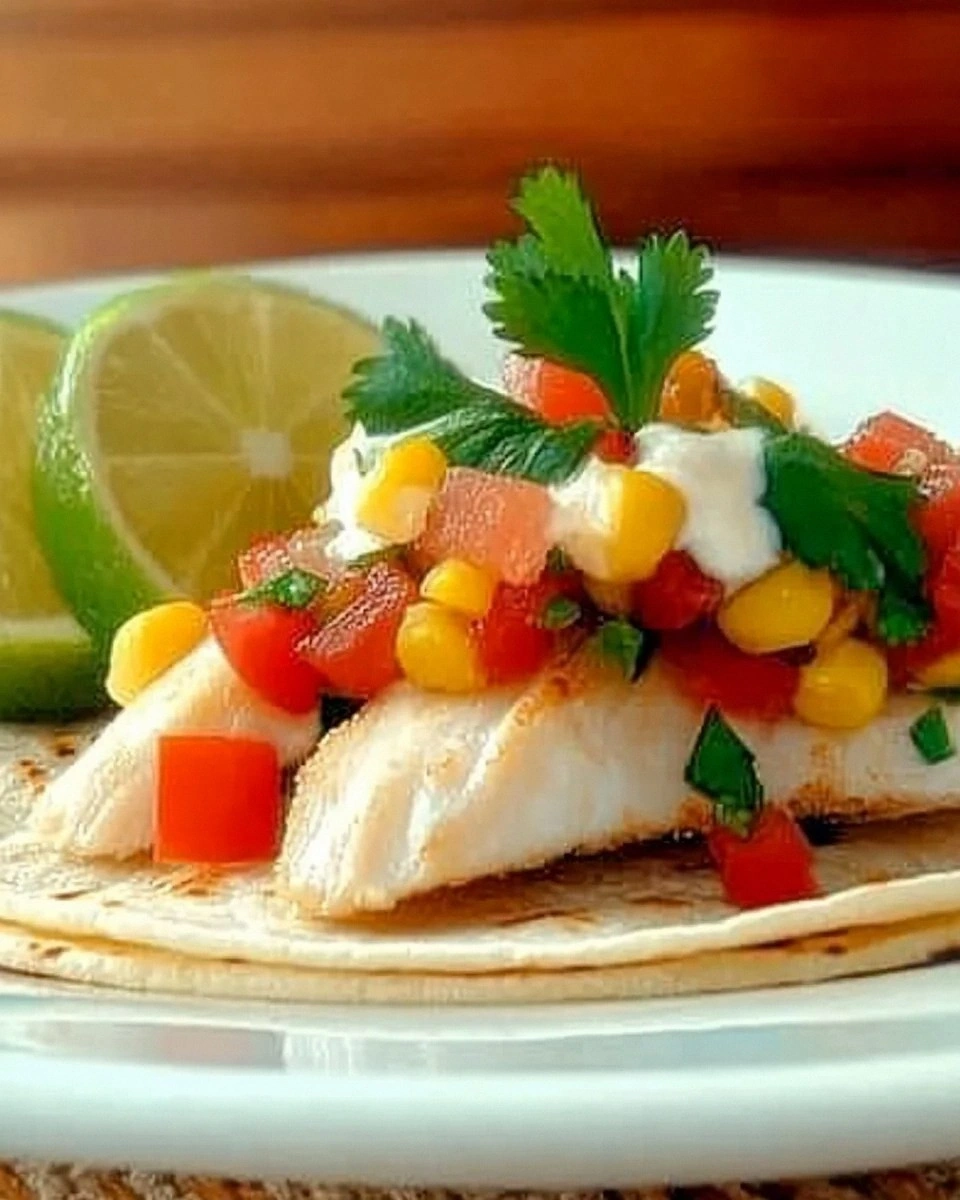
Picture this: It's Tuesday night, I'm standing in my kitchen wearing an apron with more stains than a crime scene investigator, and I'm staring at a piece of white fish that looks about as exciting as a tax form. My friends are coming over in an hour, and I promised them something spectacular. The old me would've panicked, thrown some lemon pepper on that sad fillet, and called it dinner. But that was before I discovered what I'm about to share with you — the most ridiculously addictive fish tacos that have ever graced this planet.
Now, let me be straight with you. These aren't your precious little restaurant tacos that arrive looking like they need a magnifying glass to find the fish. These are messy, bold, unapologetic flavor bombs that will make you question every bland piece of fish you've ever eaten. The first time I made these, I set off my smoke detector three times, burned my tongue on a rogue piece of jalapeño, and my roommate walked in to find me doing a victory dance with a mouthful of taco. I regret nothing.
Here's what makes these tacos different: We're not just seasoning fish — we're creating layers of heat that build like a symphony, starting with a smoky chipotle rub that caramelizes into the most gorgeous crust you've ever seen. Then there's the corn salsa, which isn't some sad afterthought but a vibrant, crunchy contrast that makes each bite feel like a party in your mouth. And the sauce? Oh, the sauce. It's what happens when cooling avocado meets fiery habanero in a beautiful tango of temperature and taste.
I dare you to taste this and not go back for seconds. Actually, I double-dog dare you. Because once you experience that first bite — the way the crispy fish shatters against the cool, creamy slaw, how the corn salsa pops with sweet juiciness against the heat — you'll understand why I eat half the batch before anyone else even gets to the table. Let me walk you through every single step — by the end, you'll wonder how you ever made it any other way.
What Makes This Version Stand Out
Flavor Bomb: Most recipes get this completely wrong. They treat fish like it's chicken breast — bland, boring, and needing rescuing. Instead, we're building layers of heat that start warm and build to a pleasant tingle, using a blend of chipotle powder, smoked paprika, and a secret ingredient that makes people ask "what IS that?" as they reach for their third taco.
Texture Play: This next part? Pure magic. We're creating a coating that's part batter, part rub, resulting in edges that shatter like thin ice while the inside stays perfectly moist. It's the kind of contrast that makes people close their eyes when they bite into it — you know, that involuntary "wow" moment.
Time-Saver Supreme: Okay, ready for the game-changer? The entire dish comes together in under 45 minutes, including that addictive corn salsa that tastes like summer vacation. While the fish marries with its spices, you're whipping up the salsa and sauce simultaneously. Multitasking never tasted so good.
Crowd Psychology: If you've ever struggled with pleasing both heat-seekers and mild-palates at the same table, you're not alone — and I've got the fix. The beauty here is that the fish carries the heat, while the cooling elements balance everything out. Everyone can customize their spice level, which means no more diplomatic negotiations at dinnertime.
Ingredient Integrity: We're using fresh, honest ingredients that actually taste like themselves. No mystery "taco seasoning" packets or sad dried herbs that have been sitting in your pantry since the Clinton administration. Every element brings its authentic voice to the chorus.
Make-Ahead Magic: Here's what actually works: You can prep every component ahead of time and assemble in minutes. The salsa gets better as it sits, the sauce develops deeper flavors, and you can even bread the fish hours ahead. Picture yourself pulling this together after work with zero stress — yeah, it's that kind of recipe.
The Wow Factor: Stay with me here — this is worth it. When you serve these, people don't just compliment the food, they start planning when they can come over again. It's the kind of dish that gets requested at gatherings, that friends text about months later, that makes you the designated taco person in your group.
Alright, let's break down exactly what goes into this masterpiece...
Inside the Ingredient List
The Flavor Base
Our white fish is the canvas, but we're not just painting it — we're giving it a full artistic transformation. I use cod because it flakes into gorgeous chunks that hold their own against bold flavors, but halibut, snapper, or even catfish work beautifully. The key is getting pieces that are about 1-inch thick so they cook evenly and stay moist inside while developing that crave-worthy crust. And now's when the magic happens: chipotle powder brings that irresistible smokiness that makes people think you've been secretly grilling, while ancho chili powder adds depth without overwhelming heat.
Smoked paprika isn't just another spice — it's time travel in a jar. One whiff and you're transported to a Spanish market, even if you're actually in your cramped apartment kitchen. Combined with brown sugar, it creates this incredible caramelization that makes the edges of your fish turn into candy-like perfection. Don't even think about skipping the brown sugar; it's not for sweetness (though there's a hint), but for helping everything develop that gorgeous mahogany color that makes people think you're a professional chef.
The Texture Crew
Cornmeal is where most recipes completely miss the boat. They reach for regular flour, which gives you a soft, almost pancake-like coating. We want crunch that sings, that provides a contrast to the tender fish, that makes people actually hear their food. The medium-grind cornmeal creates these little nooks and crannies that catch the oil and turn into crispy perfection. Mix it with a touch of flour and suddenly you've got the coating of your dreams — sturdy enough to protect the fish, light enough to stay crispy.
Fresh corn for our salsa is non-negotiable, and here's why: frozen corn tastes like sadness and canned corn tastes like the can. When corn is in season and you cut it fresh off the cob, it bursts with sweetness that plays against the heat like a perfect duet. Those kernels stay crunchy even after sitting in lime juice, providing that pop that makes each bite interesting. If corn isn't in season, I'll admit to using the sweetest frozen corn I can find, but I thaw it and give it a quick char in a dry pan to wake up the sugars.
The Unexpected Star
Honey in the hot sauce might sound like culinary blasphemy, but this is where we separate the amateurs from the pros. That honey doesn't make things sweet — it rounds out the sharp edges of the vinegar in the hot sauce, creating this complex flavor that makes people ask for your secret. It also helps the sauce cling to the fish instead of running off like a scared teenager. Just a teaspoon transforms the entire experience from "hot" to "I need to understand what just happened in my mouth."
Cilantro divides humanity like pineapple on pizza, but hear me out — even cilantro haters often love this salsa. When you chop it finely and let it mingle with lime juice and corn, it loses that soapy quality that some people detect and becomes this bright, almost citrusy element. If you're absolutely team #nocilantro, substitute fresh parsley, but add a little extra lime zest to make up for the missing brightness.
The Final Flourish
Cotija cheese might be the most underrated ingredient in your cheese arsenal. It's like parmesan's cooler Mexican cousin — salty, crumbly, and it doesn't melt into a greasy mess when it hits warm food. Instead, it stays in these delightful little salty bursts that make you wonder why every taco doesn't come with it. Can't find cotija? Crumbled feta works in a pinch, though it's a bit more aggressive. Avoid the pre-crumbled stuff in plastic tubs — it tastes like sawdust and disappointment.
Avocado in the sauce isn't just for creaminess — it's your fire extinguisher. When people bite into something spicier than they expected, they instinctively reach for something cooling. This sauce anticipates that need while still bringing flavor to the party. Make sure your avocado is perfectly ripe — it should yield to gentle pressure but not feel mushy. Too firm and your sauce will be grainy; too soft and it will taste like brown guacamole's sad cousin.
Everything's prepped? Good. Let's get into the real action...
The Method — Step by Step
- Start with your fish — and here's where most home cooks mess up. Pat those fillets drier than a stand-up comedian's wit. I mean really dry. Use paper towels like you're trying to absorb an oil spill, because any moisture will steam your fish instead of searing it. That sizzle when it hits the pan? Absolute perfection. Cut your fish into taco-sized pieces, about 3 inches long and 1 inch thick, keeping in mind they'll shrink slightly during cooking.
- Now for the rub that changes everything. In a small bowl, combine your chipotle powder, ancho chili powder, smoked paprika, brown sugar, salt, and pepper. The brown sugar might seem weird here, but trust the process — it's going to caramelize and create those gorgeous crispy edges that make people fight over the last piece. Rub this mixture all over your fish like you're giving it a spa treatment. Really massage it in; this isn't the time to be delicate. Let it sit while you heat your oil, just 10-15 minutes for the flavors to penetrate.
- Heat your oil in a heavy skillet over medium-high heat. And now the fun part: We're shallow-frying, not deep-frying, which means you get all the crispy satisfaction with none of the "I need to change my shirt" aftermath. The oil should be about 1/4-inch deep and shimmering like a mirage in the desert. Test it by dropping in a tiny piece of bread — it should sizzle immediately but not burn. Too hot and your coating burns before your fish cooks; too cool and you get greasy, sad tacos.
- While your oil heats, set up your dredging station like a professional. One plate with flour seasoned with salt and pepper, one bowl with beaten eggs, and one plate with your cornmeal mixture. The secret here is adding a tablespoon of the same spice rub to your cornmeal — it creates this incredible flavor layering that makes people wonder how you packed so much taste into one bite. Work assembly-line style: flour, egg, cornmeal, pressing gently to ensure every nook is covered.
- This is the moment of truth. Gently lower your first piece of fish into the oil — away from you, always away from you unless you enjoy oil burns. Don't crowd the pan; work in batches if needed. The fish should sizzle like applause at a great concert. Resist the urge to move it around — let it develop that gorgeous golden crust, about 3-4 minutes per side. When the edges turn deep amber and the coating looks like crispy chicken skin, it's time to flip.
- While your fish cooks, assemble your corn salsa because timing is everything in life and cooking. Cut those kernels off the cob like you mean it — stand the corn upright in a bowl to catch the flying pieces. Mix with finely diced red onion, jalapeño, cilantro, lime juice, and a pinch of salt. The lime juice will "cook" the onion slightly, removing that harsh bite. Taste and adjust — it should make you want to eat it with a spoon. If it doesn't, add more lime or salt until it sings.
- Transfer your golden-brown fish to a wire rack or paper towel-lined plate. Here's where most people go wrong — they immediately start building tacos. But your fish needs a moment, just like you after a hard workout. Those 5 minutes of resting time let the coating set and the juices redistribute, ensuring every bite is perfect instead of dry. Use this time to warm your tortillas directly over a gas flame or in a dry pan until they get those gorgeous char marks.
- Now for the sauce that ties everything together. Blend avocado, Greek yogurt, lime juice, garlic, honey, and your hot sauce of choice until smoother than a pick-up line. Start with less hot sauce — you can always add more, but you can't take it out. The honey here isn't optional; it balances the acid and helps everything emulsify into creamy perfection. Add water a tablespoon at a time until it's drizzle-able but not thin. Taste and adjust the heat level — it should be present but not overwhelming.
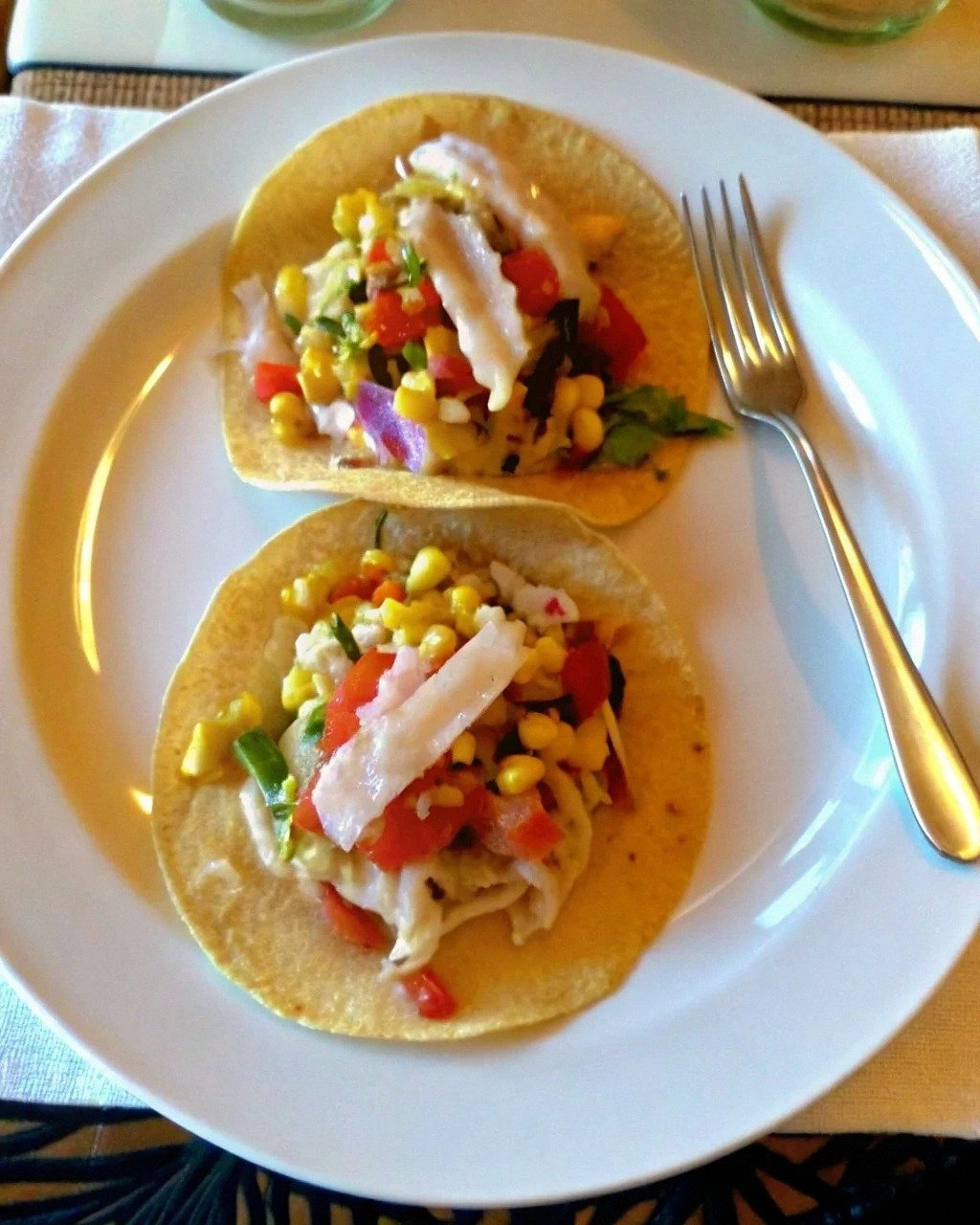
- Assembly time! And now the fun part. Smear a tortilla with sauce, add your crispy fish (break it into chunks for easier eating), pile on that bright corn salsa, crumble over some cotija, and finish with extra cilantro if you're feeling fancy. Don't overfill — these should be manageable, not like you're trying to eat a football. Serve immediately while the fish is still crispy and the contrast between hot and cold creates that perfect taco moment.
That's it — you did it. But hold on, I've got a few more tricks that'll take this to another level...
Insider Tricks for Flawless Results
The Temperature Rule Nobody Follows
Here's what separates restaurant-quality from home-cooked: oil temperature discipline. Most people eyeball it and end up with either burnt coating and raw fish, or greasy messes that taste like disappointment. Get yourself a cheap thermometer — they're like ten bucks and will change your frying life forever. You want 350°F, no exceptions. When you add the fish, the temperature drops, so bump up the heat slightly. As pieces finish, the oil gets hotter, so dial it back. It's like conducting an orchestra, but instead of music, you get perfect tacos.
A friend tried skipping this step once — let's just say it didn't end well. She served what we affectionately called "Fish Surprise" where we were all surprised it was so terrible. Don't be like Sarah. Use a thermometer and be the taco hero your friends deserve.
Why Your Nose Knows Best
That moment when you smell the spices blooming in the oil? That's your cue that everything's working. Your nose is actually detecting the volatile compounds being released — it's like having a built-in kitchen timer. When the aroma shifts from raw and harsh to warm and inviting, your fish is ready to flip. This might sound like kitchen mysticism, but professional chefs use this trick constantly. That smell means the Maillard reaction is happening, creating hundreds of new flavor compounds that make your food taste complex and incredible instead of one-dimensional.
The 5-Minute Rest That Changes Everything
Everyone wants to rush this part, but patience here is what separates good from legendary. When your fish comes out of the oil, it's still cooking from residual heat. Cut into it immediately and all those juices run out, leaving you with dry fish and soggy coating. But give it five minutes on a rack, and something magical happens — the coating sets and becomes shatteringly crisp, while the juices redistribute throughout the fish. It's like letting a steak rest, but for tacos. Use this time to warm tortillas, finish your salsa, or just bask in the glory of what you're about to create.
The Double-Coat Secret
Want next-level crunch? After your first dredge through flour-egg-cornmeal, let the coated fish rest for 2 minutes, then give it a second dip in just the cornmeal. This creates these incredible craggy bits that fry up into extra-crispy nuggets. It's like giving your fish a crispy jacket that's part armor, part flavor delivery system. Just make sure your oil is hot enough or you'll end up with a greasy mess that'll haunt your dreams.
The Assembly Line Method
When you're making tacos for a crowd, assembly speed matters. Set up your station like a pro: warm tortillas in a towel to keep them pliable, sauce in a squeeze bottle for easy application, all your toppings in small bowls within arm's reach. Work in batches of four tacos at a time — any more and your fish gets cold, any less and you're spending all night at the stove. Keep your fish on a wire rack in a warm oven (200°F) while you work through batches. This isn't just about efficiency; it's about serving everything at its peak, when contrasts between hot and cold, crispy and soft create that perfect taco moment.
Creative Twists and Variations
This recipe is a playground. Here are some of my favorite ways to switch things up:
Island Heat Wave
Swap the chipotle for jerk seasoning and add a tablespoon of dark rum to your corn salsa. The allspice and thyme will transport you to Jamaica, while the rum adds this incredible depth that makes people ask if you've been taking secret cooking classes. Top with grilled pineapple chunks and a coconut-lime crema. It's like a beach vacation in taco form, minus the sand in uncomfortable places.
Mediterranean Mash-Up
Replace the cornmeal with panko mixed with lemon zest and oregano. Use halibut instead of cod, and make your salsa with cherry tomatoes, cucumber, red onion, and tons of fresh dill. The sauce becomes tzatziki with a kick — Greek yogurt, cucumber, garlic, and just enough hot sauce to keep things interesting. Top with crumbled feta and a squeeze of fresh lemon. It's like your favorite Greek restaurant and taco truck had a beautiful baby.
Korean Fire Tacos
Marinate your fish in gochujang, soy sauce, and rice vinegar for 30 minutes before coating. The sticky, fermented heat of gochujang creates this incredible glaze as it cooks. Make your salsa with Asian pear, scallions, and kimchi for a funky, spicy, sweet combination that'll blow your mind. Finish with a sesame-lime mayo and toasted sesame seeds. It's the kind of fusion that actually works instead of feeling like a desperate attempt to be trendy.
Breakfast of Champions
Turn these into breakfast tacos by adding a perfectly fried egg on top of each one. The runny yolk creates this incredible sauce that mingles with the spicy fish and cooling avocado. Add some crispy bacon bits to your salsa for smoky-salty crunch. Serve with strong coffee and prepare to have your morning routine permanently upgraded. Warning: Regular breakfast will seem incredibly boring after this.
Vegetarian Victory
Replace the fish with thick slabs of cauliflower that you treat exactly the same way. The key is cutting them about 3/4-inch thick so they get crispy outside and tender inside. Add a tablespoon of nutritional yeast to your coating for extra umami. Make your salsa with roasted corn and black beans for protein. Even devoted carnivores devour these without complaint — I've seen it happen multiple times.
Surf and Turf Deluxe
Add some peeled shrimp to the party — coat them the same way and fry until golden. The combination of flaky white fish and sweet, juicy shrimp creates this surf-and-surf situation that's absolutely luxurious. Make your sauce extra decadent by adding a tablespoon of mayonnaise to the avocado mixture. Top with thinly sliced radish for crunch and a squeeze of fresh lime to cut through the richness. It's celebration food that says "I love you" in the most delicious way possible.
Storing and Bringing It Back to Life
Fridge Storage
Here's the reality: These tacos are best fresh, but life doesn't always cooperate with our fresh-taco dreams. Store each component separately in airtight containers. Your fish will keep for up to 3 days in the fridge, though the coating will lose some crunch. The salsa actually improves after a day as the flavors meld, but add the avocado just before serving to prevent browning. The sauce will keep for 2 days before the avocado starts turning sad and brown — add a thin layer of plastic wrap pressed directly against the surface to minimize oxidation.
Freezer Friendly
Surprisingly, the coated fish freezes beautifully before cooking. Lay your breaded pieces on a parchment-lined baking sheet, freeze until solid, then transfer to freezer bags. They'll keep for 2 months and you can fry them straight from frozen — just add an extra 2-3 minutes to the cooking time. The salsa and sauce don't freeze well, but they're quick to make fresh. Think of it as your emergency taco kit for those nights when you need something spectacular with minimal effort.
Best Reheating Method
Please, whatever you do, don't microwave your leftover fish. It'll turn into rubber faster than you can say "taco tragedy." Instead, reheat in a 400°F oven on a wire rack set over a baking sheet for 8-10 minutes. The hot air circulates around the fish, crisping up the coating while keeping the inside moist. Add a tiny splash of water to the pan before reheating — it creates steam that prevents drying out. For the tortillas, wrap them in damp paper towels and microwave for 20 seconds, or better yet, warm them directly over a gas flame for that authentic char.