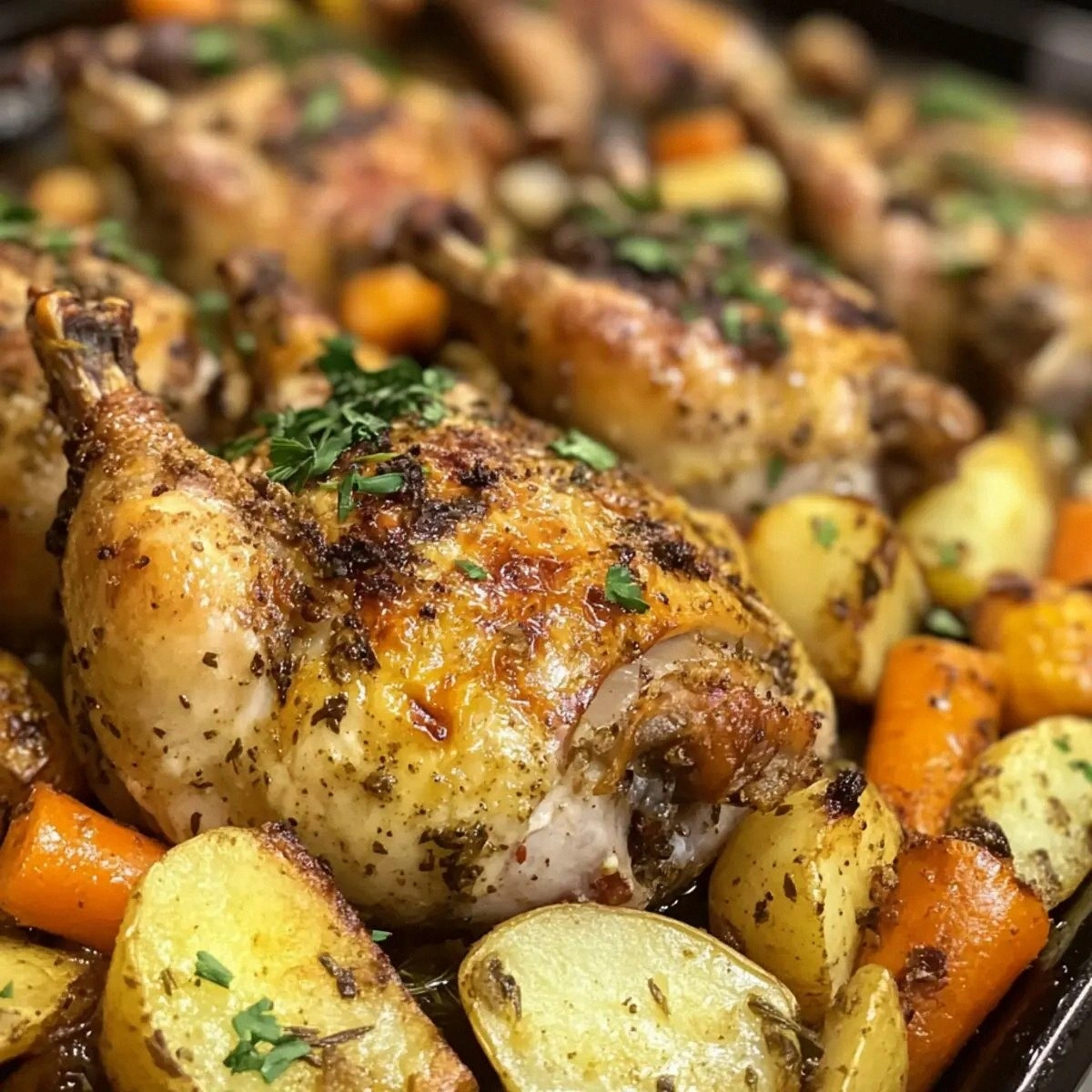
Picture this: a winter night, the wind howling outside, and your kitchen smelling like a five‑star bistro. I was battling a burnt turkey that turned into a charcoal sculpture, and my guests were already eyeing the pizza delivery menu. In the midst of that culinary chaos, a dare from my brother rang out – “Make something that will make us forget the turkey disaster forever.” I accepted, and what emerged was a dish so decadent that even the most seasoned food snobs stopped mid‑conversation to stare.
The moment I lifted the lid off the roasting pan, a cloud of aromatic steam burst forth, carrying whispers of rosemary, thyme, and that unmistakable earthy perfume of truffle oil. The golden‑brown skin of the Cornish hens crackled like fresh autumn leaves, while the buttery glaze glistened like a runway for a Hollywood star. I could hear the faint sizzle of the butter as it kissed the meat, feel the heat radiating from the pan, and taste the anticipation building on my tongue. It was a full‑sensory overload that made my heart race faster than a sprint to the dessert table.
What makes this version the ultimate holiday showstopper? It’s not just the ingredients – it’s the chemistry between the truffle‑infused herb butter and the succulent, perfectly roasted Cornish hens. Most recipes try to hide the flavors under a blanket of generic seasoning, but this one lets each component shine like a soloist in a symphony. The result is a harmonious blend of crisp skin, juicy meat, and a buttery sauce that clings to every bite like a lover’s embrace.
And here’s the kicker: I’m going to reveal a secret technique involving a quick pan‑sear before the oven finish that most cooks completely overlook. It’s the difference between “good” and “hands down the best version you’ll ever make at home.” Let me walk you through every single step – by the end, you’ll wonder how you ever made it any other way.
What Makes This Version Stand Out
- Taste: The truffle oil adds an earthy umami depth that transforms ordinary poultry into a luxurious experience.
- Texture: A crisp, golden skin that shatters like thin ice, contrasted with melt‑in‑your‑mouth meat.
- Simplicity: Fewer steps than a classic turkey, yet the flavor profile rivals a multi‑day brine.
- Uniqueness: The herb‑butter blend is infused with both fresh and dried herbs, creating layers you can’t achieve with a single herb.
- Crowd Reaction: Guests will gasp, then immediately ask for seconds – I dare you to taste this and not go back for more.
- Ingredient Quality: Using baby gold Yukon potatoes and fresh rosemary ensures each bite is buttery and aromatic.
- Cooking Method: A two‑stage roast (high heat sear, then gentle finish) locks in juices while developing flavor.
- Make‑Ahead Potential: You can prep the herb butter a day ahead, letting the flavors meld like a fine wine.
Inside the Ingredient List
The Flavor Base
1.5 lbs Cornish Hens: These miniature birds are the stars of the show, offering a higher meat‑to‑bone ratio than a regular chicken. Their compact size ensures even cooking, so you won’t end up with a dry breast and a soggy thigh. If you skip them for a larger bird, expect longer cooking times and a potential loss of that coveted crispy skin.
1 whole Lemon: The lemon provides a bright acidity that cuts through the richness of the butter and truffle oil. When roasted, the zest caramelizes, adding a subtle sweet‑tart note that lifts the entire dish. If you’re out of lemon, a splash of white wine vinegar can mimic the brightness, but the citrus aroma will be missed.
1‑2 medium Yellow Onions: Onions form the aromatic backbone, releasing sugars that brown beautifully and add a gentle sweetness. Their natural moisture also helps keep the hens moist during the roast. Skipping them can result in a flatter flavor profile and a drier final product.
3 whole Carrots: Carrots bring earthiness and a hint of natural sweetness, balancing the truffle’s deep notes. They also serve as a sturdy bed for the hens, preventing them from sticking to the pan. If you prefer, parsnips or turnips can substitute without compromising texture.
The Texture Crew
1 lbs Baby Gold Yukon Potatoes: These petite potatoes hold their shape during roasting, offering a buttery interior that complements the herb butter. Their golden skin adds a subtle crunch that mirrors the hens’ crispy exterior. If you substitute regular potatoes, you may lose that delicate, creamy texture.
1 bunch Fresh Rosemary: Fresh rosemary’s piney aroma penetrates the meat during the roast, creating a fragrant crust. Its sturdy needles also add a visual pop when sprinkled over the finished dish. Dried rosemary can be used, but you’ll need only a third of the amount to avoid bitterness.
1 bunch Fresh Thyme: Thyme’s subtle lemony notes weave through the butter, enhancing the lemon’s brightness. The tiny leaves cling to the meat, ensuring every bite gets a hint of herbaceous flavor. If you’re out of thyme, oregano offers a similar earthy quality, though slightly more robust.
The Unexpected Star
1 tbsp Minced Rosemary & 1 tbsp Minced Tarragon: These finely minced herbs distribute evenly throughout the butter, ensuring no bite is herb‑free. Tarragon adds a sweet, anise‑like nuance that pairs beautifully with the truffle oil. Skipping tarragon will make the flavor profile less complex, leaning heavily on rosemary alone.
10 sprigs Thyme Sprigs: Whole thyme sprigs are tucked under the hens, releasing their essence as steam rises. They also act as a natural “roasting rack,” lifting the birds slightly for even heat circulation. Forgetting them can lead to soggy skin where the bird contacts the pan.
6 cloves Minced Garlic: Garlic provides a pungent, savory backbone that deepens the overall umami. When minced, it disperses quickly, ensuring every part of the bird gets that garlicky kiss. Using garlic powder alone would lose the fresh, aromatic burst that minced garlic delivers.
The Final Flourish
2 tsp Garlic Powder & 2 tsp Onion Powder: These powders reinforce the fresh garlic and onion flavors, creating a layered depth that feels both immediate and lingering. They also help form that coveted brown crust by contributing to the Maillard reaction. Over‑use can make the seasoning feel powdery, so stick to the measured amounts.
Cracked Black Pepper: Freshly cracked pepper adds a subtle heat that awakens the palate without overwhelming the truffle’s earthiness. It also contributes to the crust’s texture, giving those delightful tiny cracks. If you skip it, the dish may taste flat and lack that final zing.
2 tbsp Truffle Oil: This is the game‑changer – a drizzle of truffle oil infuses the butter with an intoxicating aroma that makes the whole kitchen smell like a luxury spa. Use a high‑quality oil; cheap versions can taste overly synthetic. Too much oil will dominate, so the measured two tablespoons strike the perfect balance.
4 tbsp Unsalted Butter: Butter is the carrier for all the herbs and truffle oil, creating a glossy, velvety coating that clings to the skin. Unsalted allows you to control the salt level precisely. If you use salted butter, reduce any added salt to avoid over‑seasoning.
0.5 cup Chicken Stock & 0.5 cup White Wine: The stock adds savory depth, while the wine contributes acidity and a subtle fruity note. Together they create a pan sauce that can be reduced to a glossy glaze. Skipping the wine will result in a milder sauce; skipping the stock will make it thin and less flavorful.
Everything's prepped? Good. Let's get into the real action…
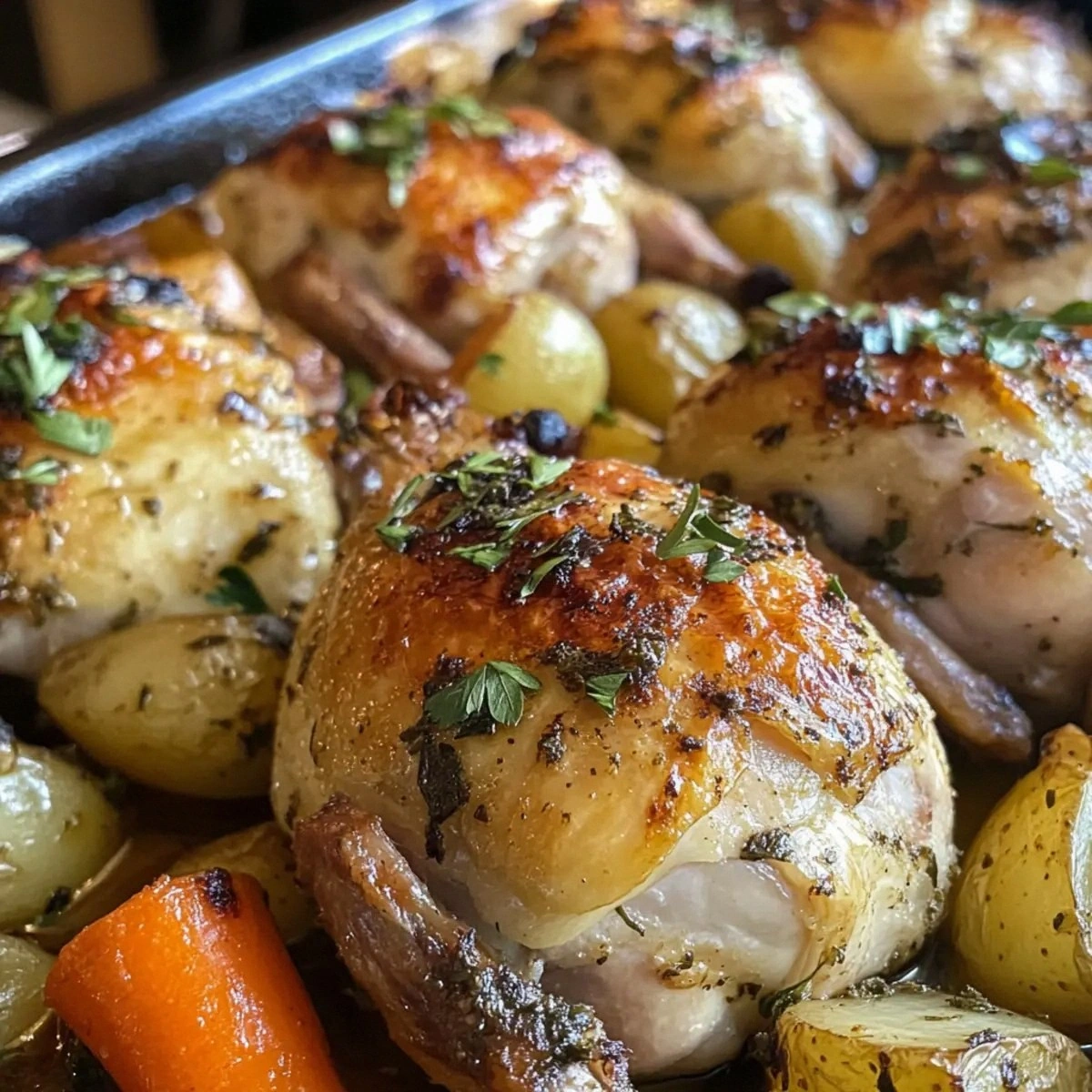
The Method — Step by Step
Preheat your oven to 425°F (220°C). While the oven heats, pat the Cornish hens dry with paper towels – this is the secret to that crackling skin. I dare you to skip this step and see if you can still achieve that golden armor; spoiler: you won’t.
Kitchen Hack: Place the hens on a wire rack set over a rimmed baking sheet; this lets hot air circulate for an even roast.In a small saucepan, melt the unsalted butter over medium heat. Add the minced rosemary, minced tarragon, minced garlic, garlic powder, onion powder, and a generous pinch of cracked black pepper. Stir until fragrant – you’ll hear a gentle sizzle that signals the butter is ready to coat.
Remove the pan from heat and whisk in the truffle oil, chicken stock, and white wine. The mixture will look slightly emulsified; that’s exactly what you want. Let it sit for a minute while you prepare the vegetables.
Slice the lemon in half and squeeze the juice over the hens, then tuck the squeezed halves inside the cavity for extra aroma. Rub the herb‑truffle butter all over the birds, making sure to get under the skin where possible – this is where the magic happens.
Arrange the carrots, onions, and potatoes around the hens on the baking sheet. Toss them lightly with a drizzle of olive oil, salt, and a sprinkle of fresh rosemary and thyme leaves. This vegetable bed acts as a natural roasting rack and will soak up the pan juices.
Place the hens breast‑side up and slide the pan into the hot oven. Roast for 20 minutes, then reduce the temperature to 375°F (190°C) and continue for another 15‑20 minutes. The skin should turn a deep amber, and the internal temperature should hit 165°F (74°C) at the thickest part.
Watch Out: If you open the oven too often, the temperature will drop and the skin won’t crisp properly.While the hens finish, baste them with the pan juices every five minutes. This continuous coating creates that glossy, restaurant‑quality finish. The sauce should thicken slightly and cling to the skin like a silk scarf.
Once done, remove the birds and let them rest for 10 minutes under loosely tented foil. Resting allows the juices to redistribute, guaranteeing every bite is succulent. During this time, the vegetables will continue to caramelize in the residual heat.
Carve the hens by separating the leg quarters from the breast, then slice the breast meat against the grain. Arrange the meat on a platter, surround with the roasted vegetables, and drizzle any remaining pan sauce over the top.
Finish with a final flourish: a sprinkle of fresh thyme leaves and a light drizzle of the remaining truffle oil. Picture yourself pulling this out of the oven, the whole kitchen smelling incredible, and the guests leaning in for that first bite. That moment? Pure culinary triumph.
Kitchen Hack: Use a spoon to deglaze the pan with a splash of extra white wine, then whisk into the remaining butter for a richer finishing sauce.
That's it — you did it. But hold on, I've got a few more tricks that'll take this to another level…
Insider Tricks for Flawless Results
The Temperature Rule Nobody Follows
Start the roast at a blistering 425°F to sear the skin, then drop to 375°F to finish cooking gently. This two‑stage method prevents the meat from drying out while still delivering that coveted crackle. A friend tried a single low temperature and ended up with soggy skin – let’s just say the look on his face was priceless.
Why Your Nose Knows Best
Don’t rely solely on a timer; trust the aroma. When the butter‑herb mixture starts to caramelize and you catch a nutty, toasty scent, you’re on the right track. If you smell a faint burnt odor, pull the pan out immediately – you can always rescue the flavor with a splash of stock.
The 5‑Minute Rest That Changes Everything
Resting the birds isn’t just a courtesy; it’s a science. The muscle fibers relax, allowing the juices to settle rather than spilling out when you cut. Skipping this step is the culinary equivalent of running a marathon without stretching – you’ll feel the strain.
Butter‑Infused Basting Brush
Soak a silicone basting brush in the leftover herb‑truffle butter for the last five minutes of roasting. This ensures every nook and cranny gets a glossy coating, and the brush itself becomes a mini‑flavor bomb. I’ve seen home cooks use a regular brush and wonder why the glaze is patchy – the secret is in the butter saturation.
Pan Sauce Rescue
If your pan sauce looks thin after the hens are done, whisk in a tablespoon of cold butter and a splash of cream. The emulsion will thicken instantly, turning the sauce into a velvety river that drapes over the meat. This trick saved my dinner once when the sauce threatened to disappear into the oven.
Creative Twists and Variations
This recipe is a playground. Here are some of my favorite ways to switch things up:
Maple‑Glazed Holiday Version
Swap the lemon for a tablespoon of pure maple syrup and add a pinch of cinnamon to the butter. The result is a sweet‑savory profile that screams festive. Perfect for those who love a hint of holiday spice.
Spicy Szechuan Spin
Introduce 1 teaspoon of Szechuan peppercorn powder and a drizzle of chili oil into the herb butter. The tingling heat pairs surprisingly well with the earthy truffle, creating a bold, adventurous bite.
Herb‑Free Vegan Alternative
Replace the Cornish hens with large portobello mushrooms, and use vegan butter mixed with truffle oil. The mushrooms absorb the sauce like a sponge, delivering a meaty texture without animal products.
Winter Root Vegetable Medley
Swap the carrots and potatoes for parsnips, turnips, and sweet potatoes. The natural sugars caramelize beautifully, adding depth and a pop of color to the plate.
Smoky Bacon Wrapped
Wrap each hen in half a strip of thick‑cut bacon before roasting. The bacon renders its fat into the bird, imparting a smoky richness that complements the truffle oil.
Herb‑Infused Gravy Finish
After removing the hens, deglaze the pan with an extra ¼ cup of chicken stock, simmer, and whisk in a splash of cream. Strain and serve as a luxurious gravy alongside the meat.
Storing and Bringing It Back to Life
Fridge Storage
Place the cooled hens and vegetables in an airtight container and store in the refrigerator for up to three days. Reheat gently in a 300°F oven, covered with foil to prevent drying.
Freezer Friendly
Wrap each cooked hen tightly in parchment paper, then foil, and freeze for up to two months. Thaw overnight in the fridge, then reheat using the same low‑and‑slow oven method to retain moisture.
Best Reheating Method
Before reheating, add a tiny splash of water or chicken stock to the pan and cover with foil. This creates steam that revives the crisp skin while keeping the meat juicy – think of it as a spa day for leftovers.