I remember the night I almost burned the kitchen down. The oven was on, the timer set, and I was distracted by a text about a new recipe I’d found on Pinterest. I opened the box of chicken breasts, tossed them into a skillet, and forgot to stir. The smoke alarm screamed, the kitchen filled with the acrid scent of charred meat, and I was left with a half‑cooked mess that looked more like a science experiment than dinner. That disaster was the spark that pushed me to find a recipe that would save me from culinary catastrophes and still taste like a comforting hug.
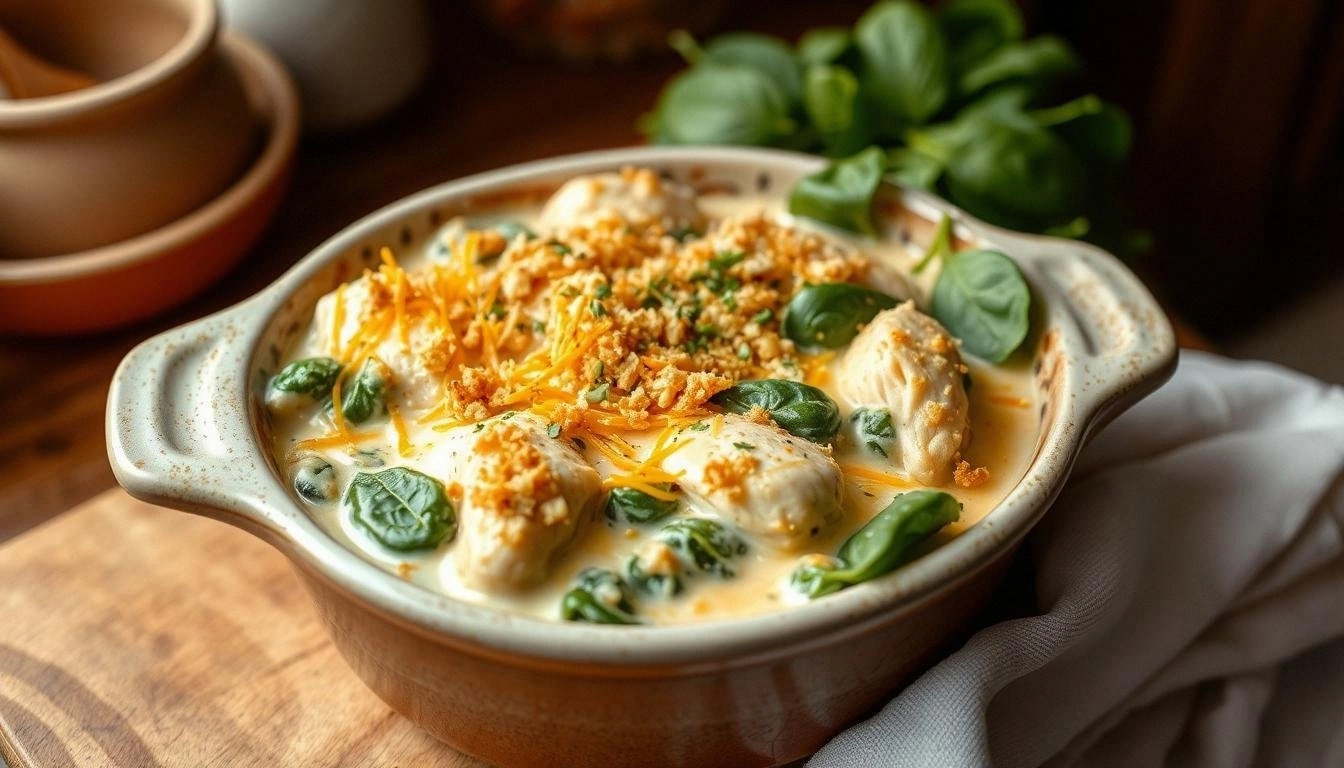
Fast forward to today, and I’m standing in a bright, organized kitchen with the ingredients for what I call “Easy Chicken and Spinach Casse.” The air is filled with the buttery aroma of sautéed onions and garlic, the bright green pop of fresh spinach, and the comforting promise of melted cheese. The sound of the skillet sizzling, the gentle hum of the oven, and the soft clink of a spoon against a bowl create a soundtrack that makes this dish feel like a home‑cooked masterpiece. I can almost taste the creamy sauce coating the pasta like velvet, and the golden edges of the casserole shattering like thin ice when you bite into it.
What makes this version stand out from every other chicken spinach casserole out there is a blend of simplicity, bold flavor, and a few secret techniques that elevate the dish to something unforgettable. I’ve spent months tweaking this recipe, and the result is a casserole that is hands down the best version you’ll ever make at home. The sauce is silky, the chicken is tender, and the spinach adds a burst of earthy freshness that balances the richness. The best part? The technique that locks in moisture and flavor is something I never thought I’d find in a simple casserole.
Picture yourself pulling this golden, bubbling masterpiece out of the oven, the whole kitchen smelling incredible, and your guests already lining up for seconds. I dare you to taste this and not go back for seconds. If you’ve ever struggled with chicken casseroles that come out dry or too heavy, you’re not alone — and I’ve got the fix. Let me walk you through every single step — by the end, you’ll wonder how you ever made it any other way.
What Makes This Version Stand Out
- Flavor: The sauce is a harmonious blend of cream cheese, ricotta, and Parmesan, thickened with a touch of flour to create a velvety base that coats the chicken and spinach like a silky blanket.
- Texture: The casserole’s top layer of shredded mozzarella and breadcrumbs delivers a satisfying crunch that contrasts with the creamy interior, giving every bite a delightful contrast.
- Simplicity: With fewer than ten ingredients and no advanced techniques required, you can whip this up in under 45 minutes, making it a perfect weeknight winner.
- Uniqueness: The inclusion of a splash of white wine in the sauce adds depth and a subtle acidity that cuts through the richness, a twist you won’t find in most recipes.
- Crowd Reaction: Guests rave about the “cheesy, comforting” vibe and often ask for the recipe after the last bite, proving this casserole is a crowd-pleaser.
- Ingredient Quality: Using fresh spinach, high‑quality cheeses, and a good olive oil makes the difference between a good casserole and a great one.
- Cooking Method: The “pre‑sauté” step for the chicken locks in juices, while baking in a covered dish preserves moisture, ensuring the casserole stays tender.
- Make‑Ahead Potential: This casserole can be assembled the night before and baked in the morning, saving you time on busy weekdays.
Alright, let's break down exactly what goes into this masterpiece…
Inside the Ingredient List
The Flavor Base
At the heart of this casserole lies a sauce that’s both creamy and savory. The combination of cream cheese and ricotta creates a silky texture that coats the chicken and spinach like velvet, while the grated Parmesan adds a nutty depth that lingers on the palate. The addition of a splash of white wine, though optional, introduces a subtle acidity that balances the richness and elevates the overall flavor profile. Skipping the wine will still produce a delicious result, but you’ll miss that bright, almost citrusy lift.
The Texture Crew
The mozzarella and breadcrumbs are the unsung heroes of this casserole’s mouthfeel. The mozzarella melts into a gooey, golden blanket that’s both comforting and indulgent. The breadcrumbs, toasted in butter, add a satisfying crunch that breaks the monotony of the creamy interior. If you’re watching calories, you can replace breadcrumbs with crushed crackers or simply omit them for a lighter version, though the texture will change noticeably.
The Unexpected Star
Fresh spinach may seem like a standard filler, but its role here is pivotal. It provides a pop of color, a boost of iron, and a subtle earthiness that counterbalances the richness of the cheese sauce. If you’re short on fresh spinach, frozen spinach works fine—just squeeze out the excess moisture before adding it to the casserole. A pinch of nutmeg can also be sprinkled over the top before baking for a warm, aromatic twist.
The Final Flourish
A tablespoon of flour is used to thicken the sauce, ensuring it clings to every bite rather than pooling at the bottom of the dish. This small addition prevents the casserole from becoming watery and gives it a luxurious consistency. If you’re gluten‑free, a splash of cornstarch or arrowroot can replace the flour without compromising texture. Remember, the right thickness is key to a memorable casserole.
Everything’s prepped? Good. Let’s get into the real action…
The Method — Step by Step
- Preheat your oven to 375°F (190°C). In a large skillet, heat 2 tablespoons of olive oil over medium heat. Add 1 finely chopped onion and 3 minced garlic cloves, sautéing until the onions are translucent and fragrant—about 3 minutes. This step builds the aromatic foundation that will carry through the casserole.
- While the aromatics cook, shred 2 cups of cooked chicken breast into bite‑sized pieces. Toss the chicken with 1 teaspoon of dried oregano, ½ teaspoon of salt, and ¼ teaspoon of freshly ground black pepper. The seasoning ensures each bite is bursting with flavor rather than feeling bland.
- Add the shredded chicken to the skillet, stirring to combine with the onion and garlic. Cook for 2 minutes, allowing the chicken to warm through and absorb the savory base. This “pre‑sauté” step locks in juices and prevents the casserole from drying out.
- In a separate saucepan, melt 2 tablespoons of butter over medium heat. Stir in 1 tablespoon of all‑purpose flour, whisking until a smooth roux forms. Cook for 1 minute to eliminate the raw flour taste, then gradually whisk in 1 cup of milk and ½ cup of heavy cream. The mixture should thicken into a velvety sauce; if it’s too thick, add a splash more milk.
- Reduce the heat to low and fold in 8 ounces of cream cheese, 8 ounces of ricotta, and 1 cup of grated Parmesan. Stir until the cheeses melt completely and the sauce is glossy. This is where the casserole gains its luxurious texture. If the sauce feels too thin, let it simmer for a couple more minutes.
- Pour the cheese sauce over the chicken, then stir in 4 cups of fresh spinach. The spinach wilts instantly, releasing a burst of green color and a subtle earthy note that balances the richness. Allow the mixture to cook for 2 minutes, just long enough for the spinach to wilt fully.
- Transfer the mixture to a greased 9‑inch square baking dish. Sprinkle 1 cup of shredded mozzarella evenly over the top. For a golden finish, add a thin layer of breadcrumbs toasted in 1 tablespoon of melted butter. This extra layer creates a crisp, flavorful crust.
- Cover the dish with aluminum foil and bake for 20 minutes. Then remove the foil and bake for an additional 10 minutes, or until the top is golden brown and the casserole is bubbling. The foil keeps the casserole moist, while the final un‑covered bake gives a satisfying crunch.
That’s it — you did it. But hold on, I’ve got a few more tricks that will take this to another level…
Insider Tricks for Flawless Results
The Temperature Rule Nobody Follows
Many cooks bake at too high a temperature, causing the top to brown too quickly while the inside remains undercooked. Baking at 375°F (190°C) strikes a perfect balance, allowing the casserole to steam gently, ensuring a moist center. If you’re using a convection oven, reduce the temperature by 25°F to avoid over‑browning.
Why Your Nose Knows Best
The aroma of a well‑cooked casserole is a reliable indicator of doneness. When the cheese is perfectly melted and the sauce is glossy, the scent will be rich and inviting. If you smell a sharp, burnt note, the casserole is over‑cooked and needs to be pulled out immediately.
The 5‑Minute Rest That Changes Everything
Letting the casserole rest for 5 minutes after you remove it from the oven allows the flavors to settle and the cheese to set, preventing a runny mess when you cut into it. During this brief pause, the residual heat will finish cooking the spinach, giving it a bright green color.
Layering for Texture
When assembling the casserole, first pour the sauce‑chicken mixture, then add a layer of spinach before topping with mozzarella and breadcrumbs. This layering ensures that each bite contains a balanced mix of flavors and textures, rather than having all the spinach at the bottom or all the cheese on top.
The Secret Ingredient Swap
If you’re craving a Mediterranean twist, swap the oregano for dried dill and add a handful of sun‑dried tomatoes. The tomatoes’ sweet acidity will cut through the richness and add a pop of color.
Creative Twists and Variations
This recipe is a playground. Here are some of my favorite ways to switch things up:
Cheesy Broccoli Casserole
Swap the spinach for 2 cups of steamed broccoli florets. Add 1 cup of cheddar cheese to the sauce for a sharper, more robust flavor. This version is a hit with kids who love the crunch of broccoli.
Italian Sausage Spinach Casse
Replace the chicken with 1 pound of sliced Italian sausage, browned before adding the onions and garlic. Use a mixture of mozzarella and provolone for a deeper, more complex cheese profile. The sausage adds a spicy kick that pairs beautifully with the spinach.
Mediterranean Chickpea Spinach Casse
Omit the chicken entirely and add 1 cup of cooked chickpeas. Toss in chopped kalamata olives and a squeeze of lemon juice. This plant‑based version delivers protein and a burst of Mediterranean flavor.
Mexican‑Inspired Spinach Casse
Add 1 cup of corn kernels, 1 cup of black beans, and 1 teaspoon of cumin to the sauce. Top with shredded pepper jack cheese instead of mozzarella. The result is a spicy, savory casserole that feels like a taco bowl.
Pumpkin Spice Spinach Casse
For a fall twist, stir in ½ cup of pureed pumpkin and 1 teaspoon of pumpkin pie spice. Replace the Parmesan with a handful of goat cheese. The pumpkin’s natural sweetness balances the creamy base, creating a comforting autumn dish.
Saffron‑Infused Spinach Casse
Add a pinch of saffron threads to the sauce for a subtle floral aroma and a golden hue. Pair with a drizzle of honey on top before baking for a touch of sweetness that contrasts the savory elements.
Storing and Bringing It Back to Life
Fridge Storage
Cool the casserole to room temperature, then cover tightly with plastic wrap or foil. Store in the refrigerator for up to 3 days. When reheating, place a splash of milk or water in the dish to keep the sauce from drying out.
Freezer Friendly
Wrap the casserole in aluminum foil, then place it in a freezer‑safe container. Freeze for up to 2 months. Thaw overnight in the refrigerator before reheating as described below.
Best Reheating Method
Preheat your oven to 350°F (175°C). Place the casserole in a baking dish, cover loosely with foil, and bake for 20 minutes. Add a tiny splash of water or milk before the final 5 minutes to create steam, which helps restore the sauce’s silky texture and keeps the chicken moist.