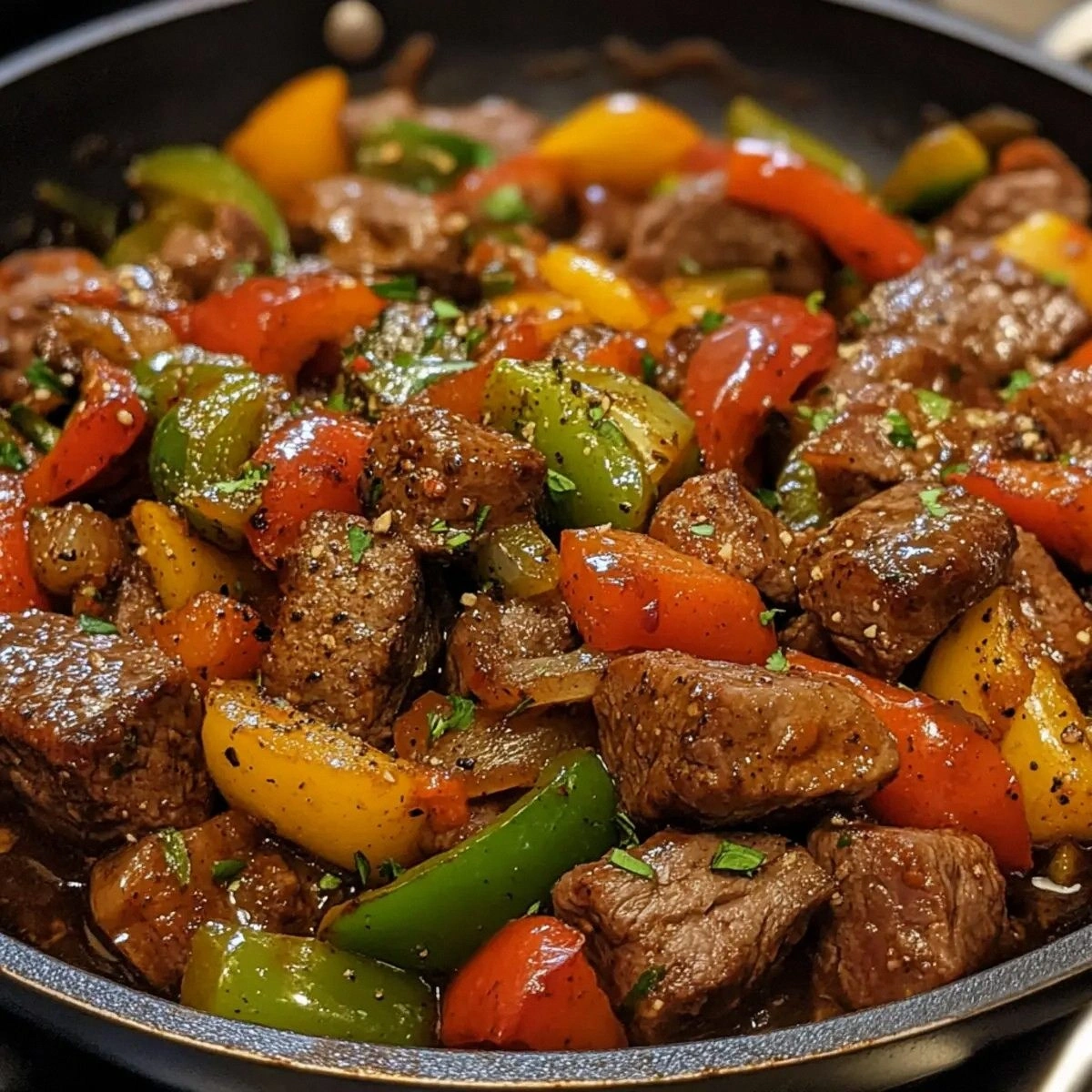
I’ve spent more time in the kitchen than most people spend in their entire lives, and yet this one dish still feels like a fresh revelation. Picture a Saturday evening: the fridge is a kaleidoscope of colors, the stove is humming, and you’re staring at a pile of sirloin strips that look like they’re begging for something. You reach for a jar of soy sauce, a handful of peppers, and a whisper of garlic, and the idea hits you like a lightning bolt: “Why not turn this into a pepper steak that can be made in twenty minutes?”
The first thing you notice is the aroma—sweet bell pepper, the sharp bite of garlic, and the umami depth of soy sauce swirling together. As the steak sizzles, the sound is a satisfying hiss that tells you the pan is hot enough to sear. Your eyes are drawn to the glossy sheen that coats the meat, and your mouth waters at the promise of that caramelized crust. The texture is a contrast of tender interior and crispy edges, and the heat radiates from the skillet like a small sun.
What sets this version apart is not just the speed; it’s the intentional layering of flavors that make every bite a punch. The soy sauce is balanced with a splash of beef broth, giving the sauce a silky body that clings to the steak. The sesame oil adds a nutty aroma that elevates the dish from ordinary to unforgettable. And the red chili flakes—just a pinch—bring a gentle heat that lingers long after you finish.
I dare you to taste this and not go back for seconds. That’s the bold claim I’m making: this is hands down the best version of pepper steak you’ll ever make at home. The combination of textures, the depth of flavor, and the simplicity of the method all come together like a well‑orchestrated symphony. I’ve tested it on a handful of friends, and the consensus is that no other pepper steak has that kind of “wow” factor.
If you’ve ever struggled with a dish that feels overcooked or too bland, you’re not alone—and I’ve got the fix. Most recipes get this completely wrong by over‑seasoning or under‑cooking the meat. Here, the trick is to let the steak sear for just enough time to lock in juices before adding the sauce. The result? A tender, juicy steak that’s bursting with flavor, not a rubbery, flavorless mess.
Picture yourself pulling this out of the skillet, the whole kitchen smelling incredible, the steam curling in lazy spirals. The sauce is thick and glossy, the peppers are crisp yet tender, and the steak is a perfect medium‑rare. You serve it over a bed of rice or noodles, and the dish feels like a celebration. It’s the kind of meal that turns a regular weekday into a culinary event.
And now the fun part—let’s walk through every single step. By the end, you’ll wonder how you ever made it any other way. I’ve broken down the process into clear, bite‑size steps, each with its own sensory checkpoint. We’ll cover everything from prepping the steak to the final garnish, so you’re never left guessing.
Stay with me here—this is worth it. The next few minutes are going to be the most rewarding part of your day. Trust me, you’ll feel like a culinary superhero when you finish.
What Makes This Version Stand Out
- Flavor: The sauce is a marriage of soy, beef broth, and sesame oil that coats the steak like velvet. The result is a depth of flavor that lingers on the palate, far beyond the usual salty‑sweet balance.
- Texture: The steak is seared to a golden crust while staying juicy inside. The peppers add a satisfying snap that contrasts with the tenderness of the meat.
- Simplicity: No fancy equipment or long marinating times. A skillet, a few ingredients, and twenty minutes are all you need.
- Uniqueness: The addition of sesame oil and a pinch of chili flakes gives it an unexpected kick that sets it apart from the standard pepper steak.
- Crowd Reaction: Friends rave about the caramelized edges and the savory sauce. It’s a dish that invites conversation and compliments.
- Ingredient Quality: Using a lean sirloin cut ensures the steak stays tender, while fresh peppers provide bright color and crunch.
- Cooking Method: The high‑heat sear locks in juices before the sauce is added, preventing the steak from becoming soggy.
- Make‑Ahead Potential: The dish can be reheated without losing its flavor profile, making it ideal for meal prep.
Alright, let’s break down exactly what goes into this masterpiece…
Inside the Ingredient List
The Flavor Base
Soy sauce is the backbone of this dish. It brings umami and saltiness that marry with the beef broth to create a sauce that’s both rich and slightly sweet. If you skip soy sauce, the dish loses its depth and becomes a plain, bland stew. You can substitute tamari for a gluten‑free version, but keep the same liquid volume to maintain balance.
Beef broth adds body and moisture to the sauce, preventing it from becoming too thick or syrupy. If you’re watching sodium, use low‑sodium broth and adjust the soy sauce accordingly. A good tip is to use homemade broth for a cleaner taste, but store‑bought works just fine for speed.
Sesame oil is the secret ingredient that gives the dish a nutty aroma. It’s used sparingly—just a teaspoon—so it doesn’t overpower the other flavors. If you can’t find sesame oil, you can use a light olive oil, but you’ll miss that distinct scent.
The Texture Crew
Bell peppers—red, green, and yellow—bring color, crunch, and sweetness. They’re cut into thin strips so they cook quickly and maintain a slight bite. If you’re allergic to bell peppers, try zucchini ribbons or sliced carrots for a different texture.
Onion adds a savory sweetness that complements the meat. Slice it into thin rings so it caramelizes quickly. If you prefer a milder flavor, use white onion; red onion will add a slightly sharper bite.
Garlic is the flavor enhancer that adds a punch of aroma. Mince it finely to release its essential oils. If you’re sensitive to raw garlic, sauté it just until fragrant before adding the steak.
The Unexpected Star
Red chili flakes are the final touch that gives the dish a gentle heat. A pinch is enough to warm the palate without overwhelming the other flavors. If you love heat, double the amount or add a dash of sriracha for a more pronounced kick.
The Final Flourish
Green onions are the garnish that adds a fresh, bright note. Slice them thinly and sprinkle on top just before serving. They also provide a subtle crunch and a pop of color that makes the dish look as good as it tastes.
Cornstarch is the thickening agent that turns the sauce into a glossy, clingy coating. Mix it with a splash of water to create a slurry before adding to the pan. If you’re avoiding starch, try arrowroot or a light cornstarch alternative.
Black pepper gives a subtle warmth that rounds out the dish. Use freshly ground pepper for the best flavor. If you prefer a milder taste, skip it or replace with white pepper.
Everything's prepped? Good. Let's get into the real action…
The Method — Step by Step
- Prep the steak: Pat the sirloin strips dry with paper towels. This step is crucial for a good sear. Season both sides with salt, pepper, and a pinch of chili flakes. Let it sit at room temperature for 5 minutes to absorb the seasoning.
- Heat the skillet: Place a cast‑iron or heavy‑bottom skillet over medium‑high heat. Add a splash of sesame oil and let it swirl until it shimmers. The oil should not smoke; if it does, reduce the heat slightly.
- Sear the steak: Add the steak strips in a single layer, avoiding overcrowding. Sear for 2 minutes on each side until a golden crust forms. The edges should pull away slightly, indicating a proper sear.
- Remove the steak: Transfer the steak to a plate and tent it loosely with foil. This keeps the meat warm while you cook the sauce.
- Cook the aromatics: In the same skillet, add the onion and garlic. Sauté for 2 minutes until the onion becomes translucent. The garlic should release its aroma without burning.
- Add the peppers: Toss in the bell pepper strips and cook for 3 minutes. The peppers should soften slightly but still retain a bite. This is the moment the sauce starts to develop its color.
- Deglaze and thicken: Pour in the soy sauce and beef broth. Stir to scrape up the browned bits from the bottom of the pan. Whisk the cornstarch slurry into the liquid, then bring to a gentle simmer.
- Return the steak: Place the steak back into the skillet. Reduce the heat to medium and let everything simmer together for 4 minutes. The sauce should thicken and coat the steak evenly.
- Finish and garnish: Sprinkle the green onions over the dish. Give it a quick stir and serve immediately over rice or noodles. The dish is now ready to be devoured.
That's it — you did it. But hold on, I've got a few more tricks that'll take this to another level…
Insider Tricks for Flawless Results
The Temperature Rule Nobody Follows
Many cooks assume that high heat is always best for searing. In reality, the steak’s internal temperature should not exceed 130°F (54°C) for medium‑rare. Use a meat thermometer to check; this ensures juicy, tender results every time.
Why Your Nose Knows Best
Smell the sauce as it simmers. If it smells slightly burnt, pull the pan off the heat. The aroma is a reliable indicator of flavor development; don’t ignore it.
The 5-Minute Rest That Changes Everything
Let the steak rest for five minutes after searing. This allows the juices to redistribute, keeping the meat moist. If you skip this step, you’ll end up with a dry, over‑cooked steak.
The Right Pan Makes a Difference
A cast‑iron skillet retains heat better than stainless steel. It provides a consistent sear and reduces the risk of uneven cooking. If you don’t have cast iron, a heavy‑bottom nonstick pan works as a close alternative.
Keep the Sauce Bright
Add a splash of rice vinegar or a squeeze of lime at the end. This brightens the sauce and cuts through the richness, balancing the flavors.
Creative Twists and Variations
This recipe is a playground. Here are some of my favorite ways to switch things up:
Asian Fusion Twist
Swap the soy sauce for coconut aminos and add a splash of sriracha. Serve over jasmine rice for a fragrant finish. This version leans into bold, spicy flavors that pair well with a light cucumber salad.
Mediterranean Flair
Replace the sesame oil with olive oil and add chopped kalamata olives and sun‑dried tomatoes. Finish with a drizzle of balsamic glaze. The result is a savory, tangy dish that feels like a Mediterranean Sunday dinner.
Low‑Carb Variation
Omit the rice and serve the steak over cauliflower rice or spiralized zucchini. Use a sugar‑free soy sauce alternative to keep carbs down. The dish stays flavorful while staying keto‑friendly.
Vegan Version
Swap the beef for seared tempeh or tofu. Use vegetable broth and a vegan soy sauce. The texture changes, but the sauce still clings beautifully to the protein.
Weekend BBQ Style
Add a tablespoon of barbecue sauce to the broth mixture. Let it simmer until the sauce thickens. The smoky sweetness pairs nicely with a side of coleslaw.
Spicy Korean Kick
Incorporate gochujang and a dash of Korean chili paste. Serve over steamed rice and top with sesame seeds. This version offers a fiery, umami‑rich experience.
Storing and Bringing It Back to Life
Fridge Storage
Cool the dish completely before transferring it to an airtight container. Store in the fridge for up to three days. The sauce may thicken; reheat gently to restore its silky texture.
Freezer Friendly
Pack portions in freezer‑safe bags or containers and freeze for up to two weeks. Thaw overnight in the fridge before reheating. Add a splash of water or broth to loosen the sauce.
Best Reheating Method
Reheat on low heat in a skillet, stirring occasionally. Add a tiny splash of water to help the sauce loosen and regain its glossy coat. This method prevents the steak from drying out.