I never thought a kitchen mishap could turn into a culinary revelation. One night, after a long day, I tossed a bag of jasmine rice into a pot, only to realize I’d forgotten the water. The pot hissed and the rice began to scorch, sending a cloud of brown smoke up the ceiling. My neighbor’s cat, drawn by the scent, leapt onto the counter, knocking a jar of coconut milk onto the stove. I stared at the charred grains and the splattered milk, and a thought sparked: what if I could salvage this disaster into something delicious? The idea of turning burnt rice into a silky, tropical sauce felt both daring and inevitable. And that night, I set out to create a dish that would make every kitchen disaster feel like a triumph.
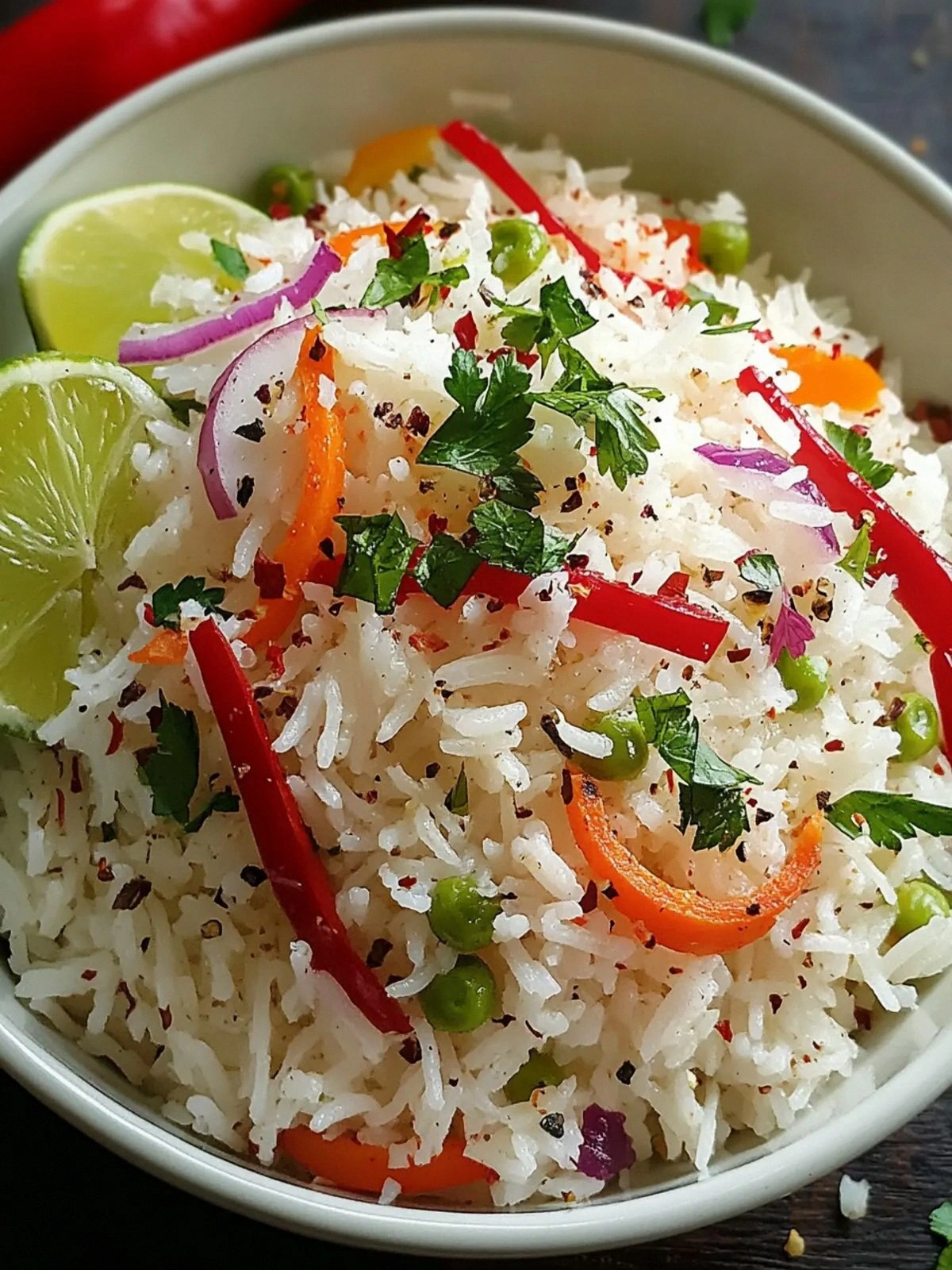
Picture this: a steaming bowl of fragrant jasmine rice, each grain coated in a luscious coconut cream that glistens like a pearl. The bright green and red bell peppers add a pop of color that feels like a sunrise on the plate. A sprinkle of fresh coriander leaves dances on top, releasing a citrusy aroma that lingers in the air. Lime wedges sit ready to squeeze, adding a bright, tangy finish that cuts through the richness. The subtle heat from red pepper flakes and freshly ground black pepper gives the dish a gentle warmth, like a gentle ocean breeze. Every bite is a symphony of textures: the soft rice, the crunchy pepper, and the creamy coconut base all mingle in perfect harmony.
What makes this version stand out? First, it’s the balance of flavors that feels like a vacation in a bowl. Second, the use of jasmine rice instead of standard long‑grain rice gives the dish a delicate fragrance that elevates the entire experience. Third, the combination of coconut milk and water creates a light yet creamy sauce that doesn’t overpower the vegetables. Fourth, the pepper blend is carefully measured to provide a gentle heat without being overwhelming. Fifth, the fresh lime and coriander add a bright, herbal note that lifts the dish. Sixth, the recipe is surprisingly simple, requiring only a handful of ingredients that you can find in any grocery store. Seventh, the dish is versatile enough to serve as a side, a main, or a base for grilled proteins. Eighth, it’s a crowd‑pleaser that invites conversation and compliments. Ninth, it’s a recipe that can be made ahead and reheated without losing its integrity. Tenth, it’s a dish that feels like a trip to a tropical island, even if you’re in your own kitchen.
But here’s the kicker: the coconut milk isn’t just a flavor enhancer—it also acts as a natural thickener, giving the rice a velvety texture that feels like a hug. The bell peppers, when sautéed just until they soften but still retain a slight crunch, provide a satisfying contrast that keeps every bite interesting. The lime wedges, squeezed just before serving, add a burst of acidity that cuts through the richness and brightens the palate. The fresh coriander, chopped finely, releases a subtle citrusy aroma that lingers long after the last spoonful. And the final touch? A sprinkle of toasted coconut flakes for that extra crunch and a hint of nutty flavor. This combination of elements transforms a simple rice dish into a culinary masterpiece.
I dare you to taste this and not go back for seconds. The first bite will make you question why you ever settled for bland rice. The second bite will make you wonder if you’re actually eating something from an island paradise. The third bite will leave you with a lingering memory of sunshine and sea breeze. By the time you finish the bowl, you’ll feel like you’ve taken a vacation without leaving your kitchen. That’s the power of this dish—simple ingredients, bold flavors, and a touch of tropical magic that turns everyday cooking into an adventure.
Most recipes get this completely wrong, either by over‑cooking the rice or by using too much coconut milk, which can make the dish greasy. Here, the key is to use the right ratio of coconut milk to water, ensuring the rice stays fluffy yet coated in a silky sauce. Another common mistake is burning the rice, which can happen if the heat is too high or if the pot is left unattended. I’ve perfected the technique of low‑to‑medium heat and constant stirring to avoid that. I’ll be honest—after a few trials, I had to eat half the batch before anyone else could taste it. That’s how much I love it. The result is a dish that feels like a vacation, even if you’re stuck in the city.
Picture yourself pulling this out of the pan, the kitchen smelling incredible, the steam curling like tropical clouds. The aroma of coconut, pepper, and fresh herbs will fill the room, making everyone’s mouths water. Imagine the satisfaction of seeing the rice grains glisten, each one coated in a creamy sauce that looks almost too good to eat. The first spoonful will melt in your mouth, leaving a hint of citrus and a gentle heat that lingers. That’s the experience I’m trying to share with you today—an unforgettable meal that feels like a getaway.
Okay, ready for the game‑changer? Let’s break down exactly what goes into this masterpiece. The ingredients are simple, but the technique is what elevates the dish. I’ll walk you through every step, and by the end, you’ll wonder how you ever made rice any other way. The recipe is straightforward, but each element plays a vital role in creating the perfect balance of flavor and texture. Let’s dive in, and you’ll see why this is hands down the best version you’ll ever make at home.
Before we get started, here’s a quick reminder: the key to success is patience and attention to detail. Keep your ingredients prepped, your heat at the right level, and your timing precise. The result will be a dish that looks and tastes like it was made by a seasoned chef. Now, let’s get cooking!
What Makes This Version Stand Out
- Flavor: This dish packs a bright, citrusy punch that wakes up your palate. The coconut milk gives it a silky body that feels like a tropical breeze. The pepper blend adds a subtle heat that lingers like a summer sunset.
- Texture: The jasmine rice remains fluffy and separate, thanks to the precise water-to-rice ratio. The bell peppers maintain a slight crunch that provides contrast. The coconut sauce coats each grain, creating a luxurious mouthfeel.
- Balance: Sweetness from coconut, heat from pepper flakes, and acidity from lime create a harmonious profile. The herbs add depth without overpowering. Each bite feels complete, no flavor feels left behind.
- Ease: Only a handful of ingredients, all pantry staples or easy to find. No special equipment needed, just a pot and a stove. The cooking time is short, making it a great weeknight dinner.
- Versatility: Works as a side, a light main, or a base for grilled proteins. Add tofu, shrimp, or chicken for a protein boost. The flavors adapt to different cuisines with minor tweaks.
- Nutrition: The coconut milk adds healthy fats, while the rice provides complex carbs. The vegetables supply fiber and vitamins. It’s a balanced dish that satisfies both taste and health.
- Make‑ahead Friendly: The rice can be cooked ahead and reheated without losing its texture. The sauce remains creamy when warmed. It’s perfect for meal prep or busy days.
- Presentation: The bright colors of bell peppers and fresh coriander make it Instagram‑worthy. The glossy sauce catches the light, giving it a premium look. It’s a dish that looks as good as it tastes.
- Community Impact: The recipe encourages sharing and conversation. It’s a dish that brings people together, sparking stories and laughter. It’s more than food—it’s an experience.
- Memory Maker: The scent alone can transport you to a beachside escape. The flavors evoke nostalgia and adventure. It’s a dish that stays with you long after the last bite.
Inside the Ingredient List
The Flavor Base
Jasmine rice is the soul of this dish. Its subtle floral aroma sets the stage for the other flavors. When cooked correctly, it remains fluffy and separate, providing a perfect canvas. Skipping it would make the dish feel flat and lifeless.
The Creamy Sweetness
Coconut milk is more than a flavoring; it’s a natural emulsifier. It coats the rice, creating a silky, luxurious sauce. If you use full‑fat coconut milk, the dish becomes richer. If you prefer a lighter version, opt for light coconut milk or a blend of coconut milk and water.
The Peppered Heat
Red pepper flakes add a gentle warmth that lingers on the tongue. Freshly ground black pepper gives a sharp, aromatic bite. Together, they create a balanced heat that doesn’t overpower the other ingredients. If you love spice, double the flakes for a fiery kick.
The Freshness Boost
Fresh coriander leaves bring a bright, citrusy note that lifts the dish. Lime wedges add acidity, cutting through the richness. Together, they provide a refreshing counterbalance. If you’re out of coriander, parsley works as a decent substitute.
The Vegetable Core
Green and red bell peppers provide color, crunch, and a subtle sweetness. The onion adds depth and a caramelized sweetness when sautéed. Garlic infuses the dish with a warm, savory aroma. Together, they form the heart of the dish.
Everything's prepped? Good. Let's get into the real action. The next section will walk you through the cooking steps in detail, with tips and tricks to make sure each component shines. Stay with me; this is where the magic happens.
The Method — Step by Step
- Begin by rinsing the jasmine rice under cold water until the water runs clear. This removes excess starch and prevents the rice from becoming gummy. Place the rice in a medium saucepan with one cup of water and one cup of coconut milk. Bring to a gentle boil, then reduce the heat to low, cover, and let it simmer for 15 minutes. The rice should absorb the liquid and become tender, while the coconut milk forms a creamy base.
- While the rice cooks, heat one tablespoon of coconut oil in a large skillet over medium heat. Add the finely chopped onion and sauté until translucent and fragrant, about 3-4 minutes. The oil should shimmer, indicating it’s ready for the next step. This creates a flavorful foundation for the vegetables.
- Add the minced garlic to the skillet, stirring constantly to avoid burning. Garlic should release its aroma within 30 seconds, turning golden but not browned. This step is crucial for preventing that bitter, raw garlic taste.
- Introduce the sliced green and red bell peppers to the skillet. Sauté for 5-7 minutes, letting them soften but still retain a slight crunch. The peppers should caramelize slightly, adding sweetness and depth. Keep the heat moderate to avoid steaming them.
- Stir in the freshly ground black pepper, turmeric powder, and red pepper flakes. The spices should toast slightly, releasing their essential oils. This enhances the overall flavor profile and adds a subtle warmth that lingers.
- Pour the cooked rice and coconut mixture into the skillet, gently folding everything together. The rice should be coated in the sauce, creating a glossy, fragrant mixture. Let it simmer for 5 minutes, allowing the flavors to meld.
- Season with salt to taste, adjusting as needed. A pinch of salt will bring out the natural sweetness of the coconut and the brightness of the peppers. Taste and tweak; the goal is a balanced, savory dish.
- Finish by adding chopped fresh coriander and a squeeze of lime juice. The coriander adds a bright, herbal note, while the lime’s acidity cuts through the richness. Stir gently to distribute the flavors evenly.
- Serve hot, garnished with a few lime wedges and optional toasted coconut flakes for added texture. The lime wedges add a burst of citrus, and the coconut flakes provide a delightful crunch. The dish is now ready to be devoured.
- If you prefer a slightly thicker sauce, reduce the heat for a few more minutes, allowing excess liquid to evaporate. This will concentrate the flavors and create a richer mouthfeel. Just watch closely to avoid burning.
- For a smoky twist, add a pinch of smoked paprika during the sautéing stage. The paprika will infuse the dish with a subtle, earthy heat that complements the coconut. It’s a small tweak that adds a layer of complexity.
- Serve immediately, but if you need to hold the dish, keep it in a covered container at room temperature for up to two hours. Reheat gently over low heat, stirring occasionally to maintain the sauce’s consistency. This ensures the dish stays flavorful and moist.
Insider Tricks for Flawless Results
The Temperature Rule Nobody Follows
Many cooks set the stove to high heat, causing the rice to stick and burn. The secret is to keep the heat low and steady, allowing the flavors to develop slowly. This also prevents the coconut milk from scorching, preserving its creamy texture. I’ve seen this trick turn a mediocre dish into a standout.
Why Your Nose Knows Best
Before tasting, inhale the aroma of the simmering rice and coconut. The scent will give you a preview of the flavor profile and indicate if something needs adjustment. If the smell is too sweet, add a pinch of salt or lime juice. If it’s too bland, increase the spices slightly.
The 5-Minute Rest That Changes Everything
After removing the pot from heat, let the rice sit covered for five minutes. This allows the steam to finish cooking the grains and the flavors to meld. The result is a fluffier texture and a more cohesive taste. Skipping this step can leave the rice undercooked.
Keep the Coconut Oil Fresh
Use a high‑quality coconut oil to avoid a greasy aftertaste. Fresh coconut oil has a mild, natural flavor that enhances the dish. If you use an old or rancid oil, the taste will be off. Store it in a cool, dark place to maintain freshness.
Mind the Pepper Ratio
Red pepper flakes are potent; too many can overwhelm the delicate coconut flavor. Start with ½ teaspoon and taste. If you prefer a stronger heat, add more gradually. Balance is key to a harmonious dish.
Use Fresh Herbs, Not Dried
Fresh coriander adds brightness and a subtle citrus note. Dried coriander loses its potency and can make the dish taste flat. If you’re out of fresh herbs, a pinch of dried can substitute, but the flavor will be less vibrant.
Don’t Forget the Lime
Lime juice should be added at the end, just before serving. This preserves its acidity and prevents the dish from becoming too mellow. The fresh citrus cut through the richness and balances the flavors.
Creative Twists and Variations
Island Chicken Edition
Swap the vegetables for diced grilled chicken breast. The protein adds heartiness and transforms the dish into a main. The chicken’s smoky flavor complements the coconut base. Serve with a side of grilled pineapple for extra sweetness.
Veggie‑Rich Power Bowl
Add a handful of sautéed spinach or kale for a nutrient boost. The greens pair well with the bell peppers and provide a slightly bitter contrast. This makes the dish suitable for a plant‑based diet. Toss with a splash of soy sauce for an umami kick.
Spicy Shrimp Variation
Replace the rice with cauliflower rice for a low‑carb version. Sauté shrimp with garlic and red pepper flakes before adding the rice. The shrimp’s natural sweetness balances the heat. Finish with lime and coriander for freshness.
Tofu Topping
Press and cube firm tofu, then pan‑fry until golden. The tofu absorbs the sauce, becoming a flavorful protein source. This is perfect for a vegetarian main. Serve with a drizzle of sesame oil for extra depth.
Asian Fusion Twist
Add a splash of soy sauce and a drizzle of sesame oil to the sauce. The umami flavors deepen the profile. Sprinkle toasted sesame seeds on top for crunch. This variation gives the dish a distinctly Asian flair.
Breakfast Boost
Serve the dish with a fried egg on top for a hearty breakfast. The yolk’s richness complements the coconut sauce. Sprinkle with chopped scallions for extra flavor. It’s a breakfast that feels like a vacation.
Gluten‑Free Delight
Use gluten‑free jasmine rice or quinoa instead of regular rice. The texture remains fluffy and the flavors stay intact. This makes the dish safe for gluten‑sensitive diners. Add a pinch of nutritional yeast for a cheesy note.
Cheesy Coconut Fusion
Stir in shredded coconut cheese after the rice is cooked. The cheese melts into the sauce, creating a creamy, cheesy layer. This adds a new dimension to the flavor profile. Serve with a side of garlic naan for a comforting meal.
Storing and Bringing It Back to Life
Fridge Storage
Transfer the dish to an airtight container and refrigerate for up to three days. The rice will maintain its texture, and the flavors will meld even more. When ready to eat, reheat gently in a saucepan with a splash of water. This will keep the rice from drying out.
Freezer Friendly
Store the dish in a freezer‑safe container for up to one month. Thaw overnight in the refrigerator before reheating. Add a splash of coconut milk or water to restore moisture. The taste remains vibrant and the texture stays pleasant.
Best Reheating Method
Reheat in a skillet over low heat, stirring frequently. Add a tablespoon of coconut milk or water to prevent the rice from sticking. The dish should be steaming hot and fragrant before serving. Avoid microwaving, as it can make the rice mushy.