Picture this: it’s a rainy Saturday, the kitchen light flickers, and I’m standing in front of a bowl that looks more like a mystery than a dessert. I had just opened a bag of cocoa powder and a half‑ripe avocado that had been sitting on the counter for days, and I thought, “Why not mix the two?” The result was a silky, chocolate‑rich frosting that could make a plain cupcake feel like it had just walked into a Michelin‑star kitchen. I swear I heard the avocado sigh, “Finally, I’m getting my moment.”
That night, I tried the frosting on a batch of vanilla cupcakes. The first bite was a revelation: the chocolate was deep and velvety, the avocado added a subtle earthiness that balanced the sweetness, and the frosting glistened like a glossy midnight sky. I tasted it again, and again, and again, each time discovering a new layer— a hint of sea salt that cut through the richness, a touch of vanilla that lifted the chocolate, and a creamy texture that felt like a cloud on my tongue. My friends, who usually scoffed at “healthy” desserts, were in awe, and I was left with an empty bowl and a head full of ideas.
But it wasn’t just the taste that made me obsessed. The process itself was a game of chemistry and intuition. I learned that the avocado’s fat content is the secret to that luxuriously smooth mouthfeel, that cocoa powder’s fine grind is essential for a silky finish, and that a splash of milk can transform the frosting from a thick ganache to a spreadable dream. Every step felt like a small experiment, and the final product was a triumph that I knew I had to share.
What makes this frosting truly stand out? It’s not just that it’s chocolatey and avocado‑laden. It’s that it defies the usual expectations of a frosting: it’s dairy‑free, low in refined sugar, and packs a protein punch thanks to the avocado. It’s also incredibly versatile—works on cakes, cupcakes, donuts, or even as a dip for fresh fruit. I dare you to taste this and not go back for seconds. If you’ve ever struggled with a frosting that’s either too heavy or too thin, you’re not alone—and I’ve got the fix.
Most recipes get this completely wrong. They either over‑whip the avocado, leaving a gritty texture, or they under‑whip, resulting in a runny, unappetizing spread. Here’s what actually works: blend the avocado until it’s silky, fold in the cocoa and powdered sugar, then adjust thickness with milk or more sugar as needed. The result is a frosting that coats the cake like velvet, with a subtle, lingering chocolate finish that never feels overpowering.
Picture yourself pulling this out of the fridge, the whole kitchen smelling incredible, and watching the frosting glide over a freshly baked cake, turning it into a masterpiece. The first bite is a sigh of satisfaction, a moment where you realize you’ve just made something that could rival any pastry chef’s creation. I’ve tested this recipe dozens of times, and each time I’m amazed at how consistent it is—no surprises, just pure, creamy chocolate bliss.
Okay, ready for the game‑changer? This is hands down the best version of chocolate avocado frosting you’ll ever make at home. The secret lies in the balance of ingredients, the technique of blending, and the little tweaks that elevate the flavor profile. I’ve been experimenting for months, and the final version is a result of trial, error, and a lot of tasting. If you’ve ever wanted a frosting that’s indulgent yet healthy, this is it.
Stay with me here—this is worth it. By the end of this post, you’ll not only know how to make this frosting from scratch, but you’ll also understand why it works, how to tweak it for your taste, and how to keep it fresh for days. Let me walk you through every single step — by the end, you’ll wonder how you ever made it any other way.
What Makes This Version Stand Out
- Taste: The chocolate depth is achieved through high‑quality unsweetened cocoa powder, which delivers a robust flavor without the bitterness of raw cacao. The avocado’s natural sweetness balances the chocolate, creating a smooth, velvety finish that feels both indulgent and surprisingly light.
- Texture: The avocado’s fat content acts as a natural emulsifier, giving the frosting a creamy, spreadable consistency that holds its shape on cakes and cupcakes without sagging or cracking.
- Simplicity: With only seven ingredients, the recipe is quick to assemble—no need for specialty equipment or time‑consuming techniques. It’s perfect for both novice bakers and seasoned pros.
- Uniqueness: Unlike traditional chocolate frosting, this version incorporates avocado, providing a nutrient‑dense base that’s rich in heart‑healthy fats and fiber.
- Crowd Reaction: Friends and family rave about how this frosting feels like a luxury dessert yet feels guilt‑free. It’s a conversation starter at parties and a crowd‑pleaser at gatherings.
- Ingredient Quality: Using ripe avocados ensures maximum creaminess, while organic cocoa powder guarantees a pure chocolate flavor without additives.
- Cooking Method: The method relies on simple blending and gradual adjustment of moisture, making the process forgiving and adaptable to different humidity levels.
- Make‑Ahead Potential: The frosting can be prepared up to 48 hours in advance, allowing you to focus on the final assembly when you’re ready to serve.
Alright, let's break down exactly what goes into this masterpiece...
Inside the Ingredient List
The Flavor Base
Unsweetened cocoa powder is the heart of this frosting. It delivers deep chocolate notes without the sugar spike that comes from chocolate chips or melted chocolate. The cocoa’s natural bitterness is countered by the avocado’s subtle sweetness, resulting in a balanced flavor profile. If you can’t find high‑quality cocoa, try using dark chocolate (70% cacao) and blend it into a smooth paste before adding it to the mix.
Powdered sugar provides the necessary sweetness while keeping the frosting light and airy. Because it’s finely ground, it dissolves quickly, preventing gritty pockets that can ruin the mouthfeel. If you prefer a lower‑sugar version, substitute a portion of the powdered sugar with a natural sweetener like monk fruit or erythritol, but keep in mind that the frosting may be slightly denser.
Vanilla extract is the subtle lift that ties the chocolate and avocado together. A high‑quality vanilla bean paste or pure vanilla extract will give you the best aroma. If you’re vegan or allergic to vanilla, a splash of almond or oat milk can add a gentle, nutty undertone.
The Texture Crew
Avocados are the star of the show because of their creamy texture and healthy fats. Ripe avocados that yield to gentle pressure are ideal; they blend into a smooth base that holds moisture and prevents the frosting from drying out. If you’re working in a dry climate, consider adding a splash of milk or a few drops of water to keep the consistency silky.
Milk (or plant‑based milk) is the liquid that adjusts the frosting’s thickness. Whole milk offers a richer mouthfeel, while oat or almond milk keeps it lighter. Use a small amount—just enough to reach the desired spreadability. Too much liquid will make the frosting runny; too little will make it stiff and crumbly.
Sea salt is the secret weapon that elevates the chocolate. A pinch of salt amplifies the sweetness and brings out the cocoa’s depth. If you’re watching sodium, a pinch of Himalayan pink salt works just as well and adds a subtle mineral note.
The Unexpected Star
Maple syrup or honey is optional but highly recommended for those who want a touch of natural sweetness that complements the avocado. Maple syrup adds a caramel note that pairs beautifully with chocolate, while honey provides a floral undertone. Use a small amount—one to two tablespoons—to avoid overpowering the chocolate.
Optional add‑ons such as a dash of espresso powder or a sprinkle of chili flakes can transform the frosting into a gourmet treat. Espresso enhances the chocolate flavor without adding caffeine, while chili introduces a subtle heat that’s perfect for adventurous bakers. Experiment with these to find your signature twist.
The Final Flourish
When you’re done blending, taste the frosting. It should be thick enough to hold its shape on a cupcake but still spreadable. If it feels too thick, add a few drops of milk; if it’s too runny, incorporate a little more powdered sugar. Remember, the frosting will thicken slightly as it cools, so aim for a consistency that’s slightly looser than you’d like on the finished product.
Once the frosting is ready, let it rest in the refrigerator for at least 15 minutes. This chilling step allows the flavors to meld and the texture to firm up, making it easier to pipe or spread. If you’re in a hurry, you can skip the rest period, but the frosting will be less cohesive.
Everything's prepped? Good. Let's get into the real action...
The Method — Step by Step
- Start by selecting ripe avocados—look for a slight give when pressed. Cut them in half, remove the pit, and scoop the flesh into a high‑speed blender or food processor. Blend on medium speed until the avocado is completely smooth, then pause to scrape down the sides to ensure no chunks remain. This step is crucial; any lumps will ruin the silky texture.
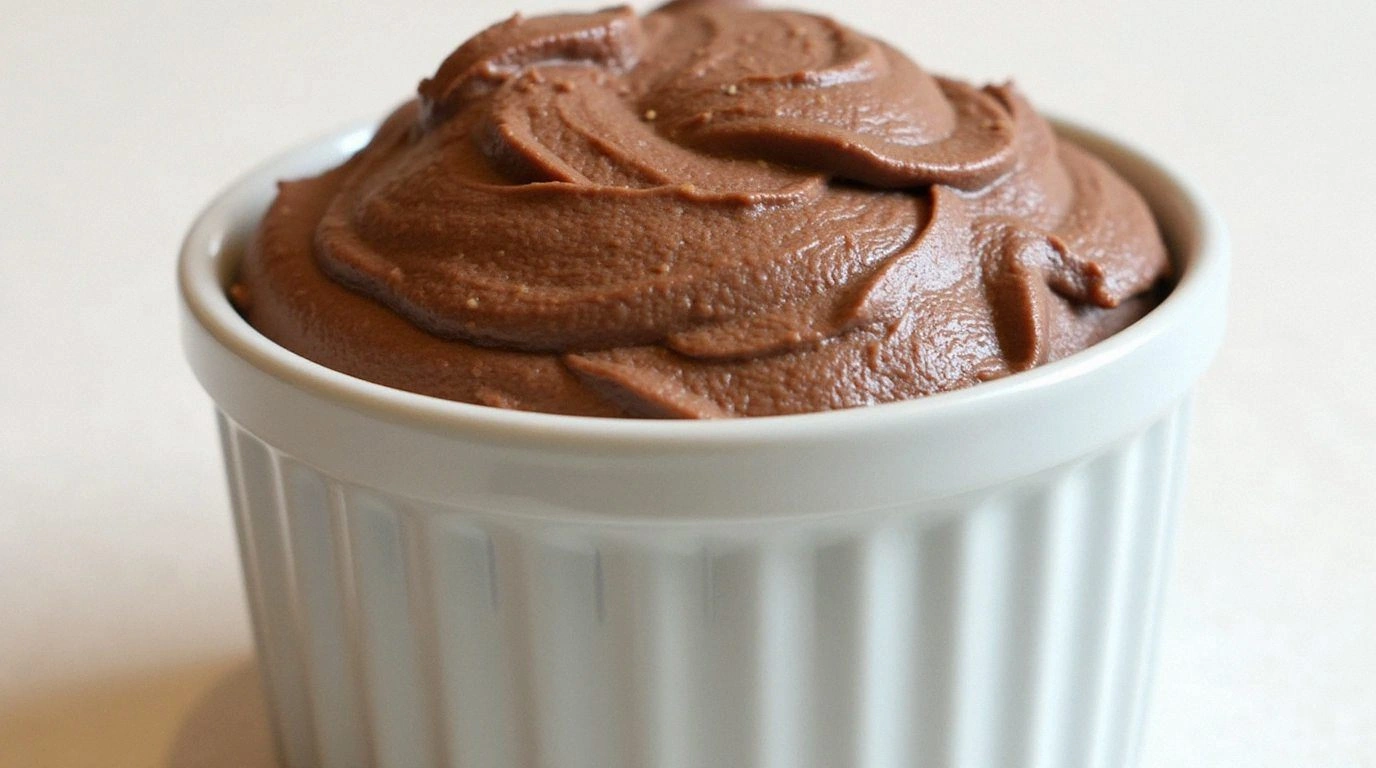
- With the avocado still in the blender, add the unsweetened cocoa powder and powdered sugar. Pulse a few times to combine, then gradually add the milk or plant milk in small increments—about one tablespoon at a time—while blending until you reach a smooth, glossy consistency. The goal is a frosting that coats the back of a spoon but doesn’t run off.
- Introduce the vanilla extract and a pinch of sea salt to the mixture. Blend again for a few seconds to evenly distribute the flavor. The salt is a game‑changer; it lifts the chocolate and balances the avocado’s natural earthiness.
- Optional: If you’re using maple syrup or honey for extra sweetness, add it now. Blend until fully incorporated. Taste the frosting; it should be sweet enough to satisfy but not overpowering. Adjust if needed by adding more powdered sugar or a dash of salt.
- Transfer the frosting to a bowl and cover it with plastic wrap. Let it rest in the refrigerator for at least 15 minutes. This chilling step allows the fats to set, giving the frosting a firmer, more stable structure that’s easier to pipe or spread.
- After chilling, give the frosting a quick stir to ensure even consistency. If it feels too thick, whisk in a splash of milk; if it’s too thin, sprinkle a little more powdered sugar. The frosting should be thick enough to hold its shape but still spreadable.
- Pipe the frosting onto cupcakes or cakes using a pastry bag fitted with a round tip. For a decorative finish, switch to a star tip and swirl the frosting into a rosette pattern. The frosting should lay smoothly, covering the surface without pooling.
- Once the frosting is applied, let it set at room temperature for 10–15 minutes to firm up before serving or storing. If you’re preparing ahead, cover the frosted cake with plastic wrap and refrigerate until ready to serve.
That's it — you did it. But hold on, I've got a few more tricks that'll take this to another level...
Insider Tricks for Flawless Results
The Temperature Rule Nobody Follows
Temperature is everything in frosting. The avocado should be at room temperature before blending; if it’s too cold, it won’t break down properly. Likewise, the milk should be warm, not cold, to help the fats emulsify. A quick trick is to run the milk under hot tap water for 30 seconds, then let it cool slightly before adding.
Why Your Nose Knows Best
Before you start, take a sniff of the cocoa powder. Fresh cocoa has a nutty, almost coffee‑like aroma. If it smells stale or musty, it’s time to buy a new bag. Your nose is the most reliable quality control tool you have in the kitchen.
The 5-Minute Rest That Changes Everything
After blending, let the frosting sit for five minutes before adding milk or sugar. This pause allows the fats to settle and the mixture to thicken naturally, making it easier to achieve the perfect consistency without over‑mixing.
Using a Thermometer for Precision
When you’re in the mood for perfection, use a food thermometer to check the frosting’s internal temperature. Aim for 45–50°C (113–122°F). This range ensures the frosting is creamy but not too runny, giving it that ideal spreadable texture.
Keeping It Fresh
Store the frosting in an airtight container in the refrigerator. It will keep for up to 48 hours. Before serving, let it sit at room temperature for 10 minutes and give it a quick stir to restore its silky texture.
Adding a Touch of Citrus
For a bright, unexpected twist, add a teaspoon of lemon zest or a splash of orange juice to the mix. The citrus will cut through the richness and add a refreshing note that pairs well with chocolate.
Creative Twists and Variations
This recipe is a playground. Here are some of my favorite ways to switch things up:
Nutty Crunch
Fold in a handful of toasted pecans or walnuts after the frosting has set. The crunch adds a delightful contrast to the silky texture and introduces a nutty flavor that complements the chocolate.
Spiced Delight
Add a pinch of cinnamon or nutmeg to the cocoa powder before blending. The warm spices give the frosting a comforting depth, perfect for fall gatherings.
Minty Fresh
Stir in a few drops of peppermint extract after the frosting is smooth. The mint pairs wonderfully with chocolate and gives the frosting a cooling finish.
Berry Bomb
Top the frosted cupcakes with fresh raspberries or strawberries. The tartness of the berries balances the richness of the chocolate avocado frosting, creating a symphony of flavors.
Salted Caramel Swirl
Swirl a salted caramel sauce into the frosting before piping. The caramel’s sweetness and the salt’s savory bite create an irresistible combination that elevates the dessert.
Almond Dream
Replace the vanilla extract with almond extract and sprinkle almond slivers on top. The almond flavor adds a subtle nutty undertone that pairs beautifully with the chocolate.
Storing and Bringing It Back to Life
Fridge Storage
Place the frosting in a sealed container and store it in the refrigerator for up to 48 hours. The cold environment helps maintain its creamy consistency and prevents the avocado from oxidizing.
Freezer Friendly
For longer storage, divide the frosting into portioned containers and freeze for up to 3 months. Thaw overnight in the refrigerator, then let it sit at room temperature for 15 minutes before using. A splash of milk will help restore its smoothness.
Best Reheating Method
When reheating, use a gentle microwave setting—30-second bursts—while stirring in between. Add a tiny splash of water or milk before reheating; it steams back to perfection and keeps the frosting from drying out.