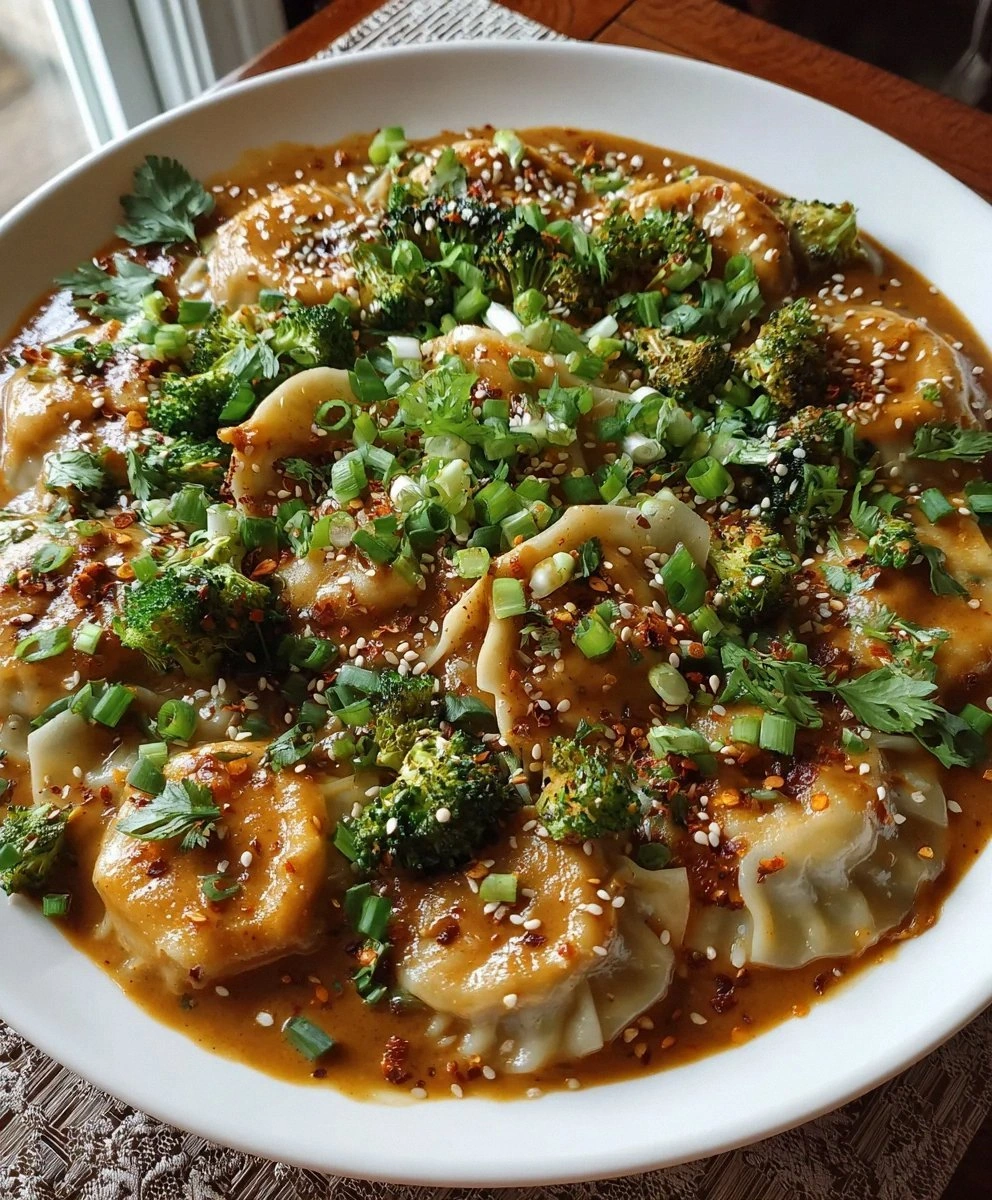
I still remember the day my grandmother's prized pierogi recipe met my modern-day laziness head-on. Picture this: it was a frigid Tuesday night, my Polish husband was working late, and I had promised him homemade pierogi for dinner. There I stood, flour dusting every surface, dough sticking to my countertops like industrial glue, and a toddler hanging off my leg demanding snacks every thirty seconds. The traditional method I grew up with—rolling, cutting, filling, pinching, boiling, then frying—felt like climbing Mount Everest in flip-flops. In that moment of culinary desperation, I grabbed a bag of frozen pierogi from the freezer, sliced up some kielbasa, threw everything in my crockpot with reckless abandon, and hoped for the best. What emerged four hours later wasn't just a shortcut—it was a revelation that made me question everything I thought I knew about comfort food.
The first bite transported me straight back to my grandmother's tiny kitchen, where she'd spend entire Saturdays crafting perfect little dumplings, each one a tiny work of art. But here's the kicker: my version tasted every bit as authentic, with half the work and twice the satisfaction. The pierogi had absorbed all the smoky, garlicky goodness from the kielbasa, while the sausage itself had become meltingly tender, releasing its paprika-laced oils into the rich, creamy sauce. My husband walked through the door, took one whiff, and his eyes went wide with recognition—that familiar combination of butter, onion, and potato that every Polish kid knows means home. I served him a heaping portion, fully expecting him to declare it good but not quite like his grandmother's. Instead, he went back for thirds and then asked if we could have it every week.
This isn't just another dump-and-stir crockpot recipe that tastes like disappointment and regret. I dare you to taste this and not go back for seconds—actually, seconds won't be enough. This dish has ruined restaurant pierogi for me forever. Those sad, rubbery dumplings swimming in flavorless water? A distant memory. What we're creating here is something altogether more magical: tender potato-filled pasta pillows that have soaked up every ounce of flavor from the kielbasa, onions caramelized to golden perfection, and a sauce so rich and creamy it should probably be illegal in several states. And the best part? You literally throw everything in the crockpot and walk away while it does all the heavy lifting.
Most recipes for pierogi casserole get this completely wrong. They either end up with mushy pasta that disintegrates into wallpaper paste, or they try to cook everything separately and combine at the end, which defeats the whole purpose of a one-pot meal. The secret lies in the layering technique and timing that I'm about to share—methods I discovered after burning through three bags of frozen pierogi and enough kielbasa to start my own Polish deli. Picture yourself pulling this out of the crockpot, the whole kitchen smelling like the best Polish restaurant you've ever visited, your family gathering around with that look of anticipation usually reserved for Christmas morning. Let me walk you through every single step—by the end, you'll wonder how you ever made it any other way.
What Makes This Version Stand Out
Taste Explosion: This isn't your typical bland casserole. The slow cooking process allows the kielbasa's smoky, garlicky flavors to permeate every single pierogi, while the onions slowly caramelize and create a naturally sweet counterpoint. The result is a complex flavor profile that tastes like someone spent hours building layers of flavor, when really you just dumped everything in and pressed a button.
Texture Perfection: Here's where most crockpot pierogi recipes fail spectacularly—they either turn to complete mush or stay oddly firm in the center. My method creates pierogi that are tender but still hold their shape, swimming in a sauce that's thick enough to coat them properly but not so heavy that it feels like eating liquid concrete. The kielbasa develops these crispy edges that shatter like thin ice, providing textural contrast that'll make your taste buds do a happy dance.
Stupidly Simple: I don't know about you, but after a long day, my brain can barely handle operating the TV remote, let alone orchestrating a multi-step cooking process. This recipe requires about fifteen minutes of actual work—that's it. Chop, dump, stir, walk away. Come back to a meal that tastes like you spent all day slaving over a hot stove. If you've ever struggled with traditional pierogi making, you're not alone—and I've got the fix.
Unexpected Ingredient Magic: Stay with me here—this is worth it. The secret ingredient that takes this from good to legendary is a single bay leaf and a splash of apple cider vinegar. The bay leaf adds this subtle earthiness that makes everything taste more complex, while the vinegar brightens all the rich flavors and makes them sing in harmony. Most recipes skip these additions, which is exactly why theirs taste flat and one-dimensional.
Crowd Reaction Guarantee: I brought this to a potluck last month, and I'm not exaggerating when I say people were literally licking their plates. One woman chased me down for the recipe, swearing it was better than her Polish grandmother's version—which, in Polish cooking circles, is basically like declaring war on her entire family history. This is hands down the best version you'll ever make at home, and yes, I will fight anyone who says otherwise.
Make-Ahead Champion: This dish gets BETTER as it sits. I make a double batch on Sunday, and by Wednesday it's transformed into this magical entity where all the flavors have married, divorced, and remarried in new and exciting combinations. It's the gift that keeps on giving, perfect for meal prep or feeding a crowd without breaking a sweat.
Inside the Ingredient List
The Flavor Base
Let's start with the foundation that makes everything else possible. The kielbasa isn't just there for protein—it's the flavor backbone that seasons the entire dish. I use Polska kielbasa, the real deal, not those sad supermarket impostors that taste like bologna in a fancy dress. When you brown the kielbasa first (yes, even in the crockpot version, this step matters), you're creating what chefs call the Maillard reaction—basically, you're turning boring meat into flavor fireworks. The fat that renders out carries all that smoky, garlicky goodness into every nook and cranny of the dish. Skip this step and you'll end up with pierogi that taste like they were boiled in disappointment.
The onions deserve their own paragraph because they're that crucial. I use yellow onions for their balance of sweetness and sharpness, sliced into half-moons that'll slowly caramelize over the long cooking time. They start out assertive and almost harsh, but as they cook, they transform into these golden, jammy ribbons of sweetness that make you understand why onion soup became a classic. Don't you dare use pre-chopped onions from a container—they've lost all their volatile compounds and will taste like crunchy water. Take the five minutes to slice them yourself, and the difference will smack you in the face in the best possible way.
The Texture Crew
Frozen pierogi are the unsung heroes of weeknight cooking, but not all frozen pierogi are created equal. I've tried every brand from the dollar store special to the artisanal ones that cost more than a small car payment. The sweet spot is in the middle—look for pierogi that feel substantial in the package, with visible potato filling when you hold them up to the light. They should feel like they have actual heft, not like you're holding a bag of air with promises. The potato and cheese variety works best here because they hold up to the long cooking time without turning into paste, plus the cheese adds this tangy note that plays beautifully against the smoky kielbasa.
Butter is non-negotiable, and I will die on this hill. Margarine is an abomination that tastes like someone tried to describe butter to an alien who'd never tasted it. I use European-style butter with higher fat content because it makes everything taste richer and more luxurious. The butter helps create a silky sauce that coats each pierogi like velvet, and when it mingles with the rendered kielbasa fat, something magical happens. It's like they have a beautiful baby that's somehow better than both parents combined.
The Unexpected Star
Chicken broth might seem boring, but it's the difference between a sauce that's thin and watery versus one that clings lovingly to every surface. I use low-sodium broth because the kielbasa brings plenty of salt to the party, and I want to control the seasoning myself. Warm the broth slightly before adding it—this prevents the crockpot from cooling down and extends the cooking time. The broth should be just warm enough that you can comfortably hold your finger in it for a few seconds without yanking it back like you've touched a hot stove.
Here's where things get interesting: a single bay leaf. I know, I know—everyone has bay leaves in their spice cabinet that have been there since the Clinton administration. But a fresh bay leaf (or at least one that's less than a year old) adds this subtle complexity that makes people ask "what's in this that tastes so amazing?" It's like adding a bass line to a song—you might not consciously notice it, but you'd definitely miss it if it wasn't there. The bay leaf slowly releases its essential oils during the long cooking process, creating layers of flavor that taste like someone spent hours building them.
The Final Flourish
Sour cream at the end is what transforms this from a good casserole into something that'll make you weep with joy. But here's the trick: temper it first by whisking it with a bit of the hot liquid before adding it to the crockpot. This prevents the sour cream from curdling and creating those unappetizing little white flecks that look like someone sneezed on your food. The sour cream adds tanginess that cuts through all the richness, plus it thickens the sauce to the perfect consistency. Greek yogurt works in a pinch, but it'll give you a slightly tangier flavor that might overpower the more subtle notes.
Fresh dill isn't just a garnish—it's the bright, herbal note that makes all the heavy, rich flavors snap to attention. Dried dill is about as useful as a chocolate teapot, so either use fresh or skip it entirely. Chop it roughly, not into a fine mince, because you want those little green flecks to be visible and provide bursts of fresh flavor. Add it right at the end so it stays vibrant and doesn't turn that sad gray color that makes food look like it's already been through someone else's digestive system.

The Method — Step by Step
- Brown the kielbasa first—this is non-negotiable. Heat a large skillet over medium-high heat and add the sliced kielbasa in a single layer. Don't crowd the pan or they'll steam instead of brown. Let them sit undisturbed for about 3 minutes until the bottoms develop a deep caramel color and your kitchen starts smelling like a Polish deli. Flip and repeat on the other side. That sizzle when it hits the pan? Absolute perfection. The rendered fat should be pooling in the pan, and the edges should look slightly crispy. Remove with a slotted spoon and set aside, but keep that gorgeous fat in the pan.
- Now we're going to work some onion magic. Reduce the heat to medium and add those sliced onions to the kielbasa fat. This is where the flavor foundation gets built. Stir them around to coat with the fat, then let them cook slowly, stirring occasionally. They'll go from sharp and white to golden and sweet over about 8 minutes. You want them softened but not completely broken down—they should still have some texture. The bottom of the pan will develop brown bits that look like they might be ruined, but those are pure flavor gold.
- Layering is everything in this dish. Start with a thin layer of onions on the bottom of your crockpot—this prevents sticking and creates a flavor bed. Add half the frozen pierogi in a single layer, breaking them up if they're stuck together. Don't thaw them first; they'll cook perfectly from frozen and absorb all the flavors. Scatter half the kielbasa over the pierogi, then repeat with another layer of onions, the remaining pierogi, and the rest of the kielbasa. Each layer should be relatively even, but perfection isn't necessary here.
- Create the liquid component that'll transform into sauce. In a measuring cup, whisk together the chicken broth, apple cider vinegar, and a generous pinch of black pepper. The vinegar might seem odd, but trust the process—it brightens all the rich flavors and prevents the dish from tasting heavy. Pour this mixture evenly over the layered ingredients. The liquid should come about halfway up the sides of the pierogi; add more broth if needed. Dot the top with butter pieces, distributing them evenly so they'll melt and create richness throughout.
- Set it and forget it, but not completely. Cover and cook on low for 4-5 hours or high for 2-3 hours. The timing depends on your specific crockpot—some run hot, some run cool. After 2 hours on low (or 1 hour on high), gently stir from the bottom to redistribute the sauce and ensure even cooking. The pierogi should be tender but not falling apart. If they seem too firm, continue cooking and check every 30 minutes. This is the moment of truth where you need to trust your instincts.
- The final transformation happens here. About 30 minutes before serving, it's time to create that luxurious sauce. In a small bowl, whisk together the sour cream with a few tablespoons of the hot liquid from the crockpot. This tempers the sour cream so it won't curdle when you add it to the hot dish. Stir this mixture into the crockpot, making sure to coat everything evenly. Add the bay leaf now if you haven't already—it needs time to release its oils but not so long that it becomes bitter.
- Let it rest and marry. Turn off the heat and let the dish stand for 10 minutes. I know you're tempted to dig in immediately—I'll be honest, I ate half the batch before anyone else got to try it—but this rest time is crucial. It allows the sauce to thicken slightly and the flavors to meld together in new and exciting ways. The pierogi will absorb just enough of the sauce to become incredibly flavorful while still maintaining their structure. Garnish with fresh dill right before serving so it stays vibrant and adds that fresh pop that makes all the rich flavors sing.
- Serve it up like you mean it. This is comfort food, not fine dining, so don't stress about perfect presentation. But do serve it hot—like, properly hot, not lukewarm like your office coffee that's been sitting on your desk all morning. The contrast between the hot, creamy pierogi and the cool, fresh dill is part of what makes this dish special. A simple green salad on the side provides a crisp counterpoint, but honestly, most nights we just eat it straight from the crockpot while standing around the kitchen island, sharing stories about our day.
That's it—you did it. But hold on, I've got a few more tricks that'll take this to another level...
Insider Tricks for Flawless Results
The Temperature Rule Nobody Follows
Here's something that'll change your crockpot game forever: temperature matters more than time. Every crockpot is different, and most recipes treat them like they're all identical robots churning out perfect food. Mine runs hot enough to boil water on low, while my mother's barely simmers. The trick is learning to read the signs. After the first hour, lift the lid and observe—there should be gentle bubbling around the edges, not a rolling boil. If it's going crazy, prop the lid open. If it's barely moving, crank it up. A friend tried skipping this step once—let's just say it didn't end well, and she served pierogi soup to her in-laws.
Why Your Nose Knows Best
Your sense of smell is your most reliable tool for knowing when this dish is done. About halfway through cooking, your kitchen should start smelling like the best Polish restaurant you've ever visited—that combination of butter, onion, and something deeply savory that makes your mouth water uncontrollably. If you walk into the house and don't immediately want to face-plant into the crockpot, something's off. Either your kielbasa is subpar (tragic but fixable next time) or your timing is wrong. This dish should announce itself from the moment you walk in the door, making family members appear like magic, drawn by the promise of comfort food done right.
The 5-Minute Rest That Changes Everything
I know I mentioned resting before, but this is so crucial it deserves its own section. When you turn off the crockpot, resist the urge to serve immediately. Those five extra minutes allow the sauce to thicken and the pierogi to absorb just enough liquid to become incredibly flavorful without turning to mush. It's like the difference between a good hug and a great hug—that extra moment makes all the difference. Cover the crockpot with a clean kitchen towel (not the lid) during this rest. The towel absorbs excess moisture that would otherwise drip back onto your food, keeping everything at the perfect consistency.
The Stirring Secret
When and how you stir this dish matters more than you'd think. Stir too early, and you break up the pierogi before they've set. Stir too late, and the bottom burns while the top stays underseasoned. The sweet spot is about two-thirds through the cooking time, when the pierogi have softened but still hold their shape. Use a gentle folding motion, bringing the bottom layers up and letting the top layers sink down. Think of it like you're tucking everything in for a cozy nap, not like you're churning butter. This ensures even cooking and prevents the heartbreaking discovery that half your pierogi have fused to the bottom like concrete.
The Fresh Factor
Fresh herbs at the end aren't just for pretty presentation—they're essential for brightening all the rich, heavy flavors. But here's what most people get wrong: they chop the dill too early and it turns into sad, wilted green flecks that look like they came from the bottom of your vegetable drawer. Chop the dill right before serving, and chop it roughly, not into a fine mince. Those bigger pieces provide bursts of fresh flavor and stay vibrant. If you must prep ahead, wrap chopped dill in a damp paper towel and store in the fridge, but honestly, chopping herbs takes like thirty seconds, and the difference is night and day.
Creative Twists and Variations
This recipe is a playground. Here are some of my favorite ways to switch things up:
The Spicy Polish Tex-Mex Fusion
Add a diced jalapeño to the onions while they cook, and swap the kielbasa for chorizo. Use pepper jack cheese pierogi if you can find them, or stick with potato and add a cup of shredded pepper jack at the end. The vinegar becomes lime juice, and garnish with cilantro instead of dill. It's like someone took your favorite Polish comfort food and your favorite Mexican comfort food and made them have a beautiful, spicy baby. My spice-loving husband requests this version when he's had a rough day and needs something that'll clear his sinuses and warm his soul.
The Mushroom Lover's Dream
Add a pound of sliced mushrooms to the pan after the kielbasa browns. Let them cook down until they're golden and have released all their liquid, then continue with the recipe as written. Use mushroom pierogi if available, or add a teaspoon of dried porcini powder to the broth. The mushrooms add this incredible umami depth that makes the dish taste like it cooked for hours in a forest cabin. My vegetarian friends love this version when I skip the kielbasa and use smoked paprika for that essential smokiness.
The Breakfast-for-Dinner Edition
Add two diced apples to the onion mixture (use tart ones like Granny Smith), and swap the kielbasa for breakfast sausage. Use potato pierogi but add a cup of sharp cheddar at the end. The sweet-savory combination tastes like the best diner breakfast you've ever had, but in casserole form. My kids go crazy for this version, and I love that it sneaks fruit into their dinner while they think they're just eating comfort food.
The Fancy-Pants Dinner Party Version
Use high-end kielbasa from a Polish deli, add a splash of white wine to the broth, and finish with crème fraîche instead of sour cream. Stir in some caramelized leeks and top with crispy shallots. Use fresh pierogi from a local Polish market if available, or make your own if you're feeling ambitious. This version will make your dinner guests think you spent all day cooking, when really you just used better ingredients and added a few fancy touches.
The Loaded Baked Potato Remix
Use potato and cheddar pierogi, add bacon bits to the layers, and finish with green onions and extra cheese on top. The sauce becomes loaded baked potato topping, and the whole thing tastes like someone turned your favorite steakhouse side dish into a main course. This is pure indulgence, no nutritional excuses, just pure comfort food that'll make you want to cancel your gym membership and embrace the cozy life.
The Mediterranean Mashup
Swap the kielbasa for Italian sausage, add sun-dried tomatoes and olives to the layers, and use Italian herbs instead of dill. The vinegar becomes red wine vinegar, and finish with fresh basil. It's like someone took pierogi on vacation to Italy and they came back with a tan and a new attitude. Surprisingly delicious and a great way to use up those random Mediterranean ingredients in your pantry.
Storing and Bringing It Back to Life
Fridge Storage
This casserole stores beautifully in the refrigerator for up to 4 days, but here's the key: let it cool completely before storing. Hot food in the fridge creates condensation that turns your perfectly cooked pierogi into soggy little dumplings of sadness. Transfer to airtight containers—glass works best because it doesn't absorb odors like plastic. Separate into individual portions if you're meal prepping, or keep it family-style if you'll finish it within a couple days. The sauce might thicken considerably in the fridge, but don't panic—we'll fix that during reheating.
Freezer Friendly
Yes, you can freeze this! But do it right: undercook the pierogi slightly (reduce cooking time by 30 minutes), cool completely, then freeze in portions. Use freezer-safe containers or bags, removing as much air as possible. Label with the date because frozen pierogi casserole looks suspiciously like everything else in your freezer. It'll keep for up to 3 months, though I dare you to leave it that long. Thaw overnight in the fridge for best results, though you can reheat from frozen in a pinch—just add extra liquid and time.
Best Reheating Method
Here's where most people go wrong: they nuke it until it's rubbery and the sauce breaks into an oily mess. Instead, add a splash of broth or milk to loosen the sauce, then reheat gently on the stovetop over medium-low heat, stirring occasionally. If using the microwave, add liquid, cover loosely, and heat at 50% power in 30-second bursts, stirring between each. The goal is to warm it through without overcooking the pierogi further. Add a fresh sprinkle of dill or green onions at the end to wake everything up and make it taste freshly made. A friend swears by adding a tiny bit of butter when reheating—"like giving it a little spa treatment," she says.