I still remember the day I ruined tomato soup for myself forever. Not ruined in the bad way — ruined in the way that once you taste this version, every other bowl will taste like cafeteria water. It was a Tuesday that felt like a Thursday, the kind of drizzly afternoon where your socks are slightly damp and your soul is slightly dampened. I had planned on opening a can of the red stuff, adding a splash of cream, and calling it comfort. Then my best friend texted me a dare: "Bet you can't make tomato soup that doesn't taste like it came from a can." Game on.
Three hours later, my kitchen looked like a crime scene. Tomato splatters on the ceiling, basil leaves stuck to my forehead, and the most incredible aroma curling through the house like it had somewhere important to be. I blended, I tasted, I added a pinch of this and a splash of that until I finally dipped my spoon into something that made me close my eyes and say words I can't print here. The first sip was like wrapping yourself in a cashmere blanket that's been hanging out by a fireplace. The second sip made me question every tomato-based decision I'd made in my life up to that point. By the third sip, I was already planning when I could make it again.
Here's what makes this soup different: we build flavor like we're constructing a tiny edible cathedral. Every ingredient has a job, every step has a purpose, and the result tastes like someone distilled the essence of late summer into a bowl. Most recipes rush through the tomato base, but we're going to coax every ounce of sweetness from those crushed beauties. We're going to bloom our garlic until it sings, we're going to marry our basil to cream in a way that would make Italian grandmothers weep with joy.
Stay with me here — this next part is worth it. Instead of just dumping everything in a pot and hoping for the best, we're going to layer flavors like a lasagna of liquid happiness. The result? A soup that's simultaneously bright and cozy, silky and chunky, familiar and completely surprising. Picture yourself pulling this off the stove, ladling it into your favorite bowl, and watching the cream swirl into crimson ribbons while the steam fogs up your glasses. Let me walk you through every single step — by the end, you'll wonder how you ever made it any other way.
What Makes This Version Stand Out
- Taste Explosion: This isn't your one-note tomato soup. We've got layers of sweet, acidic, herby, and creamy all doing a synchronized swimming routine on your palate. The tomatoes get roasted by the heat, the basil gets awakened by the warmth, and the cream ties everything together like a diplomatic mediator.
- Texture That Dreams Are Made Of: We're talking silk scarf smooth with just enough body to remind you this came from real vegetables, not a powder packet. When you swirl in that cream, it creates these gorgeous marbled patterns that look like edible art.
- Weeknight Simple, Weekend Impressive: From chopping to serving, we're talking 45 minutes max. But here's the kicker — it tastes like you spent all day nursing it on the stove. Your dinner guests will think you're hiding a culinary degree in your back pocket.
- The Basil Situation: Most recipes murder the basil with heat. We're adding it at the very end so it stays bright and punchy, like it just got back from a spa day. The difference between cooked-to-death basil and gently warmed basil is the difference between flat soda and champagne.
- Cream Without the Glug: Instead of just dumping in heavy cream and calling it a day, we're going to temper it and add it off-heat. This prevents that weird grainy texture you sometimes get and keeps everything smooth as a jazz saxophone solo.
- Make-Ahead Magic: This soup gets BETTER overnight. The flavors throw a party in your fridge and emerge as best friends. Make a double batch on Sunday, and you've got lunch that'll make your coworkers jealous all week.
Alright, let's break down exactly what goes into this masterpiece...
Inside the Ingredient List
The Flavor Base
Extra virgin olive oil isn't just a cooking fat here — it's the opening act that sets the stage for everything else. When it hits that hot pot, it starts whispering to the onions about all the good things to come. I prefer a robust, peppery olive oil because it stands up to the tomatoes instead of disappearing like a wallflower at prom. The onions are your sweetness counterbalance, and here's the thing: if you rush them, the whole soup tastes flat. Give them a full eight minutes to go translucent and start turning golden at the edges. That's when they release their natural sugars and create the sweet foundation that makes the tomatoes sing rather than scream.
Fresh garlic is non-negotiable. The jarred stuff tastes like disappointment and regret. When you mince it yourself, those aromatic compounds are at their peak, ready to infuse the oil with their magic. And here's a confession: I use three cloves instead of two when nobody's looking. The garlic should sizzle for just 30 seconds — long enough to lose its raw bite but short enough to keep it from turning bitter. If your kitchen doesn't smell like you should be wearing a beret and speaking Italian by now, you're doing it right.
The Tomato Dream Team
San Marzano tomatoes are the Beyoncé of the tomato world — they just do everything better. These Italian beauties are naturally sweeter and less acidic than their canned cousins, which means we don't have to add buckets of sugar to make them palatable. When you're standing in the grocery aisle debating between the $2 can and the $4 can, remember that this soup serves four people. That's fifty cents per person for tomatoes that actually taste like summer instead of battery acid. If you absolutely can't find them, look for any DOP-certified Italian tomatoes, but please promise me you'll avoid the ones that look suspiciously like tomato puree with water on top.
The vegetable broth is like the supporting actor who makes the star look good. Use homemade if you've got it — those ice cubes of stock you keep meaning to use? This is their moment to shine. If you're going store-bought, splurge on the good stuff that's actually made from vegetables, not just salt water with a vegetable photo on the label. Low-sodium is crucial because we're going to reduce this soup, and concentrated salt tastes about as pleasant as a mouthful of seawater.
The Creamy Game-Changers
Heavy cream is where we separate the adults from the children. Yes, you could use half-and-half, but then you'd have half-and-half the flavor. The fat content in heavy cream — we're talking 36-40% — is what allows it to blend seamlessly without curdling when it hits the hot soup. If you're dairy-free, full-fat coconut cream works, but it will add a tropical note that makes this taste like vacation in a bowl. I've also had success with cashew cream for a more neutral flavor that still delivers that lush mouthfeel.
Fresh basil is the diva who arrives fashionably late to the party. Dried basil tastes like dusty library books compared to the bright, peppery punch of fresh leaves. We're using two waves of basil here — chopped into the soup at the very end, and whole leaves for garnish so you get that burst of freshness with every spoonful. If you only have dried basil, make something else. Seriously. This is not the recipe to compromise on.
The Seasoning Secret Weapons
Sugar might seem weird in tomato soup, but here's the science: tomatoes are naturally acidic, and a small amount of sugar doesn't make the soup sweet — it just rounds off the harsh edges like sandpaper on rough wood. I'm talking a measly teaspoon, not a carnival funnel cake. If you skip it, your soup will have that mouth-puckering quality that makes people reach for extra cream to compensate. Oregano adds that classic Italian herb note that makes this taste like nonna's been in your kitchen, but too much and suddenly you're eating pizza sauce.
Salt and pepper are your final tuning knobs. Add them at the end because as the soup reduces, the flavors concentrate, and what tasted perfectly seasoned at minute 15 might taste like a salt lick at minute 30. Start conservative and adjust at the end. Your future self — and your blood pressure — will thank you.
Everything's prepped? Good. Let's get into the real action...
The Method — Step by Step
- Heat your olive oil in a heavy-bottomed pot over medium heat until it shimmers like a mirage on hot pavement. You want it hot enough that when you add the onions, they sizzle enthusiastically but don't immediately brown. If your oil starts smoking, you've gone too far — pull it off the heat and let it cool for a minute. The oil should coat the bottom of the pan like liquid gold, ready to transform your raw ingredients into something magical. This is where patience begins — if you rush the oil heating, everything else tastes slightly off, like a symphony where the first violin is out of tune.
- Add your chopped onions and stir to coat them in the oil. Now here's where most people mess up — they crank the heat to speed things along. Don't. Medium heat allows the onions to release their moisture slowly, which means they caramelize instead of burning. Stir every minute or so, and watch as they go from opaque to translucent to that gorgeous pale golden color. When they start to smell sweet and look like they're melting rather than frying, you're there. This takes about 8-10 minutes, which is the perfect time to prep your garlic and open your tomatoes.
- Clear a small space in the center of the pot and add your minced garlic. Let it sit for 20 seconds — no more — before stirring it into the onions. You want it to hit the hot oil directly so it can bloom and release those aromatic compounds, but stirring too early makes it steam instead of sizzle. The smell should hit you immediately, making you wonder why you don't cook with garlic every single day. If your onions start turning dark brown, your heat is too high. Turn it down and keep stirring — we're building flavor, not creating charcoal.
- Pour in your crushed tomatoes and watch them sizzle as they hit the hot aromatics. Use your wooden spoon to scrape up any fond — those brown bits stuck to the bottom — because that's pure flavor concentrate. The tomatoes should start bubbling within 30 seconds, and you'll see them change from bright red to a deeper, more sophisticated crimson. This is the moment when your kitchen starts smelling like an Italian restaurant that doesn't have a children's menu. Stir constantly for 2 minutes, letting the tomatoes caramelize slightly and develop that rich, cooked-tomato flavor.
- Add your vegetable broth, sugar, oregano, and a pinch each of salt and pepper. The soup should immediately thin out and look like, well, soup. Bring it to a gentle simmer — you want lazy bubbles, not a rolling boil that splatters your backsplash. Reduce the heat to low and let it bubble away for 20 minutes, stirring occasionally. This is when the magic happens: the flavors marry, the tomatoes sweeten, and your house starts smelling so good that neighbors might accidentally drop by.
- After 20 minutes, turn off the heat and let the soup rest for 5 minutes. This isn't just being fancy — letting it cool slightly prevents the cream from curdling when we add it. While you wait, chop your fresh basil and measure out your cream. The soup should be thick enough to coat the back of a spoon, but still pourable. If it's too thick, add a splash more broth. Too thin? Let it simmer for another 5 minutes.
- Here's where we get fancy: temper the cream by whisking a ladleful of hot soup into it. This gradually warms the cream so it doesn't seize up when it hits the hot pot. Pour the tempered cream back into the soup and stir gently. You'll see it swirl and marble before incorporating completely, creating these gorgeous patterns that make you want to photograph your dinner. Return the pot to low heat for just 2 minutes — we're warming the cream, not boiling it.
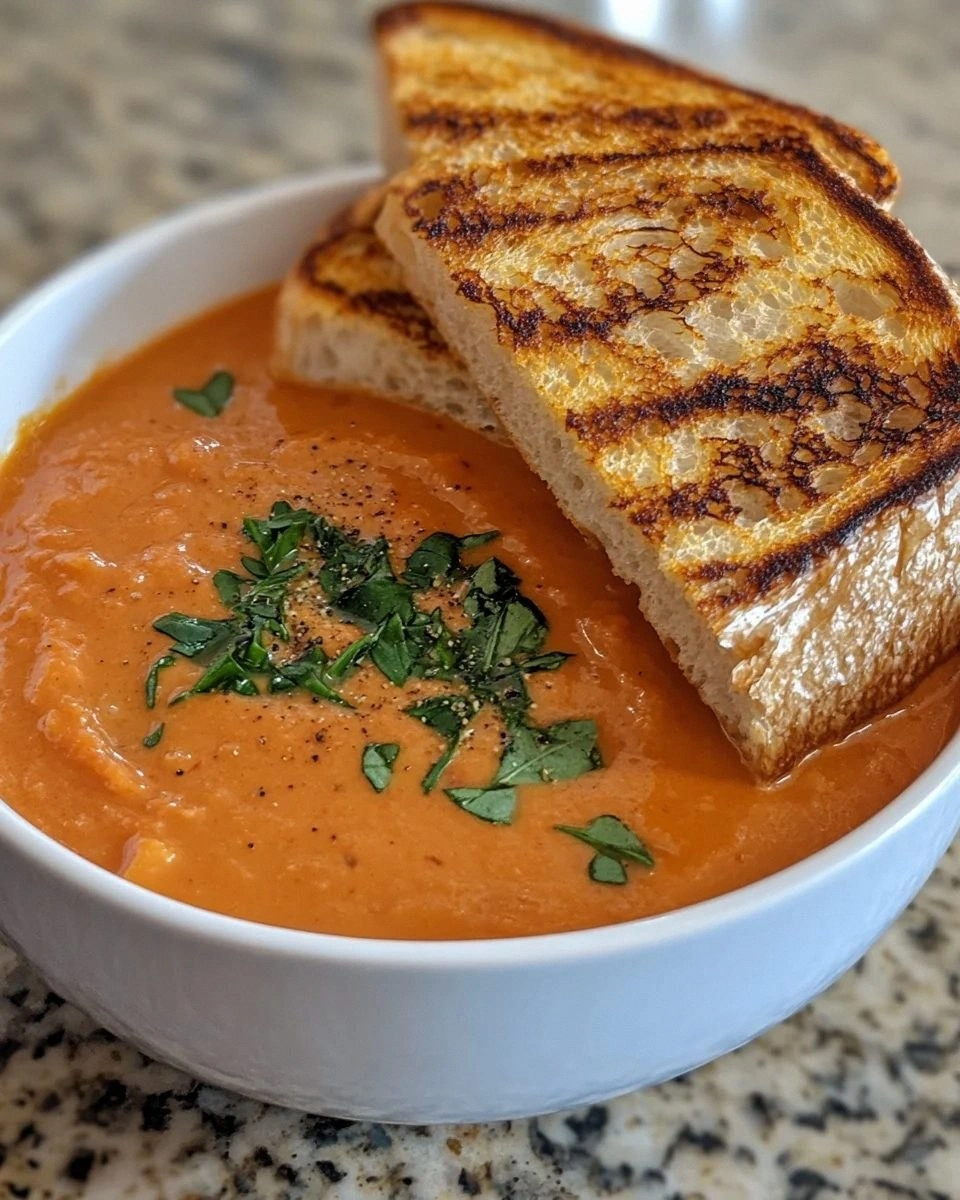
- Stir in your chopped basil and taste for seasoning. This is your moment of truth — add more salt if it tastes flat, more pepper if it needs bite, more sugar if it's too sharp. The basil should stay bright green and almost crunchy, a beautiful contrast to the smooth soup. Ladle into warm bowls and garnish with whole basil leaves. The heat from the soup will wilt the garnish leaves just enough to release their aroma without turning them that sad army green.
That's it — you did it. But hold on, I've got a few more tricks that'll take this to another level...
Insider Tricks for Flawless Results
The Temperature Rule Nobody Follows
Serve this soup hot, but not piping hot — around 160°F is the sweet spot where flavors sing but don't scorch your tongue into oblivion. If you've ever wondered why restaurant soup tastes better, it's partly because they serve it at the perfect temperature where your taste buds can actually function. Too hot and you can't taste anything for three days. Too cool and it tastes like leftover sadness. I keep a cheap kitchen thermometer by the stove and check before serving. Your tongue will thank you, and you'll actually taste all those layers we worked so hard to build.
Why Your Nose Knows Best
Here's something wild: smell your soup right before serving. If all you smell is tomatoes, let it sit for 2 more minutes with the lid off so the basil can volatilize. When you get that perfect balance of tomato sweetness and basil brightness hitting your nose simultaneously, you're ready to serve. I learned this from a chef who claimed he could fix any dish blindfolded just by smelling it. Your nose is actually detecting volatile compounds that indicate flavor balance. If something smells off, it will taste off — trust your ancient evolutionary equipment.
The 5-Minute Rest That Changes Everything
After you add the basil, let the soup sit for exactly 5 minutes before serving. This isn't just chef theatrics — during this rest, the basil releases its essential oils into the hot liquid, but doesn't overcook. It's like a brief steep that infuses the whole pot with that fresh herb flavor. Cover the pot during this rest so the volatile oils don't escape into your kitchen exhaust fan. When you return, lift the lid and get hit with that wave of tomato-basil perfume that makes you understand why people write poetry about food.
The Blender Situation
If you want restaurant-smooth texture, blend half the soup and return it to the pot. But here's the key: blend it for a full 2 minutes, not just until it's smooth. This breaks down the tomato seeds and skin that can make soup taste bitter. Use an immersion blender if you've got one — transferring hot soup to a blender is how people end up with tomato soup on their ceiling. If you do use a regular blender, remove the center cap and cover with a towel so steam can escape. Otherwise you'll have a soup explosion that looks like a crime scene.
The Cheese Factor
Add a parmesan rind while the soup simmers, then fish it out before serving. This adds an incredible depth that makes people ask "what's that amazing flavor?" just before they lick their bowls clean. Save your rinds in the freezer specifically for this purpose. If you don't have one, stir in 2 tablespoons of grated parmesan at the very end. But go easy — too much cheese and suddenly you're eating tomato alfredo soup, which is a completely different thing and not what we're after here.
Creative Twists and Variations
This recipe is a playground. Here are some of my favorite ways to switch things up:
Roasted Red Pepper Remix
Replace half the tomatoes with a jar of roasted red peppers, drained and chopped. The smokiness adds a whole new dimension that makes this taste like you grilled it over charcoal. Blend the peppers with the tomatoes for a gorgeous coral color that looks like sunset in a bowl. Top with crispy prosciutto crumbles if you're feeling fancy, or keep it vegetarian with smoked paprika sprinkled on top.
Spicy Arrabbiata Style
Add a pinch of red pepper flakes with the garlic and swap the oregano for fresh thyme. Finish with a swirl of chili oil and watch people's eyes light up when they taste the heat. This version is perfect for those days when you need soup but also need to clear your sinuses. The cream cools the initial burn, but the warmth builds slowly and lingers pleasantly instead of assaulting your taste buds.
Summer Garden Version
Use fresh tomatoes instead of canned — about 2 pounds of ripe ones, chopped and simmered for 10 minutes longer. Add a handful of fresh spinach at the end for extra nutrients and that gorgeous color contrast. This version tastes like you bottled July and saved it for a rainy day. The fresh tomatoes make it lighter and brighter, perfect for when you want comfort food that doesn't weigh you down.
Coconut Curry Fusion
Replace the heavy cream with coconut milk and add a teaspoon of yellow curry paste with the garlic. Finish with cilantro instead of basil and a squeeze of lime. Suddenly your Italian soup has gone Thai, and it's absolutely incredible. The curry adds warmth without overwhelming the tomato, and the coconut makes it vegan-friendly while keeping that luxurious texture.
Loaded Baked Potato Style
Add diced potatoes during the last 10 minutes of simmering, then top each bowl with sharp cheddar, crispy bacon, and green onions. It sounds weird until you taste it — suddenly you've got loaded baked potato soup meets tomato soup in the best possible way. This is the version that makes teenagers actually request soup for dinner instead of rolling their eyes.
Fire-Roasted Luxury
Use fire-roasted canned tomatoes and add a splash of sherry when you add the broth. The smoky depth from the fire-roasting combined with the nuttiness of sherry makes this taste like something from a fancy restaurant. Finish with a drizzle of good olive oil and some homemade croutons, and you've got dinner party material without the dinner party stress.
Storing and Bringing It Back to Life
Fridge Storage
This soup keeps beautifully for up to 5 days in the fridge, but here's the key: store it in the widest, shallowest container you have. The more surface area, the faster it cools, which means it spends less time in the temperature danger zone. Once it's completely cool, transfer to airtight containers. I like glass mason jars because they don't absorb tomato stains or odors, plus they make you look like you have your life together when people open your fridge.
When you reheat, add a splash of water or broth because the soup will thicken as it sits. Heat gently over medium-low, stirring frequently, until it just starts to steam. Don't boil it again or the cream might break and get that grainy texture. If it does break, whisk vigorously while heating — sometimes you can bring it back together like nothing happened.
Freezer Friendly
Here's where it gets tricky: the cream doesn't love the freezer. If you plan to freeze portions, make the soup without the cream and basil, then add those when you reheat. Freeze in individual portions so you can pull out exactly what you need without thawing a whole batch. Use freezer bags laid flat — they stack like books and thaw much faster than blocks in plastic containers.
Frozen soup keeps for 3 months, but let's be honest — it's so good it won't last that long. Thaw overnight in the fridge, then reheat gently with the cream and fresh basil. If you're in a hurry, you can thaw it in a bowl of cold water, changing the water every 30 minutes. Never use hot water or you'll start cooking the outside while the inside stays frozen solid.
Best Reheating Method
Skip the microwave if you can — it heats unevenly and can make the cream separate. Instead, use a small saucepan over medium-low heat, stirring frequently. Add a splash of water or broth to loosen it up, and stop heating as soon as it starts to steam. If you're in an office situation, microwave at 50% power in 30-second bursts, stirring between each burst. It takes longer but prevents the dreaded cream separation that makes your soup look like it has cottage cheese in it.
For an extra fresh touch, add a few new basil leaves when you reheat. The original basil will have mellowed, so this brightens everything back up. A tiny drizzle of good olive oil right before serving makes it taste like you just made it from scratch instead of resurrecting leftovers.