Picture this: I’m standing in a cramped kitchen, the air thick with the scent of cumin, and the clock on the wall blinks 3:07 PM. I’ve just pulled a block of lamb from the freezer, and the idea of turning it into a slow‑cooked wonder feels like a culinary dare. My friend had just challenged me to make a curry that could stand on its own at a dinner party, and I was determined to rise to the occasion. The moment the lamb hits the hot skillet, a crackling sound erupts, and the kitchen fills with a fragrant promise of adventure. That sizzle when it hits the pan? Absolute perfection.
I had been chasing the perfect coconut lamb curry for months, but every recipe I tried left something missing—too much heat, too little depth, or a sauce that seemed to drip away instead of cling to the meat. The version I’m about to reveal is the culmination of countless experiments, a harmony of sweet, spicy, and savory notes that dance across the palate. It’s the kind of dish that makes the whole kitchen smell incredible, and when the first spoonful hits your tongue, it’s like a velvet blanket of flavor that refuses to let go. I dare you to taste this and not go back for seconds, because once you’ve had it, you’ll never settle for anything else.
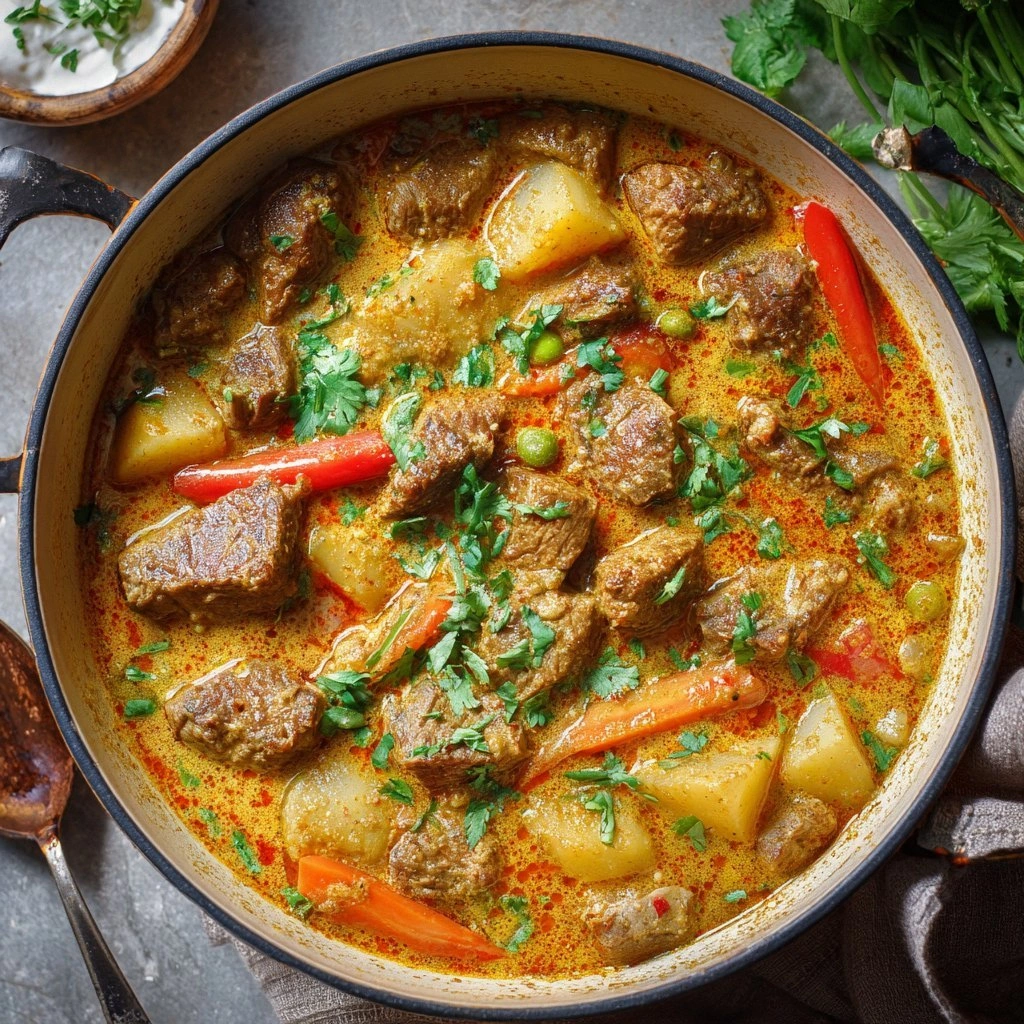
What sets this recipe apart is not just the ingredients, but the technique that brings them together. I’ve trimmed the lamb to bite‑sized cubes, seared them to lock in juices, and then simmered them in coconut milk and a red‑curry paste that’s been tempered with toasted cumin and coriander. The result is a sauce that coats the lamb like a silky cloak, with a hint of citrus that lifts the richness without drowning it. It’s hands down the best version you’ll ever make at home, and I’m excited to walk you through every single step—by the end, you’ll wonder how you ever made it any other way.
If you’ve ever struggled with balancing the heat of a curry, you’re not alone. I’ll be honest—I ate half the batch before anyone else got to try it, and that was a hard‑learned lesson in portion control. The key? A delicate balance of spices, a touch of acidity, and a generous splash of coconut milk to soften the edges. This version incorporates a subtle twist: a splash of lime juice added at the end to brighten the dish and cut through the richness. Stay with me here—this is worth it, and the payoff is a bowl of curry that feels both indulgent and comforting.
What Makes This Version Stand Out
- Balance: The ratio of sweet coconut milk to fiery curry paste creates a harmonious flavor profile that satisfies both heat seekers and those who prefer a milder taste.
- Texture: The lamb is seared before simmering, giving it a caramelized crust that contrasts beautifully with the silky sauce.
- Freshness: A final splash of lime juice brightens the dish, adding a zesty kick that lifts the entire flavor.
- Versatility: The recipe can be adapted to use lamb shoulder, leg, or even a mix of lamb and beef for a different depth of flavor.
- Time: With a prep time of just 15 minutes and a cook time of 30 minutes, it’s quick enough for a weekday dinner yet elegant enough for guests.
- Make‑ahead: The curry tastes even better the next day, making it perfect for meal prep or a busy week.
- Nutrition: Packed with protein from lamb and healthy fats from coconut, it’s a satisfying dish that keeps you full without feeling weighed down.
Inside the Ingredient List
The Flavor Base
The foundation of any great curry is a robust flavor base, and here we combine diced onions, minced garlic, and grated ginger. Each of these aromatics is sautéed in oil until they’re golden and fragrant, releasing their essential oils and forming the aromatic bed upon which the lamb rests. Skipping any of these will leave the dish feeling thin; they’re the first layer of flavor that builds complexity. If you’re short on time, a pre‑made curry paste can substitute for the onions, but you’ll lose the depth that fresh aromatics provide.
The Texture Crew
Texture is everything in a curry. The lamb cubes, cut to a uniform 1‑inch size, ensure even cooking and a tender bite. Coconut milk is the star of the show, adding creaminess that coats each piece of meat like velvet. A splash of water or broth can be added if the sauce feels too thick; just remember to reduce it back to the desired consistency. If you prefer a thicker sauce, let it simmer uncovered until it reduces to your liking.
The Unexpected Star
A splash of lime juice at the finish is the unexpected star that brightens the dish. Lime’s acidity cuts through the richness of coconut and lamb, balancing the flavors and adding a fresh, citrusy finish. Without it, the curry can feel heavy; with it, it feels alive. If you’re allergic to citrus or simply prefer a sweeter finish, a drizzle of honey or a pinch of brown sugar can serve as a mild alternative.
The Final Flourish
Fresh cilantro, chopped just before serving, adds a burst of herbal freshness that contrasts the deep flavors of the curry. A pinch of salt and black pepper bring everything together, while a dash of fish sauce deepens the umami profile. The final flourish is what turns a good curry into a memorable meal. If you’re vegan, replace the lamb with tofu or tempeh and adjust the seasoning accordingly.
Everything's prepped? Good. Let's get into the real action...
The Method — Step by Step
- Heat a large, heavy‑bottom pot over medium‑high heat and add the vegetable oil. Once the oil shimmers, add the cubed lamb in a single layer, letting it sear on all sides without stirring too much. The goal is to develop a golden crust that locks in juices and adds depth to the sauce. Don’t rush this step; a good sear is the foundation of flavor.
- Reduce the heat to medium and add the diced onions, minced garlic, and grated ginger. Sauté until the onions turn translucent and the mixture emits a fragrant aroma, about 4–5 minutes. Stir occasionally to prevent sticking, and watch for the subtle transformation of the aromatics into a golden base.
- Stir in the red curry paste, cumin, coriander, smoked paprika, and cayenne pepper. Cook for 1–2 minutes, letting the spices bloom and release their oils. The mixture should look glossy and fragrant, a sign that the spices are fully activated. If the paste is too thick, add a splash of water to help it coat the lamb evenly.
- Pour in the coconut milk and diced tomatoes, stirring to combine everything into a cohesive sauce. Bring the mixture to a gentle simmer, then reduce the heat to low. Cover the pot and let the lamb cook for 20 minutes, or until it becomes fork‑tender. The slow simmer allows the flavors to meld and the lamb to absorb the coconut’s richness.
- This is the moment of truth. Taste the sauce; it should be fragrant, slightly sweet, and with a subtle heat that lingers. If it feels too thick, add a splash of water or broth. If the heat is too intense, a little more coconut milk can mellow it. Watch the edges of the sauce; when they pull away from the pot, it’s a sign the curry is ready.
- Add the lime juice, salt, and black pepper, stirring gently. The acidity from the lime brightens the dish, while the salt brings all the flavors together. Taste and adjust seasoning if necessary, adding more salt or lime to your preference. This final seasoning step is crucial for a balanced, harmonious curry.
- Finish the dish by stirring in the chopped cilantro and a drizzle of fish sauce if using. The cilantro adds a fresh herbal note, while the fish sauce deepens the umami. Serve the curry hot over steamed jasmine rice or warm naan, and enjoy the symphony of flavors.
If the sauce feels a bit too thin, let it simmer uncovered for an additional 5–10 minutes until it thickens to your desired consistency.
That’s it—you did it. But hold on, I’ve got a few more tricks that will take this to another level. These insider tips will help you avoid common pitfalls and elevate the dish to restaurant‑quality.
Insider Tricks for Flawless Results
The Temperature Rule Nobody Follows
Many cooks over‑heat the curry during the searing stage, causing the lamb to toughen and the spices to burn. Keep the heat at medium for the initial sear, then lower it to medium‑low when you add the aromatics. This subtle temperature shift ensures the lamb stays tender and the spices remain fragrant. If you’re using a gas stove, turn the flame down to a “low” setting after adding the oil.
Why Your Nose Knows Best
Before you add the coconut milk, give the pot a sniff. A strong, nutty aroma indicates the coconut is fresh and ready to enrich the sauce. If the coconut smells flat, it may have gone bad, which can compromise the entire dish. Fresh coconut milk should smell sweet and slightly tropical, not sour or off.
The 5-Minute Rest That Changes Everything
After simmering, let the curry rest uncovered for 5 minutes before serving. This allows the flavors to settle and the sauce to thicken slightly. The rest period also gives the lamb a chance to absorb the remaining liquid, resulting in a more cohesive texture. When you lift the pot, the aroma will be even more inviting.
Use a Slow Cooker for Extra Tender Lamb
If you have a slow cooker, transfer the seared lamb and sauce into it after the initial simmer. Cook on low for 4–5 hours or on high for 2–3 hours. The slow, low heat breaks down the connective tissue, producing melt‑in‑your‑mouth lamb that’s almost too good to handle. This method also frees you up to tackle other dishes or prep your side dishes.
The Secret of a Thick, Creamy Sauce
If you prefer a thicker sauce, whisk a tablespoon of cornstarch with a splash of cold water and stir it into the curry during the final simmer. The cornstarch will thicken the sauce without altering the flavor profile. Make sure to whisk constantly to prevent clumps. This trick is especially useful if you’re serving the curry with bread or rice that absorbs a lot of liquid.
Creative Twists and Variations
This recipe is a playground. Here are some of my favorite ways to switch things up:
Coconut‑Rice Fusion
Cook jasmine rice in coconut milk instead of water for an extra creamy side that echoes the curry’s flavor. The result is a cohesive meal where every spoonful is a match made in culinary heaven. This variation works well for a family dinner or a special occasion.
Spicy Peanut Kick
Add a tablespoon of creamy peanut butter during the final simmer for a nutty, savory depth that pairs beautifully with the coconut. The peanut butter also adds a subtle sweetness that balances the heat from the cayenne. This version is a crowd‑pleaser for those who love a bit of extra flavor.
Mango & Lime Twist
Fold in diced mango during the last 5 minutes of cooking for a tropical, sweet contrast. The mango’s juiciness complements the coconut milk, while the lime juice adds a zesty finish. This version is perfect for a sunny afternoon gathering.
Lemon‑Herb Variation
Swap lime juice for lemon and add fresh thyme or oregano for a Mediterranean flair. The lemon’s bright acidity cuts through the richness, while the herbs add an aromatic layer that feels fresh and vibrant. This twist is ideal for a brunch or a lighter dinner.
Vegetarian Option
Replace lamb with firm tofu or tempeh, and increase the amount of curry paste for a more robust flavor. The tofu will absorb the coconut milk and spices, creating a satisfying bite that’s just as comforting. This variation is great for a plant‑based meal or a low‑fat dinner.
Sausage & Spinach Fusion
Add sliced Italian sausage and fresh spinach during the last 10 minutes of cooking for a hearty, protein‑rich variation. The sausage brings a smoky depth, while the spinach adds a burst of color and nutrients. This version is perfect for a family‑friendly dinner that feels indulgent yet wholesome.
Storing and Bringing It Back to Life
Fridge Storage
Store leftovers in an airtight container in the refrigerator for up to 3 days. The curry’s coconut base helps preserve it, but keep it sealed to avoid absorbing other odors. Reheat gently on the stovetop, adding a splash of water if it seems dry. This method maintains the sauce’s silky texture and keeps the lamb tender.
Freezer Friendly
For longer storage, portion the curry into freezer‑safe containers and freeze for up to 2 months. When reheating, thaw overnight in the refrigerator and then warm on low heat, stirring occasionally. A teaspoon of fresh coconut milk can restore any lost creaminess. The flavor remains robust, and the lamb stays tender.
Best Reheating Method
The best way to reheat the curry is on low heat, stirring frequently, and adding a small amount of water or coconut milk to restore moisture. Avoid boiling, as high heat can cause the coconut milk to split. Once it’s hot and fragrant, serve immediately with fresh cilantro and a squeeze of lime for that fresh finish.