Picture this: it’s a rainy Tuesday night, the fridge door squeaks open, and you’re staring at a lonely mango that looks more like a sad, orange pillow than a culinary hero. I was about to toss it into a fruit bowl when a sudden craving for something bright, sweet, and just a little bit daring hit me like a bolt of lightning. I grabbed the chicken, the pantry staples, and a reckless amount of optimism, and set out to prove that a weeknight dinner can feel like a five‑star takeover. The result? A dish that makes the kitchen smell like a tropical market and the taste buds do a happy dance.
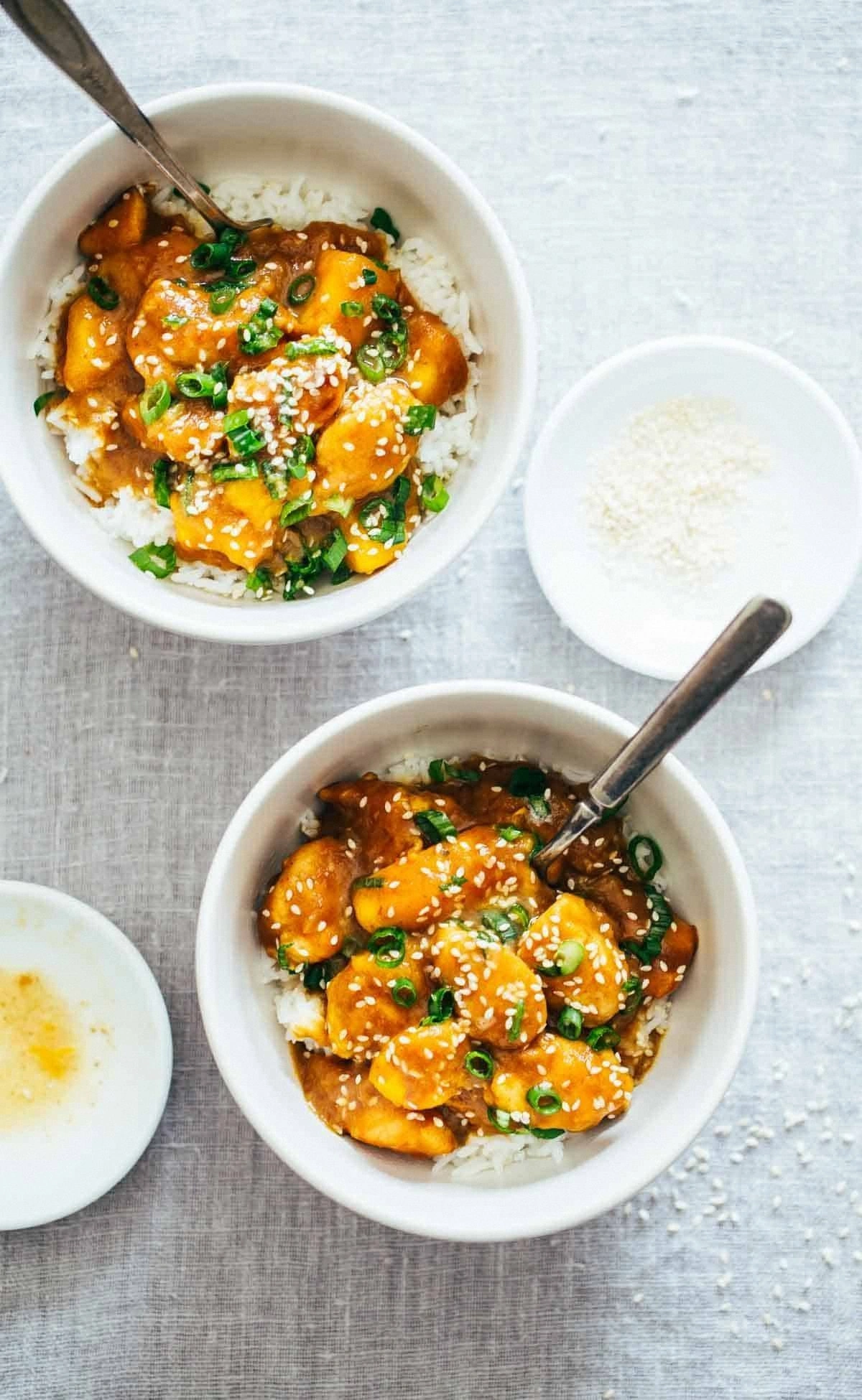
Let me paint the scene: the sizzling sound of chicken hitting a hot pan is a drumbeat that says “we’re about to create magic.” The mango pieces, when they hit the sauce, turn a glossy amber, releasing a perfume that’s part citrus, part sweet‑heat, and entirely unforgettable. The sesame seeds crackle like tiny fireworks, and the green onions add that fresh, almost peppery snap that makes each bite a layered experience. You’ll hear the faint pop of oil as it fries, feel the heat radiating from the stovetop, and see the sauce coat the chicken and fruit like a silk shawl. That’s not hype; that’s the reality of this 30‑Minute Sesame Mango Chicken.
Most recipes out there try to shoe‑horn sweet fruit into a savory chicken dish and end up with a soggy mess or a flavor clash that feels like a bad blind date. Not this one. I’ve spent countless evenings tweaking the balance of soy, sesame, and mango until the sauce hits that perfect sweet‑salty‑umami chord that makes you want to lick the spoon clean. The secret? A splash of rice vinegar that brightens the whole thing, and a quick flash‑cook of the mango so it stays firm yet tender. It’s a dance of textures—crisp edges on the chicken, juicy mango bursts, and a silky glaze that clings like a second skin.
And here’s the kicker: the technique is so straightforward that even if you’ve burned toast more times than you’d like to admit, you’ll nail this on the first go. No fancy equipment, no exotic spices you can’t find at the local grocery store—just pantry heroes and a mango that’s begging to be turned into something spectacular. I dare you to taste this and not go back for seconds. Let me walk you through every single step — by the end, you’ll wonder how you ever made it any other way.
What Makes This Version Stand Out
- Flavor Fusion: The marriage of soy‑sesame umami with tropical mango sweetness creates a taste that feels both familiar and exotic, hitting all the right notes on your palate.
- Texture Play: Crispy‑seared chicken meets buttery mango chunks, while toasted sesame seeds add a satisfying crunch that shatters like thin ice.
- Speedy Simplicity: From prep to plate in under 30 minutes, this recipe respects your time without sacrificing depth of flavor.
- Ingredient Integrity: Using fresh mango and quality sesame oil elevates the dish from “quick dinner” to “chef‑level masterpiece.”
- Crowd‑Pleaser Factor: Kids love the sweet mango, adults appreciate the sophisticated sauce—everyone leaves the table smiling.
- Make‑Ahead Magic: The sauce can be pre‑made and stored, meaning you can assemble the dish in minutes on a busy night.
- Versatile Base: Serve over rice, quinoa, or cauliflower rice; each base absorbs the glaze differently, letting you customize the carb count.
- Minimal Cleanup: One pan, one bowl, and a handful of prep tools—your sink will thank you later.
Inside the Ingredient List
The Flavor Base
First up, the sauce. Soy sauce is the backbone, delivering salty depth that anchors the dish. I use low‑sodium soy to keep the flavor bright without overwhelming the mango’s natural sweetness. Sesame oil, just a tablespoon, adds that nutty aroma that whispers of Asian street markets. Honey brings the perfect amount of caramelized sweetness, while rice vinegar cuts through with a subtle tang that prevents the sauce from feeling cloying. If you’re out of rice vinegar, a splash of apple cider works in a pinch, though the flavor profile will shift slightly.
The Texture Crew
Chicken thighs are the star here. Their higher fat content compared to breasts ensures the meat stays juicy and tender even after a quick sear. I cut them into bite‑size cubes—about one‑inch pieces—so they cook evenly and give the sauce more surface area to cling to. Cornstarch is dusted over the chicken before frying; this creates a light crust that not only adds a whisper of crunch but also acts as a thickening agent for the glaze. If you’re gluten‑free, swap cornstarch for potato starch with identical results.
The Unexpected Star
Mango is the surprise guest that steals the show. Choose a ripe, fragrant mango—one that yields slightly to gentle pressure and smells like sunshine. The fruit’s natural sugars caramelize quickly, adding depth without extra sweeteners. If mangoes are out of season, a ripe peach or pineapple chunks can stand in, though the flavor will lean more tropical than mellow.
The Final Flourish
Fresh green onions and toasted sesame seeds finish the dish with a pop of color and a burst of flavor. The onions bring a mild oniony crunch, while the seeds add a nutty, slightly bitter note that balances the sweetness of the mango. A pinch of red‑pepper flakes delivers a whisper of heat—enough to make your taste buds tingle without drowning the subtle flavors. If you’re sensitive to spice, you can omit the flakes or replace them with a drizzle of sriracha for a different kind of kick.
Everything's prepped? Good. Let's get into the real action...
The Method — Step by Step
Start by cutting the chicken into one‑inch cubes. Pat them dry with paper towels—dry meat browns better, and you’ll get that coveted caramelized edge. Toss the pieces with a pinch of salt, pepper, and the cornstarch, ensuring each cube is lightly coated. This coating is the secret to a glaze that clings like velvet. Let the chicken rest for two minutes while you prep the sauce; this short pause lets the cornstarch settle and prevents clumping later.
Whisk together soy sauce, sesame oil, honey, rice vinegar, minced garlic, and grated ginger in a medium bowl. The mixture should shimmer with a golden hue—if it looks too thin, add a splash more honey; if too thick, a drizzle of water will loosen it. Taste the sauce at this stage; you should detect a balanced sweet‑salty‑tangy profile. This is the flavor engine that will drive the entire dish, so trust your palate and adjust as needed.
Heat two tablespoons of vegetable oil in a large skillet over medium‑high heat. Once the oil shimmers—look for a thin, dancing ripple across the surface—add the chicken in a single layer. You should hear an immediate sizzle that signals a proper sear. Let the chicken cook undisturbed for about 2‑3 minutes; this allows a golden crust to form before you flip the pieces. When the edges start pulling away from the pan, it’s time to turn them.
After turning, pour the prepared sauce over the chicken. The pan will hiss as the sauce meets the hot meat, creating a caramelized glaze that instantly thickens. Reduce the heat to medium‑low and let the mixture simmer for 4‑5 minutes, stirring occasionally. You’ll notice the sauce coating the chicken like a glossy lacquer, and the aroma will shift to a sweet‑savory perfume that fills the kitchen.
While the sauce simmers, gently fold in the diced mango. The fruit should soften just enough to release its juices, but retain a firm bite; this usually takes 2 minutes. If you prefer a softer mango, let it cook an extra minute, but be careful—overcooking will turn it into a mushy puree that loses its bright texture.
Finish the dish by sprinkling sliced green onions and toasted sesame seeds over the top. The green onions add a fresh, slightly sharp contrast, while the sesame seeds introduce a nutty crunch that rounds out the mouthfeel. A final squeeze of lime juice—about a tablespoon—brightens the entire plate, lifting the flavors like a gust of citrus wind.
Serve the Sesame Mango Chicken over a steaming bed of jasmine rice, quinoa, or cauliflower rice—whichever suits your carb cravings. Spoon any remaining glaze over the grain; the sauce will soak in, turning each bite into a cohesive, flavor‑packed experience. Picture yourself pulling this out of the pan, the whole kitchen smelling incredible, and the first spoonful delivering a perfect balance of sweet, salty, and umami. That’s the moment of triumph, and it’s all yours.
That's it — you did it. But hold on, I've got a few more tricks that'll take this to another level...
Insider Tricks for Flawless Results
The Temperature Rule Nobody Follows
Most home cooks start the pan on high heat, thinking “the hotter, the better.” In reality, a medium‑high setting gives you that perfect sear without scorching the sugar in the sauce. If you notice the sauce darkening too quickly, drop the temperature a notch and let it finish cooking gently. This rule saves you from that dreaded bitter aftertaste that can ruin an otherwise stellar dish.
Why Your Nose Knows Best
Before you even taste the sauce, trust your nose. The moment the garlic and ginger hit the oil, you should catch a fragrant, slightly sharp aroma that signals they’re releasing their essential oils. If the scent feels muted, the aromatics haven’t been fully activated—give them another quick stir and let them bloom for another 20 seconds. Your nose is the first line of quality control.
The 5‑Minute Rest That Changes Everything
After plating, let the chicken rest for five minutes. This short pause allows the juices to redistribute, preventing a dry bite. The sauce also thickens slightly as it cools, creating a richer coating that clings better to the mango and chicken. Skipping this step is a common mistake that leads to a soggy plate.
Salt Timing Is Everything
Season the chicken before coating it with cornstarch, not after. Salt draws moisture to the surface, which would otherwise cause the cornstarch to clump and create uneven crusts. By salting early, you ensure a uniform coating that crisps evenly, giving you that coveted “Golden‑brown” look.
Don’t Overcrowd the Pan
If you dump all the chicken in at once, the pan temperature drops, and you’ll end up steaming rather than searing. Work in batches if necessary; a slightly longer cooking time is a small price to pay for that perfect caramelized crust. My friend tried to skip this step once—let's just say the result was a soggy, flavor‑less mess.
Finish With Acid
A splash of lime juice at the end brightens the entire dish, cutting through the richness and enhancing the mango’s natural sweetness. It’s the culinary equivalent of adding a high‑note to a song—without it, the melody feels incomplete. Use fresh lime, never bottled, for the brightest impact.
Creative Twists and Variations
This recipe is a playground. Here are some of my favorite ways to switch things up:
Spicy Sriracha Kick
Swap the red‑pepper flakes for a tablespoon of sriracha mixed into the sauce. The heat becomes more uniform, and the sauce gains a subtle garlic‑vinegar tang that pairs beautifully with mango.
Coconut‑Infused Version
Add a splash of coconut milk to the sauce after the mango is incorporated. The creamy coconut adds a tropical richness, turning the dish into a de‑lite version of a Thai curry without the curry paste.
Crunchy Nutty Crunch
Replace sesame seeds with toasted chopped peanuts or cashews. The larger nut pieces introduce a satisfying bite and a buttery flavor that complements the mango’s sweetness.
Low‑Carb Power Bowl
Serve the chicken over cauliflower rice or shirataki noodles for a low‑carb twist. The sauce clings just as well, and you still get the full flavor profile without the extra carbs.
Herbaceous Boost
Stir in a handful of fresh cilantro or Thai basil right before serving. The herb adds a fragrant, slightly peppery lift that brightens the dish and adds a pop of green color.
Smoky Charred Version
Give the chicken a quick char on a grill or under a broiler for 2 minutes after searing. The smoky notes deepen the umami, creating a complex flavor that feels like a restaurant‑style entrée.
Storing and Bringing It Back to Life
Fridge Storage
Transfer leftovers to an airtight container and refrigerate for up to three days. The sauce may thicken as it sits; simply reheat gently and stir in a splash of water or chicken broth to bring back the silky texture.
Freezer Friendly
The dish freezes beautifully. Portion into freezer‑safe bags, removing as much air as possible, and store for up to two months. Thaw overnight in the fridge, then reheat in a skillet over medium heat, adding a teaspoon of oil to revive the crispness.
Best Reheating Method
When reheating, use a skillet rather than a microwave. Add a tiny splash of water—about a tablespoon per cup of leftovers—and cover for two minutes; the steam will revive the mango’s bite and prevent the chicken from drying out.