Picture this: it’s a rainy Saturday night, the kitchen light flickers like a nervous candle, and I’m staring at a box of frozen peas that I’ve somehow forgotten in the back of the freezer. My roommate drops by, craving something quick, and I’m left scrambling for ingredients that would make a Michelin‑star chef blush. I pull out my trusty soy sauce, a splash of mirin, and a handful of fresh veggies that I’d almost tossed. The result? A sizzling, glossy stir‑fry that turns an ordinary night into a culinary triumph. This is not just a recipe; it’s a rescue mission for your taste buds and a reminder that the best meals come from a dash of improvisation and a lot of love.
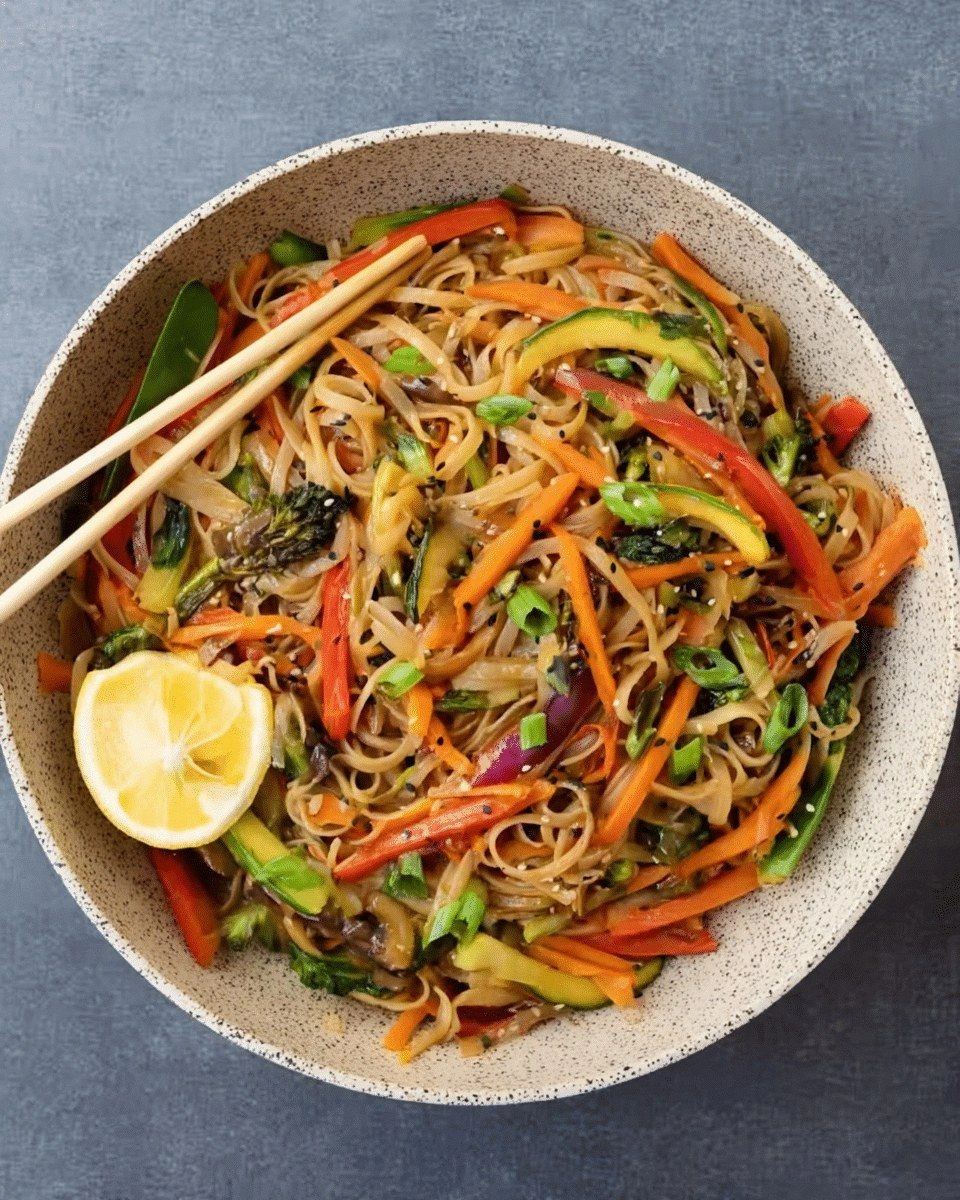
The moment the garlic hits the hot pan, the kitchen fills with a buttery, caramelized aroma that makes even the most skeptical of us sigh in approval. The sound of vegetables popping against the wok is like a drumbeat, each “sizzle” punctuating a promise of crispness and flavor. The colors—crimson bell pepper, emerald broccoli, pale snow peas—create a visual feast that makes you forget you’re eating anything but the healthiest thing you’ve ever tasted. And when you take that first bite, the teriyaki glaze coats the noodles like velvet, the veggies crunch with the satisfying snap of fresh produce, and the subtle heat from the chili flakes lingers just enough to keep you coming back for more.
What makes this version stand out? It’s the blend of textures, the balance of umami and sweetness, and the way each ingredient sings without stealing the spotlight. I dare you to taste this and not go back for seconds—once you experience this, the rest of the week will feel like a bland, flavorless stretch. This is hands down the best version you'll ever make at home, and I’ve distilled it to a simple, foolproof method that even a kitchen rookie can master. If you’ve ever struggled with a bland stir‑fry that ends up tasting like a grocery store takeout, you’re not alone—and I’ve got the fix.
And that’s just the beginning. The next part? Pure magic. I’ll walk you through every single step, from prepping the veggies to creating that glossy, irresistible sauce that will have your friends begging for the recipe. By the end, you’ll wonder how you ever made it any other way. Let’s dive in.
What Makes This Version Stand Out
- Flavor: The sauce is a symphony of sweet, salty, and umami notes, with a subtle kick that keeps the dish lively.
- Texture: Each vegetable maintains its own identity—crunchy broccoli, tender snow peas, and silky noodles—creating a contrast that delights the palate.
- Simplicity: No complicated steps or obscure ingredients. Everything you need is pantry‑friendly and easy to find.
- Versatility: Swap in tofu, shrimp, or your favorite protein, and the dish instantly transforms into a complete meal.
- Make‑ahead Potential: The sauce can be prepared a day ahead, and the noodles can be reheated in the microwave—perfect for busy weeknights.
- Colorful Presentation: The bright vegetables against the glossy sauce make the dish Instagram‑ready.
Alright, let's break down exactly what goes into this masterpiece...
Inside the Ingredient List
The Flavor Base
The sauce is the heart of this dish, and it’s built around a trio of pantry staples: soy sauce, mirin, and honey. Soy sauce provides the deep umami foundation that makes the dish savory. Mirin, a Japanese sweet rice wine, adds a subtle sweetness and a hint of acidity that brightens the flavor profile. Honey brings natural sweetness that balances the saltiness of the soy sauce and the tang of the rice vinegar. Together, they create a glaze that coats the noodles like velvet and the veggies like a glossy sheen.
If you’re on a low‑sugar diet, swap honey for maple syrup or a sugar‑free sweetener. The key is to keep the ratio of sweet to salty balanced; otherwise, the dish might taste too sweet or too salty.
The Texture Crew
Rice noodles bring a chewy, tender base that absorbs the sauce beautifully. Broccoli florets offer a satisfying crunch, while snow peas add a snap that keeps the dish lively. Bell pepper slices contribute a sweet, crisp bite, and sliced carrots add a subtle earthiness. The onion provides a mellow, caramelized flavor that rounds out the flavor spectrum. Together, they create a dance of textures that keeps each bite interesting.
If you prefer a gluten‑free option, swap the soy sauce for tamari. If you’re vegan, the honey can be replaced with agave nectar or a plant‑based sweetener.
The Unexpected Star
Fresh ginger and garlic are the unsung heroes that bring depth to the sauce. Ginger adds a bright, peppery kick that cuts through the sweetness, while garlic offers a robust, savory undertone. When sautéed at the right temperature, they release their essential oils, creating an aroma that makes your kitchen feel like a bustling Japanese market.
If you’re not a fan of ginger, you can use a pinch of ground ginger or even a splash of ginger juice. Just be careful not to overdo it—too much ginger can overwhelm the dish.
The Final Flourish
Sesame oil, sesame seeds, and sliced green onions add the finishing touches that elevate the dish from ordinary to extraordinary. Sesame oil gives a nutty aroma that lingers in the mouth, while sesame seeds add a subtle crunch. Green onions provide a fresh, sharp contrast that brightens the overall flavor. A pinch of chili flakes can be added for heat, but the dish remains delicious even without them.
If you’re allergic to sesame, simply omit the seeds and oil. The dish will still be flavorful, but you’ll lose that nutty undertone.
Everything's prepped? Good. Let's get into the real action...
The Method — Step by Step
- Start by bringing a large pot of salted water to a rolling boil. Add the rice noodles and cook for 3–4 minutes, or until they’re just al dente. Drain and rinse under cold water to stop the cooking process. Toss the noodles with a splash of sesame oil to prevent sticking.
- While the noodles are cooking, heat a wok or large skillet over medium‑high heat. Add 2 tablespoons of sesame oil and let it shimmer. Throw in the minced garlic and grated ginger, stirring constantly for 30 seconds until fragrant. Don’t let them brown; this would give the dish a bitter note.
- Add the sliced onion to the pan. Sauté for 2 minutes until it starts to soften. The onion’s natural sugars will caramelize, adding depth to the sauce. Then, introduce the broccoli florets and carrots, stirring to coat them in the aromatic base.
- Now it’s time for the veggies that bring the crunch—bell pepper and snow peas. Stir-fry for another 3 minutes, ensuring the vegetables remain bright and crisp. The key here is high heat and quick movement; this prevents them from becoming mushy.
- In a small bowl, whisk together 2 tablespoons soy sauce, 2 tablespoons mirin, 1 tablespoon honey, 1 tablespoon rice vinegar, 1 teaspoon cornstarch, and 1/4 cup water. This slurry will thicken the sauce and give it a glossy sheen.
- Pour the sauce mixture over the vegetables, stirring constantly. The sauce will begin to thicken within a minute. Reduce the heat to medium and let everything simmer for 2 minutes, allowing the flavors to meld. If the sauce becomes too thick, add a splash of water to reach your desired consistency.
- Add the cooked noodles to the pan, tossing them gently so they’re coated in the sauce. Cook for an additional 2 minutes, ensuring the noodles absorb the flavors and the sauce coats them evenly.
- Finish by sprinkling 2 tablespoons of sesame seeds, 1/2 cup sliced green onions, and a pinch of chili flakes (if using). Give everything one last toss, then remove from heat. The dish should look glossy, the vegetables should be tender-crisp, and the aroma should be intoxicating.
- Serve immediately over a bed of fresh rice or a side of steamed quinoa. The dish is best enjoyed hot, but if you need to hold it for a few minutes, cover it tightly and keep it warm in a low oven (200°F).
That’s it — you did it. But hold on, I've got a few more tricks that'll take this to another level...
Insider Tricks for Flawless Results
The Temperature Rule Nobody Follows
Many people cook stir‑fry at medium heat, but the secret to a perfect sear is high heat. A hot pan ensures the vegetables develop a caramelized crust without steaming. If your wok isn’t hot enough, the veggies will release moisture and become soggy. Test the temperature by flicking a drop of water into the pan; if it dances and evaporates instantly, you’re ready.
Why Your Nose Knows Best
When you’re cooking, trust your nose. The moment the garlic and ginger hit the pan, they’ll release a buttery aroma. If the scent is sharp or burnt, reduce the heat immediately. A fresh, aromatic base sets the tone for the entire dish.
The 5-Minute Rest That Changes Everything
After removing the dish from the heat, let it rest for five minutes before serving. This allows the sauce to thicken slightly and the flavors to settle. I’ve seen people skip this step, and the result is a watery, under‑seasoned stir‑fry.
Keep It Light with Water
If the sauce becomes too thick, add a splash of water to reach the desired consistency. A tablespoon at a time is best; you’ll want to maintain that glossy sheen without diluting the flavor.
Use a Wide Pan for Even Cooking
A wide pan or wok distributes heat evenly, ensuring each vegetable cooks uniformly. If you’re using a standard skillet, spread the veggies in a single layer; overcrowding will cause them to steam.
Quick Fix for Overcooked Veggies
If you accidentally overcook the broccoli or snow peas, toss them into a bowl of ice water for a minute before adding them to the pan. This stops the cooking process and preserves their bright color and crisp texture.
Creative Twists and Variations
This recipe is a playground. Here are some of my favorite ways to switch things up:
Protein Power
Add cubed tofu, shrimp, or sliced chicken breast for a protein boost. Cook the protein separately to avoid overcooking, then combine with the vegetables in the final step.
Spicy Kick
Replace the chili flakes with a tablespoon of sriracha or a splash of chili oil for a hotter version. This variation is perfect for those who like their food to sizzle.
Herbaceous Twist
Stir in a handful of chopped fresh basil or cilantro just before serving. The herbs add a fresh, aromatic layer that complements the savory sauce.
Nutty Crunch
Swap sesame seeds for toasted cashews or almonds. The nuts add a crunchy texture and a nutty flavor that pairs beautifully with the teriyaki glaze.
Low-Carb Edition
Replace rice noodles with zucchini noodles or shirataki noodles to keep the dish low in carbs. The noodles still absorb the sauce, giving you the same satisfying bite.
Sweet & Savory Fusion
Add a handful of pineapple chunks for a sweet, tropical twist. The fruit’s acidity balances the sweetness of the sauce and adds a juicy burst.
Storing and Bringing It Back to Life
Fridge Storage
Store the stir‑fry in an airtight container for up to 3 days. The sauce may thicken in the fridge, so add a splash of water or broth before reheating to restore its glossy texture.
Freezer Friendly
For longer storage, freeze the dish for up to 2 months. Thaw overnight in the refrigerator, then reheat in a skillet with a splash of water or broth. The noodles may become slightly softer, but the flavor remains intact.
Best Reheating Method
Reheat the dish in a skillet over medium heat, stirring constantly. Add a tablespoon of water or broth to loosen the sauce. Alternatively, microwave in a covered dish for 1–2 minutes, stirring halfway through.