I still remember the night I ruined three pots of curry in a row. The first was watery and bland, the second scorched into an orange brick, and by the third attempt I was ready to swear off plant-based cooking forever. Then my college roommate dared me to taste her aunt's legendary sweet-potato version. One spoonful and I was hooked—thick, fragrant, with a heat that bloomed slowly like a sunset and that silky sauce that clung to every cube of tender sweet potato. I begged for the recipe, but Aunt Lila only winked and said, "Cooking is feeling, mija, not measuring." Cue another month of obsessive trials, midnight spice tastings, and one memorable fire-alarm incident involving smoked paprika. Eventually I cracked the code, and I promise this version will ruin take-out for you forever.
Picture this: it’s raining sideways, your socks are damp, and the only thing standing between you and total despair is the promise of something warm and mind-blowingly delicious. You pull out one pot, a can of coconut milk, and the saddest-looking sweet potato rolling around in the produce drawer. Thirty-five minutes later the kitchen smells like Mumbai street food had a love child with a Caribbean beach shack. The sauce is so glossy it could have its own ring-light, and the chickpeas bob like tiny edible buoys in an orange sea. The first bite hits—sweet, earthy, ginger-lively, with a slow cayenne kick that sneaks up like a plot twist. I dare you to taste this and not go back for seconds; I’ll be honest, I ate half the batch before anyone else got to try it.
Most recipes get this completely wrong. They dump everything in at once, boil the life out of the spices, or drown the veg in so much liquid you end up with baby-food masquerading as dinner. Here’s what actually works: coaxing the aromatics in oil until they gossip their perfume into the air, blooming the curry powder just long enough to turn treacly and dark, then letting coconut milk mellow everything into velvet. We’re layering flavor like a seven-story cake—except we’re using sweet potatoes, chickpeas, and a fistful of spinach that wilts into emerald ribbons. And the best part? One pot, one wooden spoon, and zero fancy techniques your grandma would side-eye.
Stay with me here—this is worth it. By the time you ladle this over rice, quinoa, or straight into your face-hole with a hunk of warm naan, you’ll understand why my neighbor texts me every Thursday asking if “it’s curry weather yet.” I’ve made this for die-hard meat lovers who claimed they’d never feel full without steak, for toddlers who supposedly hated spice, and for friends who swore they couldn’t cook anything more complicated than toast. Every single one became an evangelist. Ready for the game-changer? Let me walk you through every single step—by the end, you’ll wonder how you ever made it any other way.
What Makes This Version Stand Out
Silky Sauce Science: Instead of watery broth, we reduce coconut milk until it clings like melted gelato, creating a texture that coats each cube of sweet potato in a glossy, fragrant blanket. The natural starch from the spuds thickens everything further, so you get restaurant-level creaminess without a drop of dairy or a spoon of flour.
Spice Timing Magic: We bloom the curry powder twice—once in hot oil to unlock essential oils, then again after the liquids reduce so the flavors pop like stereo bass. Most recipes skip the second bloom and taste flat; this double-hit technique is the difference between “meh” and “mouth-party.”
Sweet-Savory Balance: Sweet potatoes bring candy-like notes, so we counter with a whisper of lime and a pinch of cayenne that cuts through richness like a zingy backup singer. The result is crave-worthy complexity without a laundry-list of obscure spices you’ll use once.
Speedy One-Pot Wonder: Everything cooks in the same vessel, which means starch released from the potatoes thickens the sauce, chickpeas drink up flavor puddles, and you spend zero minutes babysitting multiple pans. Translation: dinner in 35 minutes, dishes in 3.
Meal-Prep Hero: Flavors meld overnight into an even more harmonious choir, so make a double batch on Sunday and you’ve got lunch that’ll make coworkers jealous through Thursday. Reheat with a splash of broth and it tastes like you just pulled it off the stove.
Nutrient Dense Comfort: We’re talking beta-carotene powerhouse sweet potatoes, protein-rich chickpeas, iron-boost spinach, and metabolism-friendly spices. You’ll leave the table satisfied but not sluggish, which is more than I can say for that boxed mac lurking in the pantry.
Crowd Reaction Guarantee: I’ve served this to spice-wimps and chili-fiends alike; adjusting heat is as simple as sliding the cayenne scale. Bring it to potlucks and watch people stalk the Crock-Pot with suspicious devotion. Fair warning: they will ask for the recipe, so have your phone ready to AirDrop.
Alright, let's break down exactly what goes into this masterpiece...
Inside the Ingredient List
The Flavor Base
Olive oil may sound basic, but here it’s the carrier for every aromatic molecule we’re about to unleash. Heat it until it shimmers like a mirage—that’s your cue that it’s hot enough to sear the garlic and ginger without turning them bitter. Speaking of garlic, please use the real stuff; the pre-minced jar tastes like pool water and will murder your curry faster than you can say “delivery.” Fresh ginger should feel like a firm baby arm with smooth skin; wrinkled means it’s old and will deliver more funk than zing.
Curry powder is the skeleton key. I’m not brand-loyal, but I am freshness-obsessed. Give the tin a sniff; it should smell bright and peppery, not like dusty encyclopedias. If yours has been camping in the cupboard since Obama’s first term, do yourself a flavor favor and replace it. The blend already contains turmeric, coriander, cumin, fenugreek, and chili, so we’re letting someone else do the heavy lifting while we take all the credit. Win-win.
The Texture Crew
Sweet potatoes need to be orange-fleshed jewels—garnet, jewel, or Beauregard varieties—not the pale, dry imposters labeled “yam” in some supermarkets. Peel them if you want silk-city sauce; leave the jackets on for rustic fiber and an extra five minutes of simmering. Cubes should be roughly the same size so they cook evenly—think chunky dice, not a Jackson Pollock of random shapes.
Chickpeas are the protein-packed pillows that sop up sauce like edible sponges. Canned is perfectly acceptable, but rinse them aggressively under cold water until the bubbles disappear and the slippery aquafaba is gone. If you’re a meal-prep Jedi, cook a pound of dried chickpeas on Sunday, freeze them in two-cup portions, and you’ll save cash and slash sodium faster than you can say “instant pot.”
The Unexpected Star
Coconut milk is where most recipes either go soup-kitchen thin or cloyingly heavy. We want the full-fat canned variety—shake the can and listen for the slosh of thick cream. Light coconut milk is just the diet version of disappointment; it separates and never achieves that spoon-coating richness. Pro tip: scoop two tablespoons of the solid cream off the top and fry your spices in it for the first step. That little maneuver is called “cracking the coconut” in Sri Lanka, and it unleashes a nutty perfume that’ll make neighbors knock on your door.
The Final Flourish
Spinach wilts in seconds and turns the curry from orange soup into a technicolor masterpiece. Baby spinach is tender and stem-free, but mature leaves work if you chop them into ribbons first. Don’t like spinach? Swap in kale, chard, or even frozen peas—just remember sturdier greens need an extra minute of simmering to behave.
Everything’s prepped? Good. Let's get into the real action...
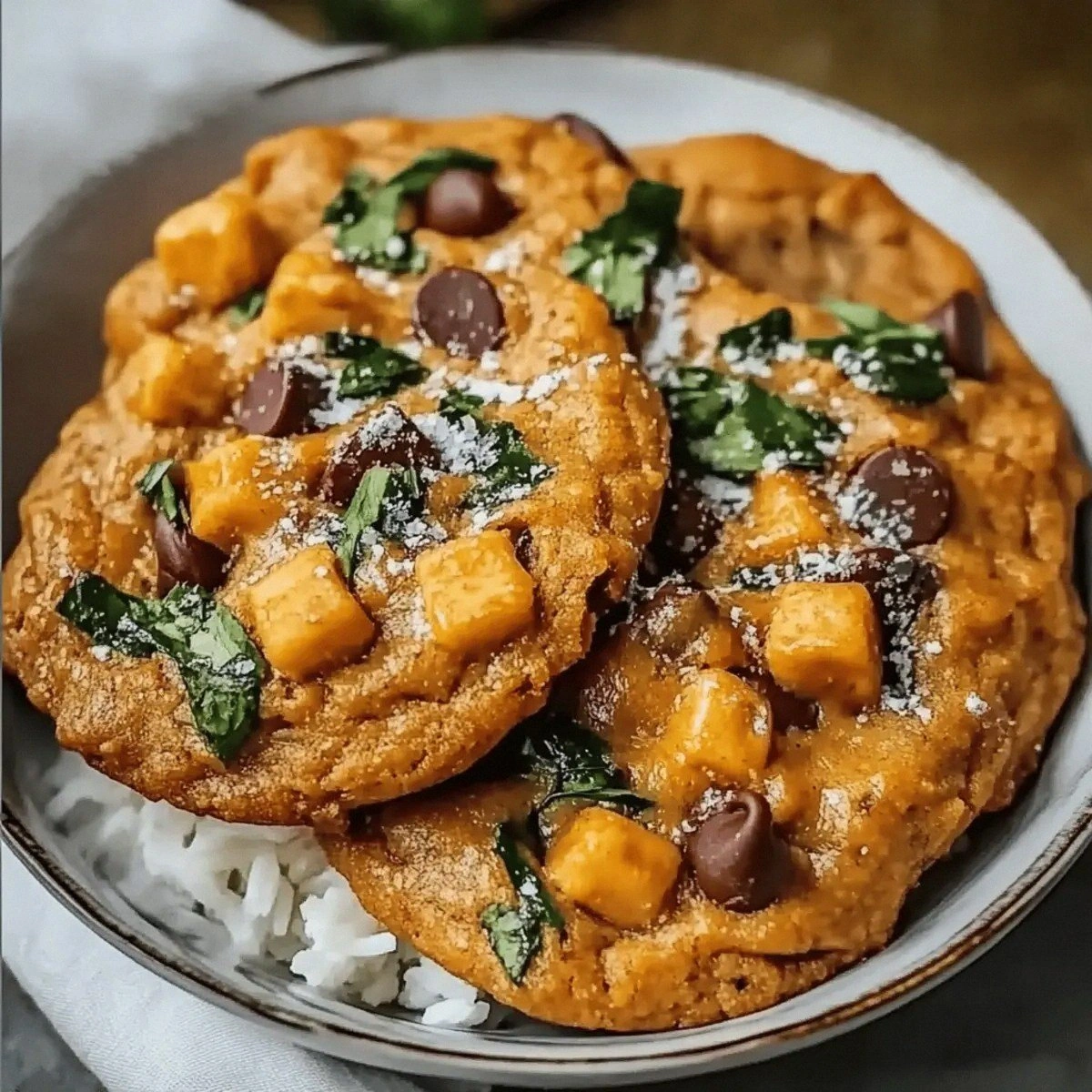
The Method — Step by Step
-
Heat the olive oil in a heavy-bottomed pot over medium heat until it ripples like a tiny lake in an earthquake—about 90 seconds. Add the minced garlic and grated ginger; they should sizzle enthusiastically but not brown within the first 30 seconds. Stir constantly and enjoy the aromatherapy session as the oils release a perfume that smells like you’re about to do something illegal in the best possible way. If you’ve ever struggled with bitter curries, you’re not alone—burning the aromatics is the number-one culprit, so keep that spoon moving like you’re whisking a cat out of trouble.
-
Sprinkle in the curry powder and stir for another 45 seconds until the mixture turns into a fragrant paste the color of autumn leaves soaked in sunshine. This is the moment of truth: undercook and you’ll taste raw, dusty spice; overcook and bitterness moves in like an unwanted roommate. Your nose knows—when the smell shifts from sharp to warm and toasty, you’re golden. If the mixture looks dry and threatens to burn, splash in a teaspoon of coconut milk to cool the party and keep everything glossy.
-
Tip in the cubed sweet potatoes and toss until every cube is varnished in the spiced oil. Let them sear undisturbed for two minutes; those caramelized edges create fond that later dissolves into the sauce and adds depth you can’t buy in a jar. Stir again, then pour in the vegetable broth and scrape the bottom with your spoon to free any sticky browned bits—think of it as rescuing flavor from a hostage situation. The liquid should barely cover the potatoes; we’re making curry, not soup, so channel your inner minimalist.
-
Bring the pot to a lively simmer—small bubbles should pop like a jacuzzi, not the volcanic eruption of a rolling boil. Reduce heat to low, cover partially, and set a timer for 12 minutes. This is the hands-off phase where sweet potatoes steam into velvet, so resist the urge to stir every 30 seconds; agitation breaks the cubes and releases too much starch, turning your sauce into kindergarten paste. Instead, give the pot a gentle shake every now and then to prevent sticking.
-
When a fork slides through a sweet-potato cube with just a whisper of resistance, it’s time for the chickpea parade. Drain and rinse them well, then tumble them into the pot like happy little trampolines. Stir gently; we want them to absorb flavor, not turn into hummus. Pour in the coconut milk, increase heat to medium, and let everything bubble uncovered for 5 minutes. The sauce will lighten to a creamy orange and thicken enough to coat the back of your spoon—pure magic.
-
Taste the curry and season boldly with salt and pepper. Sweet potatoes drink sodium like teenagers guzzle soda, so be generous—start with a teaspoon of kosher salt, stir, wait 30 seconds, then taste again. The flavor should bloom, not taste like seawater. Add cayenne if you want heat that arrives fashionably late and builds with every bite. Remember, you can always add more spice, but you can’t un-spice a volcanic mouth, so proceed with swagger and caution in equal measure.
-
If you’re using spinach—and I strongly suggest you do—pile it on top, slam the lid on for 30 seconds, then lift and stir. The greens will wilt into silky ribbons that turn the curry into a technicolor dream coat. If you’re using kale, give it an extra minute and a splash of broth to soften. The goal is tender leaves, not bitter green confetti floating like lost seaweed.
-
Let the curry rest for five minutes off heat. I know, patience is the worst ingredient, but this brief pause lets the flavors mingle and the sauce tighten to spoon-coating perfection. During this time, warm some naan or fluff your rice so everything hits the table at the same temperature. Future you—standing over the stove scraping the last drops with bread—will thank present you for exercising heroic restraint.
That's it—you did it. But hold on, I've got a few more tricks that'll take this to another level...
Insider Tricks for Flawless Results
The Temperature Rule Nobody Follows
Your burner should live in the low-medium sweet spot. Too high and coconut milk splits into grainy oil slicks; too low and spices stay raw and dusty. Think of it as the culinary equivalent of bathwater—comfortable enough to stay in, hot enough to get clean. A friend tried rushing with high heat once; the result looked like orange cottage cheese and tasted like regret.
Why Your Nose Knows Best
Ignore the clock and trust your olfactory glands. When the curry base smells like you’re walking past a spice stall at 3 p.m. in midsummer, you’ve nailed it. If the aroma is flat or harsh, keep stirring and give it another 30 seconds. Our memories are wired to deliciousness, so if it smells like something you want to dive into, your taste buds are already cheering.
The Five-Minute Rest That Changes Everything
Resting is non-negotiable. During those five minutes, starches finish swelling, liquids redistribute, and flavors lock arms in a harmonious chorus. Skip it and you’ll have good curry; honor it and you’ll have great curry that tastes like it simmered for hours while you sipped tea and conquered crosswords.
Creative Twists and Variations
This recipe is a playground. Here are some of my favorite ways to switch things up:
Thai Twist
Swap curry powder for two tablespoons of red Thai curry paste, add a stalk of lemongrass while simmering, and finish with a splash of fish sauce or soy for umami depth. The result is brighter, more citrusy, and delivers the creamy fire you crave from take-out.
African Sunrise
Add a cup of diced tomatoes and a tablespoon of peanut butter, then stir in a handful of roasted peanuts right before serving. Smoky, sweet, and protein-packed—perfect over millet or fufu if you’re feeling adventurous.
Protein Powerhouse
Stir in a cup of cooked red lentils during the last ten minutes. They dissolve slightly and thicken the sauce while boosting protein to superhero levels. Ideal for post-gym hunger that laughs at salad.
Silky Cashew Version
Pour in half coconut milk and half cashew cream (blend soaked cashews with water until silky). The sauce becomes so luxurious you’ll want to write poetry about it—maybe even ladle it into shot glasses at parties.
Harvest Medley
Swap half the sweet potatoes for butternut squash and add a diced apple for autumnal sweetness. The apple melts into the sauce and gives you tiny surprise pockets of fruity perfume.
Breakfast Curry (Yes, Really)
Make a thinner version, crack two eggs into wells, cover, and poach until the whites set. Serve over toast for a brunch that converts the “I hate curry before noon” crowd faster than bottomless mimosas.
Storing and Bringing It Back to Life
Fridge Storage
Let the curry cool completely, then spoon into airtight glass containers. It keeps four days refrigerated, though mine rarely survives two because midnight fridge raids are real. Press a layer of plastic wrap directly onto the surface to prevent that grainy skin that tastes like disappointment.
Freezer Friendly
Portion into freezer bags, squeeze out excess air, and freeze flat for space-saving bricks. Thaw overnight in the fridge or submerge the sealed bag in cold water for an hour. It keeps three months, but label it or you’ll play terrifying ice-block roulette later.
Best Reheating Method
Reheat gently in a pot with a splash of water or broth over low heat, stirring often. Microwave works in a pinch—use 50 percent power and stir every 60 seconds to prevent coconut-oil geysers. Add a squeeze of fresh lime to wake up the flavors just before serving.