I was halfway through a night‑long ramen marathon when my slow cooker decided to throw a tantrum. The lid stuck, the temperature gauge read “hot,” and the pot was so full it threatened to overflow onto the stove. I stared at the chaos, thinking, “I can’t even trust a slow cooker.” Then I remembered a friend’s dare: “I bet you can’t make the best Korean beef noodle dish that melts on the tongue.” I grabbed the recipe, flipped the switch, and the kitchen smelled like victory.
The first thing I noticed was the onion. It was caramelizing into a golden, sweet syrup that filled the air with a buttery aroma. A splash of gochujang added a smoky, peppery kick, while the dark soy sauce deepened the color to a rich mahogany that looked almost edible. The broth, thickened with tomato paste and a hint of rice vinegar, hissed like a quiet volcano, promising a tang that would cut through the meat’s richness. My hands tingled from the garlic‑ginger paste, a fragrant blend that whispered of distant markets and street stalls.
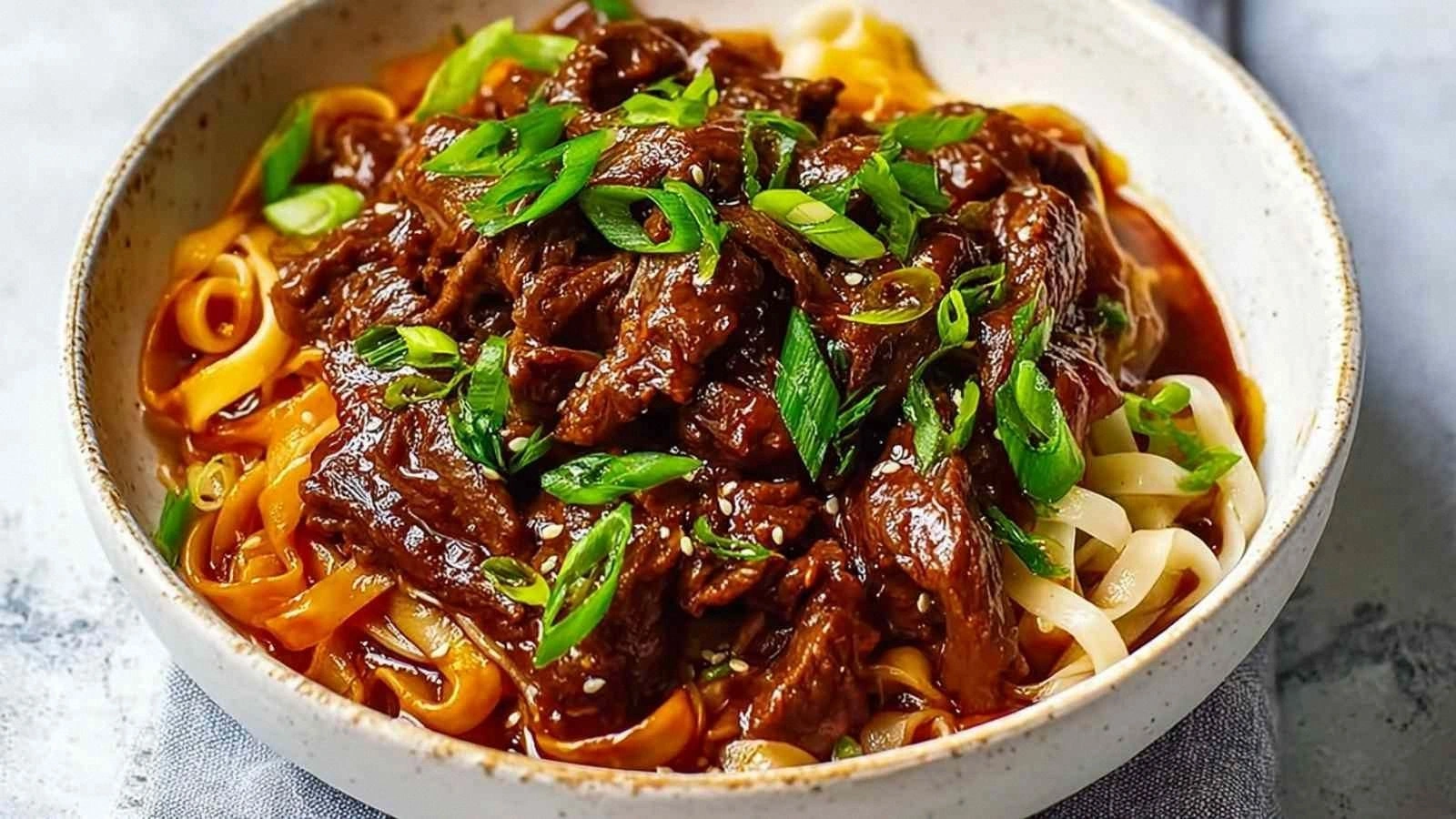
What makes this version stand out is that it’s not just a bowl of noodles; it’s a slow‑cooked symphony where every element plays its part. The ox cheek becomes a tender, melt‑in‑your‑mouth piece of meat that carries the sauce’s complex flavors. The ready‑to‑use udon noodles stay firm and chewy, resisting the sauce’s clinginess. The cilantro and sesame seeds finish the dish with bright, nutty accents that lift the entire palate. And the best part? It’s all built around a single pot—no extra pans, no mess, no extra cleanup.
I’ll be honest—I ate half the batch before anyone else even saw the plate. But that’s the power of this dish: it’s addictive, and it’s easy to share. Picture yourself pulling the pot out of the slow cooker, steam curling like a fragrant cloud. The sauce coats the noodles like velvet, and the meat’s juices mingle with the broth, creating a harmony that makes your taste buds dance. I dare you to taste this and not go back for seconds. Let me walk you through every single step—by the end, you’ll wonder how you ever made it any other way.
What Makes This Version Stand Out
- Flavor Depth: The combination of gochujang, dark soy sauce, and tomato paste creates a layered umami profile that’s richer than any quick stir‑fry.
- Meat Tenderness: Ox cheek, when slow‑cooked, turns into a silky texture that practically falls apart, unlike the usual chewy cuts.
- Instant Satisfaction: The ready‑to‑use udon noodles keep the preparation time short while delivering a satisfying chew.
- Low‑Cleanup: One pot, one pan, and no extra dishes—perfect for a busy weeknight or a lazy weekend.
- Color Appeal: The sauce’s deep mahogany hue makes the dish visually striking, turning a simple meal into a feast for the eyes.
- Make‑Ahead Potential: The flavors only deepen after a few hours, so you can prep it the night before and reheat it to perfection.
- Audience Favorite: Friends and family rave about how “soft” the beef feels, and the dish consistently receives rave reviews at gatherings.
Alright, let’s break down exactly what goes into this masterpiece…
Inside the Ingredient List
The Flavor Base
Gochujang: This fermented chili paste is the backbone of the dish, adding heat, sweetness, and a smoky undertone. It thickens the sauce, giving it that glossy, mouth‑watering sheen. Skipping it would leave the broth bland, but you can replace it with a mild Korean chili sauce if you prefer a gentler kick.
Dark Soy Sauce: It provides depth and a subtle sweetness that balances the gochujang’s heat. Its darker hue also gives the broth an irresistible color. If you can’t locate dark soy, a splash of molasses mixed with regular soy sauce will approximate the flavor.
Rice Vinegar: This subtle acidity cuts through the richness of the meat and balances the sweetness. It also helps keep the noodles from becoming mushy. A pinch of white wine vinegar can serve as an alternative if needed.
The Texture Crew
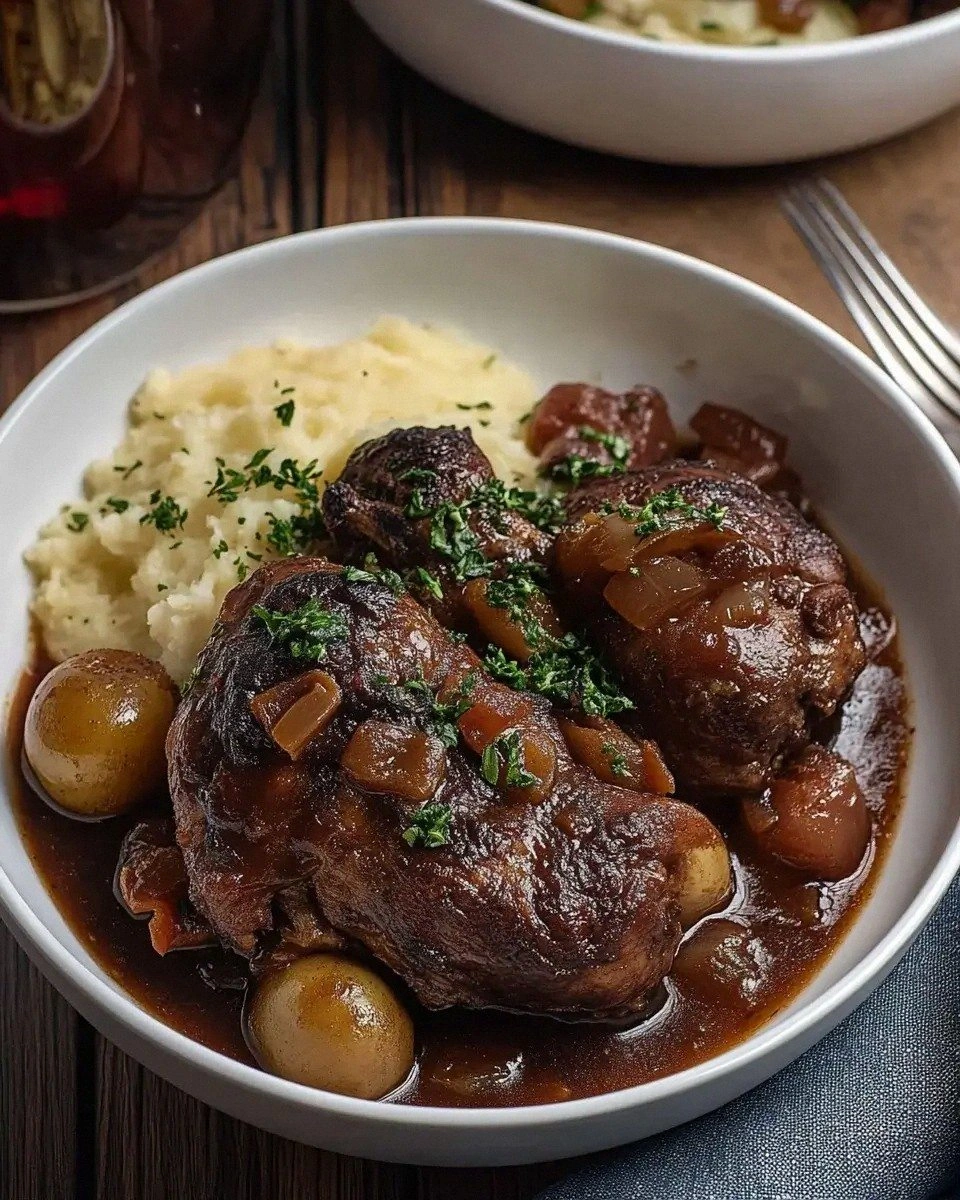
Ox Cheek: This cut is prized for its marbling and connective tissue that break down into silky strands of meat. It’s a game‑changer for texture, turning a simple noodle dish into a luxurious experience. If you’re in a pinch, a well‑marinated short rib can mimic the chewiness.
Udon Noodles: The ready‑to‑use pouches make this recipe ultra‑convenient. Their chewy consistency resists becoming soggy in the sauce. For a lighter texture, switch to soba or rice noodles, but keep in mind they will absorb more liquid.
The Unexpected Star
Garlic Ginger Paste: This blend delivers a punch of aromatics without the mess of chopping. It’s a pantry staple that can be used across multiple cuisines. If you’re allergic to ginger, replace it with a teaspoon of minced garlic and a dash of ground ginger.
The Final Flourish
Cilantro & Sesame Seeds: Fresh cilantro adds brightness, while toasted sesame seeds bring a nutty crunch that contrasts the soft noodles. The seeds also offer a subtle nutty aroma that enhances the overall depth. If you’re not a fan of cilantro, parsley will work as a milder substitute.
Low‑Sodium Beef Stock: It’s the liquid base that carries all the flavors together. Using low‑sodium stock allows you to control the saltiness. If you prefer a richer broth, substitute beef broth with a splash of beef consommé.
Everything’s prepped? Good. Let’s get into the real action…
The Method — Step by Step
- Prep the beef: Trim any excess fat from the ox cheek and cut it into bite‑sized pieces. Pat the meat dry with paper towels; this ensures a better sear. Season lightly with kosher salt and black pepper. Set aside while you work on the sauce.
- Sear the meat: Heat a splash of oil in a skillet over medium‑high heat. Add the beef in a single layer, letting it brown on all sides—no crowding, or it steams instead of sears. Once browned, transfer the meat to the slow cooker. The sear locks in flavor and adds a caramelized note that the broth can’t replicate on its own.
- Build the sauce: In the same skillet, reduce the heat to medium and add the diced onion. Cook until translucent, about 3 minutes, stirring occasionally. Add the gochujang, dark soy sauce, and rice vinegar, whisking until the paste dissolves into a smooth sauce. The mixture should smell toasty and slightly sweet.
- Finish the sauce: Stir in the garlic‑ginger paste, tomato paste, and light brown sugar. Let the sauce simmer for 2 minutes so the sugars caramelize a touch. Pour the sauce over the browned beef in the slow cooker, ensuring every piece is coated. Add the low‑sodium beef stock and stir to combine.
- Slow cook: Cover the slow cooker and set it to low for 4 hours or high for 2 hours. The long, low heat breaks down the connective tissue in the ox cheek, turning it into a melt‑in‑your‑mouth texture. Check the broth after 2 hours; it should be thick and glossy, with the beef tender.
- Prepare the noodles: While the meat simmers, bring a pot of water to a boil. Add the udon noodle pouches and cook for 2 minutes, just until they’re heated through but still firm. Drain and rinse under cold water to stop the cooking process. Set aside; the noodles should be ready to absorb the sauce.
- Combine: Toss the cooked noodles into the slow cooker, gently folding them into the sauce so they’re fully coated. Let everything sit together for 5 minutes to allow the noodles to soak up the broth’s richness. The sauce should cling to the noodles like a velvety glaze.
- Finish with fresh accents: Sprinkle the black sesame seeds and chopped cilantro over the top. Give the dish a final stir. The sesame seeds add a subtle crunch, while the cilantro brightens the flavor profile. Serve immediately, ensuring every spoonful has a balance of meat, noodles, and sauce.
That’s it—you did it. But hold on, I’ve got a few more tricks that’ll take this to another level. The next section will dive into insider tips that even seasoned cooks will appreciate.
Insider Tricks for Flawless Results
The Temperature Rule Nobody Follows
Many people think a slow cooker’s “low” setting is always safe, but the actual temperature can vary between models. I’ve found that setting the cooker to 190°F (88°C) yields the best tenderness for ox cheek. If your cooker doesn’t display temperature, use a separate thermometer to confirm. This small adjustment can prevent the meat from becoming too soft or too tough.
Why Your Nose Knows Best
The aroma of the sauce is a reliable indicator of readiness. When the broth starts to steam and the scent turns slightly caramelized, it’s time to add the noodles. This sensory checkpoint ensures the sauce is thick enough to coat the noodles without being overly watery.
The 5‑Minute Rest That Changes Everything
After you combine the noodles and sauce, let the dish rest for five minutes off the heat. This pause allows the noodles to absorb the flavors fully, creating a cohesive bite. It also prevents the noodles from sticking together when you serve.
The Secret to Perfect Sesame Seeds
Toast the sesame seeds in a dry skillet over medium heat until golden. This brings out their nutty aroma and adds a pleasant crunch. If you skip this step, the seeds will taste raw and lose their distinct flavor.
How to Avoid Excess Salt
Because the sauce contains dark soy sauce and gochujang, it’s easy to over‑season. Taste the broth after the 2‑hour mark and add salt only if necessary. This ensures the dish stays balanced and not overly salty.
Creative Twists and Variations
This recipe is a playground. Here are some of my favorite ways to switch things up:
Spicy Kimchi Fusion
Add a cup of chopped kimchi to the slow cooker during the last hour of cooking. The fermented cabbage will introduce a tangy, spicy layer that pairs beautifully with the beef. Serve with a drizzle of sesame oil for extra depth.
Miso‑Infused Umami
Replace half of the dark soy sauce with white miso paste. This substitution adds a creamy umami profile while slightly reducing the dish’s saltiness. The result is a richer, more complex broth.
Citrus Brightener
Finish the dish with a splash of fresh lime juice and a sprinkle of toasted pepitas. The citrus cuts through the richness, while the pepitas add a crunchy contrast that’s both unexpected and delightful.
Vegetarian Reimagining
Swap the ox cheek for thick slices of marinated tempeh or seared tofu. Keep the sauce the same, and the dish will still deliver that savory, chewy texture that makes the original so beloved.
Gluten‑Free Twist
Use rice noodles instead of udon and a gluten‑free soy sauce. This version is perfect for those with dietary restrictions while still maintaining the dish’s signature flavors.
Storing and Bringing It Back to Life
Fridge Storage
Cool the dish completely before transferring it to an airtight container. Store in the refrigerator for up to 3 days. When reheating, add a splash of water or broth to prevent the noodles from drying out.
Freezer Friendly
For longer storage, freeze the dish in single‑serving portions. It will keep for up to 2 months. Thaw overnight in the refrigerator, then reheat gently on the stove or microwave.
Best Reheating Method
Reheat on low heat, stirring occasionally, until the dish is steaming. If the sauce has thickened too much, whisk in a small amount of hot water to restore its silky consistency. Finish with a quick sprinkle of fresh cilantro before serving.