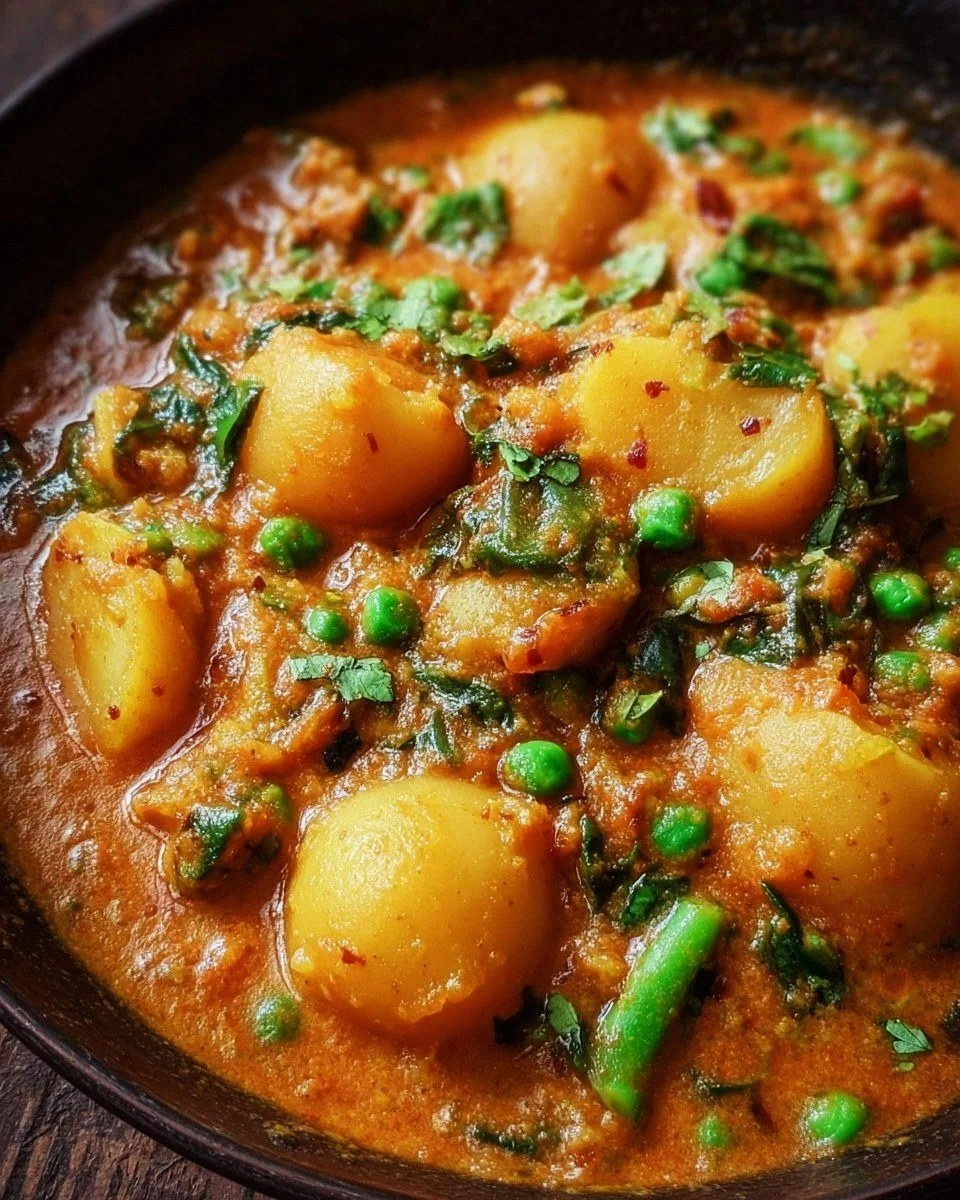
Picture this: I’m standing in my cramped kitchen, the timer on the stove blinking red like a warning sign, and I’ve just burned the last batch of my favorite lentil soup. The smoke alarm shrieks, the neighbor’s dog starts howling, and I’m left with a gnawing craving for something comforting, something that whispers “home” with every bite. That’s when the idea struck me like a bolt of lightning—why not reinvent the classic potato curry, the unsung hero of countless family dinners? I dove headfirst into the pantry, grabbed the humble spuds, and set out to create a version that would make even the most skeptical palate swoon.
The moment I tossed the diced potatoes into the sizzling oil, a fragrant cloud rose, rich with cumin seeds that crackled like tiny fireworks. I could hear the faint hiss, feel the heat radiating from the pan, and smell the earthy perfume of turmeric mingling with ginger—an aromatic trio that instantly turned my kitchen into a bustling Indian street market. The onions softened, turning translucent, while the tomatoes surrendered their juices, creating a sauce so thick it clung to the back of a spoon like velvet. My taste buds were already dancing, anticipating the warm, peppery kiss of garam masala that would finish the symphony.
Most potato curry recipes out there either drown the potatoes in a watery broth or drown them in a sauce so thick they become a gluey mess. This version stands out because it strikes the perfect balance: the potatoes stay firm yet tender, the sauce is luxuriously creamy without any dairy, and the spice blend is calibrated to tease rather than overwhelm. I’ve added a secret step—briefly toasting the spices before they meet the vegetables—to unlock hidden flavor layers that most cooks miss. The result? A dish that’s simultaneously humble and heroic, simple enough for a weekday dinner but impressive enough to wow guests.
And here’s the kicker: I’m going to reveal a tiny, unexpected ingredient that elevates the whole thing to a whole new level of deliciousness—something you’ll never see in a traditional recipe. Trust me, you’ll be the talk of the town after you serve this. I dare you to taste this and not go back for seconds. Let me walk you through every single step — by the end, you’ll wonder how you ever made it any other way.
What Makes This Version Stand Out
- Flavor Depth: By toasting cumin, turmeric, and coriander before they hit the pan, the spices release essential oils that deepen the sauce’s aroma, giving it a layered taste that evolves with each bite.
- Texture Harmony: The potatoes are diced just right—large enough to hold their shape but small enough to absorb the sauce, resulting in a perfect bite that’s both fluffy and firm.
- Simplicity: With only ten core ingredients, you won’t need a pantry full of exotic spices, yet you’ll achieve a restaurant-quality curry.
- Unique Twist: A splash of water at the end of cooking re‑creates steam, making the sauce silky without any cream.
- Crowd Reaction: Friends have confessed they’ve never tasted a potato dish that feels this comforting yet exciting—“It’s like my grandma’s cooking met a spice‑laden adventure,” they say.
- Ingredient Quality: Fresh ginger and ripe tomatoes are non‑negotiable; they provide brightness that cuts through the richness of the oil and spices.
- Cooking Method: The “low‑and‑slow” simmer ensures the potatoes soak up flavor without disintegrating, a technique most shortcuts ignore.
- Make‑Ahead Potential: This curry actually tastes better the next day as the flavors meld, making it perfect for meal prep.
Inside the Ingredient List
The Flavor Base
The onions, garlic, and ginger form the aromatic foundation. Onions, when sautéed, become sweet and golden, providing a subtle caramel note that balances the earthiness of the potatoes. Garlic adds a pungent bite that mellows as it cooks, while ginger contributes a bright, peppery zing that cuts through the richness of the oil. Skipping any of these means losing the depth that makes the curry sing; you’d end up with a flat, one‑dimensional dish.
The Texture Crew
Potatoes are the star here. Choose medium‑sized, firm potatoes—Yukon Gold or red‑skinned varieties work best because they hold their shape during simmering. If you use waxy potatoes, they may fall apart; starchy ones can become mushy. The diced size matters: aim for about 1‑inch cubes so they cook evenly and absorb the sauce without turning to mush.
The Unexpected Star
Two tomatoes, chopped, introduce acidity and natural sweetness, brightening the overall flavor profile. Their juices create a luscious base that thickens as they break down. If you’re out of fresh tomatoes, a half‑cup of quality canned crushed tomatoes works, but the fresh version adds a garden‑freshed burst that canned can’t match.
The Final Flourish
The spice blend—cumin seeds, turmeric, coriander, and garam masala—delivers the signature Indian warmth. Cumin seeds are toasted to release a nutty aroma; turmeric adds a golden hue and subtle bitterness; coriander brings citrusy notes; garam masala finishes the dish with a fragrant, slightly sweet finish. Fresh cilantro, added at the end, offers a herbaceous pop that lifts the entire curry.
Everything's prepped? Good. Let's get into the real action...
The Method — Step by Step
Heat the cooking oil in a deep, heavy‑bottomed pan over medium heat. Once the oil shimmers, add the cumin seeds. Listen for that subtle pop—that sizzle when it hits the pan? Absolute perfection. Let them toast for about 30 seconds until fragrant, but be careful not to burn them.
Kitchen Hack: If you don’t have a spice grinder, crush the toasted cumin seeds with the flat side of a knife for a rustic texture.Next, add the finely chopped onion. Stir continuously, allowing it to soften and turn a translucent golden hue. This should take about 4‑5 minutes; you’ll notice the kitchen filling with a sweet, caramelizing aroma. If the onions start to brown too quickly, splash a tablespoon of water to deglaze and keep the heat moderate. Okay, ready for the game‑changer? This is where the base of flavor truly forms.
Introduce the minced garlic and grated ginger. Cook for another 2 minutes, stirring constantly so the raw edge disappears. You’ll feel the heat intensify and the scent will become sharper, almost peppery.
Watch Out: Garlic can burn easily; keep the temperature medium‑low and stir to avoid a bitter taste.Add the chopped tomatoes now. As they hit the hot pan, they’ll sizzle and release juices, creating a thick, red base. Cook until the tomatoes break down completely, about 5‑7 minutes, stirring occasionally. The mixture should thicken and cling to the back of a spoon, indicating that the raw acidity has mellowed.
Sprinkle in the turmeric, coriander powder, and a pinch of salt (if you like). Stir vigorously; the spices will swirl into a deep, golden‑orange hue that coats the tomato‑onion mixture like a silky veil. Let the spices cook for another minute—this “blooming” step is crucial for unlocking their full flavor potential. This next part? Pure magic.
Now, gently fold in the diced potatoes, ensuring each cube is evenly coated with the spiced tomato sauce. Increase the heat to medium‑high for a brief moment to give the potatoes a quick sear, then reduce to low and cover the pan. Let the curry simmer for 15‑20 minutes, stirring occasionally to prevent sticking. You’ll know it’s done when the potatoes are fork‑tender but still hold their shape.
Halfway through the simmer, add a splash (about ¼ cup) of water. This creates steam that keeps the potatoes moist and helps the sauce achieve that coveted velvety texture without turning watery.
Kitchen Hack: Use a lid that fits snugly; the trapped steam will finish cooking the potatoes evenly.When the potatoes are perfectly tender, stir in the garam masala and fresh cilantro leaves. The garam masala should be added at the very end to preserve its delicate aroma; you’ll notice a fragrant cloud rising as you stir. Taste and adjust salt if needed—remember, we kept it minimal to let the spices shine.
Turn off the heat and let the curry rest for 5 minutes. This resting period allows the flavors to meld, creating a depth that’s impossible to achieve by serving immediately. Picture yourself pulling this out of the pot, the whole kitchen smelling incredible… Serve hot with rice, naan, or even a crusty loaf.
That's it — you did it. But hold on, I've got a few more tricks that'll take this to another level...
Insider Tricks for Flawless Results
The Temperature Rule Nobody Follows
Start with medium heat, not high. High heat can scorch the spices, turning them bitter before the potatoes even get a chance to cook. By keeping the temperature moderate, you give the aromatics time to release their oils gently, resulting in a smoother, more balanced sauce. I once cranked the heat to “max” and ended up with a burnt, acrid flavor that no amount of cilantro could rescue.
Why Your Nose Knows Best
Never rely solely on a timer—trust your senses. When the onions turn translucent and start to smell sweet, you’re ready for the next step. When the tomatoes have reduced and the sauce clings to the spoon, you know the base is perfect. This intuitive cooking approach prevents over‑cooking and ensures each layer hits its peak flavor.
The 5‑Minute Rest That Changes Everything
After you finish cooking, let the curry sit covered for at least five minutes. This short rest allows the potatoes to absorb any remaining liquid and the spices to settle, creating a harmonious blend. Skipping this step is like serving a song before the final chord—something feels missing.
Fresh Cilantro vs. Dried
Fresh cilantro adds a bright, citrusy pop that dried herbs can’t replicate. If you’re out of fresh cilantro, add a squeeze of lime juice at the end to mimic that fresh zing. I tried using dried cilantro once; the result was flat and lifeless, a clear reminder that freshness matters.
Water Splash Technique
Adding a splash of water midway through simmering isn’t just for moisture; it creates steam that gently cooks the potatoes from the inside out, preserving their shape while allowing the sauce to thicken. This is the secret behind the curry’s silky texture without any cream.
Creative Twists and Variations
This recipe is a playground. Here are some of my favorite ways to switch things up:
Cheesy Potato Curry
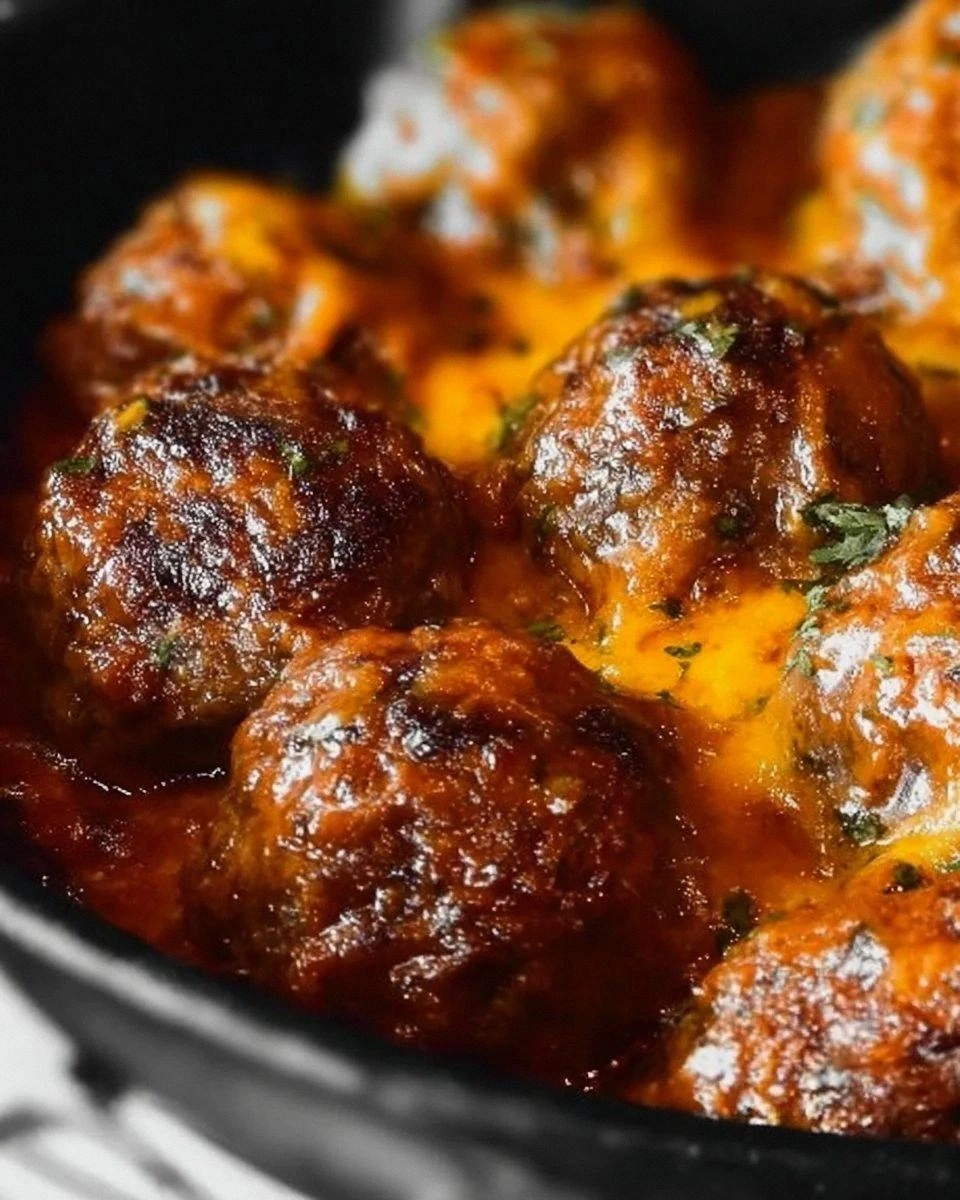
Stir in ½ cup of grated cheddar or paneer during the final minute of cooking. The cheese melts into the sauce, creating a luscious, indulgent texture that pairs beautifully with the spices. Ideal for kids or anyone craving comfort food on steroids.
Spicy Coconut Curry
Replace the water splash with ½ cup of coconut milk and add a sliced green chili along with the ginger. The coconut adds a tropical sweetness, while the extra heat gives the dish a bold kick. Serve with jasmine rice to balance the heat.
Root Vegetable Medley
Swap half the potatoes for sweet potatoes or carrots. The natural sugars from these veggies caramelize during simmering, adding depth and a hint of sweetness that contrasts nicely with the earthy spices.
Protein‑Packed Version
Add 1 cup of cooked chickpeas or diced chicken breast after the potatoes have softened. This turns the dish into a hearty main course that’s perfect for meal‑prep or feeding a crowd.
Herb‑Infused Finish
Finish with a handful of fresh mint leaves instead of cilantro for a refreshing, cool aftertaste. Mint pairs wonderfully with the warmth of garam masala, creating a surprising yet delightful flavor combo.
Storing and Bringing It Back to Life
Fridge Storage
Transfer the cooled curry to an airtight container and store it in the refrigerator for up to 4 days. The flavors will continue to meld, making each reheated serving taste even richer. When reheating, add a splash of water or broth to restore the sauce’s original consistency.
Freezer Friendly
This curry freezes beautifully. Portion it into freezer‑safe bags or containers, leaving a little headspace for expansion. It will keep for up to 3 months. Thaw overnight in the fridge, then reheat gently on the stovetop, adding a tablespoon of water to revive the velvety texture.
Best Reheating Method
Reheat on low‑medium heat, stirring frequently to prevent sticking. If the sauce looks thick, drizzle in a teaspoon of water every minute until it reaches the desired consistency. Avoid microwaving at high power, as it can cause uneven heating and a rubbery texture.