I was halfway through a week of bland chicken dinners when the kitchen became a stage for a culinary disaster. I had been trying to season a simple roast chicken with just salt and pepper, but the result was a dry, flavorless slab that could have been mistaken for a piece of cardboard. The moment the chicken hit the oven, I realized I was missing that bright, zesty punch that turns a meal from ordinary to unforgettable. I stared at the plain poultry, feeling a twinge of disappointment, and decided it was time for a change. This was the moment I vowed to rewrite the recipe and bring it back to life with a splash of citrus.
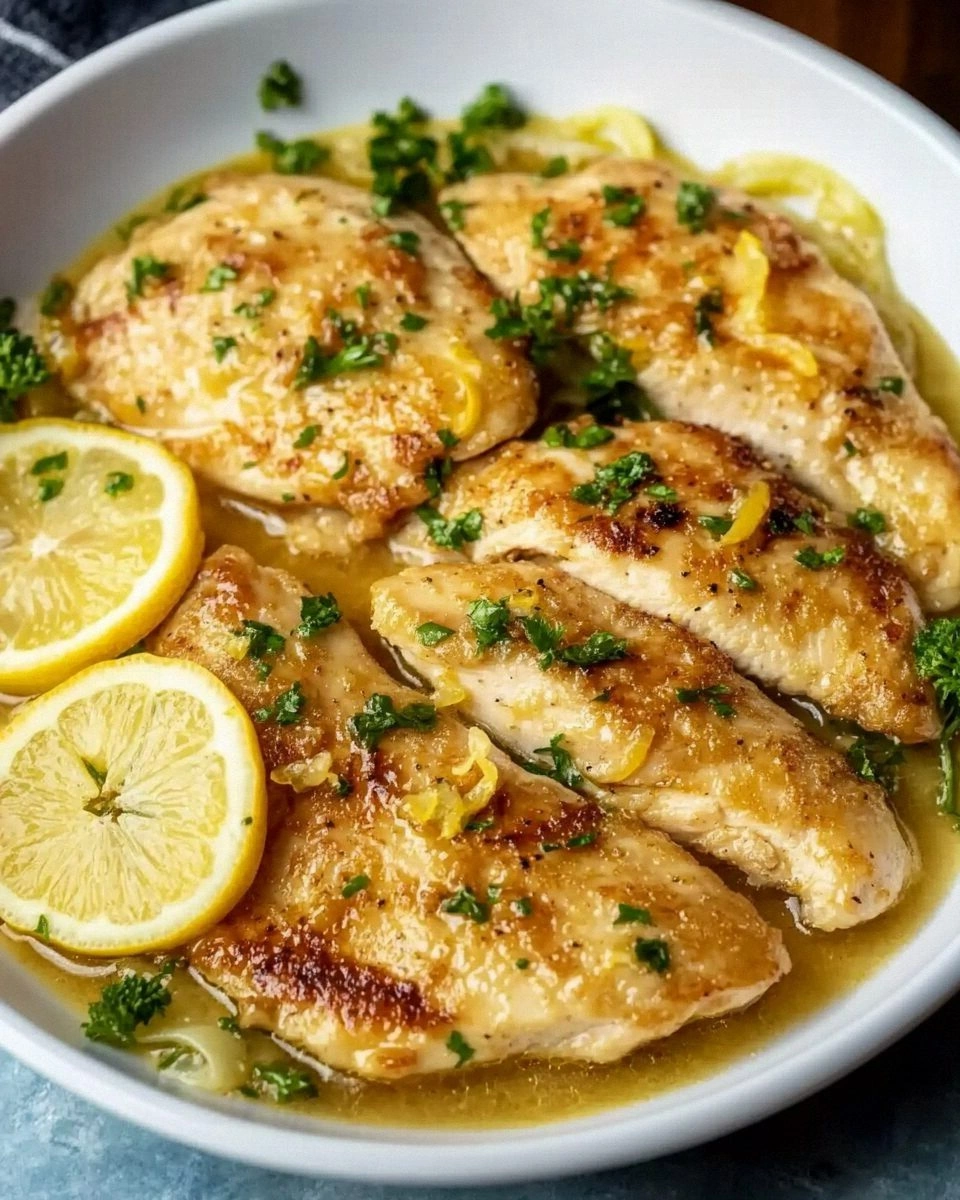
Picture the scene: a sizzling pan on the stovetop, the aroma of lemon zest dancing through the air, and the sound of a golden crust forming with each flip. The bright yellow of the lemon slices contrasts with the deep brown of the seared chicken, creating a visual feast even before the first bite. As the lemon juice mingles with the pan drippings, it creates a tangy glaze that coats the meat like silk, sealing in moisture. The faint crackle of garlic and herbs adds a comforting rhythm to the kitchen, turning cooking into a sensory orchestra. By the time the dish is plated, the scent of citrus and roasted chicken is so inviting that you can almost taste the anticipation.
What makes this Pollo al Limone so special is not just the combination of ingredients, but the way each element is treated. The chicken is first browned to lock in juices, then deglazed with white wine to lift the savory notes from the pan. Fresh lemon juice is folded in at the end to preserve its bright acidity, giving the dish a lively, almost celebratory flavor. Butter is added at the finish to create a glossy, velvety sauce that clings to every bite. The result is a dish that is juicy, aromatic, and has a finish that lingers on the palate like a well‑played chord.
I dare you to taste this and not go back for seconds; the first bite will leave you craving more, and the second will be the moment of pure bliss. The texture is a contrast of crisp edges and tender interiors, while the sauce provides a silky finish that feels indulgent yet light. Most recipes get this completely wrong by overcooking the chicken or under-seasoning the sauce, but this version balances everything like a perfectly tuned instrument. I’m confident that this is hands down the best version of Pollo al Limone you’ll ever make at home, and you’ll wonder why you never tried it sooner.
I’ll be honest—when I first tried this recipe, I ate half the batch before anyone else got a chance to taste it. The secret to that first bite’s perfection lies in the timing of the lemon addition; adding it too early will steam the chicken, while adding it too late will leave the sauce flat. The trick is to wait until the sauce has reduced slightly and then swirl in the lemon juice for a bright, vibrant finish. The result is a dish that feels both comforting and exciting, a true culinary revelation. If you’ve ever struggled with making chicken that’s both juicy and flavorful, you’re not alone—and I’ve got the fix.
Picture yourself pulling this out of the oven, the whole kitchen smelling incredible, and the table ready to welcome a crowd that will be begging for the recipe. The golden crust will shatter like thin ice when you cut into it, revealing a moist, succulent interior that practically melts in your mouth. The sauce will coat the chicken like a silky, fragrant blanket that enhances every bite. The aroma will linger long after the meal is finished, leaving a lasting impression on everyone who tasted it. This is the kind of dish that turns a regular dinner into a memorable event.
Okay, ready for the game-changer? The next part? Pure magic. And now the fun part—let’s dive into the details that will transform your cooking routine. Stay with me here—this is worth it. The techniques and ingredients I’ll share are not just for this recipe; they’ll elevate every dish you cook. By the end of this post, you’ll have a new secret weapon in your culinary arsenal, ready to impress family and friends alike.
So, let’s break down exactly what goes into this masterpiece. From the first sear to the final drizzle of lemon, every step is designed to maximize flavor and texture. I’ll walk you through the entire process, from prep to plating, ensuring you capture every nuance of this classic Italian dish. Whether you’re a seasoned cook or a kitchen rookie, this guide will give you the confidence to master Pollo al Limone with ease. Let’s get started.
What Makes This Version Stand Out
- Flavor: The combination of fresh lemon juice, zest, and a splash of white wine creates a bright, aromatic sauce that cuts through the richness of the chicken.
- Texture: The chicken is browned to a crisp edge and then finished in a silky sauce that keeps the meat moist and tender.
- Ingredient Quality: Using high‑quality lemons and a good olive oil elevates the entire dish, making the difference between average and exceptional.
- Simplicity: Only a handful of ingredients are needed, but the technique turns them into a show‑stopping meal.
- Make‑Ahead Potential: The dish can be prepared a day ahead, allowing the flavors to meld even further.
- Audience Reaction: Friends and family will be amazed at how light and flavorful the dish is, despite its rich ingredients.
Inside the Ingredient List
The Flavor Base
The foundation of this dish is a simple yet powerful blend of aromatics. Olive oil is the first to hit the pan, providing a subtle nutty backdrop that enhances the chicken’s natural flavor. Garlic, minced finely, releases its sweet, mellow notes, creating a fragrant base that invites the other ingredients to shine. A splash of white wine deglazes the pan, lifting the browned bits and infusing the sauce with a delicate, wine‑infused depth. Together, these elements form the bedrock of the dish’s savory profile.
The Protein Crew
Bone‑in, skin‑on chicken thighs are the star of this recipe. The skin crisps beautifully, while the bone keeps the meat juicy and tender. The thighs’ robust flavor pairs perfectly with the bright acidity of the lemon. If you prefer a leaner option, you can use chicken breasts, but the thighs will deliver the most satisfying bite. The key is to brown them well before the sauce reduction to lock in moisture.
The Unexpected Star
Heavy cream and Parmesan cheese might seem like unexpected additions, but they play a crucial role in balancing the lemon’s tartness. Cream adds a velvety richness that coats the chicken, while Parmesan contributes a subtle umami depth. Together, they create a sauce that is both silky and flavorful. If you’re watching calories, you can reduce the cream by a quarter or omit it entirely, but the dish will still be delicious.
The Final Flourish
Fresh parsley is the final touch that adds a pop of color and a burst of herbal brightness. It’s sprinkled over the finished dish just before serving, providing a fresh contrast to the rich sauce. The parsley also helps balance the richness, cutting through the cream and butter for a well‑rounded finish. A drizzle of extra virgin olive oil can add a final sheen, making the dish visually appealing.
Everything's prepped? Good. Let’s get into the real action.
The Method — Step by Step
- Season the Chicken: Pat the thighs dry with paper towels to ensure a crisp skin. Sprinkle both sides generously with salt and pepper. Let them rest at room temperature for 10 minutes; this helps the seasoning penetrate the meat. If you’re in a rush, you can season them just before cooking, but a few minutes of rest will make a noticeable difference.
- Brown the Chicken: Heat a large, oven‑proof skillet over medium‑high heat. Add the olive oil and swirl to coat the pan. Place the thighs skin side down, leaving space between each piece. Sear until the skin turns a deep golden brown, about 4–5 minutes. Flip the thighs and sear the other side for 3 minutes. The goal is a caramelized crust that locks in moisture.
- Deglaze: Remove the chicken from the skillet and set aside on a plate. Pour the white wine into the pan, scraping up any browned bits with a wooden spoon. Let the wine reduce by half, concentrating its flavor. This step is essential for building depth in the sauce; skipping it will leave the dish flat.
- Cook the Aromatics: Return the chicken to the skillet, skin side up. Add the minced garlic, thyme, and oregano around the chicken. Stir gently to coat the aromatics in the pan’s juices. Cook for 2 minutes until the garlic becomes fragrant, but be careful not to burn it. This will infuse the sauce with herbal brightness.
- Add Liquid: Pour in the chicken broth and heavy cream, then stir to combine. Bring the mixture to a gentle simmer. The liquid should just barely cover the chicken. This creates a silky sauce that will coat the thighs as they finish cooking. Keep the heat low to prevent the cream from curdling.
- Simmer and Reduce: Lower the heat to medium‑low and cover the skillet with a lid. Let the chicken simmer for 15 minutes, or until the internal temperature reaches 165°F (74°C). The sauce should thicken slightly, becoming glossy and inviting. This slow cook allows the flavors to meld and the chicken to stay juicy.
- Finish with Lemon: Remove the lid and stir in the freshly squeezed lemon juice and zest. The acidity will brighten the dish and balance the richness of the cream and butter. Stir until the sauce is smooth and coats the chicken. If the sauce is too thick, add a splash of chicken broth to reach your desired consistency.
- Add Butter and Parmesan: Turn off the heat and swirl in the butter, allowing it to melt and create a glossy sheen. Sprinkle the grated Parmesan over the top, letting it melt into the sauce. This final touch adds a nutty depth that complements the lemony brightness. The sauce should look silky and the chicken should feel tender.
- Garnish and Serve: Transfer the chicken to a serving platter. Sprinkle with fresh parsley for a pop of color and herbal freshness. Drizzle any remaining sauce over the top. Serve immediately with a side of roasted vegetables or a simple green salad to balance the richness.
That’s it—you did it. But hold on, I’ve got a few more tricks that will take this to another level. The next section will dive into insider tips that will help you nail the technique every time.
Insider Tricks for Flawless Results
The Temperature Rule Nobody Follows
Many cooks think a high heat is always better, but with Pollo al Limone, medium heat is the secret to a tender interior and a crisp exterior. Searing the chicken at too high a temperature can burn the skin before the meat is cooked through. Conversely, too low a heat will leave the chicken under‑cooked and the sauce watery. Aim for a steady medium‑high heat for searing, then lower to medium‑low for simmering. This balance ensures the chicken stays juicy while the sauce develops depth.
Why Your Nose Knows Best
During the simmer, trust your nose over your eye. A fragrant, slightly caramelized aroma signals that the sauce is developing the right flavor profile. If the smell is flat, let it cook a little longer; if it’s too sharp, reduce the heat. The olfactory sense is a reliable gauge for seasoning and doneness, especially when you’re new to this dish.
The 5-Minute Rest That Changes Everything
After removing the chicken from the skillet, let it rest for five minutes before serving. This allows the juices to redistribute, ensuring every bite is moist. A rest period also gives the sauce a chance to thicken slightly, making it more luxurious. Skipping this step can result in a dry, unevenly seasoned dish.
Use a Meat Thermometer
Even seasoned cooks can misjudge doneness. A digital thermometer is a quick way to check that the chicken has reached 165°F (74°C). Insert it into the thickest part of the thigh for an accurate reading. This guarantees food safety and prevents overcooking.
The Right Pan Matters
A cast‑iron skillet or a heavy stainless steel pan distributes heat evenly and retains temperature well. This is essential for a consistent sear and a smooth sauce. If you’re using a non‑stick pan, be careful not to overheat it, as the coating can degrade and affect flavor.
Creative Twists and Variations
This recipe is a playground. Here are some of my favorite ways to switch things up:
Herb‑Infused Chicken
Swap thyme and oregano for fresh rosemary and sage. The earthy herbs give the dish a Mediterranean vibe, while the lemon keeps it bright. This variation works well with a side of grilled zucchini.
Spicy Kick
Add a pinch of red pepper flakes to the aromatics for a subtle heat that pairs with the citrus. The warmth balances the acidity, creating a complex flavor profile. Serve with a cooling cucumber salad to cut through the spice.
Creamy Mushroom Variant
Sauté sliced mushrooms with the garlic before deglazing. Their earthy flavor complements the lemony sauce. This version is perfect for a cozy dinner on a rainy evening.
Gluten‑Free Twist
Omit the flour (if you’re using it for dredging) and replace it with a gluten‑free breadcrumb coating. The breadcrumbs add crunch without compromising the dish’s lightness. Pair it with a quinoa pilaf for a wholesome meal.
Pesto‑Enhanced Finish
Stir in a spoonful of basil pesto before adding the butter. The pesto adds a burst of green flavor that complements the lemon. This version is ideal for a summer dinner with a side of pasta.
Roasted Lemon Chicken
Instead of pan‑searing, roast the seasoned chicken in the oven at 400°F for 35 minutes. The oven creates a caramelized crust while the interior stays juicy. Finish with the lemon‑cream sauce for a decadent, all‑in‑one dish.
Storing and Bringing It Back to Life
Fridge Storage
Cool the chicken completely before refrigerating. Store in an airtight container for up to 3 days. When reheating, cover with a damp paper towel to keep the skin from drying out. Reheat gently over low heat or in the oven at 300°F until warmed through.
Freezer Friendly
Wrap each piece individually in parchment paper and place in a freezer bag. The chicken can be stored for up to 2 months. Thaw overnight in the refrigerator before reheating. The sauce can be frozen separately in a glass jar for up to 1 month.
Best Reheating Method
The secret to a revived sauce is adding a splash of water or broth before reheating. This prevents the sauce from thickening too much and keeps it silky. Reheat over low heat, stirring occasionally, until the sauce is hot and glossy again.