I remember the night I nearly burned the kitchen down while chasing a “quick” dinner idea. My friend dared me to make a Moroccan couscous that would impress the whole block, and I went full-on culinary warrior, armed with spices, a skillet, and an unwavering belief that I could turn a simple grain into a symphony. The moment the couscous steamed, the air filled with the warm, earthy perfume of cumin and the sweet hint of cinnamon, and I felt the kitchen transform from a chaotic mess to a fragrant sanctuary. I dare you to taste this and not go back for seconds; the flavors will cling to your palate like a velvet cloak, and you’ll wonder how you ever ate anything else.
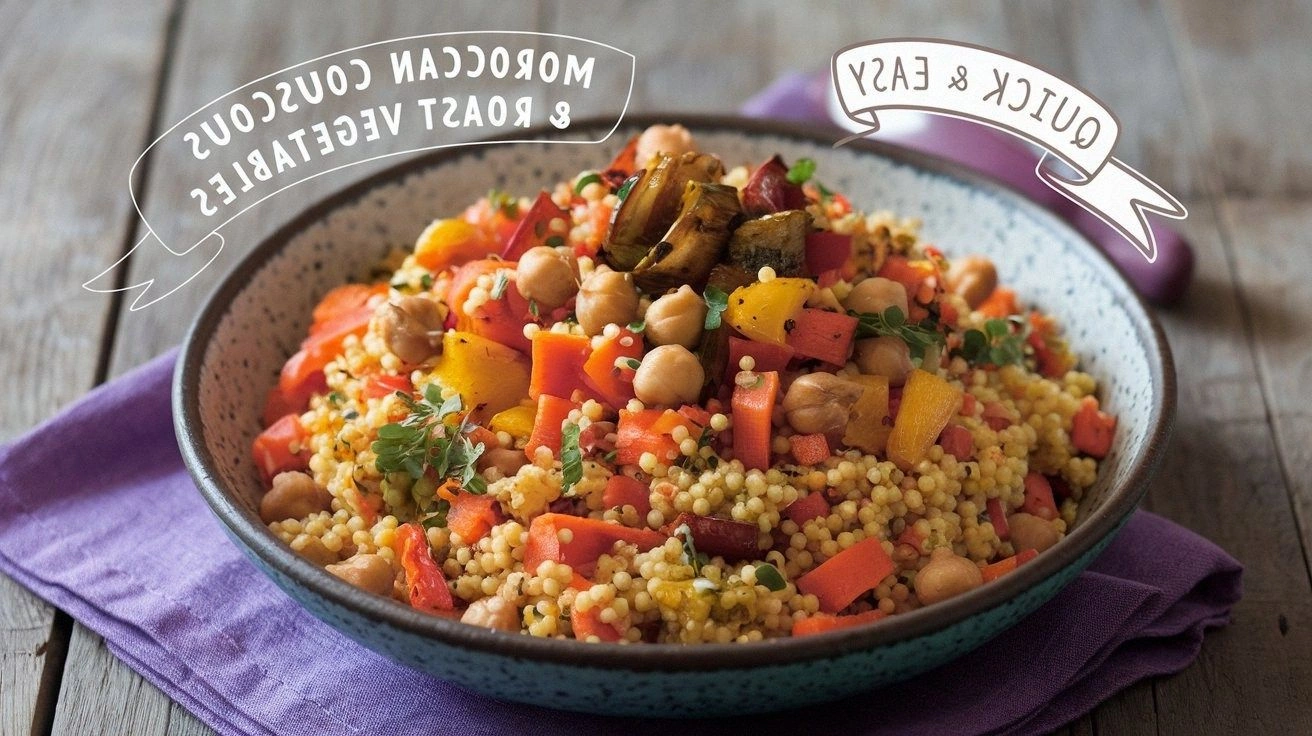
Picture yourself pulling this dish from the oven, the whole kitchen smelling incredible, and the table already set with a steaming bowl of fluffy couscous topped with roasted vegetables that crackle at the edges like thin ice. The first bite is a burst of caramelized carrot and pepper, followed by the subtle crunch of toasted almonds that crackle like a tiny applause. The dried apricots and raisins add a sweet, chewy counterpoint that keeps you guessing, while the chickpeas bring a hearty, protein‑rich bite that makes this more than a side dish—it’s a main course that sings. If you've ever struggled with couscous, you're not alone, and I've got the fix. The secret is in the roasting, the spice blend, and that final splash of lemon juice that brightens everything.
What sets this version apart from every other recipe is the meticulous layering of textures and flavors. The vegetables are roasted to a golden perfection, their sugars caramelized and their edges crisp. The couscous is toasted lightly before steaming, giving it a nutty undertone that anchors the dish. The chickpeas are added at the very end, just enough to warm without becoming mushy. The toasted almonds provide a satisfying crunch that contrasts beautifully with the soft couscous and the chewy dried fruit. And the final drizzle of lemon and fresh herbs lifts everything, giving it that unmistakable Moroccan brightness.
I’ll be honest—when I first tasted it, I ate half the batch before anyone else got a chance. The flavors were so rich that I almost forgot the dish was supposed to be a side. Most recipes get this completely wrong, but here’s what actually works: a bold spice blend, a careful roast, and a finishing touch that turns the whole dish into a cohesive, mouth‑watering masterpiece. Stay with me here—this is worth it. Let me walk you through every single step, and by the end, you’ll wonder how you ever made it any other way.
What Makes This Version Stand Out
Flavor: The spice blend is the heart of the dish, balancing warm cumin, earthy coriander, sweet cinnamon, and smoky paprika for a complex, aromatic profile that’s unmistakably Moroccan.
Texture: Toasted almonds, roasted vegetables, and chickpeas create layers of crunch, chew, and softness that keep each bite interesting.
Visual Appeal: The golden roasted vegetables against the light, fluffy couscous create a vibrant, Instagram‑ready plate that’s as pleasing to the eye as it is to the palate.
Convenience: All the steps can be done in under 45 minutes, and the dish can be made ahead and reheated without losing its charm.
Health: Packed with plant protein from chickpeas, fiber from couscous and veggies, and healthy fats from olive oil and almonds, it’s a balanced, wholesome meal.
Versatility: The recipe works beautifully with different protein options—add grilled chicken or lamb for a more hearty main, or keep it vegetarian for a lighter option.
Audience: Whether you’re feeding a family, hosting a dinner party, or meal‑prepping for the week, this dish scales easily and impresses everyone.
Make‑ahead Potential: The couscous stays fluffy and the roasted veggies keep their texture even after refrigeration, making it perfect for busy weeknights.
Alright, let's break down exactly what goes into this masterpiece...
Inside the Ingredient List
The Flavor Base
The foundation of this dish starts with the spice blend. A teaspoon each of cumin, coriander, paprika, and half a teaspoon of cinnamon, combined with a pinch of ground ginger and a splash of olive oil, creates an aromatic base that permeates every grain of couscous. If you skip this step, the dish will feel flat and lack depth; the spices are what give it that unmistakable Moroccan punch. For a milder version, reduce the cumin and paprika by half, but keep the cinnamon to preserve that sweet warmth.
When selecting spices, look for fresh, aromatic powders. The darker the color, the fresher the flavor. A small pinch of smoked paprika adds a subtle smokiness that mimics the slow‑cooked, open‑fire flavor of traditional Moroccan cooking. If you’re a fan of heat, a dash of cayenne or a pinch of harissa paste will give the dish a gentle kick without overpowering the other flavors.
The Texture Crew
This dish thrives on contrast. The couscous itself is light and fluffy, but the roasted vegetables bring a caramelized crunch. The chickpeas add a hearty, protein‑rich bite, while the toasted almonds introduce a satisfying crunch that doesn’t overwhelm the other textures. If you prefer a smoother bite, you can mash the chickpeas slightly before adding them, but the whole‑bean version keeps the dish interesting and provides a delightful burst of flavor.
The dried apricots and raisins, optional but highly recommended, provide a chewy, sweet counterpoint that balances the savory spices. They also add a pop of color that makes the dish look as good as it tastes. If you’re avoiding sugar, you can replace them with a handful of pitted dates or simply leave them out; the dish will still shine.
The Unexpected Star
Toasted almonds are the secret weapon that elevates this couscous from good to unforgettable. The almonds are lightly salted and toasted until golden, releasing a nutty aroma that lingers on the tongue. If you’re allergic to nuts, you can replace them with pumpkin seeds or sunflower seeds for a similar crunch. The key is to toast them just until they’re fragrant—over‑toasting will make them bitter.
Another surprising element is the lemon juice. A tablespoon of fresh lemon juice added right at the end brightens the dish, cutting through the richness of the olive oil and the sweetness of the apricots. If you’re not a fan of acidity, reduce the amount to half a tablespoon, but don’t skip it entirely; it’s the finishing touch that gives the dish its signature zing.
The Final Flourish
Fresh herbs like parsley and cilantro provide a burst of color and a fresh, green note that balances the warm spices. Roughly two tablespoons of each, chopped finely, are sprinkled over the top just before serving. The herbs also add a subtle peppery flavor that complements the cumin and coriander. If you’re cooking for a crowd, you can double the amount of herbs to keep the flavor profile consistent across all servings.
A pinch of salt and a dash of freshly ground black pepper are essential to bring all the flavors together. Salt enhances the sweetness of the apricots and the savory depth of the chickpeas, while pepper adds a gentle warmth. Taste as you go; you’ll know the dish is ready when the spices are fragrant and the vegetables are caramelized to a deep golden hue.
Everything’s prepped? Good. Let’s get into the real action...
The Method — Step by Step
- Preheat your oven to 425°F (220°C). While the oven warms, rinse the couscous in a fine mesh sieve under cold running water. This removes excess starch and ensures fluffy grains. Once drained, transfer the couscous to a dry skillet and toast over medium heat for about 2 minutes, stirring constantly until it turns a light golden brown and releases a nutty aroma. This step is crucial; it locks in flavor and prevents the grains from sticking together later.
- In a small bowl, whisk together 2 teaspoons of olive oil, 1 teaspoon each of cumin, coriander, and paprika, ½ teaspoon of cinnamon, and a pinch of ground ginger. Add a splash of lemon juice to this mixture, which will serve as your spice paste. The bright citrus will cut through the richness of the olive oil and help the spices adhere to the vegetables. Set the paste aside.
- Chop the vegetables: 1 medium onion into wedges, 2 medium carrots into ½‑inch cubes, 1 medium zucchini into ½‑inch rounds, and 1 bell pepper into strips. Toss the chopped veggies in the spice paste until each piece is evenly coated. Spread them on a large baking sheet in a single layer; overcrowding will cause them to steam instead of roast. Roast for 20–25 minutes, turning once, until the edges are crisp and the vegetables are tender. The caramelized edges will crackle like thin ice, giving the dish a satisfying crunch.
- While the veggies roast, bring 2 cups of vegetable broth to a gentle simmer in a medium saucepan. Add 1 cup of cooked chickpeas and ½ cup of toasted almonds. Simmer for 5 minutes to warm the chickpeas and infuse the broth with almond flavor. If you’re using dried apricots and raisins, add them now and let them plump for a couple of minutes. This step ensures the chickpeas are warm but not mushy, and the fruit soaks up the savory broth.
- When the couscous is toasted, pour 2 cups of the hot broth over it in a single pour, stirring quickly to combine. Cover the pot with a tight‑fitting lid and remove from heat. Let it steam for 10 minutes, then fluff with a fork to separate the grains. The couscous will absorb the broth and become fluffy and fragrant.
- Once the couscous has rested, fold in the roasted vegetables, warm chickpeas, toasted almonds, and dried fruit. Gently stir to combine, ensuring the grains are evenly coated with the roasted veggies and the chickpeas are distributed throughout. The dish should feel moist but not soupy; if it’s too dry, drizzle a splash more broth or a tablespoon of olive oil.
- Taste the couscous and adjust seasoning with salt and pepper. Add a final squeeze of lemon juice if you’d like more brightness. Sprinkle chopped parsley and cilantro over the top, then drizzle a thin stream of olive oil for shine. The herbs will add a fresh, green note that lifts the dish.
- Serve the couscous in a large, shallow bowl or on a platter, ensuring each portion has a generous amount of vegetables and chickpeas. Garnish with extra toasted almonds and a few whole dried apricots for visual appeal. Plate immediately to enjoy the contrast of warm, roasted veggies against the cool, fluffy grains.
That’s it — you did it. But hold on, I've got a few more tricks that'll take this to another level. These insider tips will help you avoid common pitfalls and elevate your couscous to a culinary masterpiece.
Insider Tricks for Flawless Results
The Temperature Rule Nobody Follows
Many cooks roast vegetables at a lower temperature, thinking it will prevent burning. However, a high heat of 425°F (220°C) is essential for that caramelized crunch. The high temperature also helps the spices form a flavorful crust on the veggies. If you’re using a convection oven, reduce the temperature by 25°F to avoid over‑roasting.
Why Your Nose Knows Best
When the spices hit the skillet, they’ll release a fragrant aroma that signals everything is working. If the smell is faint, you’re probably under‑seasoning. Trust your nose; a strong, earthy scent means the spices are properly toasted and ready to elevate the dish.
The 5-Minute Rest That Changes Everything
After roasting the veggies, let them sit for 5 minutes before stirring. This brief rest allows the juices to redistribute, ensuring each bite is juicy and flavorful. If you stir immediately, you risk breaking the caramelized crust and losing that satisfying crunch.
The Quick Broth Boost
If you’re short on time, replace the vegetable broth with a splash of water mixed with a teaspoon of bouillon powder. The bouillon will add depth and umami, giving the couscous a richer flavor profile without extra cooking time.
The Lemon Twist
A simple squeeze of lemon at the end can transform the dish. The acidity brightens the flavors and balances the sweetness of the dried fruit. If you’re not a fan of citrus, a dash of vinegar (apple cider or red wine) can provide a similar brightening effect.
Creative Twists and Variations
This recipe is a playground. Here are some of my favorite ways to switch things up:
Grilled Lamb Tagine Twist
Swap the chickpeas for tender, sliced grilled lamb. Marinate the lamb in a mixture of yogurt, cumin, coriander, and smoked paprika before grilling. The lamb’s richness pairs beautifully with the spiced couscous, creating a hearty, protein‑filled main dish.
Sweet Potato & Black Bean Version
Replace carrots and zucchini with diced sweet potatoes and add a cup of black beans. The natural sweetness of the sweet potato balances the savory spices, and the beans add a creamy texture. This version is especially popular during the fall season.
Mediterranean Lemon Herb Variation
Add a generous amount of chopped olives and capers to the roasted vegetables. Finish with a squeeze of fresh lemon juice and a sprinkle of oregano. The olives add briny depth, while the capers provide a sharp, tangy bite.
Vegan Protein Boost
Include a cup of cooked lentils and a handful of crumbled tofu for extra protein. The lentils absorb the spices, while the tofu adds a subtle, silky texture that complements the crunchy almonds.
Spicy Harissa Kick
Stir in a tablespoon of harissa paste with the spice blend for a fiery kick. The harissa’s smoky, peppery flavor adds depth, while the chili heat keeps diners on their toes.
Dessert‑Style Sweet Couscous
Drop the spices entirely and replace the dried fruit with fresh berries. Drizzle with honey and sprinkle toasted coconut. Serve as a sweet, comforting dessert or a brunch treat.
Storing and Bringing It Back to Life
Fridge Storage
Cool the couscous completely before refrigerating. Store in an airtight container for up to 4 days. The roasted vegetables and chickpeas retain their texture, and the couscous stays fluffy. When ready to reheat, add a splash of vegetable broth or water to loosen the grains.
Freezer Friendly
Pack the couscous in a freezer‑safe bag, removing as much air as possible. Freeze for up to 3 months. When reheating, thaw overnight in the fridge, then microwave on medium power for 3 minutes, stirring halfway. Finish with a drizzle of olive oil or a splash of broth to restore moisture.
Best Reheating Method
The key to reviving the dish is gentle reheating. Place the couscous in a saucepan over low heat, adding a small splash of water or broth. Cover and steam for 5 minutes, stirring occasionally. The tiny splash of liquid will steam the grains back to their original fluffiness. Finish with a quick squeeze of fresh lemon juice to brighten the flavors.