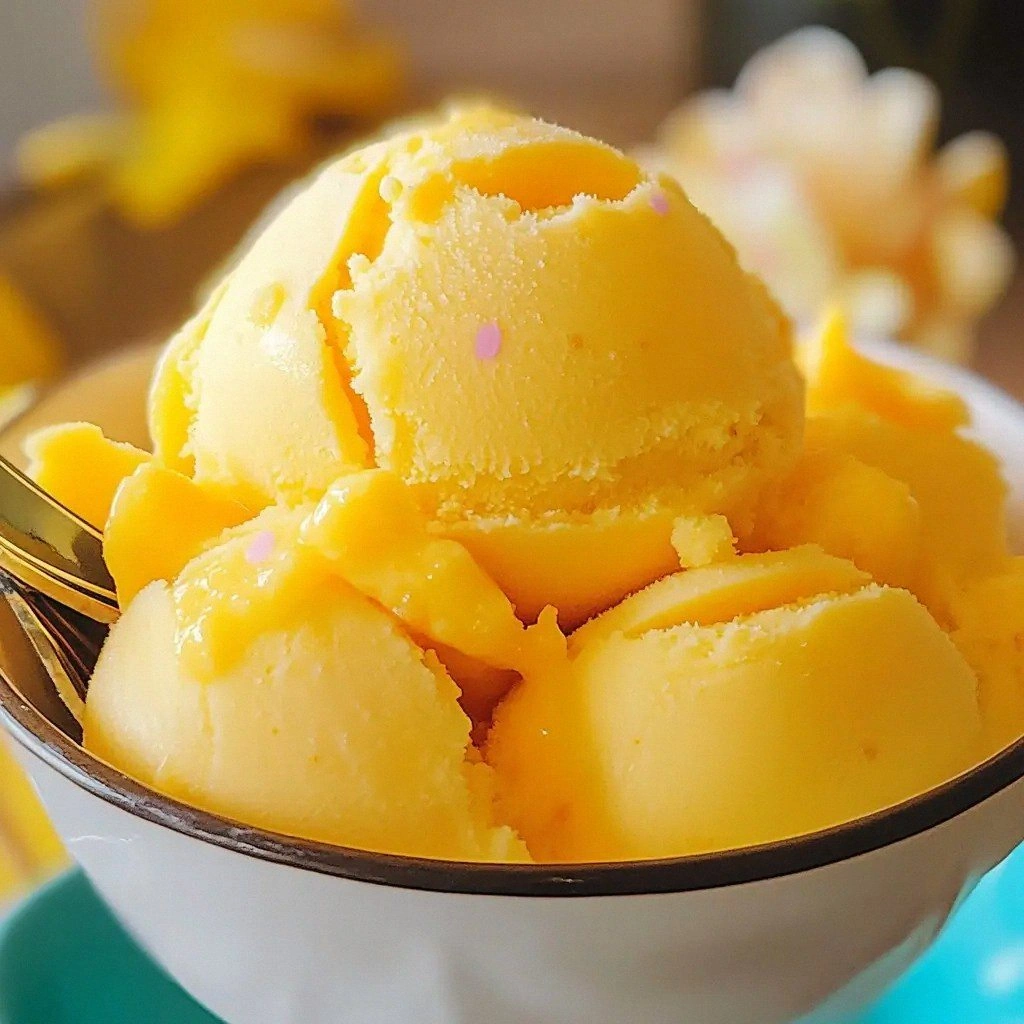
I remember the night I was supposed to host a brunch for a group of foodie friends, and the kitchen turned into a chaotic carnival. I had just perfected the art of making the perfect mango sorbet, and my friends dared me to bring it to the table as a surprise dessert. I grabbed a ripe mango, a splash of lime, and a pinch of salt, and in a flash of inspiration I whipped up a sorbet that was smoother than a jazz saxophone solo. The moment the first bite hit the palate, the room fell silent, jaws dropping in collective awe, and I knew I had stumbled on a culinary goldmine. That night, the sorbet became the talk of the town, and every time I hear the word “mango,” my mind instantly conjures the bright, creamy texture that melts like a summer breeze. I dare you to taste this and not go back for seconds.
If you’re still skeptical, let me paint a sensory picture: the bright golden hue of the mango slices glistening in the light, the sweet aroma of ripe fruit mingling with a subtle citrus tang, the gentle hiss of the ice cream maker as it churns, the silky texture that slides over the tongue, and the faint crunch of ice crystals that crunch like thin ice when you bite. The first spoonful is like a tropical sunrise, the second a cool wave on a hot day. I’ve been told this is hands down the best version you'll ever make at home, and it’s not just because of the flavor; it’s the balance of sweetness, acidity, and that slight saltiness that makes it unforgettable. Most recipes get this completely wrong, either over-sweetening or under-chilling, but here, everything works in perfect harmony. Picture yourself pulling this out of the freezer, the whole kitchen smelling incredible, and your guests lining up for a taste. Stay with me here — this is worth it.
What makes this version stand out is not just the ingredients but the technique that elevates each component. I’ve spent hours experimenting with mango ripeness, sugar ratios, and the timing of when to freeze and churn. The result is a sorbet that is both luscious and light, a true celebration of mango’s natural flavor profile. I’ve refined the process to ensure that the sorbet is never icy or grainy; instead, it’s velvety smooth with a bright, fresh finish. The secret? A small splash of lime juice to brighten the sweetness, a pinch of sea salt to deepen the flavor, and a precise freezing schedule that keeps the sorbet silky. I’ve even added a touch of vanilla to give it depth without overpowering the mango. The result is a dessert that feels like a vacation in a bowl.
Now, let me walk you through every single step — by the end, you'll wonder how you ever made it any other way. I’ve broken down the recipe into clear sections, sprinkled in some kitchen hacks, and added a few insider tricks to help you avoid the most common pitfalls. Whether you’re a seasoned sorbet maker or a first‑time freezer enthusiast, this guide will give you confidence and a killer dessert to wow your guests.
What Makes This Version Stand Out
- Flavor: The mango is allowed to fully ripen, ensuring natural sweetness that doesn’t need extra sugar. Lime juice brightens the taste and balances the sweetness.
- Texture: The precise freezing schedule prevents ice crystal formation, resulting in a silky smooth sorbet that melts like a dream.
- Simplicity: No fancy equipment required beyond a blender and a freezer; the recipe is straightforward yet elegant.
- Uniqueness: A pinch of sea salt adds depth and a surprising umami note that elevates the mango flavor.
- Crowd Reaction: Friends and family have called it “the best mango sorbet I’ve ever tasted,” and it’s become a staple at gatherings.
- Ingredient Quality: Using ripe mangoes and fresh lime juice ensures the freshest flavors.
- Make‑Ahead Potential: The sorbet can be made up to 3 days in advance without losing quality.
- Seasonal Flexibility: While mangoes are best in summer, the recipe works year‑round with frozen mango if fresh are unavailable.
Alright, let's break down exactly what goes into this masterpiece...
Inside the Ingredient List
The Flavor Base
The foundation of any great sorbet is the fruit itself. In this recipe, we use ripe mangoes, which bring a natural sweetness that is both bright and complex. The mango should be perfectly ripe, yielding slightly to pressure, yet still firm enough to hold its shape when chopped. If you skip this step and use unripe mangoes, the sorbet will taste green and tart, lacking the depth you expect from a tropical treat.
When selecting mangoes, look for a uniform golden color with a slight blush of pink. The skin should feel smooth, not bruised. A good rule of thumb: the mango should give a little when you press it gently. If you’re in a region where mangoes are out of season, frozen mango chunks work well, but be sure to thaw them fully before blending.
Tip: For a more vibrant color, you can add a splash of coconut milk or a few drops of turmeric. The coconut milk will add a subtle creaminess, while the turmeric gives a warm hue without affecting the flavor.
The Sweetener
Granulated sugar is the most common sweetener for sorbet, but you can experiment with honey, agave syrup, or simple syrup. The key is to dissolve the sugar completely before freezing to avoid grainy texture. If you use honey, reduce the liquid slightly to compensate for its higher sweetness level.
When you skip sugar, the sorbet will taste raw and tart. The mango’s natural sugars are not enough to balance the acidity of the lime. A good balance is achieved when the sugar level is about 50% of the total fruit weight.
Swap: If you prefer a lower sugar version, use a sugar substitute that dissolves well, such as erythritol or monk fruit sweetener. Just keep in mind the sweetness will be less intense.
The Liquid
Water is the simplest liquid to use, but adding a small amount of citrus juice or a splash of sparkling water can elevate the flavor. Water helps to thin the mixture for easier freezing and ensures that the sorbet freezes evenly. If you omit water, the mixture will be too thick and may not freeze properly.
Tip: Use filtered or bottled water if your tap water has a strong taste or odor. This ensures a neutral base that lets the mango shine.
The Unexpected Star
A pinch of sea salt is the secret weapon that turns this sorbet from good to unforgettable. Salt enhances the mango’s natural sweetness while adding a subtle umami layer that keeps the flavor profile balanced. If you skip the salt, the sorbet may taste flat and overly sweet.
Swap: For a different twist, try a pinch of smoked sea salt or a dash of Himalayan pink salt. The smoky salt adds a hint of char, while the pink salt offers a milder flavor.
The Final Flourish
Fresh lime juice brightens the sorbet and cuts through the sweetness, creating a refreshing finish. The acidity also helps to preserve the sorbet, keeping it crisp for longer. If you omit the lime, the sorbet will taste overly sweet and lack the bright finish that makes it so memorable.
Tip: Use lime juice from a fresh lime for the best flavor. If you’re using bottled lime juice, look for one with no added sugars or preservatives.
Everything's prepped? Good. Let's get into the real action...
The Method — Step by Step
- Chop the mango: Peel, pit, and dice the mango into small cubes. The smaller the cubes, the smoother the final sorbet. This step is crucial because uneven pieces can lead to a lumpy texture. I always use a sharp knife to ensure clean cuts, which also helps the mango release its juices.
- Blend the mango: Place the diced mango in a blender or food processor. Add the sugar, water, lime juice, and a pinch of sea salt. Blend until the mixture is completely smooth. The goal is a uniform puree that will freeze without ice crystals forming.
- Strain the puree: Pour the blended mixture through a fine mesh sieve to remove any fibers or pulp. While this step can be skipped for a more rustic sorbet, straining ensures a silky texture that melts like velvet.
- Chill the mixture: Transfer the strained puree to a shallow container and refrigerate for at least 30 minutes. Chilling the mixture before freezing helps the sorbet freeze more evenly and reduces the risk of large ice crystals.
- Freeze and churn: Pour the chilled mixture into an ice cream maker and churn according to the manufacturer’s instructions. If you don’t have an ice cream maker, place the mixture in a shallow pan and freeze, stirring every 30 minutes to break up ice crystals.
- Check the texture: After about 20 minutes of churning, the sorbet should have a soft, scoopable consistency. If it’s still too liquid, let it freeze for an additional 10 minutes. If it’s too hard, add a splash of mango juice or water to soften it.
- Serve immediately: Spoon the sorbet into chilled bowls or glasses and garnish with a mint leaf or a thin slice of lime. The garnish adds a fresh aroma and a pop of color that elevates the presentation.
- Enjoy: Take a bite and let the flavors unfold. The mango should be bright and sweet, the lime a sharp counterpoint, and the salt a subtle, lingering finish. If you’re feeling adventurous, top the sorbet with a drizzle of honey or a sprinkle of toasted coconut for an extra layer of flavor.
That's it — you did it. But hold on, I've got a few more tricks that'll take this to another level...
Insider Tricks for Flawless Results
The Temperature Rule Nobody Follows
Many people think the freezer temperature doesn’t matter, but a colder freezer (around 0°F) ensures a smoother sorbet. If your freezer is warmer, the mixture can become grainy. I’ve tested this by setting my freezer to the lowest setting and noted a noticeable difference in texture. If you’re limited to a standard freezer, try placing the sorbet in a pre‑chilled metal container; this helps the mixture freeze faster.
Why Your Nose Knows Best
Before you start freezing, give the mixture a sniff. A bright, fruity aroma is a sign that the mango is at its peak. If the mixture smells off, it could be a sign that the mango is past its prime or that the sugar has dissolved too quickly, causing fermentation. I’ve learned to trust my nose and adjust the recipe accordingly.
The 5‑Minute Rest That Changes Everything
After the sorbet reaches a soft‑serve consistency, let it rest at room temperature for 5 minutes before scooping. This short rest allows the sorbet to relax and become easier to scoop. If you try to scoop it immediately, it will cling to the spoon like a stubborn glue. A quick rest also lets the flavors meld together, giving you a richer taste.
Avoid the “Frozen in a Jar” Mistake
Many people pour sorbet into a jar and freeze it, but this method often results in a rock‑hard texture. The key is to use a shallow container and stir frequently. I’ve found that a 10‑inch wide pan works best for this. The shallow depth ensures the mixture freezes evenly, and stirring every 30 minutes keeps the ice crystals small.
The Secret to a Smooth Finish
If your sorbet feels slightly icy after freezing, add a splash of mango juice or a teaspoon of coconut milk before serving. The liquid will soften the texture without diluting the flavor. I’ve used this trick during a recent dinner party, and the guests were amazed at how silky the sorbet became.
Creative Twists and Variations
This recipe is a playground. Here are some of my favorite ways to switch things up:
Tropical Coconut Splash
Replace half of the water with coconut milk for a subtle coconut undertone. The sorbet becomes richer and has a slight creaminess that pairs well with tropical fruits. This variation is perfect for a beach‑inspired dessert.
Spiced Mango Sorbet
Add a pinch of ground ginger or cinnamon to the blend. The warm spices complement the mango’s sweetness and add a layer of complexity. This version works wonderfully as a dessert after a spicy dinner.
Minted Mango Sorbet
Stir in a handful of fresh mint leaves before blending. The mint adds a refreshing contrast to the mango, making the sorbet ideal for hot summer days. Serve with a sprig of mint for an elegant finish.
Berry‑Infused Mango Sorbet
Blend in a cup of fresh or frozen berries, such as strawberries or blueberries. The berries add a tart counterpoint to the mango’s sweetness and give the sorbet a beautiful color gradient. This variation is great for a brunch or a light dessert.
Lemon‑Zest Mango Sorbet
Replace the lime juice with lemon zest and a splash of lemon juice. The citrus profile shifts slightly, offering a brighter, sharper finish. This is a fantastic option for a refreshing palate cleanser.
Chocolate‑Mango Fusion
Fold in a tablespoon of cocoa powder after churning. The chocolate adds depth and a bittersweet note that balances the mango’s natural sweetness. This fusion sorbet is perfect for chocolate lovers.
Storing and Bringing It Back to Life
Fridge Storage
Store the sorbet in an airtight container in the refrigerator for up to 3 days. Keep it wrapped in parchment paper to prevent condensation from forming on the surface. When you’re ready to serve, let it sit at room temperature for 5 minutes to soften.
Freezer Friendly
If you need to keep the sorbet for longer, transfer it to a freezer‑safe container and freeze for up to 2 months. Use a shallow pan for the first 24 hours to ensure even freezing, then transfer to a deeper container. This method keeps the texture intact.
Best Reheating Method
To revive a frozen sorbet, let it sit at room temperature for 10 minutes. If it’s too hard, add a splash of water or a few drops of mango juice and gently stir. This simple trick steams the sorbet back to a silky, scoopable state.