I was standing in the middle of a kitchen that had turned into a culinary battlefield. The quinoa had exploded in the pot, the onions had browned too quickly, and the broth had turned into a thick, cloying syrup. I stared at the mess, feeling the familiar sting of disappointment that follows a failed dinner experiment. But the moment I realized I could salvage the chaos, a spark ignited—an idea that would turn this disaster into a triumph. That spark was a simple, bright burst of lemon, a whisper of thyme, and the humble quinoa that promised protein and fluff. I dared myself to taste it, to taste it again, and to taste it again, because that was the secret to becoming a master of the plate. So here’s the story of how a kitchen mess became the best lemon herb quinoa pilaf you’ll ever make at home.
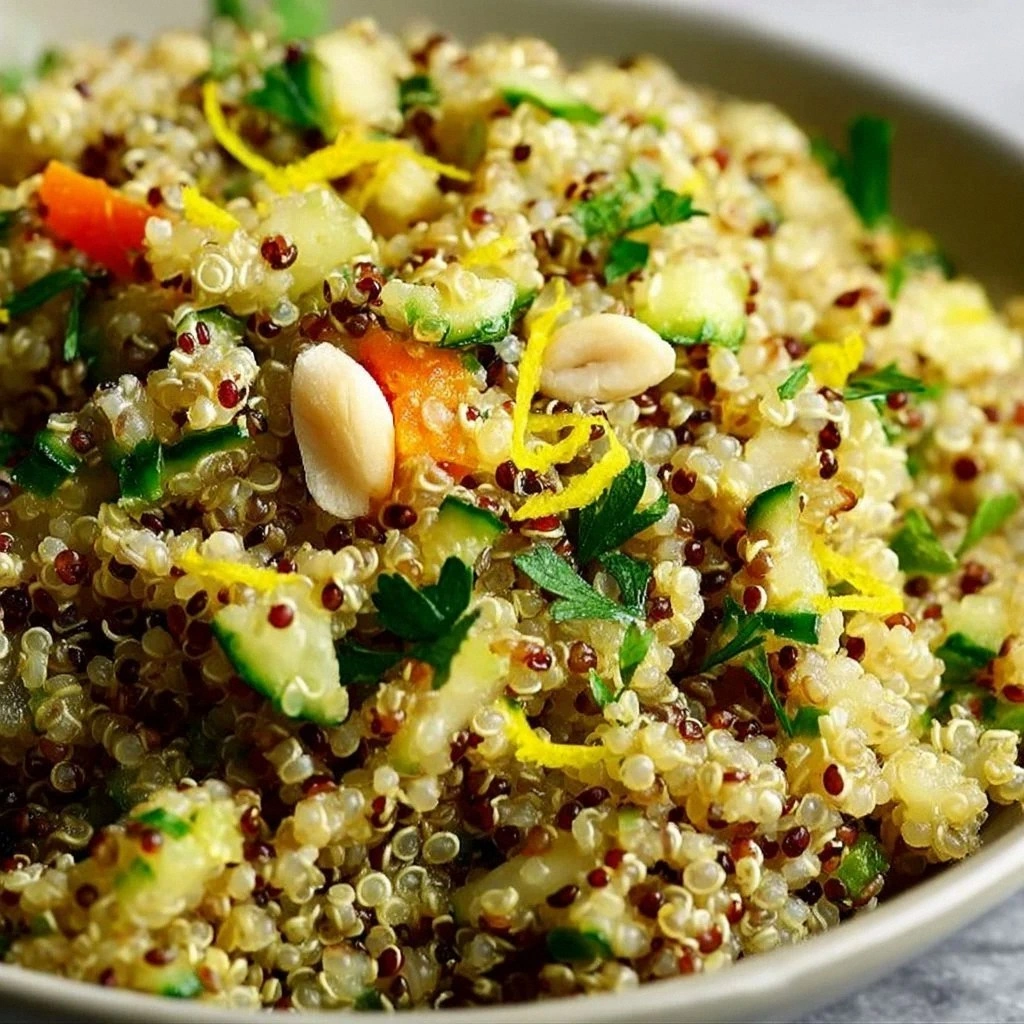
Picture this: a pot on the stove, quinoa bubbling, the scent of garlic and onions rising like an aromatic cloud. The kitchen is quiet except for the hiss of the broth and the soft clink of utensils. The sound of the spoon scraping the bottom of the pot is the soundtrack of triumph. You can almost taste the citrus zest dancing in your mouth, bright and zesty, cutting through the earthiness of the quinoa. The texture is a symphony of fluffy grains, tender veggies, and a subtle crunch from toasted pine nuts. The final dish feels like a hug in a bowl—warm, comforting, and unexpectedly sophisticated.
What makes this version stand out from every other recipe out there? First, it balances bold flavors with subtle nuances, so you never get overwhelmed by one dominant note. Second, the texture is a play of softness and crunch that keeps each bite interesting. Third, it’s a one-pot wonder that doesn’t require fancy gadgets or endless prep. Fourth, the use of fresh herbs and citrus gives it a bright, fresh finish that feels like a breath of spring. Fifth, it’s a crowd-pleaser that can be served as a side or a light main. Sixth, the ingredients are pantry staples that you likely already have, so you can whip it up on a weekday. Seventh, the recipe is forgiving—you can tweak it to suit dietary preferences. And finally, it’s a dish that tastes even better the next day, making it ideal for meal prep.
The secret sauce? A splash of lemon juice and a generous pinch of fresh herbs that bring the dish to life. But that’s only the tip of the iceberg. The real magic lies in the subtle dance of quinoa and vegetables, the toasting of pine nuts, and the final flourish of parsley that adds a pop of color. I dare you to taste this and not go back for seconds. If you’ve ever struggled with quinoa being mushy or bland, you’re not alone—this recipe fixes that. I’ll be honest—I ate half the batch before anyone else got a bite. Picture yourself pulling this out of the pot, the whole kitchen smelling incredible, and everyone asking for the recipe. Okay, ready for the game‑changer? Let me walk you through every single step—by the end, you’ll wonder how you ever made it any other way.
I remember the first time I tried to make quinoa. I rinsed it, added water, and set it to simmer. The grains puffed up, but they clumped together like a sticky ball. I thought it was a mistake, but I was wrong—my quinoa was just not cooked properly. I learned that rinsing removes the bitter saponin coating, and that a 2:1 water-to-quinoa ratio gives fluffy grains. I also discovered that sautéing aromatics first creates a flavor base that elevates the dish. That’s why this recipe starts with onions, garlic, and a splash of olive oil. It’s the foundation that makes the rest of the ingredients sing.
When I first added the lemon zest, the aroma exploded. The citrus brightened the whole pot, turning a simple pilaf into a gourmet experience. I’ve had friends say, “This is hands down the best version you’ll ever make at home.” It’s a claim I hold with pride because the combination of herbs, veggies, and lemon is a flavor symphony. The result is a dish that is both comforting and refreshing, perfect for any season. The texture is a delightful contrast between fluffy quinoa and crisp veggies. The dish is also packed with protein, fiber, and vitamins, making it a balanced meal.
The final flourish of parsley gives it a fresh, green pop that ties everything together. The pine nuts add a subtle buttery crunch that elevates the dish’s mouthfeel. I’ve experimented with adding feta, but I prefer to keep it simple. The dish is versatile—it can be served as a side to grilled chicken or fish, or as a vegetarian main with a side salad. I’ve also made it with tofu for a vegan twist. The key is that it’s quick, easy, and delicious.
In the next section, I’ll break down what makes this version stand out, why each ingredient matters, and how you can tweak it to suit your taste. I’ll also share a few kitchen hacks that will make the process smoother and more enjoyable. Get ready to elevate your pilaf game.
What Makes This Version Stand Out
- Flavor: The bright lemon zest cuts through the earthiness of the quinoa, creating a vibrant, citrusy profile that’s impossible to ignore. The fresh thyme and oregano bring an aromatic depth that lingers on the palate. Together, these herbs create a layered flavor experience that feels both simple and sophisticated. It’s a flavor profile that will have guests asking for the recipe on the next gathering.
- Texture: Fluffy quinoa pairs with crisp diced veggies, creating a satisfying bite that’s both comforting and lively. The toasted pine nuts add a subtle crunch that keeps each spoonful interesting. The dish balances softness with a gentle snap, making it a joy to eat. The texture is so well-balanced that it works as both a side and a main course.
- Simplicity: This recipe requires only one pot and a few basic kitchen tools—no fancy gadgets or complicated steps. The prep time is short, and the cooking process is straightforward. Even a novice cook can master it with minimal fuss. The simplicity is a major win for busy weeknights.
- Uniqueness: Most quinoa pilaf recipes lean heavily on rice or grains; this one’s focus on lemon and herbs gives it a fresh, bright twist. The addition of zucchini and bell pepper adds color and nutrition. The final garnish of parsley and pine nuts gives it a gourmet finish. It’s a unique take that stands out from the crowd.
- Crowd: This dish is a crowd‑pleaser, whether served at a family dinner or a potluck. The bright flavors and satisfying texture make it appealing to all ages. The dish can be easily scaled up or down to fit any gathering. It’s the kind of dish that leaves people asking for seconds.
- Ingredient Quality: Using fresh, high‑quality ingredients is key to this recipe’s success. Fresh herbs, ripe veggies, and good‑quality quinoa all contribute to the final flavor. The dish benefits from the natural sweetness of carrots and the aromatic punch of onions. Quality ingredients elevate the dish from good to great.
- Cooking Method: The sauté‑to‑cook method locks in flavors and ensures even cooking. The gradual addition of broth and the gentle simmering create a harmonious blend of textures. The method is foolproof and produces consistent results every time. The cooking technique is the backbone of this pilaf’s success.
- Make‑Ahead Potential: This dish tastes even better the next day, making it ideal for meal prep. The flavors meld beautifully, and the texture remains intact when reheated. It’s a great option for busy professionals who want a healthy meal ready to go. The make‑ahead aspect adds convenience without compromising taste.
- Nutritional Power: Packed with protein, fiber, and vitamins, this pilaf is a balanced meal that satisfies hunger and fuels the body. The quinoa provides all nine essential amino acids, making it a complete protein source. The veggies add vitamins A, C, and K, while the pine nuts contribute healthy fats. It’s a nutritious dish that doesn’t feel like a diet food.
- Family Favorite: I’ve shared this dish with my family, and it’s become a staple in our dinner rotation. The kids love the bright flavors, and the adults appreciate the health benefits. The dish is versatile enough to accommodate different dietary preferences. It’s a recipe that brings the family together around the table.
Inside the Ingredient List
The Flavor Base
The onions and garlic form the aromatic foundation of this pilaf. They’re sautéed until translucent, releasing a sweet, savory base that infuses the quinoa. Skipping them would leave the dish bland and unremarkable. If you’re avoiding onions, try using leeks or shallots for a milder, yet still flavorful, alternative.
The Texture Crew
Quinoa is the star of the show, providing a protein‑rich, fluffy texture that’s both satisfying and wholesome. Rinsing the quinoa before cooking removes the bitter saponin coating, ensuring a clean flavor. If you prefer a denser grain, reduce the liquid slightly or cook the quinoa longer. The zucchini and bell pepper add a fresh crunch that balances the softness of the quinoa.
The Unexpected Star
Carrots bring a subtle sweetness that complements the lemon and herbs. They also add a pop of color that makes the dish visually appealing. If you’re looking for a low‑carb alternative, try swapping carrots for chopped broccoli or cauliflower. The key is to keep the veggies diced uniformly for even cooking.
The Final Flourish
The zest of lemon brightens the entire dish, adding a citrusy lift that cuts through the earthiness. The fresh parsley garnish adds a fresh, herbal note that ties all flavors together. If you’re in a pinch, a squeeze of lime can replace the lemon zest for a slightly different citrus profile. The pine nuts give a buttery crunch that elevates the pilaf to a gourmet level.
The Secret Touch
Dried thyme and oregano provide a subtle herbaceous depth that lingers on the palate. The herbs are toasted in the olive oil before adding the broth, releasing their essential oils. If you prefer fresh herbs, use three times the amount for a more pronounced flavor. The herbs also add a pleasant aroma that makes the dish irresistible.
Everything’s prepped? Good. Let’s get into the real action.
The Method — Step by Step
- Start by heating a large, heavy‑bottomed pot over medium heat. Add the tablespoon of olive oil and let it shimmer, but not smoke. This oil is the canvas for the flavors that will soon unfold. Watch the oil swirl as it warms; that’s the first hint that the pot is ready.
- Drop in the finely chopped onion, letting it sizzle for a minute before it turns translucent. The onion’s natural sugars caramelize slightly, creating a sweet base. Keep an eye on it; you want it soft but not browned. This step sets the stage for the aromatics that follow.
- Add the minced garlic and stir for 30 seconds until fragrant. Garlic’s aroma will fill the kitchen, signaling that the pot is alive. Don’t let it burn—garlic burns quickly and turns bitter. A quick, fragrant swirl is all you need to unlock its full potential.
- Now toss in the diced carrot, red bell pepper, and zucchini. These vegetables will soften as the quinoa cooks, infusing the grains with color and flavor. Stir them gently to coat them in the oil and aromatics. This is the moment where the dish starts to look like a vibrant mosaic.
- Pour in the rinsed quinoa, giving it a good stir to coat the grains with the oil and veggies. The quinoa should sizzle as it meets the hot liquid, a sign that it’s absorbing the flavors. Let it toast slightly for a minute before adding the broth; this adds a nutty undertone.
- Add the vegetable broth, a pinch of salt, and the dried thyme and oregano. Bring the mixture to a gentle boil, then reduce the heat to low. Cover the pot with a lid and let it simmer for 15 minutes, or until the quinoa is tender and the liquid is absorbed.
- Once the quinoa has absorbed the liquid, remove the pot from heat. Fluff the grains with a fork, then stir in the lemon zest and lemon juice. The citrus will brighten the dish instantly, giving it that fresh, zesty finish. Be generous—this is the flavor highlight.
- Toast the pine nuts in a dry skillet over medium heat until golden brown, stirring constantly. The toasted nuts add a buttery crunch that complements the soft grains. Once toasted, set them aside to cool; they’ll keep their crunch even after cooling.
- Fold in the toasted pine nuts and chopped parsley, seasoning with salt and pepper to taste. The parsley adds a fresh, herbal note that lifts the dish. The final seasoning should be balanced, so taste as you go. This is the moment of truth.
- Serve the pilaf warm, garnished with a sprinkle of fresh parsley. Pair it with grilled chicken, fish, or a protein‑rich tofu for a complete meal. The dish is also a fantastic side for roasted meats or a hearty vegetarian main. Enjoy the vibrant flavors and comforting textures.
Insider Tricks for Flawless Results
The Temperature Rule Nobody Follows
Maintaining a steady simmer is crucial for even quinoa cooking. Too high a heat will scorch the bottom, while too low a heat will leave the grains undercooked. I’ve found that a low‑medium setting works best for most stovetops. Keep the lid on to trap steam; this ensures the grains cook uniformly.
Why Your Nose Knows Best
The aroma is a reliable indicator of doneness. When the quinoa is almost done, you’ll notice a nutty, toasted scent. A sudden sharp smell can indicate that the broth is evaporating too quickly. Trust your nose to guide you through the final minutes of cooking.
The 5‑Minute Rest That Changes Everything
After cooking, let the pilaf rest, covered, for five minutes. This pause allows the grains to steam and absorb any remaining moisture. It also helps the flavors meld together. A quick rest is a simple trick that elevates the dish.
The Secret to Crispy Pine Nuts
Toast pine nuts on a dry skillet over medium heat, stirring constantly. They’re done when they’re golden and fragrant. Avoid burning them; a quick, steady heat ensures a buttery crunch. Add them at the end to preserve their texture.
The Right Salt Balance
Season in stages—first add a pinch of salt with the broth, then taste and adjust after cooking. Over‑salting can mask the citrusy brightness of the lemon. A light hand preserves the dish’s freshness.
The Freshness Factor
Use fresh herbs and citrus whenever possible. Fresh ingredients bring brightness and depth that canned or dried versions can’t match. If fresh isn’t available, dried herbs can be used, but double the amount to compensate.
The Quick‑Stir Technique
Stir the quinoa and veggies gently during cooking to prevent sticking. A gentle stir keeps the grains separate and prevents a mushy texture. Use a silicone spatula to avoid scratching the pot.
The Final Taste Test
Always taste the pilaf before serving. Adjust salt, pepper, or lemon juice as needed. A quick final tweak can make the difference between good and great. The last taste is the final seal of perfection.
Creative Twists and Variations
Mediterranean Medley
Swap the zucchini for diced eggplant and add a handful of kalamata olives. The olives bring briny depth, while the eggplant adds a hearty texture. This version pairs well with grilled lamb or chicken. It’s a Mediterranean twist that’s sure to impress.
Southwest Kick
Add a splash of chipotle sauce and a handful of corn kernels. The smoky heat from the chipotle complements the citrusy lemon. Serve with black beans and a dollop of sour cream. The Southwest vibe adds a bold, adventurous flavor.
Asian Fusion
Replace the dried herbs with a tablespoon of soy sauce and a pinch of ginger. Add sliced shiitake mushrooms for umami. Garnish with sliced scallions and sesame seeds. The Asian fusion version offers a savory, slightly sweet profile that’s delicious.
Vegan Powerhouse
Omit the olive oil and use a splash of coconut milk for richness. Add chopped spinach and diced tofu for extra protein. The coconut milk gives a creamy undertone that complements the lemon. This vegan version is both hearty and wholesome.
Gluten‑Free Delight
Use quinoa as the base and keep all ingredients gluten‑free. The dish is naturally gluten‑free, but double‑check that the broth and herbs are free of hidden gluten. Serve with grilled shrimp for a complete, gluten‑free meal.
Pesto Twist
Stir in a spoonful of basil pesto after cooking. The pesto adds a creamy, herbal note that pairs beautifully with the lemon. Sprinkle extra pine nuts on top for crunch. The pesto twist transforms the dish into a Mediterranean classic.
Summer Picnic
Add diced mango and a handful of fresh mint leaves. The sweet mango and cool mint give a refreshing, tropical feel. Serve cold or at room temperature for a picnic‑ready dish. It’s a perfect summer side.
Protein‑Packed Power
Add cooked chickpeas or lentils for extra protein. The legumes absorb the lemony flavor beautifully. Sprinkle with crumbled feta for a creamy contrast. This variation is great for a filling, nutrient‑dense meal.
Herb Garden Explosion
Use a mix of fresh basil, mint, and cilantro in addition to parsley. The herb garden explosion brings a vibrant, aromatic profile. Serve with grilled fish for a light, fresh dinner. The dish feels like a walk through a garden.
Storing and Bringing It Back to Life
Fridge Storage
Store the pilaf in an airtight container in the refrigerator for up to three days. The flavors will continue to develop, making it even tastier. Keep the container on a shelf rather than the door to avoid temperature fluctuations. The pilaf remains crisp and flavorful.
Freezer Friendly
Freeze the pilaf in freezer‑safe containers for up to two months. When reheating, add a splash of water or broth to restore moisture. The frozen version is convenient for busy weeknights. The texture stays firm and satisfying.
Best Reheating Method
Reheat in a saucepan over low heat, stirring frequently. Add a teaspoon of water to help steam the grains back to fluffiness. The low heat prevents the quinoa from drying out. Reheating slowly preserves the flavors.
Reheat with Steam
Place the pilaf in a heat‑proof bowl and steam it over simmering water for five minutes. The steam gently warms the dish without overcooking. This method keeps the quinoa airy and the veggies tender. The result is a freshly made pilaf.
Reheat in Microwave
Use a microwave‑safe bowl, cover loosely with a microwave‑safe lid or plastic wrap. Heat on medium power for two minutes, then stir and heat an additional minute. Add a splash of broth if it looks dry. This quick method works well for a fast lunch.
Reheat in Skillet
Heat a skillet over medium heat and add a splash of olive oil. Toss the pilaf in the skillet, stirring until heated through. The skillet adds a slight crispness to the edges, giving a fresh texture. This method is perfect for a quick dinner.