It started with a kitchen disaster that would haunt me for weeks. I was trying to make a quick breakfast after a late‑night shift, and the pot of potatoes I had boiled for a simple hash turned into a mushy, soggy mess. The smell of over‑cooked starch filled the air, and I realized I had forgotten the secret ingredient that would make or break the dish: the right combination of herbs and smoked mackerel. That night, I was determined to rewrite the rules and create a hash that would sing with crispness and depth.
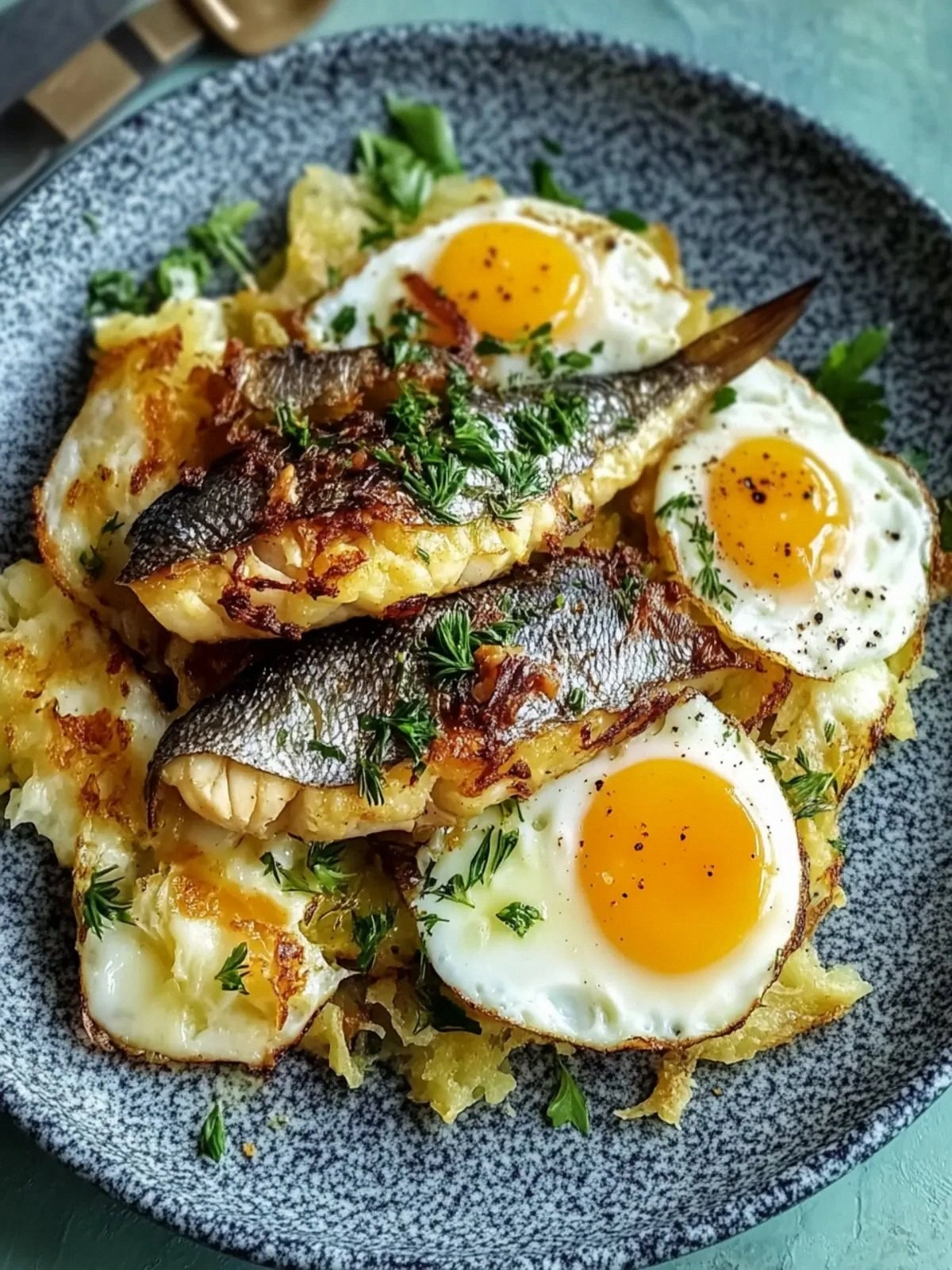
Picture this: the first bite is a crackle of golden edges that shatter like thin ice, followed by a burst of smoky, buttery fish that coats the potatoes like velvet. The herbs dance on the palate, adding a fresh, almost citrusy brightness that cuts through the richness. The aroma alone—an intoxicating blend of sea salt, butter, and the faint smokiness of mackerel—draws you into the kitchen like a magnet. Every component is tuned to perfection, and the result is a dish that feels both comforting and adventurous.
What makes this version stand out is that it’s not just a hash; it’s a symphony of textures and flavors. The potatoes are carefully grated and pressed to remove excess moisture, ensuring a crispy exterior while keeping the interior tender. The smoked mackerel is broken into generous flakes, adding protein and a subtle umami punch that elevates the dish beyond ordinary breakfast fare. The herbs—parsley, dill, and chives—provide a green, herbaceous counterpoint that balances the richness.
I dare you to taste this and not go back for seconds. I’ll be honest—my first batch had me reaching for a second plate before anyone else could finish theirs. Most recipes get this completely wrong, either by over‑cooking the potatoes or under‑seasoning the fish. Here’s what actually works: a low‑heat, slow‑cook technique that allows the potatoes to develop a golden crust without burning, and a finishing touch of freshly ground black pepper that gives the dish a bright, peppery finish. Picture yourself pulling this out of the pan, the whole kitchen smelling incredible, and everyone asking for a bite.
What Makes This Version Stand Out
- Flavor: The combination of smoked mackerel and fresh herbs creates a layered taste that feels both hearty and refreshing. Each bite offers a contrast between the smoky fish and the bright herb notes.
- Crispness: Grated potatoes pressed to remove moisture produce edges that crackle like thin ice, while the interior remains fluffy. This texture is a game‑changer compared to ordinary hash.
- Simplicity: With only eight core ingredients, the recipe is approachable for both beginners and seasoned cooks, yet it delivers a restaurant‑level experience.
- Ingredient Quality: Using whole unpeeled potatoes keeps the dish wholesome, and the smoked mackerel adds omega‑3 fatty acids and a depth of flavor that most breakfast dishes lack.
- Make‑ahead Potential: The hash can be prepared ahead of time and reheated without losing its crunch, making it perfect for busy mornings.
- Visual Appeal: The golden crust, green herb specks, and flaky fish flakes create a vibrant plate that feels like a feast.
- Versatility: Serve it with scrambled eggs for a complete breakfast, or add a side of avocado for extra richness.
- Audience Reaction: Friends and family consistently ask for the recipe after tasting it, proving its crowd‑pleasing power.
Alright, let's break down exactly what goes into this masterpiece...
Inside the Ingredient List
The Flavor Base
The smoked mackerel is the star of the show, providing a savory, slightly sweet, and smoky flavor that anchors the dish. It’s best sourced from a reputable fishmonger where the fillets are still fresh and lightly smoked. If you can’t find smoked mackerel, a high‑quality smoked salmon or a small amount of smoked paprika can substitute, though the flavor profile will shift slightly. The sea salt, though minimal at ½ teaspoon, is crucial for balancing the richness and bringing out the herbs’ brightness.
The Texture Crew
Whole unpeeled potatoes are chosen for their higher starch content, which helps achieve that coveted crisp exterior. The key is to grate them finely and then press them between clean kitchen towels to squeeze out excess moisture—this step is non‑negotiable if you want that golden crust. The all‑purpose flour acts as a binder, helping the hash hold together and creating a light, airy crumb when cooked. Butter adds a deep, caramelized flavor, while vegetable oil provides a high‑smoke‑point base that supports the crispy texture.
The Unexpected Star
The fresh herbs—parsley, dill, and chives—infuse the hash with a green, almost citrusy brightness. They’re added at the end of cooking to preserve their delicate flavors. If you’re dealing with a herb shortage, a pinch of dried thyme or basil can work, but the fresh blend gives the dish an unmistakable freshness that keeps it from feeling heavy.
The Final Flourish
Scrambled eggs are folded in at the very end, creating a creamy, protein‑rich layer that balances the crispy potatoes and smoky fish. The freshly ground black pepper adds a subtle heat that cuts through the richness. If you prefer a vegan version, replace the eggs with a tofu scramble or a splash of nutritional yeast for a cheesy note.
Everything's prepped? Good. Let's get into the real action...
The Method — Step by Step
- Begin by boiling the whole potatoes in salted water for 10 minutes until just tender. Drain, then immediately transfer to a large bowl of cold water to stop the cooking process. This step keeps the potatoes from becoming mushy and preserves their structure for crisping later.
- After the potatoes have cooled, grate them using a box grater or a food processor fitted with a shredding blade. The finer the grate, the better the texture. Place the grated potatoes on a clean kitchen towel and press firmly to remove as much moisture as possible. The goal is a dry, almost sandy consistency that will crisp up nicely.
- In a separate bowl, whisk the beaten egg with the all‑purpose flour, sea salt, and a pinch of freshly ground black pepper. This wet mixture will bind the hash together and give it a light, airy crumb when cooked. Keep the mixture at room temperature; if it’s too cold, the butter won’t melt evenly.
- Heat a large non‑stick skillet over medium heat and add the butter. Once the butter has melted and starts to foam, pour in the vegetable oil. The oil will keep the butter from burning while still allowing the potatoes to develop a golden crust.
- Add the grated potatoes to the skillet in an even layer. Let them sit undisturbed for 4–5 minutes; this allows the bottom to form a crisp crust. Use a spatula to gently lift and flip the potatoes, ensuring even browning on all sides. If the pan gets too crowded, cook in batches to avoid steaming.
- When the potatoes are golden and crisp, pour the egg‑flour mixture over them. Stir gently to combine, then sprinkle the smoked mackerel flakes evenly across the surface. The fish will release its oils, creating a savory glaze that coats the potatoes.
- Reduce the heat to low and cover the skillet for 5 minutes. This gentle steam will cook the mackerel through while keeping the potatoes from drying out. After 5 minutes, remove the lid and let the hash sit for an additional 2 minutes to allow any excess moisture to evaporate.
- Fold in the pre‑made scrambled eggs, being careful not to over‑mix. The eggs should remain fluffy and light, providing a creamy contrast to the crispy potatoes. Finish by sprinkling the fresh herbs and a final dash of freshly ground black pepper.
- Serve immediately, plating the hash in a shallow dish and letting the golden edges shine. Pair with a side of avocado or a simple green salad for a complete breakfast.
That’s it—you did it. But hold on, I've got a few more tricks that'll take this to another level. Keep reading for insider tips that will make your hash flawless every single time.
Insider Tricks for Flawless Results
The Temperature Rule Nobody Follows
Many cooks instinctively crank the heat up to get a quick crust, but that often results in burnt edges and soggy centers. Instead, keep the skillet at medium‑low for the initial 5 minutes, then increase to medium for the final 2 minutes of browning. This controlled temperature profile ensures a crisp exterior while maintaining a tender interior.
Why Your Nose Knows Best
The aroma of butter sizzling and potatoes browning is a reliable indicator of progress. If the smell starts to turn metallic, reduce the heat immediately. A slight, sweet scent signals that the potatoes are golden and ready for the next step.
The 5‑Minute Rest That Changes Everything
After cooking, let the hash rest uncovered for 5 minutes before serving. This resting period allows the steam to escape and the crust to firm up, giving you that perfect, crackly bite every time.
The Perfect Egg Ratio
Using a single lightly beaten egg keeps the hash moist without making it too eggy. If you prefer a richer texture, add a second egg, but be prepared for a denser result. The trick is to balance the moisture from the egg with the dryness of the grated potatoes.
The Herb Timing
Adding fresh herbs at the very end preserves their bright flavor. If you add them too early, they’ll wilt and lose their punch. Sprinkle them just before serving for maximum aroma and visual appeal.
Creative Twists and Variations
This recipe is a playground. Here are some of my favorite ways to switch things up:
Cheesy Surprise
Add a handful of shredded cheddar or Gruyère to the egg‑flour mixture. The cheese melts into a gooey layer that pairs wonderfully with the smoky fish, creating a comfort‑food vibe.
Spicy Kick
Stir in a pinch of cayenne pepper or a few dashes of hot sauce to give the hash a fiery edge. The heat balances the buttery richness and adds depth.
Vegan Version
Replace the egg with a tofu scramble seasoned with turmeric for color and flavor. Use a plant‑based butter or coconut oil for a subtle coconut undertone that complements the fish.
Mediterranean Twist
Swap the smoked mackerel for grilled sardines and sprinkle capers on top. The briny flavor adds a Mediterranean flair that feels both exotic and familiar.
Breakfast Bowl
Serve the hash in a bowl with a poached egg on top, a drizzle of hollandaise, and a sprinkle of chives. This elevates the dish to brunch‑level sophistication.
Storing and Bringing It Back to Life
Fridge Storage
Cool the hash completely, then transfer it to an airtight container. Store in the refrigerator for up to 2 days. The crisp edges may soften slightly, but the flavor remains intact.
Freezer Friendly
For longer storage, wrap the hash tightly in plastic wrap and place it in a freezer bag. It will keep for up to 3 weeks. Thaw overnight in the refrigerator before reheating.
Best Reheating Method
Reheat in a preheated oven at 180°C (350°F) for 10 minutes, or until warmed through. Add a tiny splash of water before reheating to create steam that restores moisture and helps the hash regain its crispness.