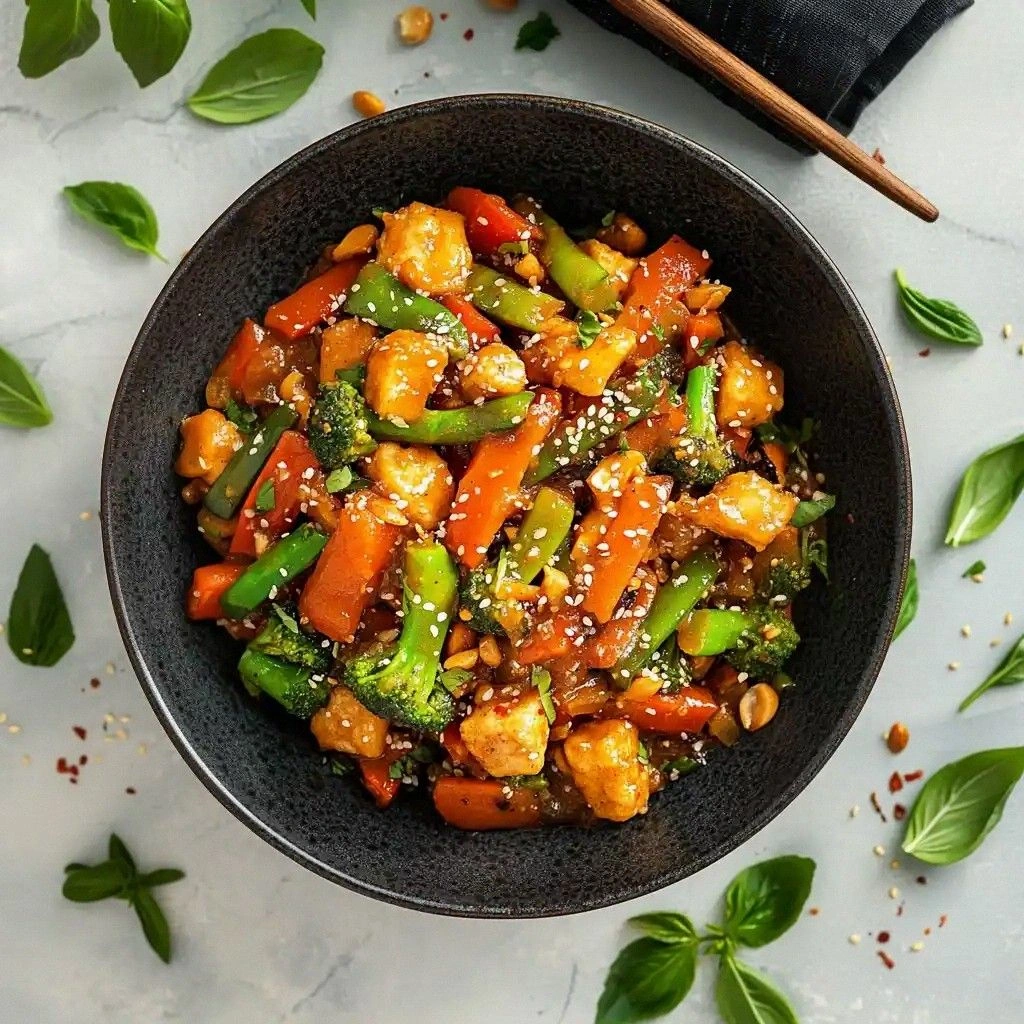
Ever had one of those nights where you’re staring at a half‑roasted bell pepper, a bunch of broccoli florets, and a block of tofu, and you think, “I need a culinary miracle?” That was me, mid‑afternoon, trying to salvage a dinner that was about to become a culinary catastrophe. My friend dared me to make a stir‑fry that could convince her that I had culinary mastery, and I took it on with the confidence of a chef who’s just discovered the secret sauce. I grabbed the ingredients, tossed them into a hot pan, and the kitchen turned into a symphony of sizzling and aroma. The smell of garlic and ginger hit the air like a fresh breeze, the colors of the veggies popped against the dark skillet, and the sound of the pan was a rhythmic drumbeat. I knew I was about to create something that would have everyone asking for seconds, but I wanted to share every detail so you can replicate that magic.
The moment the oil hit the pan, there was a pop that made my heart race. The vegetables began to sizzle, releasing a sweet, earthy scent that made my mouth water. I could see the glossy sheen of the sauce forming, coating the veggies like velvet. The sound of the veggies hitting the heat was a satisfying hiss, like a tiny explosion of flavor. My hands moved with purpose, chopping, stirring, tasting, and the anticipation of that first bite built up in my chest.
What makes this version stand out? It’s not just the ingredients, it’s the balance of textures, the harmony of flavors, and the sheer simplicity of the technique. The sauce is creamy yet tangy, the veggies stay crisp, and the tofu is perfectly caramelized. The recipe is a crowd‑pleaser that can be made in under an hour, and it’s flexible enough that you can swap proteins or grains without losing its soul. I dare you to taste this and not go back for seconds. This is hands down the best version you’ll ever make at home.
I’m not just going to give you the list of ingredients; I’m going to walk you through each step, from the first chop to the final garnish. There’s a trick with the sauce that you won’t expect—adding a splash of water to keep it silky—and a hack for getting that tofu to crisp up without burning. By the end, you’ll wonder how you ever made it any other way. Let me walk you through every single step—by the end, you’ll wonder how you ever made it any other way.
What Makes This Version Stand Out
- Flavor: The peanut sauce balances sweetness, saltiness, and umami, creating a depth that turns simple veggies into a gourmet experience. The subtle heat from ginger and garlic adds a bright kick that lingers on the palate.
- Texture: The vegetables remain crisp‑tender, the tofu is golden and slightly chewy, and the sauce coats everything without making it soggy. This contrast feels like a dance of crunch and silk.
- Simplicity: With less than ten ingredients and a single pan, the recipe is a no‑fuss, high‑impact meal that even a novice can master.
- Uniqueness: The creamy peanut base is paired with a bright, tangy vinegar finish, a combination that most stir‑fry recipes overlook.
- Crowd Reaction: Friends who’ve tried this say they can’t stop asking for the recipe, and the dish is a hit at potlucks because it’s both familiar and surprising.
- Ingredient Quality: Fresh veggies and high‑quality peanut butter elevate the dish, making every bite feel indulgent yet wholesome.
- Cooking Method: The high‑heat sear gives the tofu a caramelized crust, while the quick stir‑fry keeps the veggies bright and vibrant.
- Make‑Ahead Potential: The sauce can be prepared a day ahead and stored in the fridge, saving time on busy evenings.
Alright, let's break down exactly what goes into this masterpiece...
Inside the Ingredient List
The Flavor Base
The sauce is the heart of this dish, marrying creamy peanut butter with soy sauce, rice vinegar, honey, and sesame oil. Each component plays a role: peanut butter adds body, soy sauce contributes umami, vinegar provides brightness, honey brings a touch of sweetness, and sesame oil lends a nutty aroma. Skipping any of these would flatten the flavor profile; the sauce would feel like a one‑note song instead of a full orchestra.
The Texture Crew
Broccoli florets, snap peas, carrot slices, and zucchini slices bring a spectrum of textures—from crunchy to tender. The tofu, when seared properly, develops a golden crust that contrasts with the soft vegetables. Water is a secret weapon that keeps the sauce silky without diluting its richness. If you leave out the water, the sauce will cling too thickly, making the dish heavy.
The Unexpected Star
Fresh ginger is the unsung hero that cuts through the richness of the peanut sauce, adding a zing that awakens the palate. Garlic’s boldness rounds out the flavor, while the green onions provide a fresh, almost citrusy finish. Without ginger and garlic, the dish would taste flat and uninspired.
The Final Flourish
Sesame seeds and chopped green onions are the finishing touches that add crunch and brightness. They also provide a visual pop of color, turning a simple stir‑fry into a feast for the eyes. A sprinkle of these at the end transforms the dish from ordinary to extraordinary.
Everything's prepped? Good. Let's get into the real action...
The Method — Step by Step
- Preparation: Begin by washing all vegetables under cold water and patting them dry. Slice the bell pepper into thin strips, dice the carrot into matchsticks, and cut the zucchini into half‑moon slices. Separate the broccoli into florets and trim snap peas ends. Dice the tofu into even cubes, ensuring each piece is roughly the same size for uniform cooking. Mince the garlic and grate the fresh ginger finely; this will release the maximum flavor. In a small bowl, whisk together peanut butter, soy sauce, rice vinegar, honey, sesame oil, and water until the mixture is smooth and glossy. Keep this sauce ready to pour over the stir‑fry.
- Searing the Tofu: Heat a tablespoon of neutral oil in a large wok or skillet over high heat until shimmering. Add the tofu cubes in a single layer, letting them sit undisturbed for 2–3 minutes so they develop a golden crust. Flip the cubes gently and sear the other side until all sides are golden brown. Remove the tofu from the pan and set aside on a plate lined with paper towels to absorb excess oil. This step gives the tofu a caramelized exterior that holds up against the sauce.
- Stir‑Frying the Vegetables: Add the remaining tablespoon of oil to the same pan, then toss in the carrots and broccoli first, as they take the longest to cook. Stir for 1–2 minutes before adding the snap peas and zucchini. Keep the heat high and stir constantly so the veggies don’t stick or burn. The goal is to achieve a vibrant color and a slight crispness; the vegetables should still have a bite. If the pan starts to smoke, reduce the heat slightly and add a splash of water to keep the veggies from burning.
- Adding the Sauce: Pour the pre‑whisked sauce over the vegetables, stirring immediately to coat each piece. The sauce should thicken slightly, coating the veggies like a glossy glaze. Keep the heat medium and let the mixture simmer for 3–4 minutes, allowing the flavors to meld. You’ll notice a fragrant steam rising, and the sauce will develop a deeper amber hue. This is the moment of truth—if the sauce is too thin, add a teaspoon of cornstarch mixed with a tablespoon of water to thicken.
- Reintroducing the Tofu and Protein: Return the seared tofu to the pan and give everything a good toss to ensure the tofu is fully coated. Add your choice of protein—cooked chicken, shrimp, or beef—and stir to combine. The protein should heat through, and the tofu should retain its golden edges. This step adds a hearty element that makes the dish satisfying for adults and kids alike.
- Final Touches: Add your choice of cooked grains—rice, quinoa, or noodles—and stir until the grains are warm and fully coated with sauce. Remove the pan from heat and sprinkle sesame seeds and chopped green onions over the top. The sesame seeds add a nutty crunch, while the green onions provide a fresh, citrusy note that lifts the dish. Plate immediately for the best texture.
That's it — you did it. But hold on, I've got a few more tricks that'll take this to another level...
Insider Tricks for Flawless Results
The Temperature Rule Nobody Follows
Many cooks lower the heat too early, causing the sauce to become watery. Keep the heat high until the sauce thickens, then reduce it to medium to finish cooking. This ensures the vegetables stay crisp and the sauce stays glossy. I once lowered the heat too soon and the dish was mushy; I learned the hard way that timing matters.
Why Your Nose Knows Best
Before adding the sauce, give the veggies a sniff. If they smell slightly raw, give them a minute more. A bright, fresh aroma indicates they’re cooked just right. If you smell a burnt hint, you’ve overcooked them; a sweet, caramelized scent means they’re ready. Your nose is your best sous‑chef.
The 5‑Minute Rest That Changes Everything
Once the dish is plated, let it rest for 5 minutes before serving. This allows the sauce to settle and the flavors to marry. I’ve seen friends rush to the table and find the dish too hot; a short rest cools it down and improves texture.
The Secret of Even Tofu Texture
Press tofu before searing to remove excess moisture. Wrap the block in a clean towel, place it on a cutting board, and set a heavy pan on top for 15 minutes. This step ensures the tofu absorbs oil and develops a crisp exterior.
The Quick Fix for Sticky Sauce
If your sauce sticks to the pan, add a splash of water or a small amount of soy sauce to loosen it. Stir vigorously to release any stuck bits. This prevents the dish from becoming soggy and keeps the sauce silky.
The Power of Fresh Herbs
Adding a handful of fresh basil or cilantro right before serving adds brightness and a burst of color. Herbs also bring a subtle peppery note that cuts through the richness of the sauce. I always keep a small jar of herbs in the fridge for quick freshening.
Creative Twists and Variations
This recipe is a playground. Here are some of my favorite ways to switch things up:
Thai Peanut Noodle Fusion
Swap rice for thick rice noodles and add a splash of lime juice to the sauce. The noodles soak up the peanut glaze, creating a dish that feels both familiar and exotic. This version is perfect for a quick weeknight dinner.
Sweet Chili Kick
Add a tablespoon of sweet chili sauce to the sauce mixture for a spicy, sweet finish. The heat from the chili complements the peanut butter’s richness, while the sweetness balances the acidity. Great for those who love a little heat.
Crispy Tofu Crunch
Double‑coat tofu in a mixture of cornstarch and a pinch of salt before searing. The extra coating creates an ultra‑crunchy exterior that pairs beautifully with the soft vegetables. This version is a hit with kids who love crunch.
Veggie‑Packed Power Bowl
Serve the stir‑fry over a bed of quinoa and top with sliced avocado. The creamy avocado balances the nutty sauce, while the quinoa adds protein and texture. It’s a wholesome, filling bowl that feels like a meal on its own.
Quick Protein Boost
Add a handful of edamame or chickpeas to the stir‑fry for an instant protein boost. The legumes absorb the sauce and add a pleasant bite. This is ideal for vegetarians looking to increase their protein intake.
Storing and Bringing It Back to Life
Fridge Storage
Store leftovers in an airtight container for up to 3 days. Keep the sauce separate if you prefer to reheat the veggies and protein separately. When ready to eat, reheat in a skillet over medium heat, adding a splash of water to re‑loosen the sauce.
Freezer Friendly
Freezing is best before the sauce is added. Store the stir‑fry mixture in a freezer‑safe container for up to 2 months. Thaw overnight in the fridge and reheat with a splash of water or broth to revive the sauce.
Best Reheating Method
Reheat over medium heat in a skillet, stirring frequently. Add a tablespoon of water or broth to keep the sauce from drying out. The dish is best served hot, so avoid microwaving if you want to preserve the crunch.