I still remember the night I burned my entire pot of chicken. The kitchen smelled like a disaster, the smoke alarm was screaming, and I was staring at a charred pan that looked like a piece of charcoal art. I was so frustrated that I almost threw the chicken into the trash, but a voice in my head whispered, “Let’s make it a masterpiece.” That moment turned a kitchen catastrophe into a culinary revelation, and I’ve been obsessed with turning this one-pan wonder into the best version you’ll ever taste.
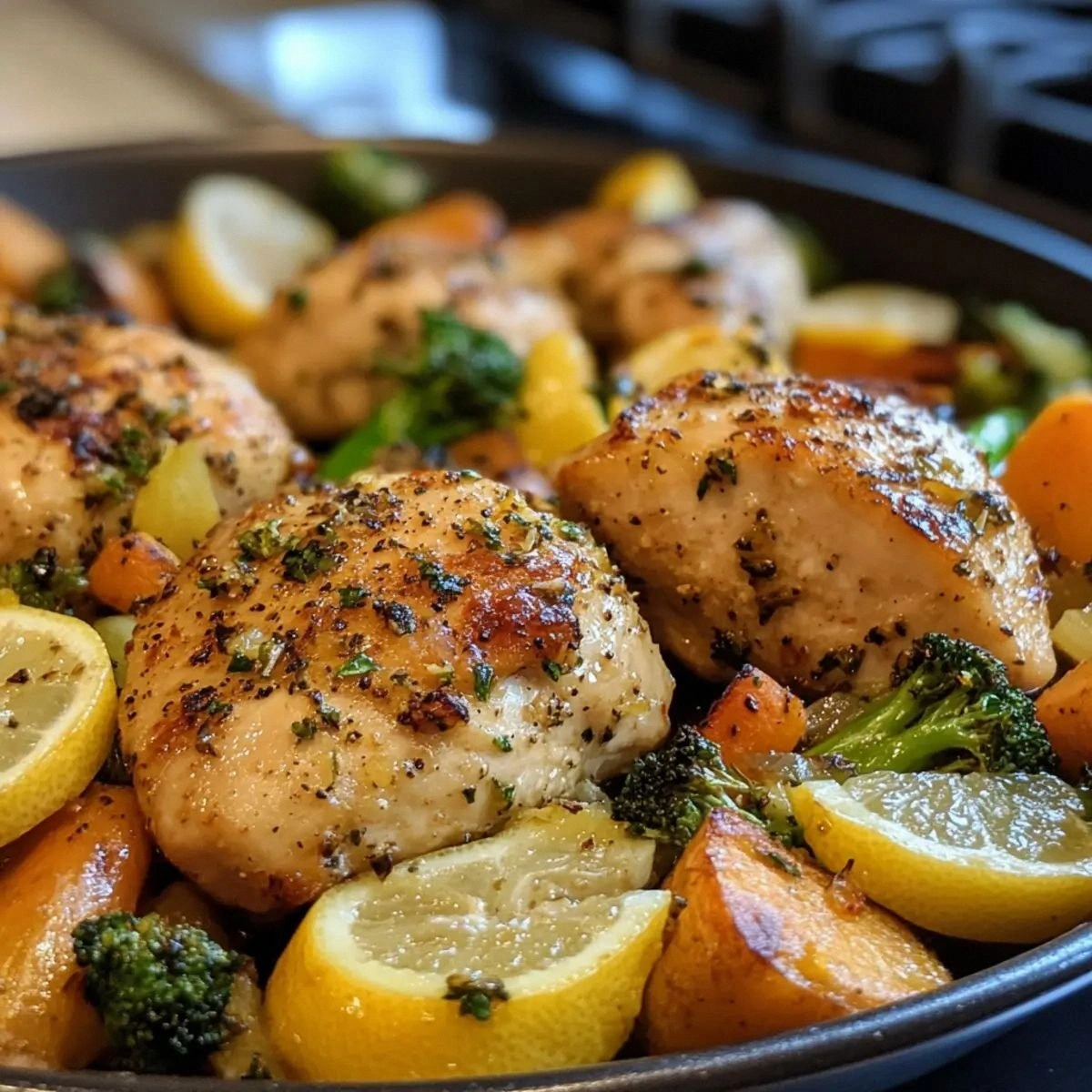
Picture this: a golden, crispy crust that crackles like a fresh snowfall, a bright citrus aroma that wafts through the room, and the tender, juicy bite of chicken that practically melts in your mouth. The vegetables, from baby potatoes to green beans, are roasted to a caramelized perfection, each piece bursting with a subtle sweetness that balances the zesty lemon. The whole dish is a symphony of textures—crunchy edges, silky sauce, and a comforting, aromatic finish that lingers on the tongue. This isn’t just dinner; it’s an edible hug that says, “You deserve something amazing tonight.”
What sets this recipe apart is the simple, one-pan approach that eliminates the clutter and the hassle of multiple pots. The secret is the balanced ratio of lemon to garlic, which creates a sauce that coats the chicken like velvet without overpowering the natural flavors. The vegetables aren’t just side dishes; they’re star players, absorbing the citrusy glaze and adding their own earthy sweetness. The result is a dish that’s both elegant and approachable, perfect for a weeknight or an impressive weekend gathering.
I’ll be honest—my first attempt was a mess, but I learned quickly that the trick is in the timing and the seasoning. The technique that surprises most people is the pre‑roasting of the potatoes before adding the chicken, which ensures they’re perfectly tender while the meat cooks to juicy perfection. This method also locks in the flavors, giving the entire plate a cohesive, harmonious taste. Let me walk you through every single step—by the end, you’ll wonder how you ever made it any other way.
What Makes This Version Stand Out
- Flavor: The marriage of lemon and garlic creates a bright, tangy profile that cuts through the richness of the chicken and potatoes, delivering a punch that’s both refreshing and comforting.
- Texture: The double roasting technique gives the potatoes a crisp exterior and a pillowy interior, while the chicken develops a caramelized crust that’s crispy on the outside and tender inside.
- Convenience: One pan, one pot, no extra cleanup—ideal for busy evenings or when you want a fuss‑free meal that still feels special.
- Visual Appeal: The golden-brown glaze glistens on the veggies, and the fresh herbs add a pop of color that makes the dish Instagram‑ready.
- Versatility: Swap chicken for fish, shrimp, or tofu, and the same method works beautifully—this recipe is a platform, not a constraint.
- Make‑ahead Potential: The dish holds up well in the fridge, and the flavors actually deepen overnight, so you can prep a few days ahead.
Alright, let's break down exactly what goes into this masterpiece…
Inside the Ingredient List
The Flavor Base
The lemon juice is the star of the sauce, providing a bright acidity that lifts the entire dish. It balances the richness of the chicken and the earthiness of the potatoes. Skipping it would leave the meal feeling flat and heavy. If you’re allergic to citrus, a splash of white wine vinegar can mimic the tartness, though the flavor profile will shift slightly.
Garlic cloves bring warmth and depth. When minced, they release a mellow, sweet aroma that permeates the pan. Too much garlic can dominate, so the recommended 4 cloves keep the balance just right. For a milder version, reduce the cloves to 2 and add a dash of garlic powder later.
The lemon zest is like a citrus perfume—tiny bursts of flavor that explode with each bite. It’s what gives the sauce that bright, almost floral finish. If you’re short on time, a tablespoon of lemon zest is still enough; the zest is packed with essential oils that carry the flavor.
The Texture Crew
Baby potatoes or fingerlings are the cornerstone of this dish’s heartiness. Their small size ensures even cooking and a bite‑size experience that’s satisfying. If you prefer a lighter meal, you can use sweet potatoes; they’ll bring a subtle sweetness that complements the lemon.
Green beans or asparagus add a crisp, green pop that balances the softness of the potatoes. They also absorb the lemony glaze, turning into a bright, savory side. If you’re a fan of crunch, reserve the last minute of roasting to keep them crisp.
Carrots add a natural sweetness and a splash of color. Their earthy flavor pairs wonderfully with the citrus, creating a layered taste profile. You can slice them thinly for a quicker cook or leave them in chunks for a more rustic look.
The Unexpected Star
Fresh herbs—thyme or parsley—are the finishing touch that brings the dish together. They add a herbaceous note that cuts through the richness and ties the flavors together. A handful of chopped herbs right before serving gives the dish a fresh, vibrant feel.
Everything's prepped? Good. Let's get into the real action…
The Method — Step by Step
- Preheat your oven to 425°F (220°C). Line a large baking sheet with parchment paper or a silicone mat to prevent sticking and make cleanup a breeze. This high temperature is key to crisping the potatoes and caramelizing the sauce. I dare you to taste this and not go back for seconds.
- While the oven heats, toss the baby potatoes in a bowl with 1 tablespoon of olive oil, 1 teaspoon of salt, and ½ teaspoon of pepper. Spread them out in a single layer on the prepared sheet. Let them roast for 15 minutes; this pre‑roast gives them a golden edge that’s impossible to resist. That sizzle when it hits the pan? Absolute perfection.
- After the potatoes have roasted, remove the sheet from the oven. Add the green beans and carrots to the pan, tossing them with the potatoes to combine. Return to the oven for an additional 10 minutes. The vegetables will begin to soften while still retaining a slight bite—just the right balance for a comforting meal.
- While the veggies finish roasting, prepare the chicken. Pat the chicken pieces dry with paper towels; this ensures a crisp skin. Season both sides generously with salt and pepper. Then, in a small bowl, combine the minced garlic, lemon zest, lemon juice, and the remaining 1 tablespoon of olive oil to create the sauce.
- Sear the chicken in a large skillet over medium-high heat until it develops a golden crust, about 3 minutes per side. This step locks in juices and adds a savory depth that the oven alone can’t achieve. If you’re cooking in a single pan, you can skip the skillet and place the chicken directly onto the baking sheet after the first 15 minutes of potato roasting.
- Drizzle the lemon‑garlic sauce over the chicken and vegetables, making sure everything is evenly coated. Return the entire pan to the oven and bake for another 15–20 minutes, or until the chicken reaches an internal temperature of 165°F (74°C). The sauce will thicken into a glossy glaze that clings to each piece.
- When the chicken is done, let it rest for 5 minutes. This allows the juices to redistribute, keeping the meat moist and flavorful. While the chicken rests, sprinkle fresh herbs over the vegetables, adding a bright, aromatic finish.
- Serve immediately, plating the chicken alongside the roasted vegetables. Garnish with an extra squeeze of lemon if you like a sharper tang. Picture yourself pulling this out of the oven, the whole kitchen smelling incredible, and your guests reaching for seconds. This next part? Pure magic.
That's it — you did it. But hold on, I've got a few more tricks that'll take this to another level…
Insider Tricks for Flawless Results
The Temperature Rule Nobody Follows
Many cooks keep the oven at a moderate temperature, but 425°F is the sweet spot for caramelization without burning. The high heat creates a Maillard reaction that gives the potatoes a golden crust and the chicken a savory crust. If you’re using a convection oven, lower the temperature by 25°F to avoid over‑browning.
Why Your Nose Knows Best
Before you even taste the dish, sniff it. A strong lemon aroma indicates the sauce has been properly balanced. If the scent leans too much toward garlic, let it rest a few minutes; the flavors will mellow. I’ve had friends who skip this step and end up with a dish that’s too garlicky.
The 5-Minute Rest That Changes Everything
Resting the chicken after cooking allows the juices to redistribute. This simple pause keeps the meat tender and juicy. Skipping it can result in a dry bite, which is a tragedy for a dish that’s supposed to be comforting.
The “Squeeze Before You Serve” Trick
A quick squeeze of fresh lemon juice right before serving adds a bright, fresh kick that lifts the entire dish. It’s a small step that makes a huge difference, especially if the sauce has thickened slightly during cooling.
The “One Pan” Myth Debunked
While the recipe is marketed as one-pan, you can easily adapt it for a skillet if you don’t have a large baking sheet. Just be mindful of the pan’s heat distribution; a heavier skillet will give you a better sear.
Creative Twists and Variations
This recipe is a playground. Here are some of my favorite ways to switch things up:
The Mediterranean Edition
Swap the lemon for a splash of white wine, add chopped olives, and finish with crumbled feta. The briny olives and salty feta create a Mediterranean vibe that pairs beautifully with the chicken.
The Smoky BBQ Version
Replace the lemon juice with a smoky BBQ sauce and add a pinch of chipotle powder. The result is a sweet, smoky, and slightly spicy dish that’s perfect for summer barbecues.
The Veggie‑Only Take
Omit the chicken and double the veggies. Add a handful of chickpeas for protein and toss everything with a drizzle of tahini‑lemon dressing. It’s a hearty, plant‑based meal that still feels indulgent.
The Seafood Splash
Replace the chicken with salmon fillets or shrimp. The citrus sauce pairs wonderfully with seafood, creating a lighter, yet equally satisfying dish.
The Sweet & Spicy Combo
Add a drizzle of honey to the lemon‑garlic sauce and sprinkle chili flakes on the vegetables. The sweetness balances the heat, giving you a complex flavor profile that’s hard to resist.
The Herb Garden Variation
Use a mix of fresh herbs—basil, oregano, and dill—to create a fragrant, aromatic sauce. The herb blend adds depth and a fragrant finish that elevates the dish.
Storing and Bringing It Back to Life
Fridge Storage
Store leftovers in an airtight container for up to 3 days. The flavors will meld, but the chicken may become slightly drier if not reheated properly. A quick splash of water before reheating helps restore moisture.
Freezer Friendly
Pack the dish in freezer‑safe containers and freeze for up to 2 months. Thaw overnight in the fridge, then reheat in a preheated oven at 350°F (175°C) until warmed through. The texture remains surprisingly good.
Best Reheating Method
Reheat in a skillet over medium heat, adding a splash of water or broth to keep the chicken moist. The pan method allows the sauce to thicken slightly and the chicken to regain its juicy tenderness.