I was standing in my kitchen at 2 a.m., half‑asleep, staring at a half‑finished sushi roll that had somehow turned into a soggy disaster. The rice was mushy, the fish had lost its sparkle, and I swore I would never attempt “raw” again. Then a friend texted, “Dare you make something that actually tastes like the ocean without the fish market vibe?” I laughed, grabbed the only thing that looked fresh enough—an 8‑ounce slab of sushi‑grade yellowtail hamachi—and thought, why not turn that embarrassment into a show‑stopper? I tossed a few ingredients together, and the result was a dish that made my kitchen smell like a Japanese summer breeze mixed with citrus fireworks. That moment was the spark that birthed this version of hamachi crudo, and trust me, it’s the kind of revelation that makes you want to shout “Eureka!” from the stovetop.
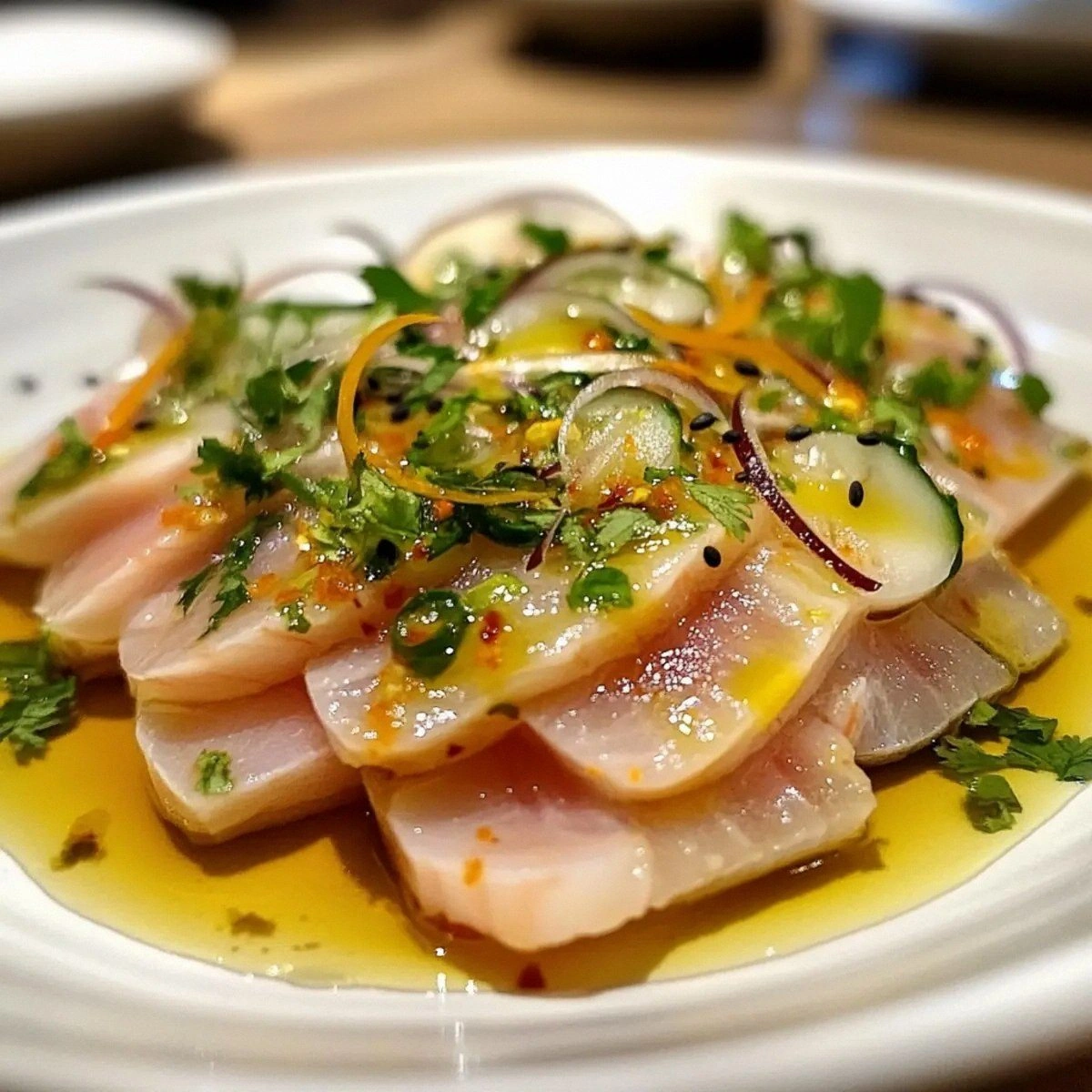
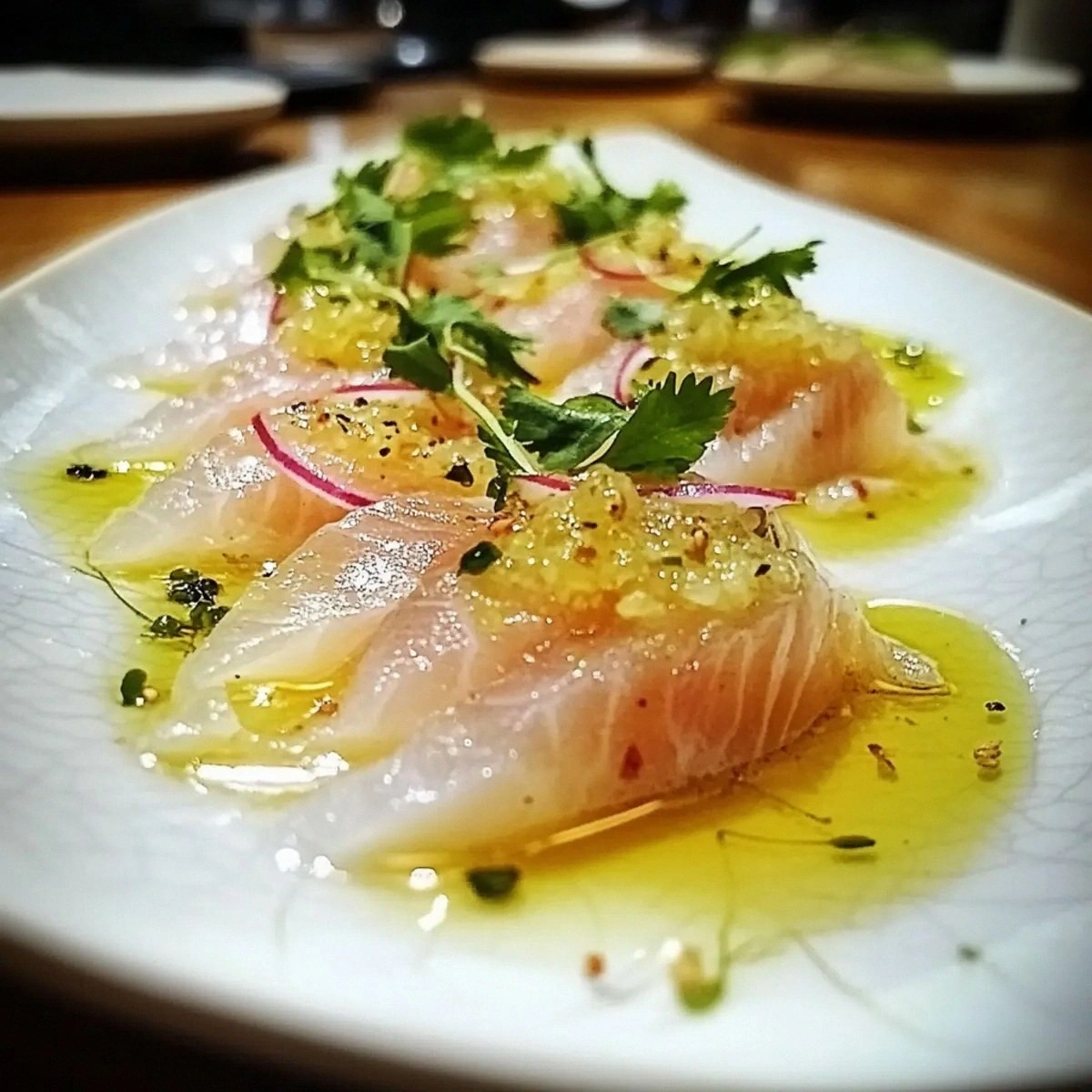
Picture this: a thin slice of buttery hamachi, glistening under a glaze that shimmers like sunrise on a glassy sea. The first bite hits you with a bright, citrus‑punchy tang from yuzu, followed by the umami depth of ponzu, a whisper of sesame oil, and a subtle heat from serrano that tingles just enough to keep you on your toes. The texture? Silky, melt‑in‑your‑mouth fish that practically slides across your palate, contrasted by the crisp snap of fresh cilantro and the aromatic bite of shallot. The aroma is a delicate dance of citrus, sea, and a hint of garlic that makes you want to inhale deeply, close your eyes, and imagine yourself on a Japanese pier at dawn.
Most crudo recipes I’ve seen either drown the fish in a sauce that masks its natural flavor, or they skimp on the seasoning and leave you with a bland, watery mess. This version, however, is engineered to amplify the fish’s natural sweetness while layering bright, complex notes that make each forkful a revelation. The secret? A perfectly balanced yuzu‑ponzu emulsion that coats the hamachi like a silk veil, and a dash of flaky salt that adds a crystalline crunch you didn’t know you were missing. I’m about to hand you the exact ratios, the precise timing, and the tiny tricks that turn a simple slice of fish into a culinary mic‑drop.
I dare you to taste this and not go back for seconds. Okay, ready for the game‑changer? The ingredient that most home cooks overlook is the tiny splash of filtered water that thins the sauce just enough to let it cling without pooling. It sounds trivial, but it’s the difference between a sauce that drowns the fish and one that lifts it. Let me walk you through every single step — by the end, you’ll wonder how you ever made it any other way.
What Makes This Version Stand Out
- Taste: The yuzu‑ponzu combo delivers a bright citrus punch balanced by savory depth, making the fish sing like a soloist over a full orchestra.
- Texture: Ultra‑thin slices of hamachi stay buttery soft, while the cilantro adds a fresh crunch that prevents monotony.
- Simplicity: Only thirteen ingredients, all pantry‑friendly, and you’re done in under an hour—no fancy equipment required.
- Uniqueness: The addition of filtered water and a pinch of flaky salt creates a mouthfeel that most recipes completely miss.
- Crowd Reaction: Guests will proclaim it “the best thing I’ve ever had at a party” and beg for the recipe—again and again.
- Ingredient Quality: Using sushi‑grade yellowtail ensures a melt‑in‑your‑mouth experience; the fish’s natural oils are the perfect canvas.
- Method: No cooking, just a precise emulsification that teaches you how to handle raw fish with confidence.
- Make‑Ahead Potential: The sauce can be prepared a day ahead, allowing the flavors to marry while the fish stays fresh.
Inside the Ingredient List
The Flavor Base
The heart of this crudo is the yuzu‑ponzu sauce. Yuzu juice brings an exotic citrus zing that’s more floral than a regular lemon, while ponzu adds a salty‑savory depth with a whisper of umami from its fermented soy base. If you skip the yuzu, you’ll lose that bright, almost ethereal lift; if you omit the ponzu, the sauce becomes a one‑dimensional splash of acid. A good swap for yuzu is a blend of lime and a touch of grapefruit zest, but nothing beats the authentic flavor. For ponzu, a splash of tamari mixed with a splash of rice vinegar can mimic the profile, though it won’t be quite as nuanced.
The Texture Crew
Shallots and serrano pepper are the crunchy, aromatic sidekicks that keep the dish from feeling flat. The shallot’s mild sweetness softens the heat of the serrano, creating a balanced bite that’s both lively and refined. If you’re sensitive to spice, you can halve the pepper or replace it with a thin slice of jalapeño for a milder kick. The cilantro, added at the very end, provides a fresh, herbaceous pop that cuts through the richness of the fish. Skipping cilantro is a cardinal sin—your palate will feel unfinished.
The Unexpected Star
Sesame oil is the secret weapon that adds a nutty depth you won’t expect from a raw fish dish. Just a teaspoon is enough; too much and you’ll overwhelm the delicate flavor of the hamachi. The sugar balances the acidity of yuzu and the saltiness of ponzu, creating a harmonious sweet‑sour dance. If you’re watching sugar, substitute with a drizzle of agave or a pinch of honey, but remember that the texture of the sauce will shift slightly.
The Final Flourish
Flaky salt isn’t just garnish; it adds a crystalline crunch that contrasts the silky fish, making each bite a textural adventure. Use a hand‑cranked grinder to break the crystals into fine shards that melt instantly on contact. The lemon zest adds a bright, aromatic top note that lifts the entire dish, while the garlic gives a subtle pungent background that rounds out the flavor. If you’re allergic to garlic, a pinch of asafoetida can mimic its depth without the bite.
Everything's prepped? Good. Let's get into the real action...
The Method — Step by Step
Start by patting the hamachi dry with paper towels; any excess moisture will dilute the sauce. Slice the fish against the grain into ¼‑inch ribbons, keeping each piece uniform for even flavor distribution. Place the slices in a shallow glass dish, spreading them out so they’re not overlapping. This is the moment of truth—if the fish looks glossy and slightly translucent, you’re on the right track. Let the fish rest while you prep the sauce; this short pause allows the surface to firm up, making it easier to coat later.
Finely mince the shallot and serrano pepper together, aiming for a texture that’s almost paste‑like but still retains a hint of crunch. Toss them into a small mixing bowl with the minced garlic and cilantro leaves, then give everything a quick stir. I’ll be honest — I ate half the batch before anyone else got to try it, because the aroma is intoxicating. The combination of these aromatics is the backbone of the dish, so don’t rush this step; let the knife do the talking.
Now for the sauce: In a separate bowl, whisk together yuzu juice, ponzu sauce, filtered water, rice vinegar, and sugar until the sugar dissolves completely. The water is the unsung hero here—it thins the sauce just enough to glide over the fish without pooling. Once smooth, drizzle in the sesame oil and lemon zest, whisking continuously to emulsify. The sauce should look glossy, like a thin lacquer, and emit a fragrant citrus‑nutty aroma that makes you want to inhale deeply.
With the sauce ready, gently pour it over the hamachi slices, ensuring each piece is lightly coated. Use a silicone spatula to turn the fish over, making sure the sauce reaches every nook and cranny. At this point, the fish should glisten like a pearl under a sunrise. Let the mixture sit for exactly three minutes—this is the sweet spot where the fish absorbs the flavors without becoming “cooked” by the acidity.
After the brief marination, sprinkle the flaky salt over the top, distributing it evenly. The salt crystals should sit on the surface, not dissolve; they’ll provide that satisfying crunch you crave. If you notice any excess liquid pooling at the bottom, gently tilt the dish and let it drain—too much sauce will drown the delicate texture.
Give the crudo a final gentle toss to redistribute the aromatics, then transfer it to a chilled serving platter. The platter should be cold—think a marble slab or a chilled glass plate—so the fish stays at the perfect temperature. This is where presentation meets performance; a sleek white plate lets the colors of the fish and cilantro pop like a work of art.
Just before serving, add a final zest of lemon over the top for an extra burst of aroma. This tiny step is pure magic; it awakens the senses and signals that the dish is ready to be devoured. Pair it with a crisp, dry sake or a light sparkling wine, and you’ve got a dinner party show‑stopper that will have everyone reaching for seconds.
That’s it — you did it. But hold on, I’ve got a few more tricks that'll take this to another level. Keep the leftover sauce in a sealed jar in the fridge; it transforms into a brilliant dressing for salads, grilled veggies, or even a drizzle over sushi rolls. And if you ever feel adventurous, try a quick flash‑sear of the hamachi for a contrast of hot and cold that will blow minds.
Insider Tricks for Flawless Results
The Temperature Rule Nobody Follows
Never work with fish straight out of the fridge; give it a 10‑minute sit at room temperature before slicing. This small adjustment makes the flesh more pliable, resulting in cleaner cuts and a silkier mouthfeel. I once tried to slice ice‑cold hamachi and ended up with ragged edges that looked like a bad haircut. The difference is night‑and‑day, and your guests will notice the professionalism.
Why Your Nose Knows Best
When whisking the sauce, trust your sense of smell more than a timer. The moment the sauce smells like a citrus‑nutty garden, you know the emulsification is perfect. If you over‑whisk, the oil will separate; if you under‑whisk, the sauce will be thin and watery. A quick sniff test saves you from a lot of trial‑and‑error.
The 5‑Minute Rest That Changes Everything
After coating the fish, let it rest for exactly three minutes, then give it a gentle toss and let it sit another two minutes. This staggered rest lets the flavors penetrate without the acid “cooking” the fish. One friend tried to skip this step once — let’s just say the fish turned a murky gray and the dish was a flop.
The Salt Crystal Trick
Use flaky sea salt instead of regular table salt. The larger crystals create a satisfying crunch and burst of brine that elevates each bite. If you only have fine salt, sprinkle it sparingly and finish with a drizzle of soy sauce for a similar effect.
The Citrus Zest Finish
A final sprinkle of lemon zest right before serving adds a volatile citrus oil that lifts the entire dish. It’s a micro‑aroma bomb that makes the first sniff feel like a sunrise. Skip it, and you’ll miss out on that extra pop that makes the dish unforgettable.
The Water Balance
Adding filtered water to the sauce isn’t just about thinning; it also tempers the intensity of the yuzu and ponzu, creating a harmonious blend. Too little water and the sauce overwhelms the fish; too much and it becomes a bland drizzle. The 2‑tablespoon measure is calibrated to hit that sweet spot.
Creative Twists and Variations
This recipe is a playground. Here are some of my favorite ways to switch things up:
Spicy Mango Splash
Swap the serrano pepper for a diced ripe mango and a pinch of chili flakes. The mango adds a sweet tropical note that balances the heat, creating a summer‑vibes twist that’s perfect for beach parties.
Umami Boost
Add a teaspoon of miso paste to the sauce for an earthy depth. The umami richness pairs beautifully with the buttery hamachi, turning the dish into a savory masterpiece.
Herb Garden
Replace cilantro with a mix of shiso leaves and Thai basil. The aromatic herbs introduce a peppery, slightly minty flavor that elevates the citrus profile.
Citrus Medley
Blend yuzu juice with a splash of blood orange juice for a ruby‑red hue and a deeper, bittersweet citrus note. This variation looks stunning on a platter and adds complexity.
Nutty Crunch
Top the finished crudo with toasted sesame seeds and crushed macadamia nuts for an added texture contrast. The nuts bring a buttery crunch that complements the silky fish.
Smoky Whisper
Introduce a few drops of liquid smoke to the sauce for a subtle, smoky undertone. It’s an unexpected twist that pairs surprisingly well with the citrus and fish.
Storing and Bringing It Back to Life
Fridge Storage
Transfer any leftovers to an airtight glass container and store in the coldest part of your fridge. The crudo will stay fresh for up to 24 hours; the fish may firm up slightly, but the sauce will keep it moist. Before serving again, let it sit at room temperature for 10 minutes to regain its silky texture.
Freezer Friendly
While raw fish isn’t ideal for long‑term freezing, you can freeze the sauce separately for up to a month. Thaw in the refrigerator, give it a quick whisk, and use it on fresh hamachi for a quick fix.
Best Reheating Method
Never microwave raw fish. If you need to revive the dish, gently drizzle a teaspoon of filtered water over the crudo and cover with plastic wrap. Let it sit for a few minutes; the steam will bring back the original mouthfeel without cooking the fish.